Reviewed · BERLIN TOURS
Produce Techno and House Music in Berlin
Berlin’s club sound begins in the studio. This two-hour session with producer Andy Sexton gives you a hands-on way to learn how house and techno tracks are built, from drum patterns and synthesizers to arrangement and final mixdown. I like the small group limit of four, and I like that beginners can take part without knowing music software first. The main drawback is the short running time: two hours is enough to create a useful first track, but not enough to master every tool in a professional studio.
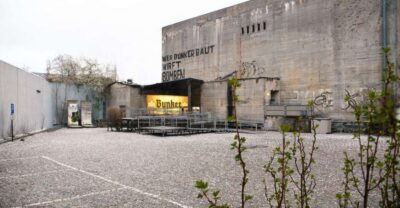
You meet at the front door of a large reddish-brown brick industrial building in Berlin’s clubbing district. From there, the session moves into a working music studio filled with modern and vintage equipment, microphones, acoustic instruments, synthesizers, and drum machines. At $147 per person, this is not a cheap sightseeing activity, but it offers far more personal attention than a large class and can be good value if you want to make something yourself rather than simply hear about Berlin’s music scene.
In This Review
- Key points at a glance
- Why this Berlin music session is different
- Arriving at the industrial studio
- Starting with synthesizers and drum machines
- Recording and arranging a house or techno track
- Mixing down for club play
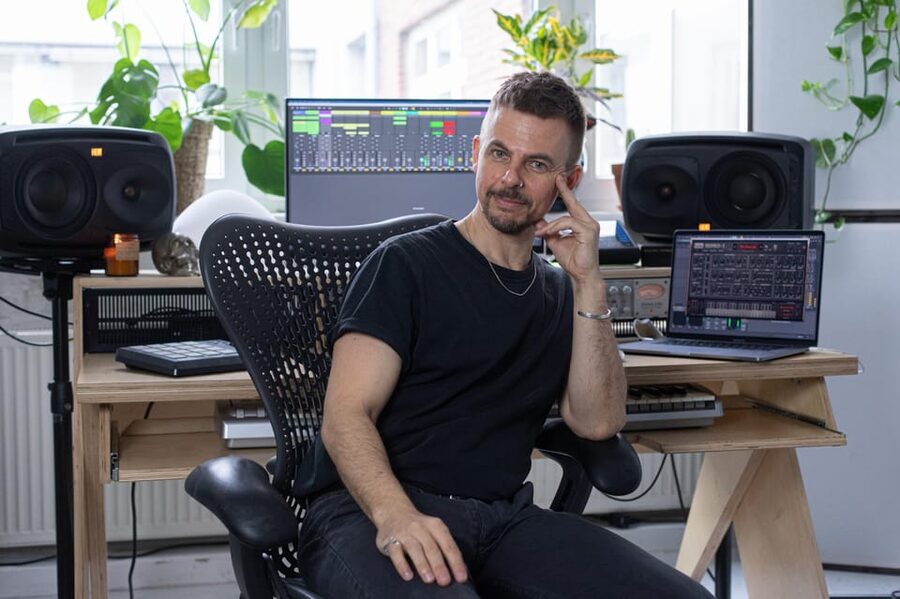
- What Andy Sexton brings to the session
- Is $147 a fair price?
- Who should book this experience?
- Practical advice before you go
- Should you book Produce Techno and House Music in Berlin?
- FAQ
- How long does the music production session last?
- Where does the experience take place?
- Is previous music production experience required?
- What language is the session taught in?
- What will I learn during the class?
- How many people can join the group?
- Is the activity suitable for children?
Key points at a glance
- A track is built during the session: You work toward a house or techno piece rather than only watching a demonstration.
- Andy Sexton teaches the thinking behind the music: The focus includes workflow, structure, sound choices, and production habits, not just pressing buttons.
- The group has a maximum of four people: That keeps the lesson personal and gives you a better chance to use the equipment directly.
- The studio mixes old and new gear: Modern software sits alongside vintage music equipment, microphones, piano, guitar, and percussion.
- No previous production experience is required: You can arrive as a complete beginner, while experienced makers can use the session to improve their process.
- You leave with something concrete: Past sessions have produced a small track to take home, and one participant extended the session for more studio time.
Why this Berlin music session is different
Berlin is known around the world for underground house and techno. That reputation can feel distant if your only contact with it is waiting outside a club or listening to a DJ set. This session puts you closer to the work that comes before the dance floor: programming beats, shaping tones, recording sounds, and deciding how a track should build.
I like this approach because it treats the music as a craft. You are not just told that Berlin has a famous electronic scene. You get to see how a producer turns a blank project into a structured piece of music.
The studio location also matters. You meet in a large industrial building with reddish-brown brick, right in the clubbing district. The exact studio setup is not a public attraction with signs and displays. It is a working creative space, so the experience feels more like entering a producer’s workplace than joining a standard museum tour.
The two-hour format keeps the activity manageable during a city break. You can fit it between other plans without losing a full day. Still, you should arrive ready to focus. Music production takes attention, and two hours can pass quickly once you start adjusting drum sounds and synthesizer settings.
A few more Berlin trips worth comparing
- Berlin: Reichstag, Dome and Government District Guided Tour
★ 4.7 · 18,288 reviews - Berlin: 1-Hour City Tour by Boat with Guaranteed Seating
★ 4.3 · 16,993 reviews - Berlin: Boat Tour Along the River Spree
★ 4.4 · 11,252 reviews
Arriving at the industrial studio
The meeting point is the front door of the building. You should arrive a few minutes before the scheduled start time and look for the large industrial structure with reddish-brown brick. Transportation to and from the studio is not included, so you need to make your own way there.
That meeting arrangement is simple, but it is worth taking seriously. This is not a tour that begins at a ticket booth or a hotel lobby. You are entering a working studio inside a large building, and arriving late could cost you part of an already short session.
The class is taught in English. The setting is wheelchair accessible, which makes the activity possible for more people, though you may want to confirm any personal access needs when booking. Smoking, alcohol, drugs, and littering are not allowed.
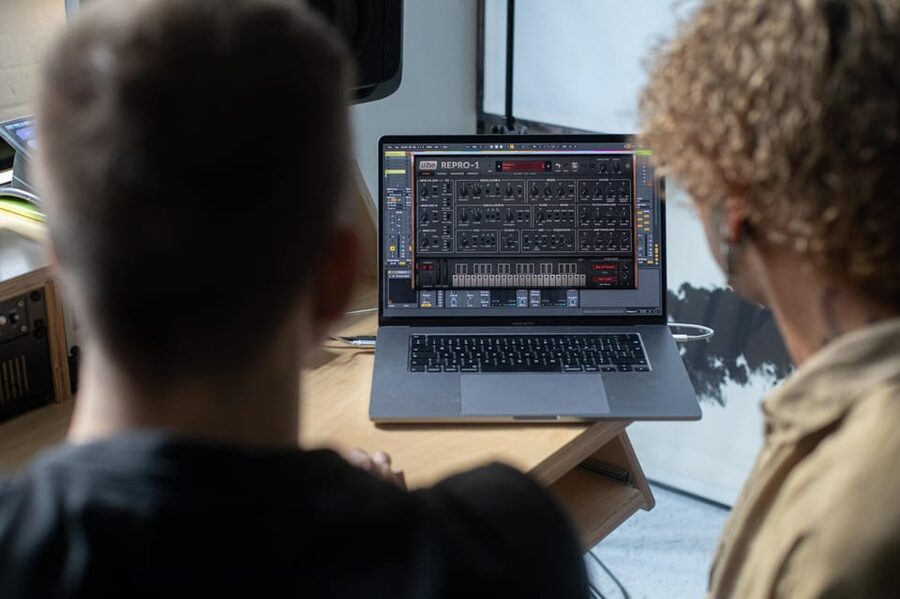
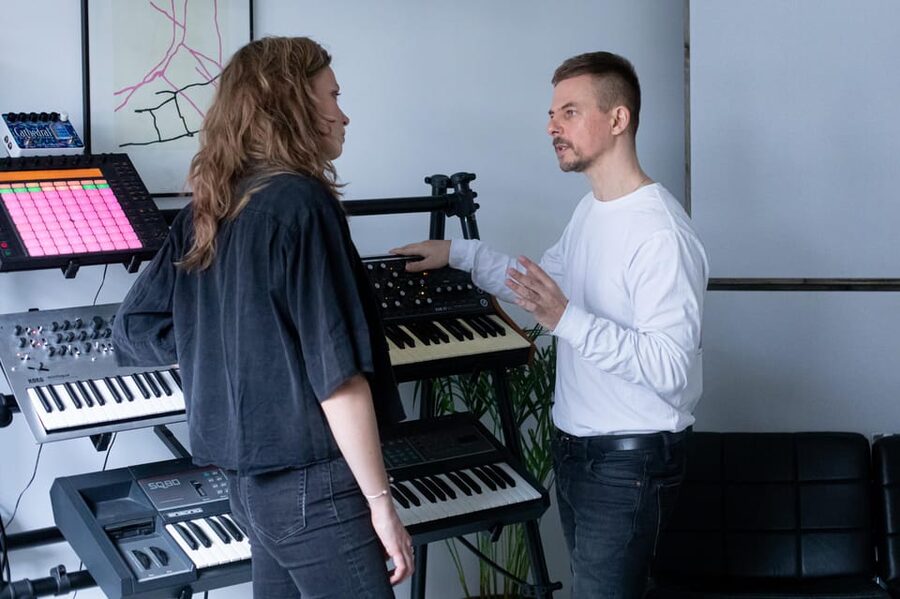
Once inside, you can expect an environment built around making music. The studio has professional software, modern and vintage music gear, many microphones, and acoustic instruments including piano, guitar, and percussion. The equipment list is useful not because you will operate everything in two hours, but because it lets Andy choose tools that fit the sound you are trying to create.
Starting with synthesizers and drum machines
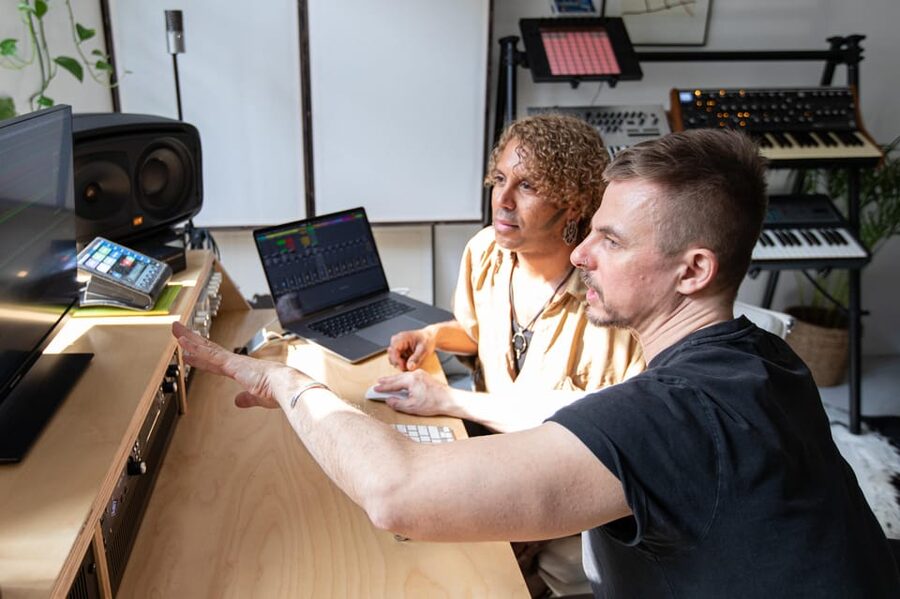
The first major part of the session introduces synthesizer and drum machine programming. This is where the activity becomes hands-on. Instead of treating electronic music as a mysterious wall of knobs, Andy can show you how individual sounds are shaped and how those sounds fit into a rhythm.
For a beginner, the important lesson is that a techno or house track often begins with simple building blocks. A drum pattern, bass sound, clap, hi-hat, and a few changes in tone can create the foundation. The challenge is choosing what to add and what to leave out.
Andy also explains the ideas behind his methods and workflow. That matters more than copying one set of button presses. Equipment changes, software changes, and music styles change, but a clear process can continue to help you after the class.
One participant found the session useful for understanding how grooves are made and how work should be organized. That is a valuable distinction. You are not only learning which control affects a sound. You are learning how to move from an idea to a working pattern without getting lost in endless options.
People who already make music can also find value here. The session may help you tighten your approach, think more clearly about structure, or take a more professional path with your own projects. At the same time, the class is not presented as an advanced technical certification. You should see it as a practical introduction or focused creative workshop.
Recording and arranging a house or techno track
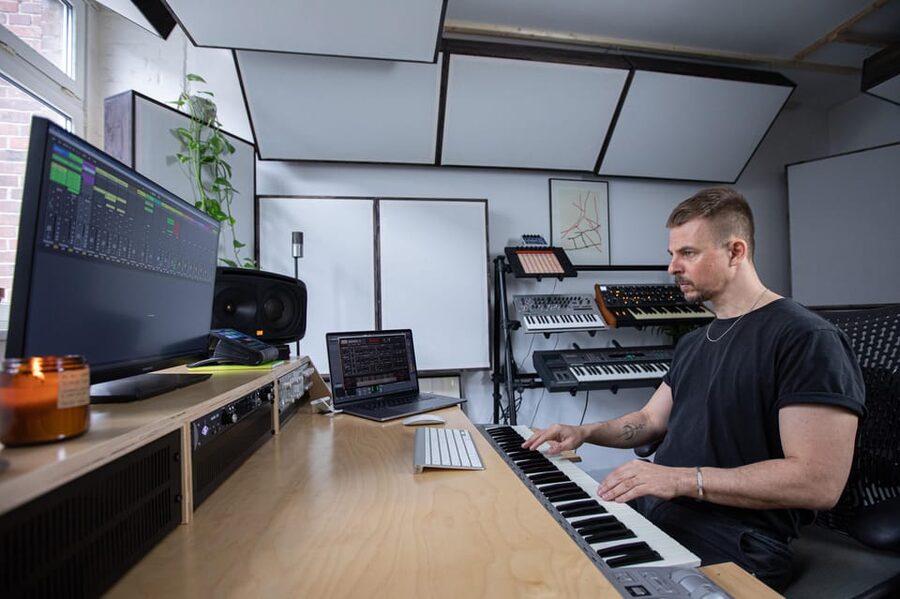
After the initial sound work, you record and arrange a house or techno track using professional music production software. This gives the session a clear goal. You are not spending two hours sampling sounds with no finished direction. You are working toward a piece of music with a beginning, progression, and ending.
Arrangement is often where a short musical idea becomes a track. You decide when the beat enters, when a sound drops away, and how the energy changes. Andy can help you understand how these choices shape the way a club track works.
The class also includes acoustic instruments such as piano, guitar, and percussion. You may not use every instrument, and the available details do not promise a particular recording for every session. Still, the range of equipment gives you more than a standard computer-only lesson. You might add a played sound, use a microphone, or simply see how acoustic and electronic tools can sit together.
The small group size is especially helpful during this part. With no more than four participants, you have a better chance to ask questions and make choices instead of watching someone else control the project. If you are attending with a friend, remember that each person may want time at the equipment. A small group is personal, but it is not always the same as a private lesson.
One unusual strength is the chance to create a track within the scheduled time. A participant who wanted extra time extended the session and left with a small piece to take home. You should not assume that an extension is always available or included, but this detail shows that the session can lead to a real, usable result rather than a quick sound experiment.
Still Berlin, at a slower pace:
- Discover Berlin Half-Day Walking Tour
★ 5.0 · 9,624 reviews - Berlin: Hop-on Hop-off Bus Tour with Live Commentary
★ 4.3 · 8,579 reviews - Berlin: Government District around the Reichstag Guided Tour
★ 4.7 · 8,447 reviews - Berlin: Reichstag, Plenary Chamber, Cupola & Government Tour
★ 4.6 · 8,422 reviews
Mixing down for club play
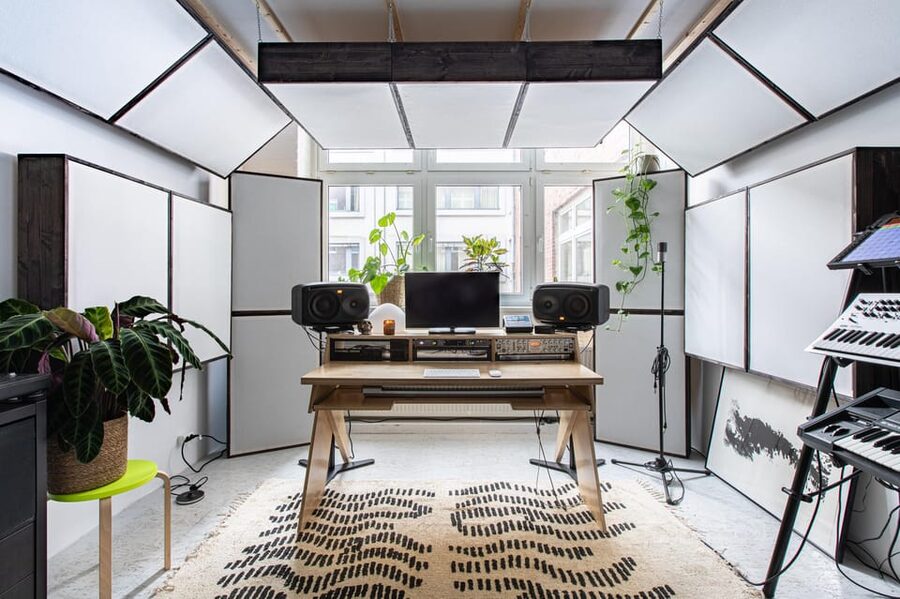
The final production stage is mixing down the track so it is prepared for club play. This does not mean you will become a professional mixing engineer in one afternoon. It does mean you get to see why volume, balance, and clarity matter before a track reaches a sound system.
For a beginner, this part can be eye-opening. A good rhythm is not enough if the bass overwhelms everything else or if key sounds disappear. Mixing gives you a chance to hear the difference between a rough idea and a track that has been organized for listening.
The club connection also gives the class a strong sense of place. Berlin’s electronic music culture is not treated as decoration. The session links the practical work in the studio to the sound heard in clubs across the city.
I would keep your expectations realistic. Two hours allows for an introduction, guided practice, and a basic mixdown. It does not leave room for detailed mastering, advanced sound design, or a polished commercial release. The reward is understanding the process and making a first piece, not leaving with a guaranteed dance-floor hit.
What Andy Sexton brings to the session
The instructor is one of the biggest reasons to consider this activity. Andy Sexton is described as friendly, professional, experienced, and patient. His teaching style appears to combine practical instruction with a personal view of how music should be made.
That combination is important. Technical lessons can become dry when they focus only on software menus. Andy also explains his philosophy, methods, and frameworks for making music. Those ideas can help you long after the session, especially if you have wanted to produce music but did not know how to begin.
His teaching also appears adaptable. One session involved a cognitively impaired participant who wanted to produce music. Andy responded with empathy, quickly understood the participant’s goal, and helped create a song despite a language barrier. That suggests a calm and flexible teaching style, though you should still share any specific support needs before booking.
The class has received perfect scores across five published ratings, with praise centered on the equipment, the teaching, the friendly atmosphere, and the finished track. A perfect score from a small number of ratings is encouraging, but it is not the same as a long record across hundreds of bookings. I would treat it as a strong signal, while still choosing the activity because it fits your interests.
Is $147 a fair price?
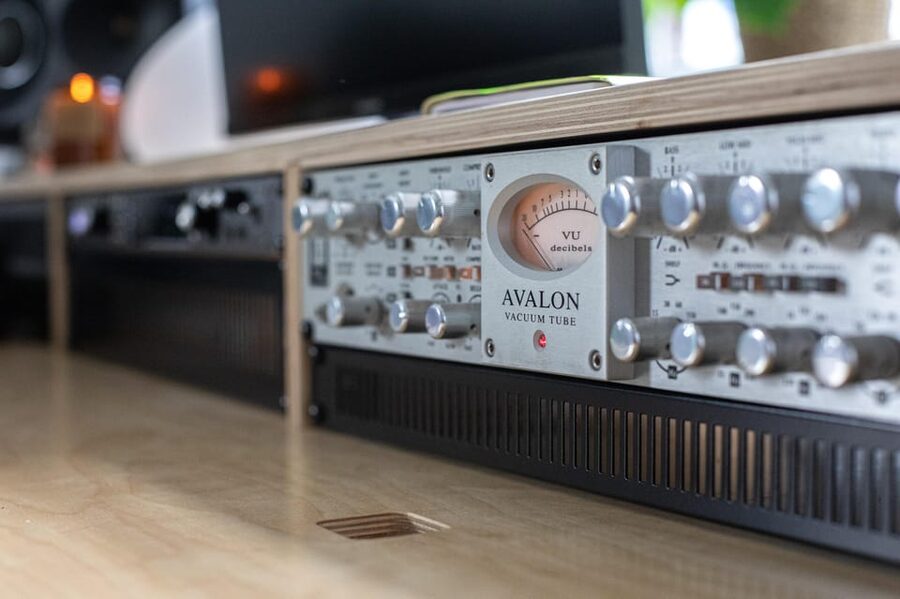
At $147 per person, the cost is high compared with a typical Berlin walking tour or museum visit. You are paying for access to a professional studio, specialist equipment, a small group, and direct guidance from a producer.
The value depends on what you want from your time in Berlin. If you only want a general introduction to the city’s club culture, this may feel expensive. A club night or music-focused city walk would cost less and cover more cultural ground.
If you want to make music, the calculation changes. Private studio access can be costly, and professional synthesizers and drum machines are not usually available in casual workshops. The class also gives you a structured way to use the equipment, which can save a beginner from spending hours staring at unfamiliar software.
The strongest value comes if you ask questions and take notes. Before the session, think about what you want to learn: drum programming, bass sounds, arrangement, mixing, or a general path into production. With only two hours, a clear goal helps you get more from the price.
The reserve-now-and-pay-later option also gives you some planning flexibility. Free cancellation is available up to 24 hours before the start time for a full refund. Meals, drinks, and transportation are not included, so add those costs to your day in Berlin.
Who should book this experience?
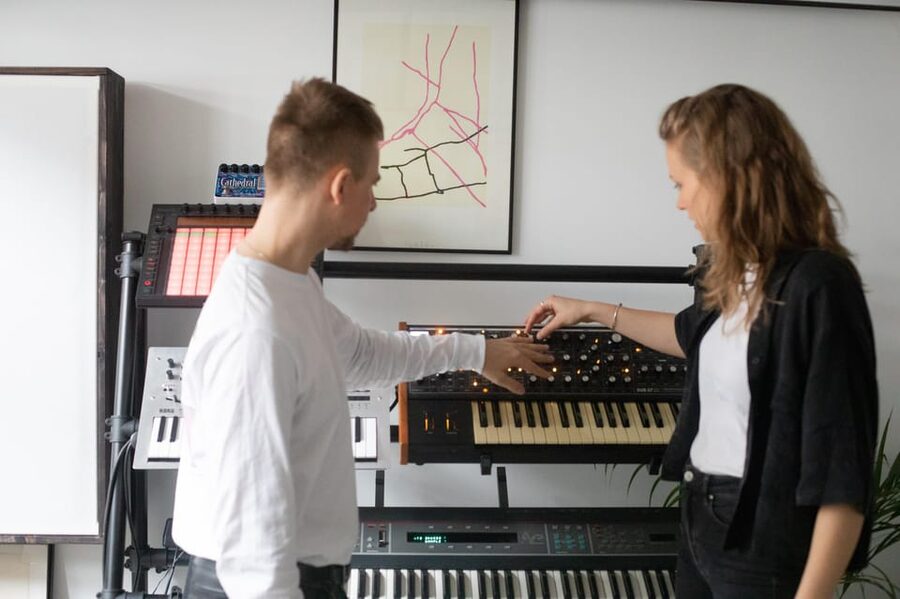
This is best for curious beginners who want to make a first track with expert help. You do not need prior music production experience, and the session gives you a friendly entry point without requiring you to buy software or equipment first.
It also suits musicians who already know the basics but want to improve their workflow. The emphasis on organization, grooves, structure, and production habits can be more useful to an intermediate participant than a simple button-by-button lesson.
The activity may work well for a family with an older child, since the minimum age is 10. Children under 10 cannot take part. Because the instruction is in English, participants should be comfortable following an English-language lesson.
You should skip it if you want a relaxed activity that requires little concentration. This is a working session, not background entertainment. You will get the most from it if you are ready to listen, experiment, and make decisions.
Practical advice before you go
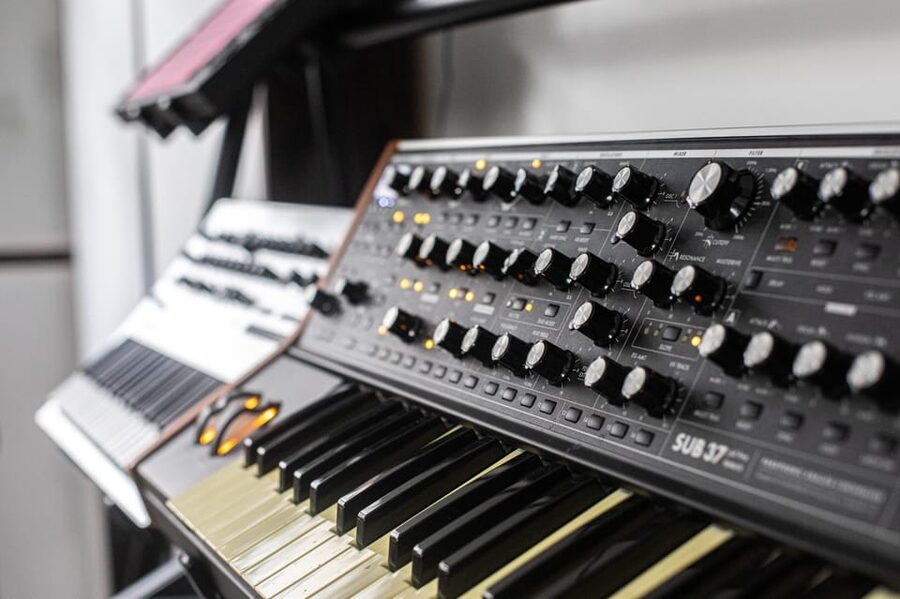
Arrive a few minutes early at the industrial building’s front door. Since transportation is not provided and the meeting point is not a conventional attraction entrance, allow enough time to find the building.
Wear something comfortable and come with a simple idea in mind. You might want to create a dark techno groove, a warmer house rhythm, or simply understand how a drum machine works. A small goal gives Andy a starting point and helps keep the session on track.
Do not worry about being a beginner. No previous production experience is required, and the teaching is designed to make the process approachable. At the same time, do not expect to learn every synthesizer, microphone, and software function in one visit.
If you already produce music, bring specific questions. Ask about arrangement, grooves, workflow, or preparing a mix for club play. The small group limit gives you a better chance to get useful answers than a large lecture would.
Should you book Produce Techno and House Music in Berlin?
Book it if you want to understand Berlin’s electronic music from the inside and create something with your own hands. Andy Sexton’s friendly instruction, the four-person limit, and the mix of modern and vintage equipment make this more personal than a standard music-themed outing.
The price is the main hurdle, and two hours is a short window. Still, the chance to build a track, learn a repeatable production process, and work in a professional studio gives the activity real value for aspiring producers and curious music fans.
If you are happy to spend $147 on an active creative lesson, this is a strong choice. If you only want to hear about Berlin’s nightlife, choose a less expensive cultural activity instead.
FAQ
How long does the music production session last?
The session lasts two hours.
Where does the experience take place?
It takes place in a professional music studio in the heart of Berlin’s clubbing district. The meeting point is the front door of a large industrial building with reddish-brown brick.
Is previous music production experience required?
No. The session is suitable for beginners with no prior music production experience.
What language is the session taught in?
The instructor teaches in English.
What will I learn during the class?
You will learn the basics of synthesizer and drum machine programming, record and arrange a house or techno track, and mix it down for preparation for club play.
How many people can join the group?
The group is limited to four participants.
Is the activity suitable for children?
Participants must be at least 10 years old. Children under 10 cannot take part.
Just added around Berlin
- Private Walking Tour in Berlin: Hitler’s Germany & WWII★ 5.0 · 7 reviews
- The History of Berlin: WWII PRIVATE Walking Tour With Locals★ 5.0 · 209 reviews
- Private Berlin WWII and Cold War History Tour with Local Expert Guide★ 5.0 · 28 reviews
- Private Walking Tour Berlin 3 hours: Brandenburg, Historic Center★ 5.0 · 7 reviews
- Berlin: Private Bike Tour of the Berlin Wall and Third Reich★ 5.0 · 23 reviews
- Berlin: Guided Private Bike Tour to Explore the Highlights★ 5.0 · 12 reviews
- Berlin Photography Masterclass – Private Photography Lesson★ 4.5 · 23 reviews
- Group Driving Tour 1 to 6 people. Berlin Shore Excursion incl pick-up at Port★ 5.0 · 8 reviews
Berlin Tours, compared.
Reichstag, Dome and Government District Guided Tour
Read our review →
1-Hour City Tour by Boat with Guaranteed Seating
Read our review →
Government District around the Reichstag Guided Tour
Read our review →
Reichstag, Plenary Chamber, Cupola & Government Tour
Read our review →