Reviewed · BERLIN TOURS
Queer Berlin Tour: Birthplace of LGBTQ+ Movements
Berlin’s boldest stories are often tucked behind ordinary façades. This three-hour walking tour traces queer pioneers, artists, and activists from Schöneberg’s cabaret years to the Cold War, with stops at the former Institute for Sexual Science and Christopher Isherwood’s old flat. I especially like the mix of major sights and less obvious addresses, plus the guides’ use of photos and music to give the stories some life.
I also like the small-group feel and the chance to hear Berlin’s past from guides with a personal connection to the city’s queer culture. Dan is praised for his lively storytelling and for sharing his experience as a gay man in Berlin, while Justin brings an American perspective that can make German history easier to place. The main drawback is practical: this is a long walking route, and the $153 price is high if you prefer a quick overview or do not plan to engage closely with the history.
In This Review
- Key points to know before you go
- Why queer Berlin makes such a strong walking tour
- Schöneberg and Nollendorfplatz: where the story begins
- Magnus Hirschfeld and the Institute for Sexual Science
- The Nazi era and the Memorial to Homosexuals Persecuted Under Nazism
- Christopher Isherwood, El Dorado, and Cabaret Berlin
- The Memorial to the First Homosexual Emancipation Movement
- Chez Romy Haag and the city’s postwar rebirth
- Unter den Linden: famous men and discreet lives
- Alexanderplatz and queer life behind the Iron Curtain
- How the guides shape the experience
- Walking demands, price, and practical value
- Who should book this Berlin tour?
- Should you book the Queer Berlin Tour?
- FAQ
- How long is the Queer Berlin Tour?
- What language is the tour offered in?
- Is this a walking tour?
- What is included in the price?
- Is public transportation included?
- Which parts of Berlin does the tour visit?
- Can I book a private or small-group tour?
- Can I cancel for a full refund?
Key points to know before you go
- Schöneberg is the heart of the tour: Explore the district once known as the world’s first gay ghetto, including sites linked to cabaret, nightlife, and Christopher Isherwood.
- Magnus Hirschfeld’s work anchors the story: Learn about the Institute for Sexual Science, early sexology, and the Nazi destruction of its library.
- The route reaches beyond queer nightlife: Stops include the Memorial to Homosexuals Persecuted Under Nazism, the Tiergarten, Unter den Linden, and Alexanderplatz.
- Music and images add context: Guide Dan is known for using a story-specific soundtrack and pictures during the walk.
- Expect a serious history lesson: The tour covers Nazi persecution, the Night of the Long Knives, and life behind the Iron Curtain.
- Plan for transit and stamina: Metro fare is not included, and you should raise mobility concerns before booking.
Why queer Berlin makes such a strong walking tour
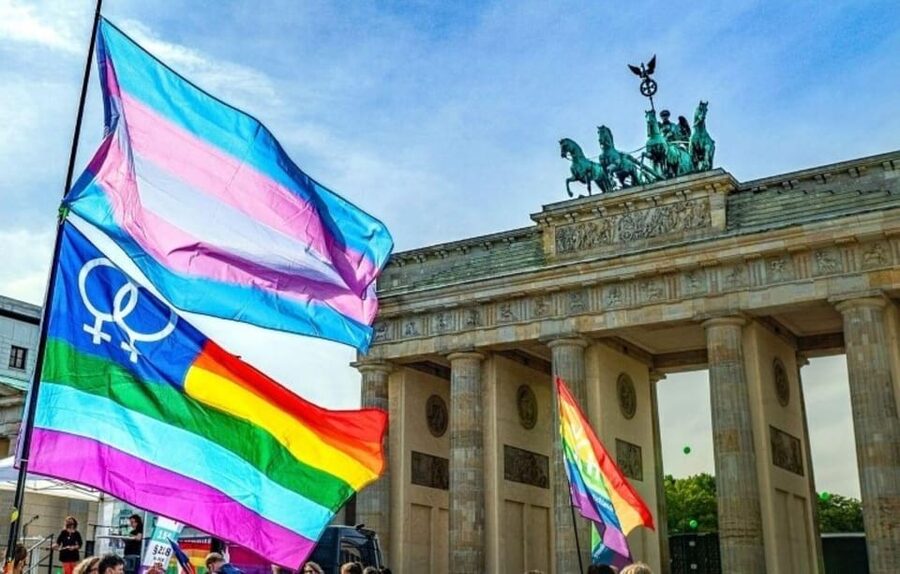
Berlin’s queer past is not confined to one museum or memorial. It runs through neighborhood streets, former clubs, grand boulevards, political monuments, and places that now look completely ordinary.
That makes this tour more useful than a simple list of famous names. You get a story about how a city can offer unusual freedom, become a center of artistic and political life, suffer violent repression, and then rebuild its queer culture after war and division.
The tour begins in or near Schöneberg, depending on the option you choose, then moves through central Berlin. The route includes Nollendorfplatz, the Memorial to Homosexuals Persecuted Under Nazism, Schöneberg, a stop listed as Real de Catorce, the Memorial to the First Homosexual Emancipation Movement, Unter den Linden, and Alexanderplatz.
That is a lot of ground for three hours. The reward is a wide view of Berlin’s queer story. The tradeoff is that you will not linger for long at every stop, and some of the experience takes place on regular city streets rather than inside preserved historic rooms.
A few more Berlin trips worth comparing
- Berlin: Reichstag, Dome and Government District Guided Tour
★ 4.7 · 18,288 reviews - Berlin: 1-Hour City Tour by Boat with Guaranteed Seating
★ 4.3 · 16,993 reviews - Berlin: Boat Tour Along the River Spree
★ 4.4 · 11,252 reviews
Schöneberg and Nollendorfplatz: where the story begins
Schöneberg is the tour’s strongest setting. In the Weimar era, the neighborhood became a major center for gay and lesbian life, with bars, cabarets, clubs, apartments, and meeting places that drew artists, workers, politicians, and outsiders.
Calling it the world’s first gay ghetto gives you a quick sense of its importance, but the phrase needs care. This was not a forced ghetto. It refers to a district where queer people gathered in visible numbers and built a social world of their own.
Nollendorfplatz is a useful starting point because it puts you near the old nightlife district. From here, your guide can connect street corners and buildings to the people who once moved through them. The appeal is not grand architecture. It is the way a normal-looking neighborhood becomes legible through stories.
You will hear about legendary lesbian bars as well as gay clubs. That balance matters, since Berlin’s queer history was never only a story of men in cabarets. The tour also touches on the wider culture of performers, writers, scientists, activists, and people who simply wanted a place to live openly.
Magnus Hirschfeld and the Institute for Sexual Science
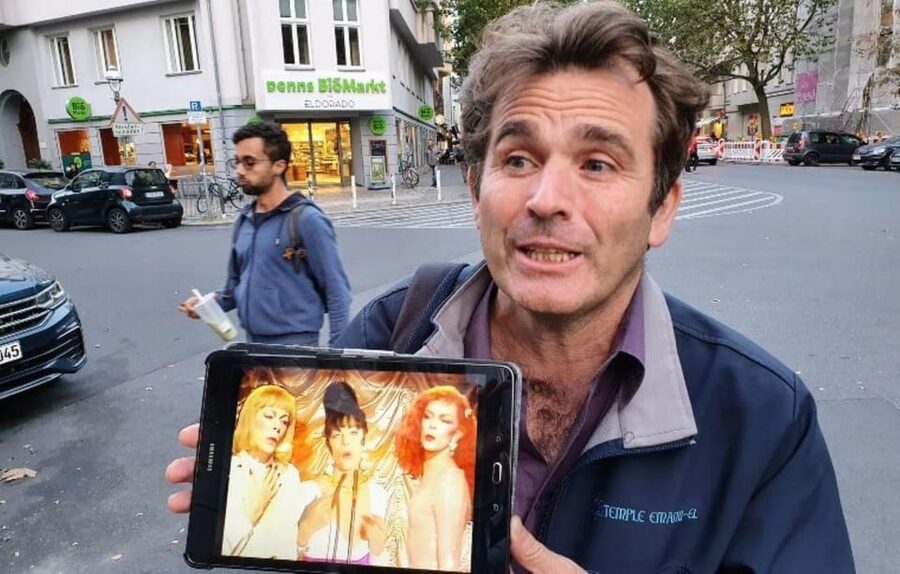
One of the most important chapters concerns Magnus Hirschfeld, the physician and sexologist who founded the Institute for Sexual Science in Berlin. The tour explains his role in early gay-rights work and his research into sex, gender, and sexuality.
Hirschfeld coined the term transsexualism and helped push public discussion into territory that was far ahead of its time. He also co-authored Anders als die Andern, or Different from the Others, in 1919. The film is widely described as the first pro-gay film in the world, and its inclusion gives you a sense of how Berlin’s cultural and political experiments crossed paths.
The institute’s fate is painful. The Nazis closed it in 1933, and its library was burned. A stop connected with the institute therefore does more than honor one man. It shows how quickly research, advocacy, and public acceptance can be attacked when an authoritarian government decides that certain lives should disappear.
I find this part especially valuable because it links the tour’s lighter cabaret stories to a harder political reality. Berlin’s queer freedom was not a smooth march forward. It was fragile, contested, and nearly erased.
The Nazi era and the Memorial to Homosexuals Persecuted Under Nazism

The Memorial to Homosexuals Persecuted Under Nazism gives the tour a quiet place to address state violence. You will learn about the persecution of gay men under the Nazi regime and the wider suffering imposed on LGBTQ people.
The material is difficult, but it belongs in any honest account of Berlin’s queer past. The tour also discusses Ernst Röhm, the openly gay head of the Sturmabteilung, the Nazi Brown Shirts. Röhm’s position shows that Nazi Germany contained contradictions, but his execution during the 1934 Night of the Long Knives also shows how quickly political power and personal survival could collide.
This is not a stop to rush through with a camera. Give yourself a moment to listen. The guide’s job here is not simply to provide dates, but to show how persecution affected real communities and how public memory has changed.
The tour’s treatment of this period is one reason it suits people who want more than nightlife anecdotes. You get the joy of cabaret and club culture, but you also confront the system that destroyed much of it.
Still Berlin, at a slower pace:
- Discover Berlin Half-Day Walking Tour
★ 5.0 · 9,624 reviews - Berlin: Hop-on Hop-off Bus Tour with Live Commentary
★ 4.3 · 8,579 reviews - Berlin: Government District around the Reichstag Guided Tour
★ 4.7 · 8,447 reviews - Berlin: Reichstag, Plenary Chamber, Cupola & Government Tour
★ 4.6 · 8,422 reviews
Christopher Isherwood, El Dorado, and Cabaret Berlin
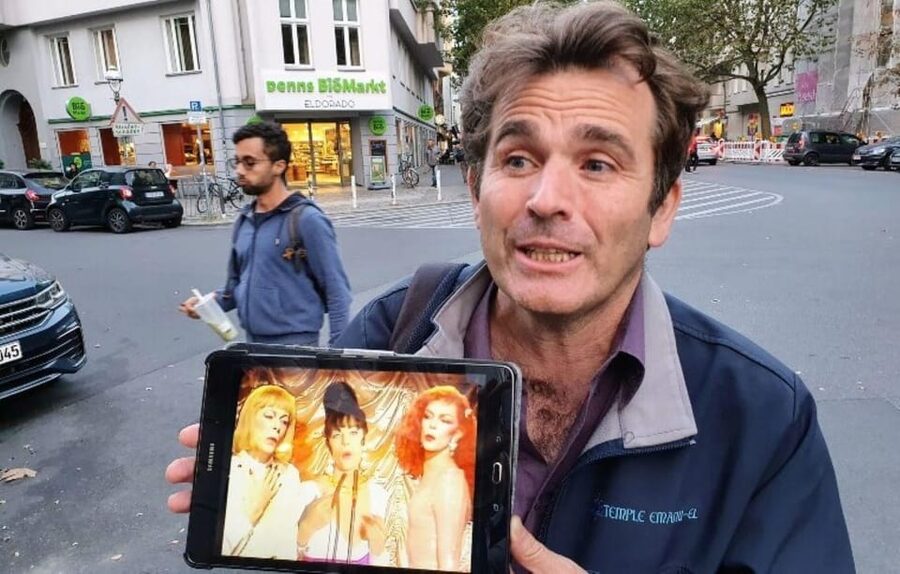
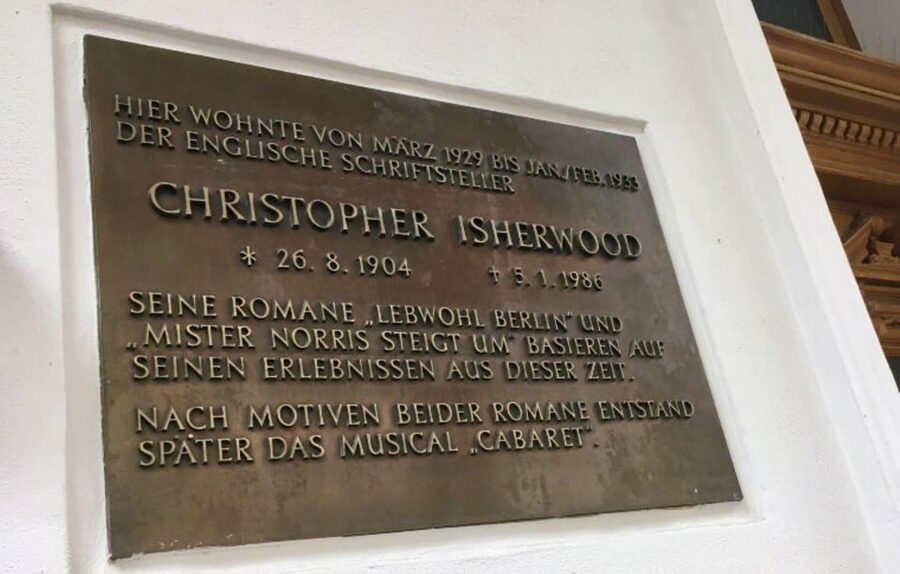
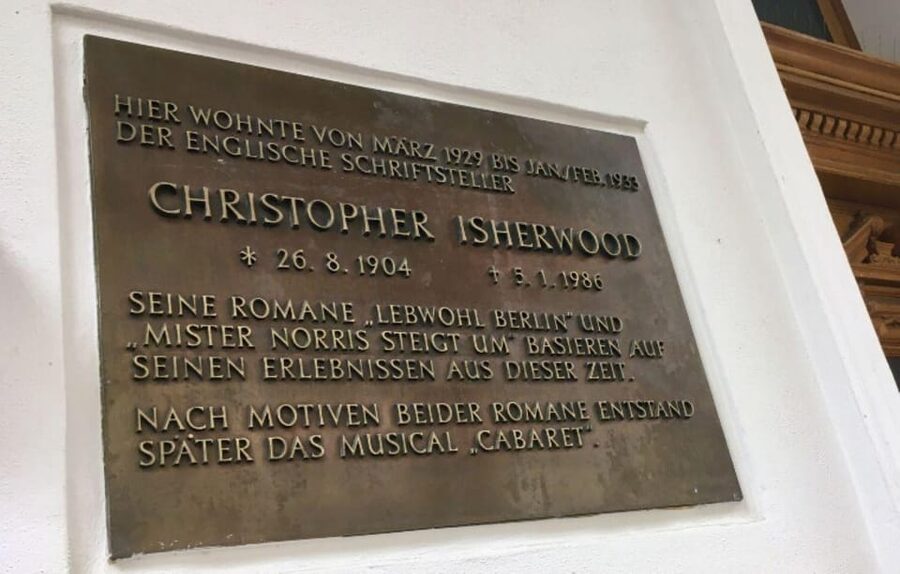
Back in Schöneberg, the mood shifts toward writers, performers, and nightlife. You will see Christopher Isherwood’s former flat and learn how his experiences in Weimar-era Berlin inspired Cabaret.
That connection is useful, but the guide puts the musical in a larger setting. Isherwood did not invent a fantasy city from nothing. His work drew on a Berlin of rented rooms, nightclubs, sexual experimentation, economic tension, and political danger.
The route also passes former nightclubs and the site of the El Dorado Cabaret, where Marlene Dietrich performed. The club’s regulars included figures from Berlin’s artistic and political worlds, including Röhm.
One particularly unusual detail is the rent-boy dive that remains gay-run to this day. The information provided does not promise entry, so think of this as a street-level stop and a story, not a bar visit. That distinction matters. You are seeing places connected to queer life, not signing up for a nightclub crawl.
A listed stop called Real de Catorce is also part of the route. Since the supplied details do not explain exactly what you will see there, ask your guide at the start how it fits into the day’s story. That small question can help you understand the route and avoid expecting a specific attraction that may not be the focus.
The Memorial to the First Homosexual Emancipation Movement
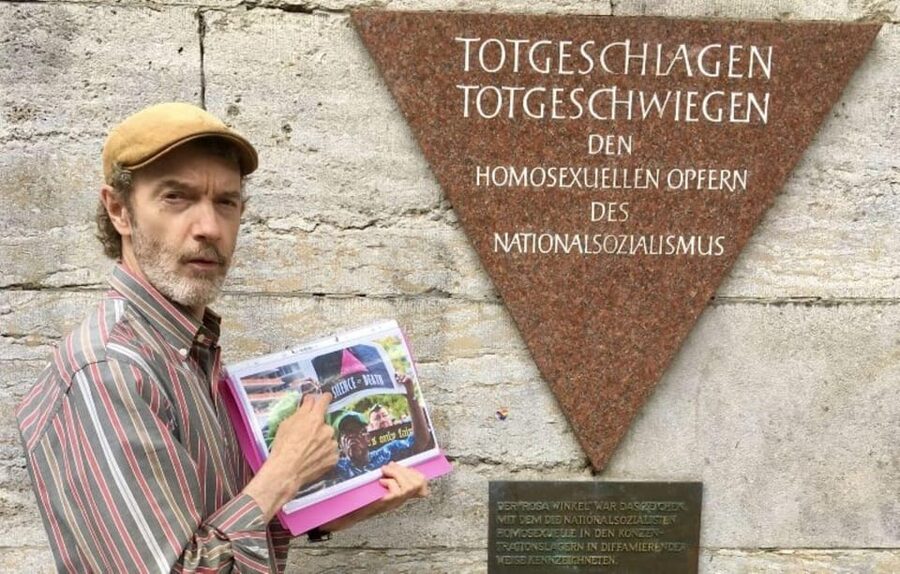
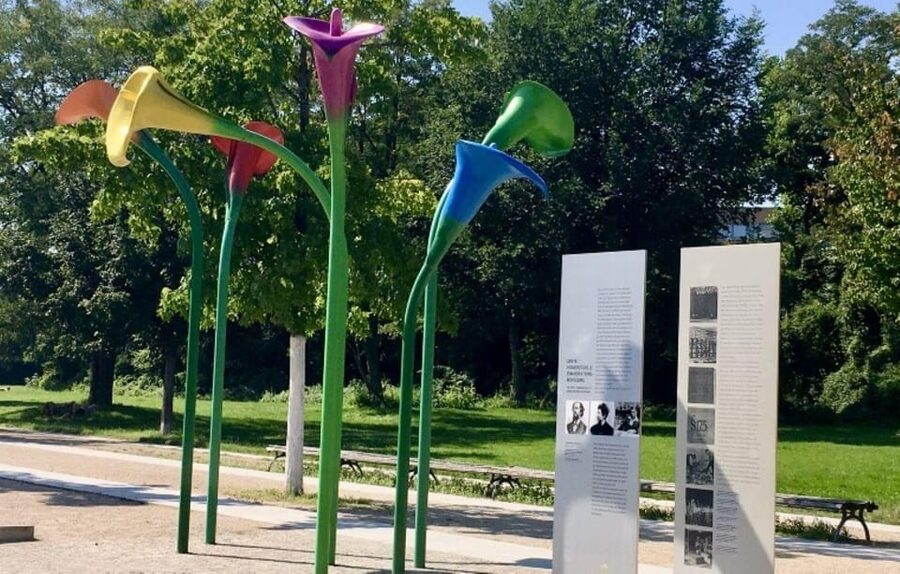
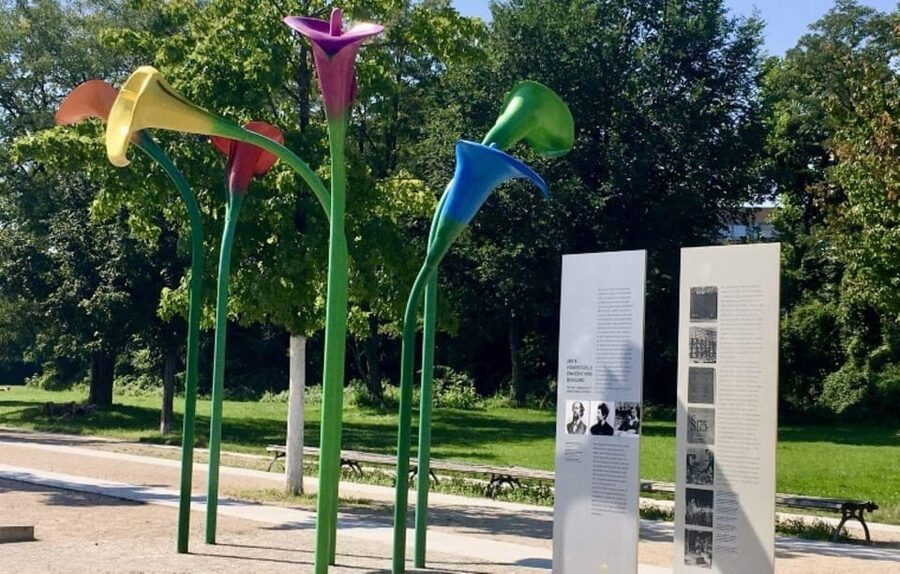
The colorful Memorial to the First Homosexual Emancipation Movement is another central stop. Here, the guide discusses the Institute for Sexual Science and Hirschfeld’s broader campaign for gay rights.
The monument gives the subject a visual focus, but the meaning is larger than the object itself. It points to the fact that Berlin’s queer activism began long before the modern language of LGBTQ rights became common.
This is also where the tour can connect scientists, activists, and artists. Hirschfeld’s work did not sit in a separate academic box. It affected public debate, film, medical research, and the everyday lives of people who needed legal and social recognition.
The stop is especially helpful if you are unfamiliar with early European gay-rights movements. You will leave with names and events to look up later, rather than only a general impression that Berlin was once progressive.
Chez Romy Haag and the city’s postwar rebirth
The story does not end in 1933, and it does not jump straight to present-day Berlin. The tour covers the postwar rebuilding of Schöneberg as the city’s gay heart, including the club Chez Romy Haag.
Romy Haag was a transgender actress, singer, and dancer. Her club became one of the best-known nightlife addresses of 1970s Berlin. The tour also tells the story of her relationship with David Bowie, a connection tied to Bowie’s song Heroes.
This portion adds a different kind of energy. The Weimar era is often the best-known chapter of queer Berlin, thanks to Cabaret. The 1970s section reminds you that queer nightlife and performance continued to change after the war, even as the city remained divided.
You may pass former club sites that no longer operate as they once did. That can feel anticlimactic if you expect preserved interiors, but it is also part of the point. Berlin changes quickly. The guide helps you read the traces that remain.
Unter den Linden: famous men and discreet lives
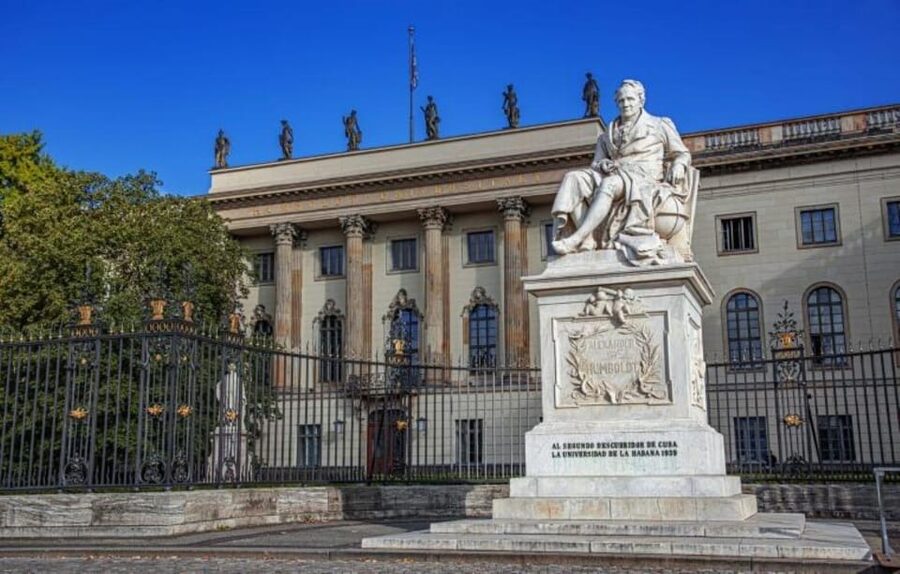
The route then reaches Unter den Linden, one of Berlin’s grand historic boulevards. Here, the tour widens its lens to early gay Berliners such as Frederick the Great, the Prussian king, and Alexander von Humboldt, the explorer and naturalist.
The focus is on how prominent men disguised or managed their sexuality. This is a useful reminder that queer history is not limited to people who could live openly. Some figures left letters, rumors, relationships, or patterns of behavior that require careful interpretation.
I like this stop because it puts queer stories into the official center of Berlin. You are not being led only through a side district. You are also hearing how sexuality intersected with monarchy, science, exploration, and public reputation.
At the same time, historical sexuality can be complicated. Modern labels do not always map neatly onto the lives of people from earlier centuries. A good guide should explain the evidence and its limits, rather than present every interpretation as certain.
Alexanderplatz and queer life behind the Iron Curtain
The final major stop is Alexanderplatz, the symbolic center of Cold War East Berlin. Here, you hear about the difficulties faced by gay men and lesbians behind the Iron Curtain.
This part gives the tour a political reach that many neighborhood walks lack. Berlin was not one city during the Cold War, and queer life was shaped by the different systems on each side of the Wall.
The details provided do not promise a museum visit or an indoor exhibit at Alexanderplatz. Expect a guided account connected to the place itself. That works well for visitors who like history explained in context, but it may feel too brief if you want an extended study of East German LGBTQ life.
By the end, you have moved from early emancipation efforts to Nazi persecution, postwar nightlife, transgender performance, Cold War restrictions, and today’s Queer Berlin. The route finishes in Berlin, with a second drop-off location listed as Impala Coffeeshop.
How the guides shape the experience
The guide makes a major difference here. Dan is described as lively, funny, and personal, and he uses pictures and a story-specific soundtrack. That can make a three-hour history walk feel less like a lecture and more like a guided conversation through the city.
Dan also came to Berlin before the Wall fell, so he can speak about the city across a major political divide. His own perspective as a gay man in Berlin adds a personal layer, though you should remember that one guide’s experience is not the whole story of queer Berlin.
Justin brings a different strength. He was born and raised in the United States, and his comparisons with familiar American history can help you place German events in context. A small group made his tour feel more intimate, with more room for questions.
One useful tip is to introduce yourself and ask about the route at the beginning. A personal introduction can help a small group settle in, especially when the tour deals with intimate and painful subjects. Guides can also clarify the less obvious itinerary points, including Real de Catorce and the final drop-off.
Tours are offered in German and English. Private or small-group options are available, so check the exact format before paying. The smaller the group, the easier it should be to ask about family stories, terminology, specific clubs, or the meaning of a monument.
Walking demands, price, and practical value
The price is $153 per person for three hours. That is not cheap for a walking tour, especially since metro fare is extra and the route covers several parts of Berlin.
I would judge the price by the guide and group size rather than by the number of stops. If you want a polished, personal account with music, photos, and a strong focus on queer history, the cost can make sense. It is less attractive if you are simply looking for a general orientation walk or a few photo opportunities.
The route is entirely walking-based, so wear comfortable shoes and plan for steady movement between neighborhoods. Contact the provider before booking if you have mobility concerns. The tour information specifically asks people with access needs to get in touch, which is sensible given the distance and changing city streets.
Metro fare is not included. Depending on the selected start and finish, you may need public transport to connect with the route, so keep a small transit budget aside.
You can cancel up to 24 hours in advance for a full refund, and reserve now while paying later. Those policies help if your Berlin schedule is still shifting, but they do not change the need to plan for the walking time.
Who should book this Berlin tour?
I would choose this tour if you want queer history placed inside the wider story of Berlin. It is a strong fit for visitors interested in social movements, cabaret, film, gender history, Nazi Germany, Cold War politics, and the personal lives behind famous names.
It also suits repeat visitors. If you have already seen the Brandenburg Gate, Reichstag, and Museum Island, this walk gives you another way to read the city. You still reach major areas such as Unter den Linden and Alexanderplatz, but the guiding theme changes what you notice.
You may want a different experience if you need a short, relaxed stroll, dislike difficult historical subjects, or expect to enter every former club and historic site. This is not mainly a nightlife outing. It is an outdoor history lesson with nightlife as one important part of the story.
Should you book the Queer Berlin Tour?
Book it if you want specific people, places, and turning points, not a broad speech about Berlin being liberal. The strongest elements are Schöneberg, Hirschfeld’s institute, Isherwood’s apartment, the El Dorado site, Chez Romy Haag, and the personal storytelling associated with Dan and Justin.
At $153, I would reserve it for a day when you can give the subject your full attention. Choose a small group if possible, bring comfortable shoes, budget for metro fare, and ask about the exact start point and route before setting out.
For anyone seeking an honest, personal account of how queer Berlin grew, suffered, adapted, and returned, this is a worthwhile choice.
FAQ
How long is the Queer Berlin Tour?
The tour lasts three hours.
What language is the tour offered in?
The live guide can lead the tour in German or English.
Is this a walking tour?
Yes. The experience is a guided walking tour, and you should contact the provider in advance with any mobility concerns.
What is included in the price?
The price includes the three-hour guided walk, stories about Berlin’s LGBTQ history and culture, and visits to key sites connected with queer pioneers, activists, artists, and nightlife.
Is public transportation included?
No. Metro fare is not included.
Which parts of Berlin does the tour visit?
The route includes Nollendorfplatz, Schöneberg, the Memorial to Homosexuals Persecuted Under Nazism, the Memorial to the First Homosexual Emancipation Movement, Unter den Linden, and Alexanderplatz. A stop listed as Real de Catorce is also included.
Can I book a private or small-group tour?
Yes. Private and small-group options are available.
Can I cancel for a full refund?
You can cancel up to 24 hours in advance for a full refund.
Just added around Berlin
- Private Walking Tour in Berlin: Hitler’s Germany & WWII★ 5.0 · 7 reviews
- The History of Berlin: WWII PRIVATE Walking Tour With Locals★ 5.0 · 209 reviews
- Private Berlin WWII and Cold War History Tour with Local Expert Guide★ 5.0 · 28 reviews
- Private Walking Tour Berlin 3 hours: Brandenburg, Historic Center★ 5.0 · 7 reviews
- Berlin: Private Bike Tour of the Berlin Wall and Third Reich★ 5.0 · 23 reviews
- Berlin: Guided Private Bike Tour to Explore the Highlights★ 5.0 · 12 reviews
- Berlin Photography Masterclass – Private Photography Lesson★ 4.5 · 23 reviews
- Group Driving Tour 1 to 6 people. Berlin Shore Excursion incl pick-up at Port★ 5.0 · 8 reviews
Berlin Tours, compared.
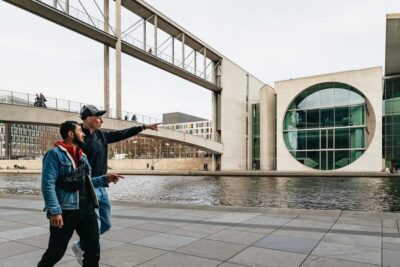
Reichstag, Dome and Government District Guided Tour
Read our review →
1-Hour City Tour by Boat with Guaranteed Seating
Read our review →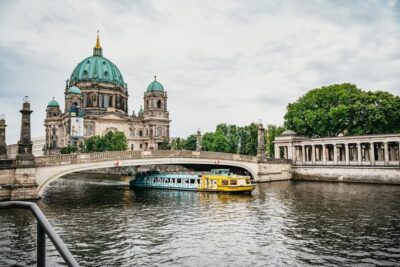
Government District around the Reichstag Guided Tour
Read our review →
Reichstag, Plenary Chamber, Cupola & Government Tour
Read our review →