
Reviewed · WINE TOURS
Reil, Mosel: Guided organic wine tasting and cellar tour
Good wine starts in the vineyard. This two-hour visit to Weingut Arns gives you a clear look at organic winegrowing, from the vines above Reil to the modern cellar at Kringstraße 36. I especially like the chance to meet the winegrowers and taste four or five handcrafted wines, including still whites, reds, and traditionally made sparkling wine. The main consideration is that this is a focused family-winery visit, not a grand estate tour with a long list of wines or a full meal.
I also like how the experience connects wine with soil, biodiversity, and sustainable farming. Alexander Arns leads the visit with warmth and plenty of detail, and he switches between English and German for mixed-language groups. If you want a personal introduction to Mosel wine rather than a quick tasting at a bar, this is a strong choice.
In This Review
- Key Points at a Glance
- Why This Small Winery Visit Works So Well
- Starting at Kringstraße 36 in Reil
- Among the Organic Vines for One Hour
- Inside the Modern Cellar at Weingut Arns
- Tasting Four or Five Organic Wines
- The Personal Touch From Alexander and His Family
- Price, Timing, and Overall Value
- Who Should Book This Reil Wine Tour?
- Final Verdict: Is Weingut Arns Worth Your Time?
- FAQ
- Where does the organic wine tour begin?
- How long does the experience last?
- What is included in the price?
- Which languages are available?
- What types of wine will I taste?
- Is the tour wheelchair accessible?
- Can I cancel for a full refund?
- Can I reserve now and pay later?
Key Points at a Glance
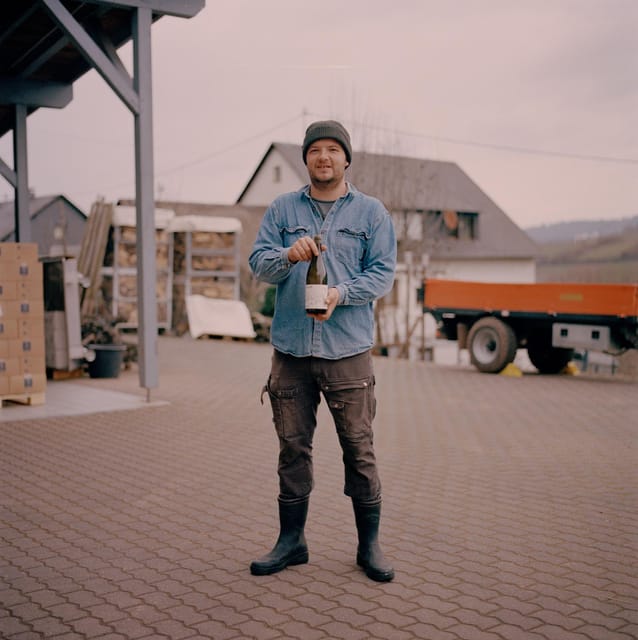
- You meet the winemaker’s family: Alexander and his family welcome you into their working winery, giving the visit a personal feel.
- Organic farming is the main subject: You learn how biodiversity, soil, and sustainable methods affect the vines and the wine.
- The view is part of the experience: The guided vineyard walk gives you a chance to see the Mosel wine country from among the vines.
- The tasting covers more than white wine: Expect four or five organic wines, with still whites, reds, and traditional-method sparkling wine.
- The visit lasts two hours: One hour is set aside for the vineyard tour and one hour for the cellar and tasting.
- The price offers solid value: At $29 per person, you get the tour, tasting, bread, and water, with no need to build separate activities into your day.
Why This Small Winery Visit Works So Well
Many Mosel wine stops focus almost entirely on the glass in front of you. Weingut Arns takes a different route. The wine matters, but you first get a practical explanation of how it begins in the soil and among the vines.
I like this order. Once you hear about organic farming and see the vineyard, the tasting has more meaning. You are not simply asked to decide which wine tastes best. You can start asking why a wine has a certain character, how soil affects quality, and what sustainable winegrowing actually involves.
The family connection also changes the mood. Alexander is not presented as a distant host delivering a polished speech. He answers questions at length and explains the work with clear affection. One German visitor praised the care taken in explaining organic wine production, while another noted that the winemaker explained and showed everything in a very approachable way.
That personal contact is the heart of the tour. You get a sense of how much daily effort goes into a bottle, without turning the visit into a lecture. The tone is friendly, patient, and hands-on.
More wine tastings in Germany:
- Trier: Guided City Walk with Wine Tasting
★ 4.8 · 979 reviews - Hamburg: Harbor Cruise with Wine and Cheese
★ 4.7 · 795 reviews - Trier: Discovery Tour – Germany’s Oldest Wine Cellar
★ 4.7 · 218 reviews
Starting at Kringstraße 36 in Reil
The meeting point is Weingut Arns, marked by a blue flag, at Kringstraße 36 in Reil. This is both the starting point and the place where you finish, which keeps the logistics simple.
The whole experience takes about two hours. That makes it easy to fit into a day exploring the Mosel valley, especially if you want a meaningful activity without giving up an entire afternoon. Check the available starting times when booking, since the exact departure time can vary.
You should plan to arrive ready for an outdoor walk first. The vineyard portion lasts about an hour, followed by the winery visit and tasting. The supplied information does not specify the walking distance or the type of path, so I would avoid assuming it is a strenuous hike or a fully level route. The tour is listed as wheelchair accessible, but if you need details about vineyard surfaces or access during the outdoor section, ask the winery before you go.
English and German are available. Mixed groups are handled well, with Alexander switching between both languages so people can follow along. That is especially useful if you are traveling with friends or family who prefer different languages.
Among the Organic Vines for One Hour
The vineyard tour is where the experience gets its wider purpose. You see the vines, then discuss the questions that shape organic winegrowing: What does biodiversity have to do with wine? How does soil affect the final bottle? Can a winery grow grapes in a more sustainable way?
These are not abstract subjects here. The point is to connect farming choices with what you can later taste. Organic winegrowing is more than a label on the bottle. It involves the health of the ground, the plants around the vines, and the long-term condition of the vineyard.
I appreciate that the tour does not treat sustainability as a marketing slogan. The questions are practical. You learn how the winery views biological diversity and how soil conditions can influence grape quality. The explanations are aimed at ordinary wine drinkers, so you do not need a technical background to take part.
The setting helps, too. The view over the vineyard was one of the details that made a strong impression on one English-speaking visitor. You get a chance to pause among the vines and look across the Mosel wine country rather than spending the entire visit indoors.
This hour will suit you best if you like knowing how food and drink are made. If your only goal is to taste as many wines as possible, the vineyard section may feel slow. For me, that is a fair trade. The walk gives the tasting a story and helps you understand why the winery works as it does.
Inside the Modern Cellar at Weingut Arns
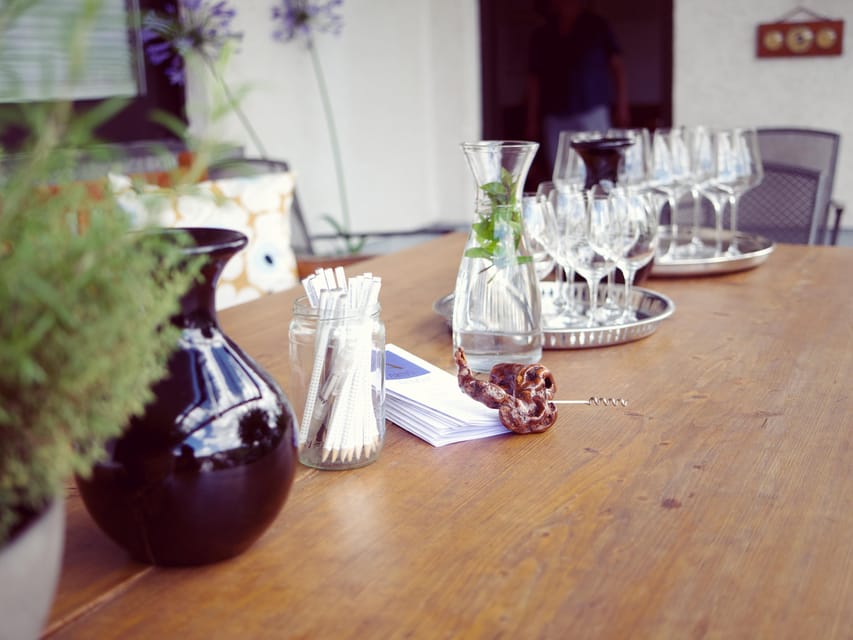
After the vineyard, you return to the winery for a look at the modern cellar. This part shows how traditional knowledge and current wine production work side by side.
The tour specifically presents the family winery through both traditional and modern methods. That balance is useful because organic farming does not mean turning back the clock on every part of production. You see a working operation that respects established winegrowing practices while using a modern cellar.
The available details do not provide a full equipment list or a step-by-step account of every production stage, so you should not expect a technical winery masterclass. Instead, the cellar visit gives you context for the wines you are about to taste.
The family presence remains important here. You are not just looking at stainless steel tanks or cellar equipment without explanation. Alexander talks through the work, responds to questions, and gives you a sense of the care behind the bottles.
One of the most praised parts of the visit is his enthusiasm for the profession. That enthusiasm seems to come through without making the tour feel forced. If you enjoy meeting the people behind a local product, this is where the visit earns its $29 price.
More Food and Drink Tours in Germany:
- Cologne: Brewery Tour with 3 Kölsch Beer Tastings
★ 4.7 · 3,108 reviews - Hamburg: St. Pauli Highlights Guided Tour with Beer for 18+
★ 4.7 · 2,353 reviews - Hamburg: Elbphilharmonie Plaza and HafenCity Food Tour
★ 4.7 · 1,711 reviews - Bavarian Beer and Food Evening Tour in Munich
★ 4.5 · 1,575 reviews
Tasting Four or Five Organic Wines
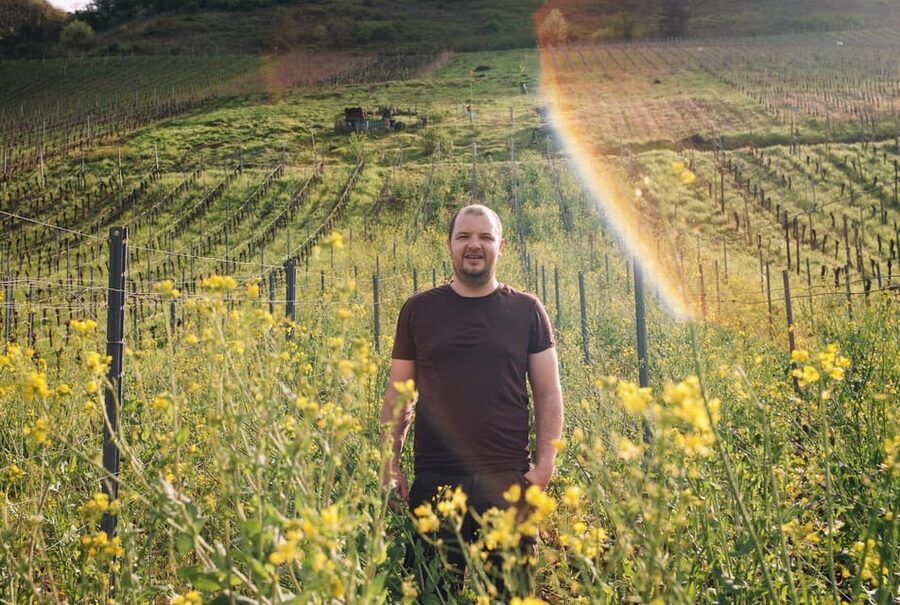
The tasting lasts about an hour and includes four or five different organic wines. You receive bread and water as well, which is a small but welcome touch during a tasting of several wines.
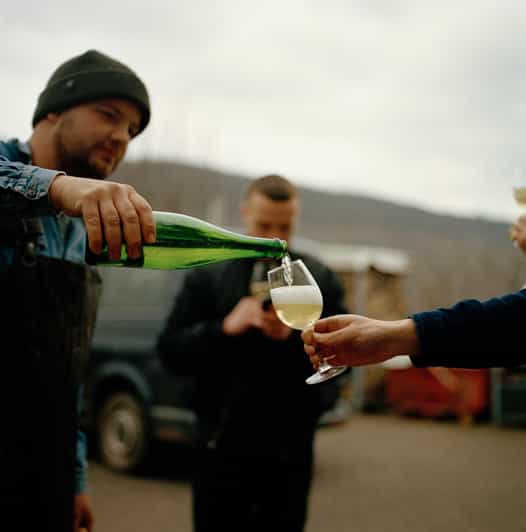
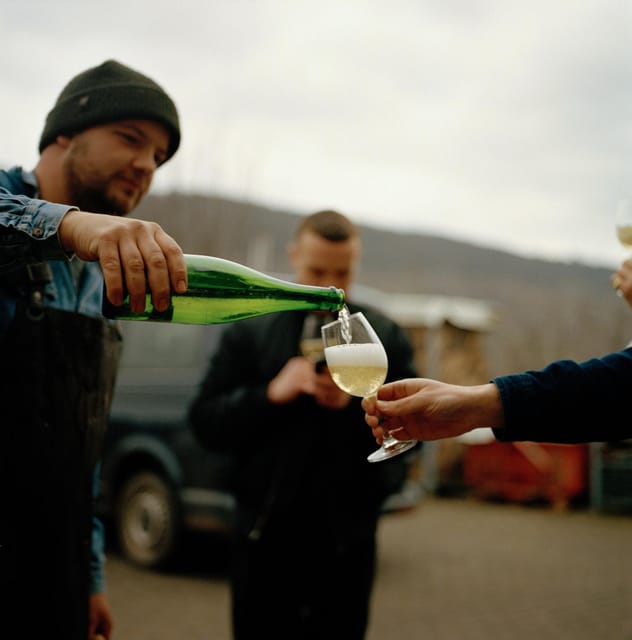
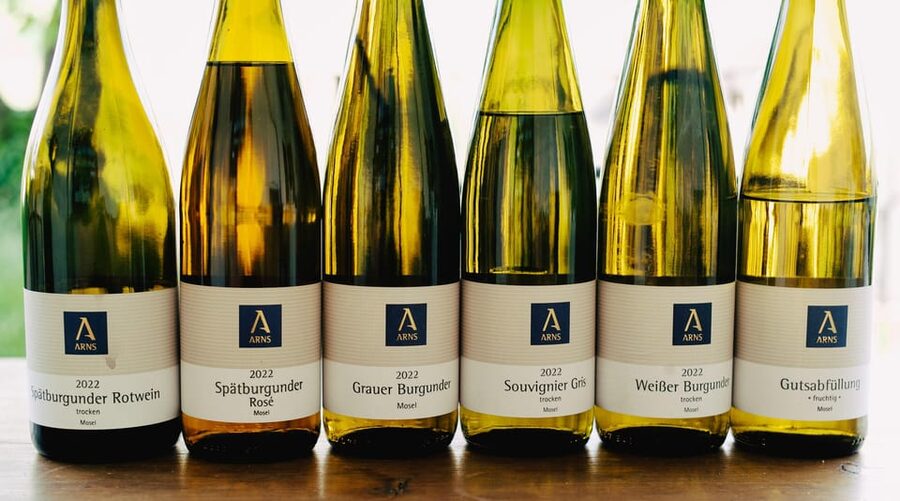
The selection includes still white wines, red wines, and sparkling wine made by the traditional method. That range makes the tasting more interesting than a flight built around only one style. The Mosel is often associated with white wine, so having red and sparkling examples gives you a broader picture of what this winery produces.
I would think of the tasting as a guided introduction rather than a competition to sample every bottle. Alexander explains the wines and gives you room to ask questions. That open format matters because it lets you focus on what you actually enjoy.
You may prefer crisp whites, find the reds more appealing, or discover that the traditional-method sparkling wine is the surprise of the hour. The tasting gives you enough variety to compare styles without overwhelming you.
Bread and water help keep the tasting comfortable, but this is not a lunch. If you arrive hungry, eat beforehand. The supplied information does not include a larger food pairing or a meal, so you should plan your day accordingly.
Several people enjoyed the wines enough to take bottles home. That is a useful sign if you are looking for a winery where the tasting can lead to a purchase you will actually enjoy later. Still, you should buy only what suits your taste and luggage plans. A tasting is most useful when you let your own palate make the decision.
The Personal Touch From Alexander and His Family
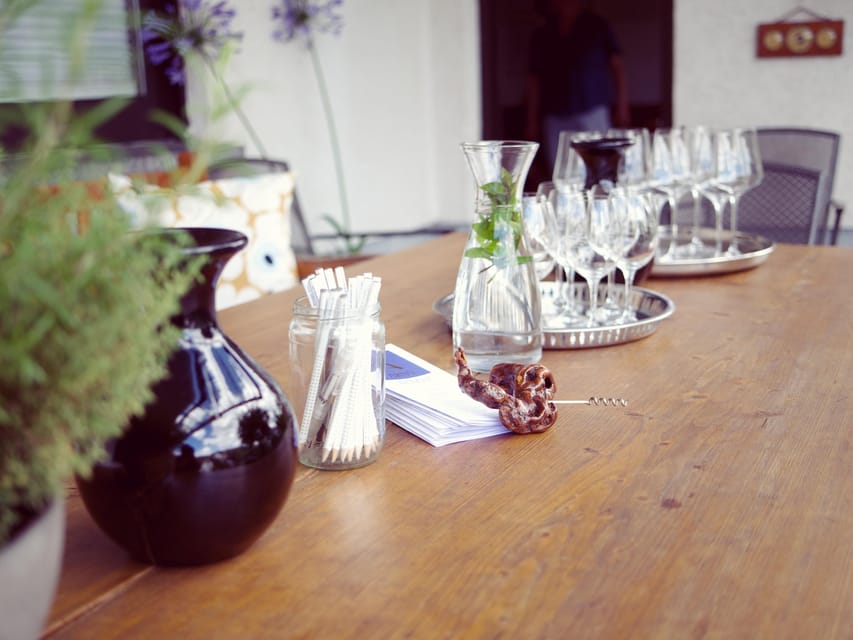
The strongest feature here is the people. Alexander leads the visit with a mix of clear explanation and genuine enthusiasm. Questions receive full answers rather than a quick response designed to move the group along.
That matters in a small family winery. You get a direct link between the vineyard, the cellar, and the person pouring the wine. The family’s welcome was described as warm and likeable, and the tone of the experience appears to be relaxed rather than formal.
I would choose this tour if you enjoy conversation. You can ask about organic methods, soil, sustainability, grape growing, and the wines in your glass. If you prefer a highly scripted tour with strict timing and little discussion, this may feel more informal than you want.
The bilingual guiding is another strength. Alexander can move between English and German, helping mixed groups stay involved. You do not need to worry that a language difference will leave someone sitting quietly through the explanations.
The visit also works well for couples, families, and small groups who want a local contact. It is not simply a tasting room transaction. You get a face, a family, and a working place behind the bottle.
Price, Timing, and Overall Value
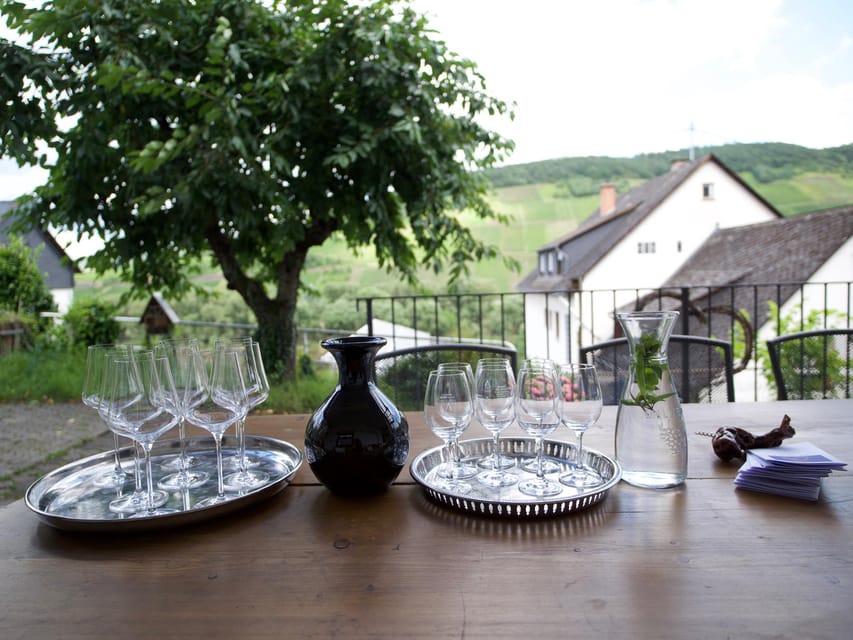
At $29 per person, the experience is reasonably priced for two hours of guided activity. You receive a vineyard tour, a cellar tour, four or five organic wines, bread, and water. The price also includes access to the winemaker’s explanations, which is the part that makes this more valuable than an ordinary tasting flight.
You are paying for time and context, not just wine. A short tasting without a tour may cost less, but it would not answer the same questions about organic farming, biodiversity, soil, and sustainable production.
The two-hour length is another advantage. It is long enough to feel substantial, but short enough to leave room for a meal, a village visit, or more sightseeing in the Mosel valley. I would call it a good fit for a half-day plan rather than the main event of an entire day.
Free cancellation up to 24 hours before the visit and the option to reserve now and pay later make planning easier. These are useful details if your Mosel schedule is still shifting.
The tour is wheelchair accessible, though you may want to confirm how the vineyard section works for your specific needs. The meeting point is clear, and the route returns you to Kringstraße 36, so you do not need to arrange separate transport between the vineyard and winery.
Who Should Book This Reil Wine Tour?
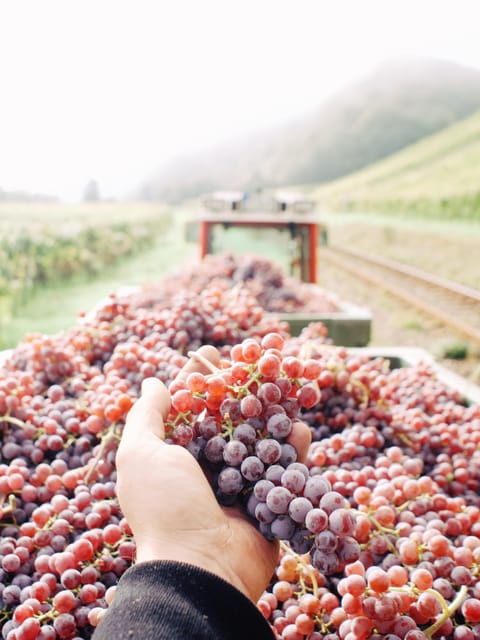
I would recommend it most strongly to you if you fit one or more of these descriptions:
- You want to understand organic winegrowing rather than only taste wine.
- You enjoy meeting the people who produce local food and drink.
- You want a bilingual English and German experience.
- You are curious about Mosel wines beyond standard white varieties.
- You have about two hours and want a compact activity with real substance.
- You prefer a family winery to a large commercial operation.
It is also a good choice if you are traveling with a dog. One visitor specifically reported that bringing a dog was not a problem, although I would still confirm the current arrangement with the winery before arriving.
You might choose another activity if you want a large wine estate, a full meal, a long cellar route, or an advanced technical seminar. The available information does not promise any of those. This visit is personal, focused, and rooted in the family’s organic approach.
Final Verdict: Is Weingut Arns Worth Your Time?
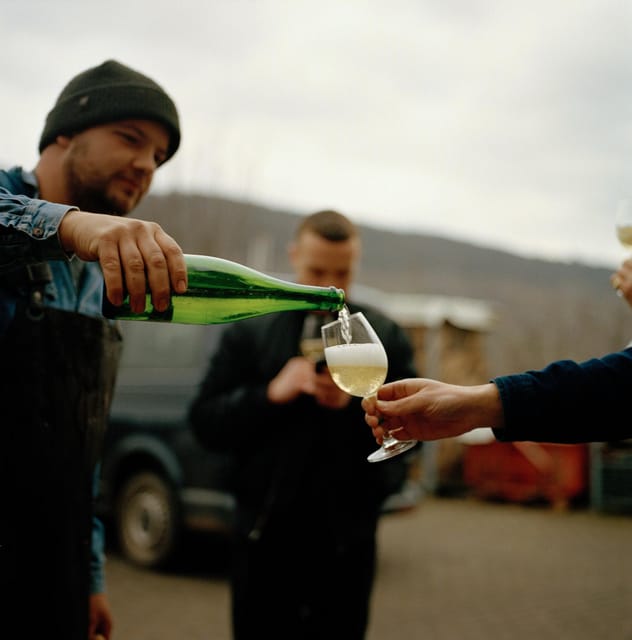
Yes, I would book this tour if you want a friendly and useful introduction to organic Mosel wine. The combination of vineyard walk, modern cellar, four or five wines, and direct contact with Alexander and his family gives you much more than a quick pour at a tasting counter.
The best reason to go is the connection between the farm and the glass. You learn why biodiversity and soil matter, see the vines, hear how the winery works, and then taste the results. At $29, that is fair value for two well-used hours.
Book it especially if you like asking questions and want a personal experience in Reil. Skip it only if your priority is a grand estate, a full meal, or a high-volume tasting with many more wines. For an approachable family winery visit with organic farming at its center, Weingut Arns is an easy recommendation.
FAQ
Where does the organic wine tour begin?
The tour begins at Weingut Arns, Kringstraße 36 in Reil. The meeting point is marked by a blue flag.
How long does the experience last?
The experience lasts two hours. About one hour is devoted to the guided vineyard tour, followed by about one hour in the winery for the tasting.
What is included in the price?
The $29 price includes the vineyard and cellar tours, four to five different organic wines, bread, and water.
Which languages are available?
The live tour is available in English and German. The guide can switch between both languages for a mixed-language group.
What types of wine will I taste?
The tasting can include still white wines, red wines, and sparkling wine made by the traditional method.
Is the tour wheelchair accessible?
Yes, the activity is listed as wheelchair accessible. You may wish to confirm the specific conditions of the vineyard portion before booking.
Can I cancel for a full refund?
Yes. You can cancel up to 24 hours in advance for a full refund.
Can I reserve now and pay later?
Yes. You can reserve your place and pay later, which lets you keep your travel plans flexible.
Just added around Germany
- Private Walking Tour in Berlin: Hitler’s Germany & WWII★ 5.0 · 7 reviews
- The History of Berlin: WWII PRIVATE Walking Tour With Locals★ 5.0 · 209 reviews
- Private Berlin WWII and Cold War History Tour with Local Expert Guide★ 5.0 · 28 reviews
- Private Walking Tour Berlin 3 hours: Brandenburg, Historic Center★ 5.0 · 7 reviews
- Berlin: Private Bike Tour of the Berlin Wall and Third Reich★ 5.0 · 23 reviews
- Berlin: Guided Private Bike Tour to Explore the Highlights★ 5.0 · 12 reviews
- Berlin Photography Masterclass – Private Photography Lesson★ 4.5 · 23 reviews
- Group Driving Tour 1 to 6 people. Berlin Shore Excursion incl pick-up at Port★ 5.0 · 8 reviews
Wine Tours, compared.


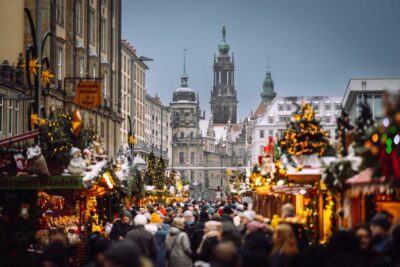
Advent Tour with Stollen Tasting and Mulled Wine
Read our review →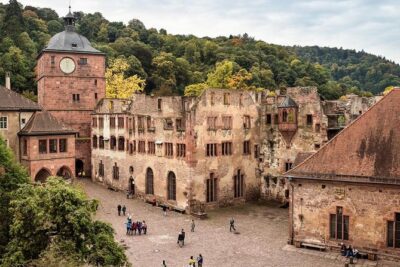
Heidelberg and Rhine Valley Day Trip With Wine Tasting and Dinner from Frankfurt
Read our review →
Browse the lists this tour appears in