
Reviewed · WALKING TOURS
Berlin: Hidden gems around the Gendarmenmarkt – Guided walking tour
Berlin keeps its best stories just off the main path. This two-hour walk around Gendarmenmarkt looks beyond the square’s famous facades, linking grand buildings with writers, performers, bankers, fashion makers, and the dramatic events of 1989. I like the way the tour treats the area as a living part of Berlin rather than a postcard backdrop. I also like its compact size, with no more than 15 people, which should make it easier to follow the guide and ask questions.
The tour also brings in personalities such as E.T.A. Hoffmann, Josephine Baker, Marlene Dietrich, Claire Waldoff, and the Mendelssohn family. That human focus gives the walk a warm, memorable quality, and the excellent 4.7 rating from 14 reviews reflects that appeal. One German-language review praised guide Susanne for weaving people, places, and centuries together, even in rainy weather.
The main consideration is language. The live tour is offered in German, so you will need a solid understanding of the language to catch the historical detail and humor. The route is wheelchair accessible, but it is not listed as suitable for people with visual or hearing impairments.
In This Review
- Key points at a glance
- Why Gendarmenmarkt deserves two hours
- Meeting the three faces of Gendarmenmarkt
- From royal square to changing city
- The personalities behind the facades
- A powerful stop tied to 1989
- Hausvogteiplatz and Berlin’s fashion story
- Jägerstraße, finance, and the Mendelssohns
- Group size, pace, and the German-language format
- Who will get the most from this walk?
- Should you book the Gendarmenmarkt tour?
- FAQ
- Where does the tour begin?
- Where does the tour end?
- How long does the tour last?
- What language is the tour in?
- How large is the group?
- What buildings are covered at Gendarmenmarkt?
- Does the tour cover Berlin’s fashion history?
- Does the tour discuss the events of 1989?
- Is the tour wheelchair accessible?
- Can I cancel the tour for a full refund?
Key points at a glance
- Gendarmenmarkt’s three landmarks: Study the German Cathedral, French Cathedral, and Konzerthaus as parts of one carefully planned urban setting.
- A direct link to 1989: Visit the place where freedom of travel was proclaimed during a turning point in German history.
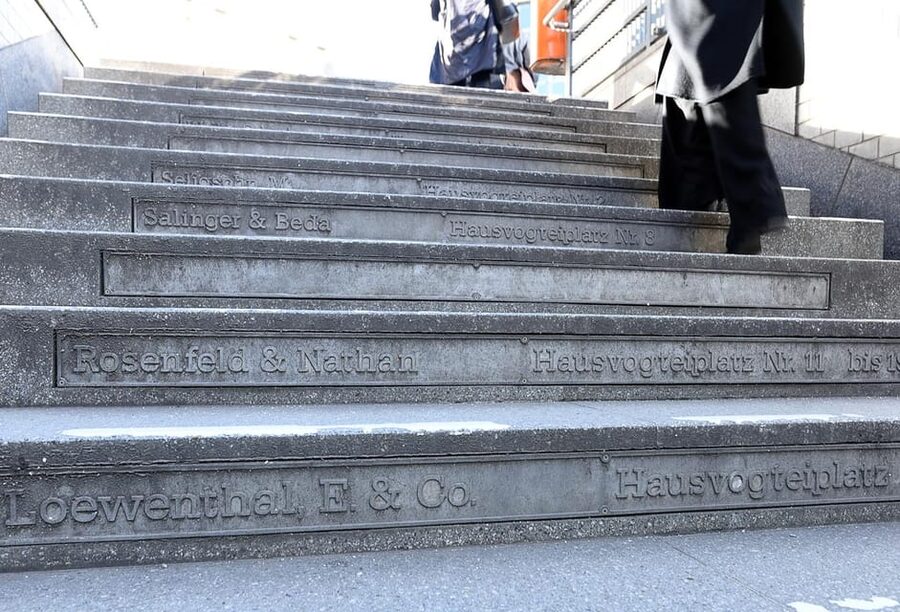
- Berlin’s forgotten fashion quarter: Learn how Hausvogteiplatz helped make Berlin a center of clothing and style.
- Stories beyond royal architecture: Meet figures including Josephine Baker, Marlene Dietrich, E.T.A. Hoffmann, and the Mendelssohn family.
- Small, focused group: The tour accepts up to 15 people, a useful size for a central Berlin walking tour.
- German-language experience: The walk is designed for people comfortable listening to a live guide in German.
Why Gendarmenmarkt deserves two hours
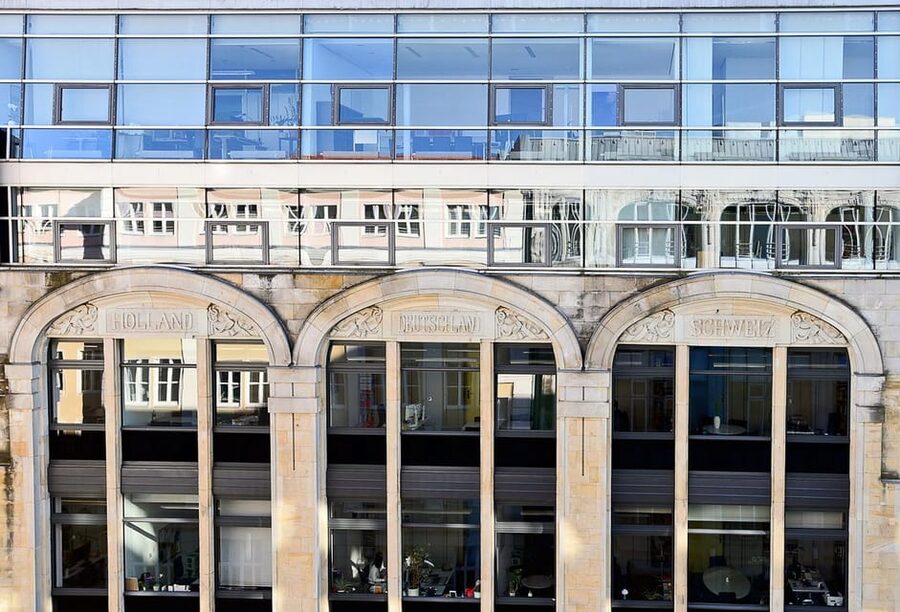
Many people see Gendarmenmarkt, take a few photographs, and move on. That is a shame. The square is one of Berlin’s most polished urban spaces, but its real interest comes from the changes that took place around it.
This tour asks you to look in several directions at once. The buildings tell one story through architecture. The surrounding streets add stories about religion, commerce, finance, fashion, culture, and political change. You are not simply admiring a beautiful square. You are tracing how Berlin developed around it.
The walk also helps explain why the area has been a major construction site since 2023. That detail matters because it changes what you may see on the day. The square’s appearance and access can be affected by ongoing work, so keep your expectations practical. The tour is still built around the place and its past, but some views may not look exactly like a finished postcard.
At $20 per person, the price is reasonable for two hours with a live guide in a small group. You are paying for interpretation, not an entry ticket to a major museum or monument. If you already know Berlin well, the value comes from the lesser-known connections and named personalities. If this is your first visit, the tour gives you a useful base for exploring Berlin-Mitte on your own afterward.
More Walking Tours in Berlin
- Discover Berlin Half-Day Walking Tour
★ 5.0 · 9,624 reviews - Berlin: Third Reich and Cold War 2 Hour Walking Tour
★ 4.9 · 6,830 reviews - Berlin: Discover Berlin Walking Tour
★ 4.9 · 5,998 reviews
Meeting the three faces of Gendarmenmarkt
The tour begins at Gendarmenmarkt, opposite Französische Straße 44. This is a practical meeting point because the square itself is the main subject of the walk, and you will not spend the opening minutes searching for a distant departure point.
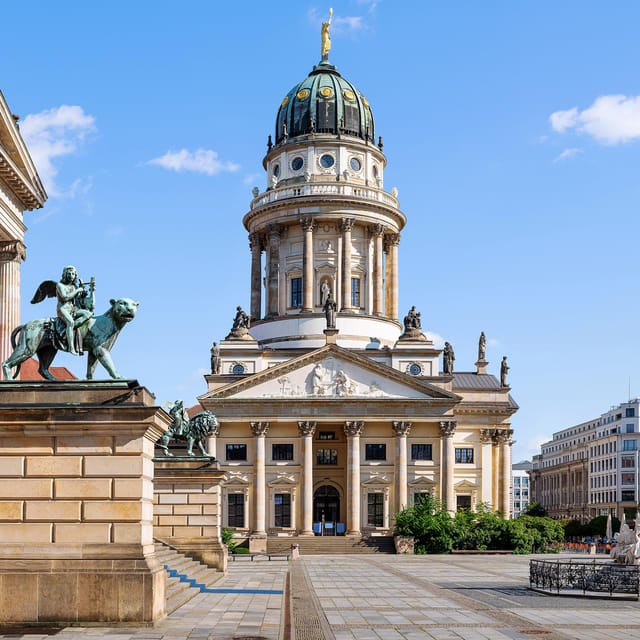
The first focus is the trio of landmark buildings: the German Cathedral, the French Cathedral, and the Konzerthaus. Their arrangement gives Gendarmenmarkt its famous balance, with the two cathedral buildings framing the concert hall.
The guide draws attention to their architectural features and their place in Berlin’s civic life. That is more useful than simply hearing dates. You begin to see how the buildings relate to one another and why the square has earned its reputation as one of Berlin’s most beautiful.
The German Cathedral and French Cathedral also point to the religious and political forces that shaped Berlin. The tour promises surprising facts along with the better-known story, which should appeal if you have already seen photographs or read a basic guidebook account.
The Konzerthaus adds another layer. Its presence makes the square more than a religious or royal setting. Music, public events, and cultural life are part of the area’s identity, and the building helps explain why Gendarmenmarkt still feels like a place made for public attention.
Do not expect a long interior visit to each building. This is a walking tour centered on exterior architecture, urban history, and nearby streets. If you want detailed access inside the cathedral buildings or concert hall, you will need separate plans.
From royal square to changing city
Gendarmenmarkt’s appeal is not only its beauty. It has passed through several periods of change, and the tour uses those changes to explain Berlin’s development.
You will hear about past glories as well as difficult and eventful times. That balance is important. Berlin’s central buildings can look calm and permanent, but the city around them has repeatedly been altered by politics, war, culture, and rebuilding.
The guide also explores why the square has been undergoing major construction since 2023. For you, this is a reminder that famous places are not frozen in time. A walking tour can help you understand what is changing now, not just what happened centuries ago.
This section is likely to suit you if you prefer context to a rapid list of dates. The advertised focus is on stories and connections, so the experience should feel more like a guided conversation through the district than a formal lecture.
The personalities behind the facades
One of the tour’s strongest features is its use of people as a way into the past. Buildings can blur together after a few hours in a historic city. Names and personal stories are easier to remember.
E.T.A. Hoffmann brings literature and music into the walk. His connection gives the square a more imaginative side, far removed from the official image of grand facades and ceremonial spaces.
Josephine Baker and Marlene Dietrich add international performance and modern celebrity. Their inclusion widens the story beyond Berlin’s buildings and political events. You get a sense of the city as a place where performers, artists, and public figures helped shape popular culture.
Claire Waldoff represents another side of that cultural life. As a cabaret star, she connects the district with Berlin’s sharp, lively performance tradition. The tour does not treat culture as decoration. It shows how people associated with entertainment and public life helped define the city’s character.
The Mendelssohn family appears again in the story of Jägerstraße, linking culture, finance, and intellectual life. These connections are useful because they prevent the walk from becoming a collection of unrelated biographies. The people belong to the streets you are seeing.
Still Berlin, at a slower pace:
- Berlin: Reichstag, Dome and Government District Guided Tour
★ 4.7 · 18,288 reviews - Berlin: 1-Hour City Tour by Boat with Guaranteed Seating
★ 4.3 · 16,993 reviews - Berlin: Boat Tour Along the River Spree
★ 4.4 · 11,252 reviews - Berlin: Hop-on Hop-off Bus Tour with Live Commentary
★ 4.3 · 8,579 reviews
A powerful stop tied to 1989
The visit to the place where freedom of travel was proclaimed in 1989 gives the tour its clearest political moment. This was a turning point in German history, and the stop puts a major national event into a specific urban setting.
For you, the value is physical scale. Historical events can feel abstract when they are reduced to textbook pages. Standing at the place connected with that announcement gives the moment a location you can remember.
The tour promises a sense of the atmosphere surrounding this event. Do not expect a full seminar on the fall of the Berlin Wall. Instead, this stop appears designed to connect the broader political change with the streets of Berlin-Mitte.
It also adds needed contrast to the elegant architecture of Gendarmenmarkt. The square and its surroundings were not only settings for religion, music, fashion, and banking. They were also tied to a dramatic change in everyday freedom.
Hausvogteiplatz and Berlin’s fashion story
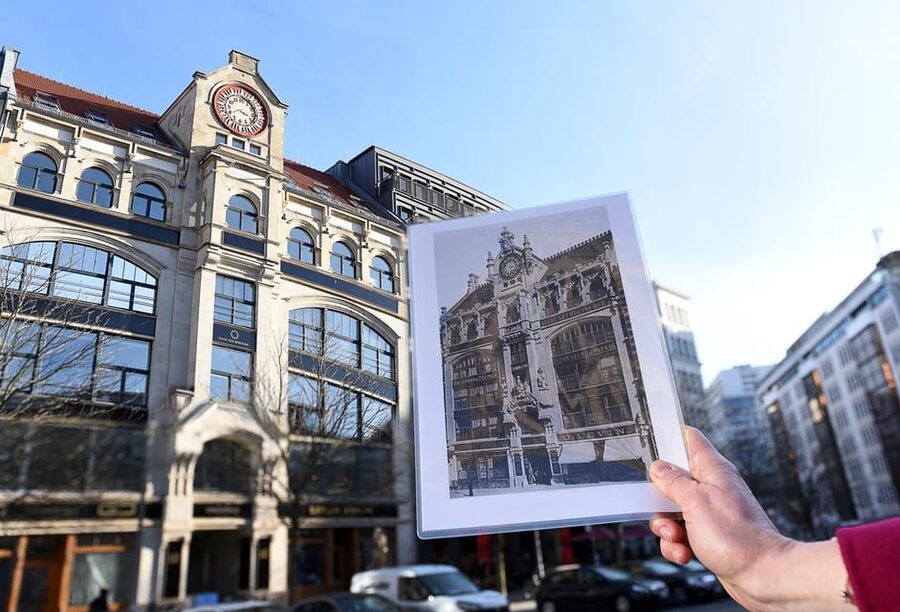
A short distance from Gendarmenmarkt, Hausvogteiplatz once formed the center of Berlin’s fashion industry. This is one of the tour’s most distinctive subjects because it is easy to miss when you focus only on major monuments.
The guide explains how Berlin developed into a fashion metropolis and points to the creative people who shaped that world. The subject gives you a different picture of Berlin-Mitte, one based on design, clothing, business, and changing social tastes.
Hausvogteiplatz is especially valuable for repeat visitors. You may have already covered Berlin’s major political sights, but the city’s fashion history is less likely to appear in a standard first-time route.
The tour does not promise a shopping experience or visits to fashion collections. Its strength is historical interpretation. You learn why the area mattered and how its role fitted into Berlin’s larger growth.
Jägerstraße, finance, and the Mendelssohns
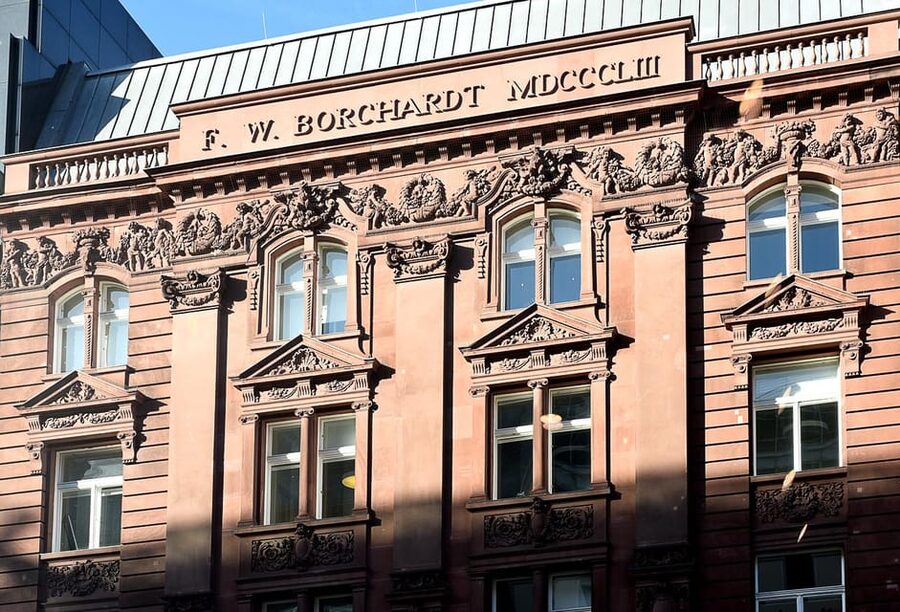
Jägerstraße takes the tour into Berlin’s financial and intellectual past. The street was once home to the influential Mendelssohn Bank, making it an important part of the city’s business world.
But the walk does not stop at banking. Jägerstraße also connects to figures such as Alexander von Humboldt, Rahel Varnhagen van Ense, and Moses Mendelssohn. Their presence gives the street a strong intellectual dimension.
This combination is one of the tour’s most appealing ideas. Money, scholarship, philosophy, and cultural life did not exist in separate boxes. They met in the same city and often around the same influential families and circles.
For you, Jägerstraße may be the place where the tour’s theme becomes clearest. Berlin developed through many overlapping worlds. A bank could sit near a meeting place for thinkers, while nearby streets supported fashion and performance.
The Mendelssohn connection also helps tie the itinerary together. The family is not simply added as a famous name. It links the economic and cultural stories of the district.
Group size, pace, and the German-language format
The group is limited to 15 people. That is a good ceiling for a city walk in a central square. You should be able to stay close to the guide without the tour feeling like a private visit.
Two hours is long enough to cover the square and nearby streets without turning the outing into an exhausting half-day commitment. It also leaves room for your own plans in Berlin-Mitte afterward.
The live language is German. This is the single biggest factor in deciding if the tour suits you. If you understand German well, the format may offer a more natural connection to the guide and the local setting. If you do not, the historical names and links will be difficult to follow.
The experience is wheelchair accessible, which makes the walk more practical for many visitors with mobility needs. The stated limitations for people with visual or hearing impairments are important, so check those details honestly before booking.
Wear comfortable shoes and allow enough time to reach the meeting point. The walk ends back where it begins, which makes it easier to continue sightseeing or return to your accommodation.
Who will get the most from this walk?
I would recommend this tour to you if you like Berlin’s lesser-known cultural and social stories as much as its famous monuments. It is also a good choice if you enjoy walking through a neighborhood and asking how its buildings, streets, and people fit together.
It suits repeat visitors particularly well. You may have photographed Gendarmenmarkt already, but the stories about Hausvogteiplatz, Jägerstraße, Berlin fashion, and the 1989 travel announcement give you fresh reasons to return.
First-time visitors can benefit too, especially if you want a calm introduction to Berlin-Mitte rather than a broad city tour that races from landmark to landmark.
The tour is less suitable if you want museum interiors, a multilingual guide, or a tour focused mainly on Berlin’s best-known political sites. It is also not the right choice if you are uncomfortable listening to two hours of German.
Should you book the Gendarmenmarkt tour?
Book it if you want a small-group, German-language walk that turns a familiar square into a wider story about Berlin. The $20 price is fair for a focused two-hour experience, and the combination of architecture, fashion, culture, finance, and 1989 gives the route more range than its short distance suggests.
I would be especially inclined to book if Susanne is leading your departure. Her warm, clear style was praised in a five-star account, with special appreciation for the way she connected people and places across centuries.
Skip it if you need an English tour or prefer a detailed interior visit. For everyone else, this is a smart way to see Gendarmenmarkt with more context, and perhaps notice streets you would otherwise walk past.
FAQ
Where does the tour begin?
It begins at Gendarmenmarkt, opposite the building at Französische Straße 44.
Where does the tour end?
The activity ends back at the meeting point.
How long does the tour last?
The walking tour lasts two hours.
What language is the tour in?
The live tour guide speaks German. German is the only listed tour language.
How large is the group?
The guided walk is offered in a small group of no more than 15 people.
What buildings are covered at Gendarmenmarkt?
The tour discusses the German Cathedral, the French Cathedral, and the Konzerthaus.
Does the tour cover Berlin’s fashion history?
Yes. It visits Hausvogteiplatz and explains how Berlin developed into a fashion metropolis.
Does the tour discuss the events of 1989?
Yes. It visits the place where freedom of travel was proclaimed in 1989.
Is the tour wheelchair accessible?
Yes, the activity is listed as wheelchair accessible.
Can I cancel the tour for a full refund?
Yes. You can cancel up to 24 hours in advance for a full refund. You can also reserve now and pay later, keeping your plans flexible.
Just added around Berlin
- Private Walking Tour in Berlin: Hitler’s Germany & WWII★ 5.0 · 7 reviews
- The History of Berlin: WWII PRIVATE Walking Tour With Locals★ 5.0 · 209 reviews
- Private Berlin WWII and Cold War History Tour with Local Expert Guide★ 5.0 · 28 reviews
- Private Walking Tour Berlin 3 hours: Brandenburg, Historic Center★ 5.0 · 7 reviews
- Berlin: Private Bike Tour of the Berlin Wall and Third Reich★ 5.0 · 23 reviews
- Berlin: Guided Private Bike Tour to Explore the Highlights★ 5.0 · 12 reviews
- Berlin Photography Masterclass – Private Photography Lesson★ 4.5 · 23 reviews
- Group Driving Tour 1 to 6 people. Berlin Shore Excursion incl pick-up at Port★ 5.0 · 8 reviews
Walking Tours, compared.
Old Town & Viktualienmarkt City Walk in German
Read our review →Browse the lists this tour appears in