
Reviewed · COLD WAR TOURS
Berlin: Third Reich and Cold War 2 Hour Walking Tour
Berlin’s past is under your feet. This two-hour walk links Nazi-era sites, Cold War landmarks, and the Berlin Wall in a clear route that helps you understand how one city became the center of Europe’s darkest chapters and greatest political tensions. I like the way the tour connects famous sights to specific events, and I like its manageable length and modest $23 price.
The guides are the real strength. Hannah, Jimmy, Steve, Ru, Scott, Marie, Peter, Mikhail, and several others have earned praise for clear storytelling, good pacing, humor, and thoughtful answers. The main drawback is that two hours is tight for such a serious subject, so you should expect a brisk outdoor overview rather than long museum visits or a complete study of Berlin’s history.
In This Review
- Key points to know before you book
- Why this short walk works in Berlin
- Starting at Brandenburg Gate
- The Reichstag and the fire of 1933
- Soviet tanks at the Tiergarten memorial
- The Holocaust Memorial and the cost of Nazi rule
- Hitler’s Bunker site and the final days of the Third Reich
- Detlev-Rohwedder-Haus and the birth of East Germany
- Topography of Terror and the machinery of repression
- A 200-meter stretch of the Berlin Wall
- Checkpoint Charlie and the Cold War finale
- The guides make or break the experience
- Is $23 a fair price?
- Who should book this walk?
- Should you book the Berlin Third Reich and Cold War tour?
- FAQ
- How long does the walking tour last?
- How far do you walk?
- Where does the tour start?
- How do I reach Brandenburg Gate by public transport?
- Where does the tour finish?
- Which languages are available?
- Is the tour wheelchair accessible?
- Does the tour run in bad weather?
- Can I cancel the booking?
Key points to know before you book
- A compact 2-kilometer route: You walk from Brandenburg Gate through central Berlin to Checkpoint Charlie, with several major stops along the way.
- Two eras in one tour: The route explains both the Third Reich and the Cold War, showing how the city’s political scars overlap.
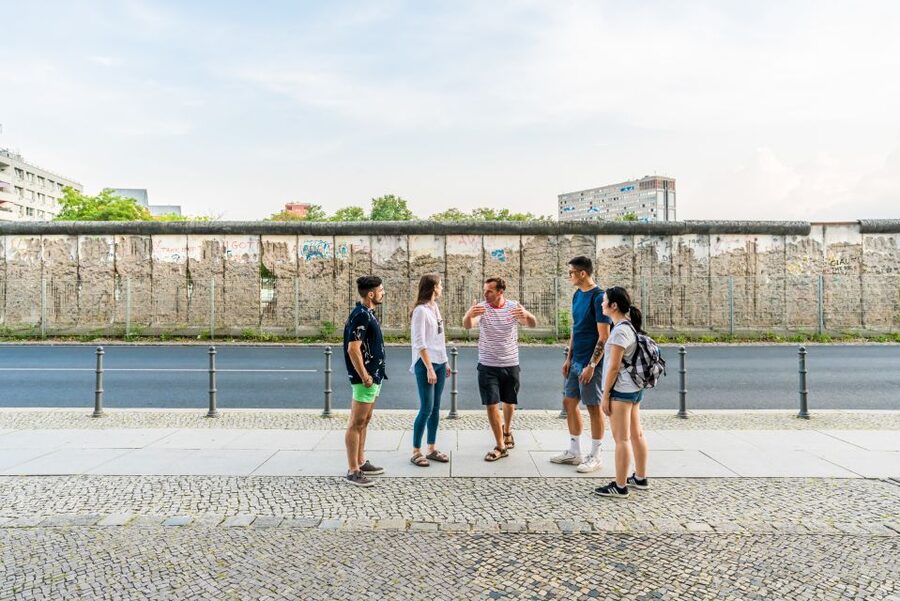
- A real section of the Wall: You see and walk beside a preserved 200-meter stretch, with stories of escape attempts and division.
- Powerful historical sites: The route includes the Reichstag, Soviet War Memorial, Holocaust Memorial, Hitler’s Bunker site, and the former SS and Gestapo headquarters.
- Strong guide-led storytelling: Past guides such as Jimmy, Marie, Scott, and Mikhail are praised for clear delivery, humor, energy, and answers to questions.
- Simple logistics: Meet by the tourist information point at Brandenburg Gate, look for the pink umbrella, and wear comfortable shoes in all weather.
Why this short walk works in Berlin

Berlin can feel like a history book scattered across a modern city. One block gives you a grand boulevard, the next gives you a plain office building that once directed Nazi terror, and a few minutes later you are beside a fragment of the Wall.
This tour gives those places an order. You begin at Brandenburg Gate, move through the machinery and consequences of Nazi rule, then follow the city’s division into the Cold War. That sequence matters. It helps you see that the Wall did not appear out of nowhere. It grew from the destruction of the Second World War, the occupation of Germany, and the split between competing political systems.
I also like the scale. The walk covers about 2 kilometers in two hours, so it is not an exhausting all-day outing. You will spend much of the time standing while the guide talks, but the route is still a comfortable stroll according to several comments about the pacing.
The subject is serious. The Holocaust, dictatorship, war, repression, and failed escapes are not light sightseeing topics. A good guide needs to explain the facts without turning tragedy into spectacle. The strongest guide comments describe exactly that balance: the information is clear, the stories are human, and the delivery remains engaging.
More Third Reich History Tours in Berlin
- Berlin’s Best: 2 Hour Walking Tour Third Reich and the Cold War
★ 5.0 · 5,486 reviews - Third Reich Berlin: Hitler and WWII Walking Tour
★ 5.0 · 3,301 reviews - Berlin: Third Reich, Hitler, and WWII Walking Tour
★ 4.9 · 1,133 reviews
Starting at Brandenburg Gate
Meet in front of the tourist information point at Brandenburg Gate, at Pariser Platz 1. The guide carries a pink umbrella, which is useful in a crowded square and especially helpful if the weather is poor.
Brandenburg Gate is a smart starting point because it symbolizes several different Berlins. The gate was used as a setting for Nazi parades, later sat near the Cold War border, and became an image of reunification after the Wall fell in 1989.
Your guide uses the gate to set up the whole story. You learn how a monument that now feels ceremonial became tied to propaganda, division, and national unity. This opening also gives you a quick sense of the route ahead: the walk is not just about isolated monuments, but about how political power repeatedly reshaped the same city.
The closest public transport is Brandenburger Tor station, served by S-Bahn lines S1, S2, S25, and S26, plus U5. Buses 100 and 245 also stop nearby. Arrive ready to begin outside, since this is an outdoor walking tour rather than a museum visit.
The Reichstag and the fire of 1933
The next major stop is the Reichstag, Germany’s historic parliament building. The guide explains the mystery and political impact of the 1933 Reichstag Fire, an event that helped Hitler tighten his grip on power.
The value here is context. You are not simply looking at an impressive government building. You are hearing how a fire became part of the Nazi regime’s campaign against political opponents and how emergency powers helped destroy democratic safeguards.
The Reichstag also gives the tour a longer view. It survived war, destruction, and the division of Berlin, then returned as the home of German democracy. That arc helps you understand the difference between a building’s physical survival and its changing political meaning.
You should not expect a visit inside the Reichstag during this tour. The stop is about seeing the building and listening to the guide, so plan a separate visit if you want the dome or parliamentary interior.
Soviet tanks at the Tiergarten memorial
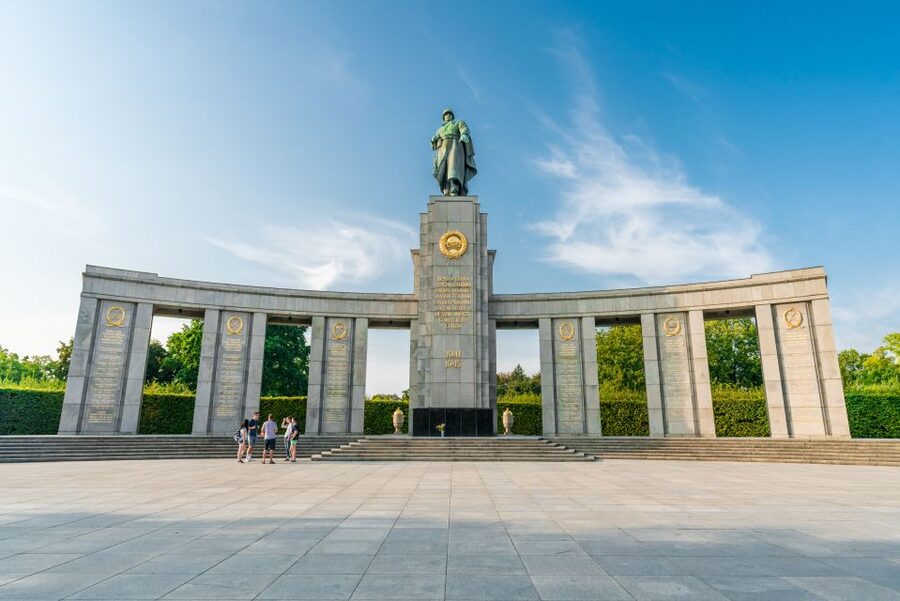
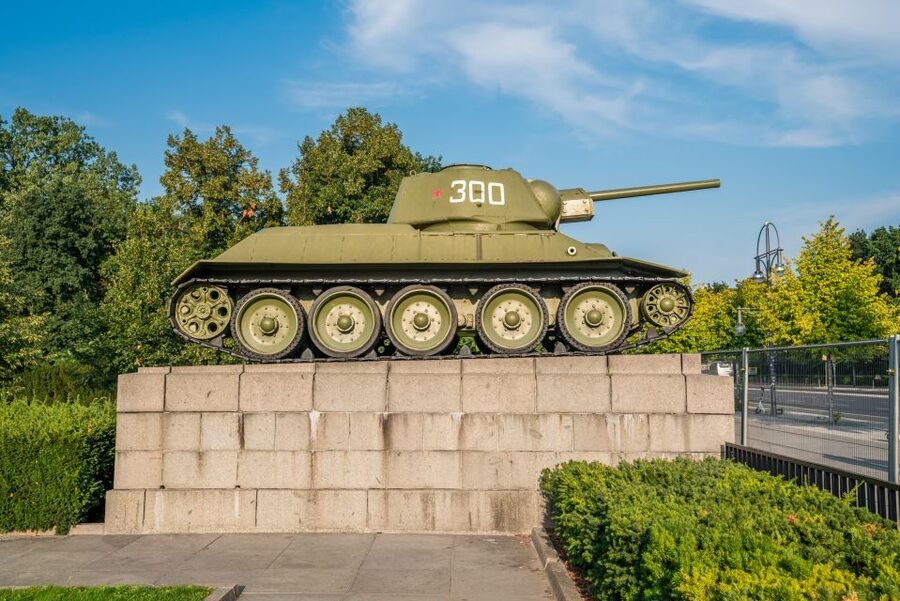
The Soviet War Memorial in Tiergarten brings the Second World War into direct view. Preserved Red Army tanks and the memorial’s formal design honor the approximately 80,000 Soviet soldiers who died during the Battle of Berlin.
This is one of the route’s most tangible stops. Instead of hearing only about the final battle, you see military equipment and a memorial built to honor the Soviet role in defeating Nazi Germany. It also opens a useful discussion about the postwar presence of the Soviet Union in Berlin.
The site can feel solemn and imposing. Your guide provides the details that make the memorial easier to read, including the enormous human cost behind the final battle for the city.
Because the tour runs in all weather, bring water and an umbrella. On a sunny day, shade can matter during outdoor explanations. One guide, Mikhail, was specifically praised for choosing shady spots when possible, a small detail that can make a difference during a warm walk.
More Walking Tours in Berlin
- Discover Berlin Half-Day Walking Tour
★ 5.0 · 9,624 reviews - Berlin: Discover Berlin Walking Tour
★ 4.9 · 5,998 reviews - Berlin: Hidden Backyards Guided Walking Tour
★ 4.8 · 5,360 reviews - Berlin: Alternative Berlin Walking Tour
★ 4.6 · 1,204 reviews
The Holocaust Memorial and the cost of Nazi rule
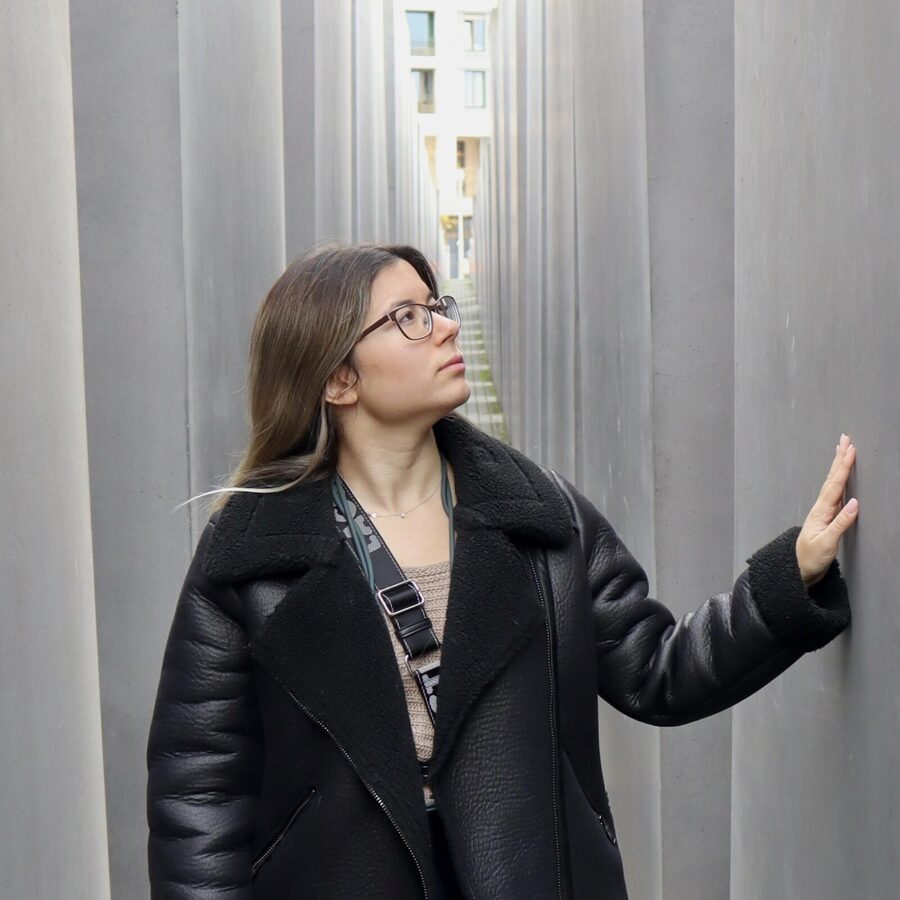
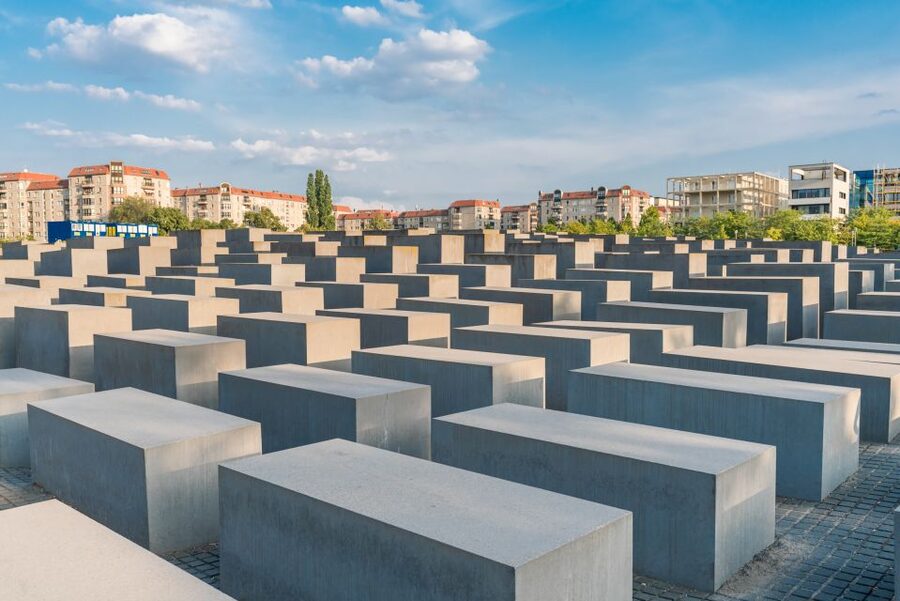
The Memorial to the Murdered Jews of Europe is among Berlin’s most affecting public spaces. Its field of concrete slabs honors the six million Jewish victims of the Holocaust.
The tour pauses here to connect Nazi policy with the human cost of genocide. The memorial does not provide a simple visual explanation, and the uneven ground and changing heights of the slabs can feel disorienting. That makes a guide’s framing useful, especially if this is your first visit to Berlin.
This stop deserves quiet attention. The schedule is fairly brisk, so you may not have much time to explore every path on your own. If the memorial matters deeply to you, return later for a slower walk and consider adding the underground information center as a separate visit. The tour gives you context, but it cannot replace extended time at the site.
Hitler’s Bunker site and the final days of the Third Reich
The route then reaches the site of Hitler’s Bunker. Hitler spent his final days there before the collapse of the Third Reich, but the site itself is not presented as a dramatic underground attraction.
That absence is part of the story. The bunker is associated with one of the most destructive regimes in modern history, yet there is no grand memorial structure inviting admiration. Your guide explains what happened at the site and how the final days unfolded, while keeping attention on the consequences rather than the personality of the dictator.
This is a useful stop for correcting popular images of Berlin’s end in 1945. You are standing in an ordinary urban setting, not inside a preserved command center. The contrast between the everyday surroundings and the events once hidden below them can be striking.
Detlev-Rohwedder-Haus and the birth of East Germany
Nearby, the former Ministry of Aviation adds an important link between Nazi Germany and the postwar state. The building was associated with Hermann Göring and later became the birthplace of East Germany in 1949.
This stop shows how buildings can change political roles without losing their historical weight. A structure connected to Nazi authority later became part of the creation of the German Democratic Republic. The tour uses that transition to move from the Third Reich into the Cold War.
You may find this one of the less immediately recognizable stops, which is precisely why a guide helps. Without explanation, it could look like another government office. With the history attached, it becomes evidence of how Berlin’s political systems were layered on top of one another.
Topography of Terror and the machinery of repression
At the former headquarters of the SS and Gestapo, the tour reaches one of the clearest sites connected to Nazi terror. The Topography of Terror documents the institutions that organized persecution, repression, and violence.
The guide explains how the regime’s power operated through offices, police forces, administrators, and orders. That is important because it moves the story beyond famous leaders and battlefield events. You begin to see terror as an organized system carried out by institutions and people.
The site is also useful for orientation. It helps explain how Nazi authority reached far beyond Hitler’s bunker or the grand buildings associated with the regime. If you have time after the tour, this is a good place to return for a more detailed look at the exhibitions.
Two hours does not allow a full museum visit here. Treat the stop as an introduction, then come back if you want documents, photographs, and a longer explanation of the SS and Gestapo system.
A 200-meter stretch of the Berlin Wall
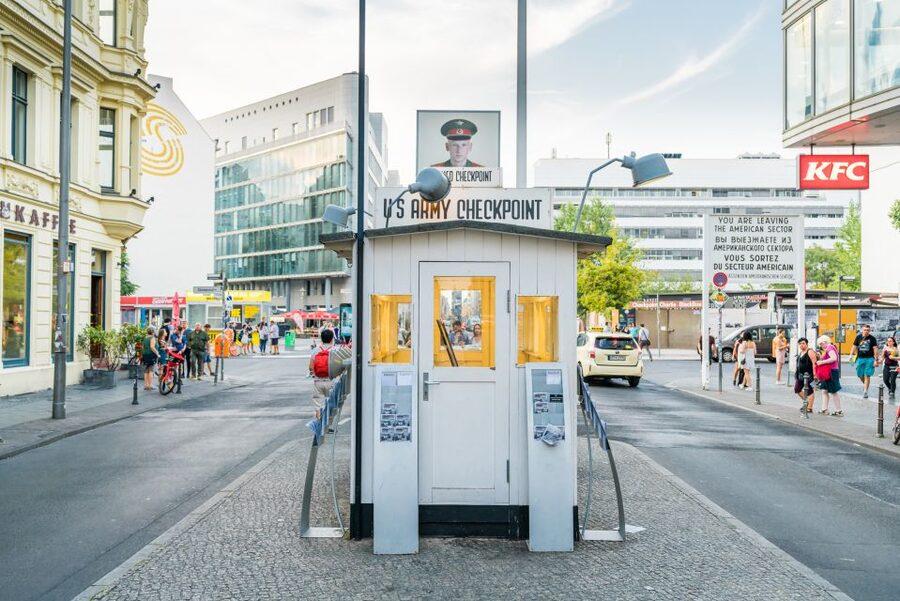
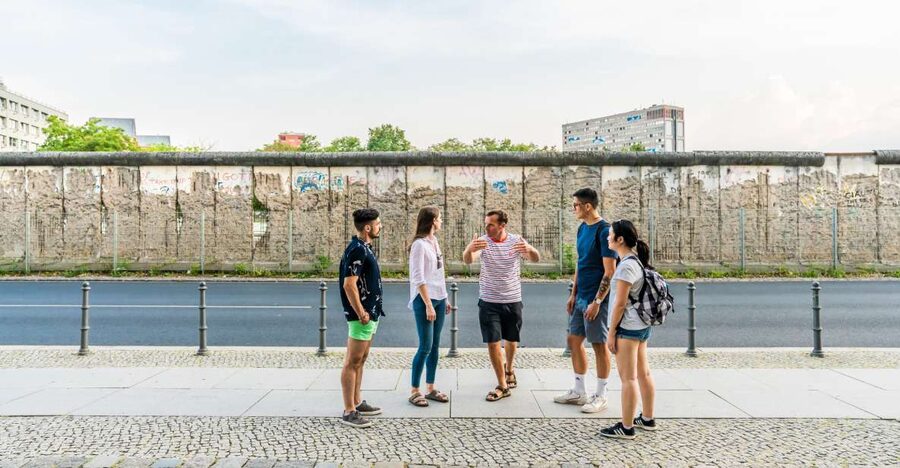
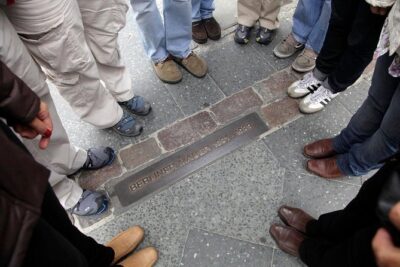
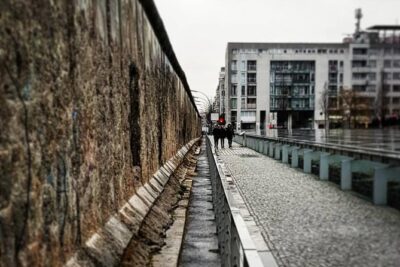
The walk continues to a preserved 200-meter section of the Berlin Wall. This is where the Cold War becomes especially physical.
You can see the Wall as a barrier rather than an abstract political symbol. The guide tells stories of people who tried to escape and explains the effect of the Wall’s fall on Berlin and Germany. Those personal accounts make the division easier to grasp than a list of dates.
The Wall’s presence also ties directly back to the earlier stops. Nazi Germany’s defeat did not produce a united, peaceful country. Berlin became a divided city, and the rivalry between the Soviet Union and the Western powers shaped daily life for decades.
This is one of the tour’s strongest sections, but remember that a 200-meter stretch is not the same as a full Wall museum experience. If you want more details about escape tunnels, border engineering, or individual escape attempts, plan another visit to a dedicated Wall site.
Checkpoint Charlie and the Cold War finale
The tour ends at Checkpoint Charlie, once the crossing point between the American and Soviet sectors. American and Soviet tanks faced one another here in a tense Cold War confrontation, making the location one of Berlin’s most famous symbols of divided Europe.
Today, Checkpoint Charlie is surrounded by city traffic, shops, and tourist activity. The setting can feel more commercial than solemn, which is worth knowing before you arrive. The historical meaning remains important, but the modern atmosphere may not match your expectations.
Your guide brings the site back to life with stories of escape attempts and the final hours before the Wall fell. That final focus on human choices gives the tour a fitting end. The Wall was a huge political structure, but its collapse changed individual lives, families, and the future of Germany.
The supplied details describe Checkpoint Charlie as the finish, while the meeting information also says the activity ends back at the meeting point. Because those descriptions conflict, confirm the exact end location when you book or meet the guide. Do not plan a tight connection until you know where you will finish.
The guides make or break the experience
The tour’s strongest feature is its live commentary. Many guides are praised for telling stories in plain language, speaking clearly, keeping a good pace, and answering questions without losing the group.
Jimmy is praised for an easy-to-follow delivery, humor, and a pace that felt right. Scott is described as passionate and able to make two hours pass quickly. Marie is remembered for combining humor with poignant moments, while Peter is praised for the small incidents he adds between major sites.
Mikhail receives particular praise for both historical detail and practical care, including making sure the group was comfortable in the shade. Thomas is noted for speaking loudly and clearly, even while adjusting the route during rain. Joachim is praised for insightful answers, and Raffaello for strong storytelling.
Guide assignments can change, so you cannot count on a particular person. Still, the repeated pattern is encouraging: the experience depends on human interpretation, and the guides appear to understand that the subject needs both accuracy and a good sense of timing.
Shared group and private options may not offer the same languages. English and German are available, but check the selected option carefully if language choice matters to you.
Is $23 a fair price?
At $23 per person, this is good value if you want a structured introduction to Berlin’s central historical sites. You cover major locations, hear the links between them, and avoid spending time figuring out the route yourself.
The price is especially fair for a first day in Berlin. The walk can help you get your bearings while giving you a list of places to revisit. It also costs far less than a private guide, though a private group is available if you want a more personal format.
The limitation is time. You are paying for two hours of explanation and outdoor stops, not entry to several museums or a detailed academic course. The value is in the guide’s storytelling and the connections between places.
Free cancellation up to 24 hours before the tour and reserve-now, pay-later booking make it easier to fit into a changing schedule. Those policies are useful, but the real question is whether you want a brisk overview or a slower, more specialized visit.
Who should book this walk?
I would recommend it to first-time visitors, history-minded families with older children, and anyone who wants a solid introduction before exploring Berlin alone. It also suits people who prefer stories and discussion to audio guides or self-guided reading.
You should bring comfortable shoes, water, an umbrella, and a camera. The tour runs in all weather and on public holidays, so dress for the forecast rather than hoping the rain will hold off.
The route is wheelchair accessible, and the total distance is about 2 kilometers. Even so, ask about the practical details of the selected group if mobility is a concern, since outdoor walking conditions and standing time can affect comfort.
I would not choose this as your only Berlin history experience if you want detailed museum time. Pair it with the Topography of Terror, the Holocaust Memorial’s information center, or a longer Berlin Wall visit if you have room in your schedule.
Should you book the Berlin Third Reich and Cold War tour?
Book it if you want Berlin’s major Nazi and Cold War sites explained in the right order, with real stories attached to the streets and buildings. The compact route, $23 price, strong guide feedback, and 200-meter Wall section make it a practical introduction.
Skip it only if you dislike group walking tours, need a slow pace, or already know these sites well. For most first-time visitors, it offers a useful framework for the rest of Berlin, and that framework is worth far more than a quick photo at Checkpoint Charlie.
FAQ
How long does the walking tour last?
The tour lasts two hours. Starting times vary, so check availability when selecting your date.
How far do you walk?
You should expect to walk approximately 2 kilometers during the tour.
Where does the tour start?
Meet in front of the tourist information point at Brandenburg Gate, Pariser Platz 1. Look for the guide with the pink umbrella.
How do I reach Brandenburg Gate by public transport?
The closest station is Brandenburger Tor, served by S-Bahn lines S1, S2, S25, and S26 and U5. Buses 100 and 245 also serve the area.
Where does the tour finish?
The route is described as finishing at Checkpoint Charlie. The meeting information also says the activity ends back at the meeting point, so confirm the exact end location before booking other plans.
Which languages are available?
Live tours are available in English and German. Shared group and private options may not offer the same languages, so check the language for your chosen option.
Is the tour wheelchair accessible?
Yes, the activity is listed as wheelchair accessible.
Does the tour run in bad weather?
Yes. Tours operate in all weather conditions and on public holidays. Bring an umbrella and wear comfortable shoes.
Can I cancel the booking?
You can cancel up to 24 hours in advance for a full refund. Reserve-now, pay-later booking is also available.
More Cold War Tours in Berlin
- Cold War, Berlin Wall, Spies and the East Side Gallery
★ 5.0 · 1,024 reviews - Berlin: Cold War Walking Tour on Berlin Wall Route
★ 4.8 · 437 reviews - Berlin: Cold War Era History Guided Bike Tour
★ 4.8 · 413 reviews - Cold War, Berlin Wall, Spies and the East Side Gallery
★ 4.8 · 254 reviews
Just added around Berlin
- Private Walking Tour in Berlin: Hitler’s Germany & WWII★ 5.0 · 7 reviews
- The History of Berlin: WWII PRIVATE Walking Tour With Locals★ 5.0 · 209 reviews
- Private Walking Tour Berlin 3 hours: Brandenburg, Historic Center★ 5.0 · 7 reviews
- Berlin: Private Bike Tour of the Berlin Wall and Third Reich★ 5.0 · 23 reviews
- Private Berlin WWII and Cold War History Tour with Local Expert Guide★ 5.0 · 28 reviews
- Berlin: Guided Private Bike Tour to Explore the Highlights★ 5.0 · 12 reviews
- Berlin Photography Masterclass – Private Photography Lesson★ 4.5 · 23 reviews
- Group Driving Tour 1 to 6 people. Berlin Shore Excursion incl pick-up at Port★ 5.0 · 8 reviews
Cold War Tours, compared.
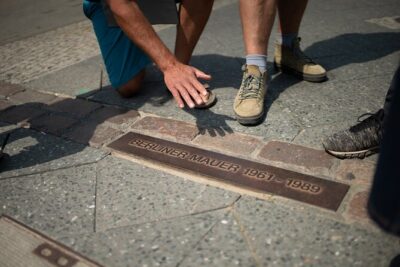
Cold War, Berlin Wall, Spies and the East Side Gallery
Read our review →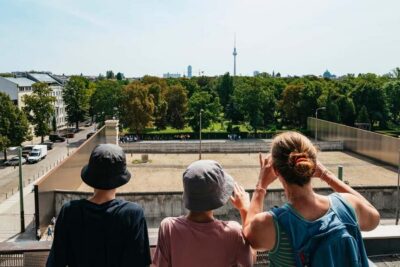

Cold War, Berlin Wall, Spies and the East Side Gallery
Read our review →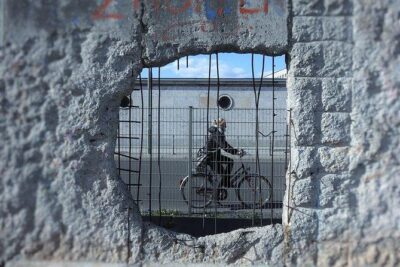
Explore The Berlin Wall: Cold War Berlin and Behind the Berlin Wall
Read our review →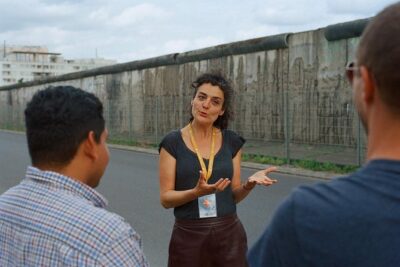
PRIVATE BEHIND THE BERLIN WALL and COLD WAR BERLIN TOUR
Read our review →Browse the lists this tour appears in