
Reviewed · WALKING TOURS
Berlin: Prenzlauer Berg District Guided Walking Tour
Berlin’s best stories often unfold between the landmarks. This relaxed 2.5-hour walking tour gives you a closer look at Prenzlauer Berg, a district shaped by Jewish life, East Berlin history, creative culture, and rapid change. I like the mix of major sights and ordinary streets, and I especially like that the guide explains how the neighborhood has changed instead of presenting it as a frozen postcard.
I also like the tour’s modest price, $23 per person, which is fair for a live guide and a focused introduction to one of Berlin’s most interesting districts. The main consideration is simple: you will be on foot for two and a half hours, and the route may feel less compelling if you prefer Berlin’s famous central monuments over local architecture and neighborhood history.
In This Review
- Key points to know before you book
- Why Prenzlauer Berg deserves a full walking tour
- Starting around Schönhauser Allee
- The Jewish Cemetery and the Wasserturm
- Kollwitzplatz and the district’s changing face
- Mauerpark: flea market, music, and a former border area
- Bernauer Straße and the Messel House
- Rykestraße synagogue and Oderberger Straße pool
- The guide makes the difference
- Is $23 a fair price?
- Who should take this walk?
- Final verdict: should you book it?
- FAQ
- How long does the Prenzlauer Berg walking tour last?
- How much does the tour cost?
- Which languages are available?
- What sights are included on the route?
- Are food and drinks included?
- Can I cancel the booking for a full refund?
Key points to know before you book
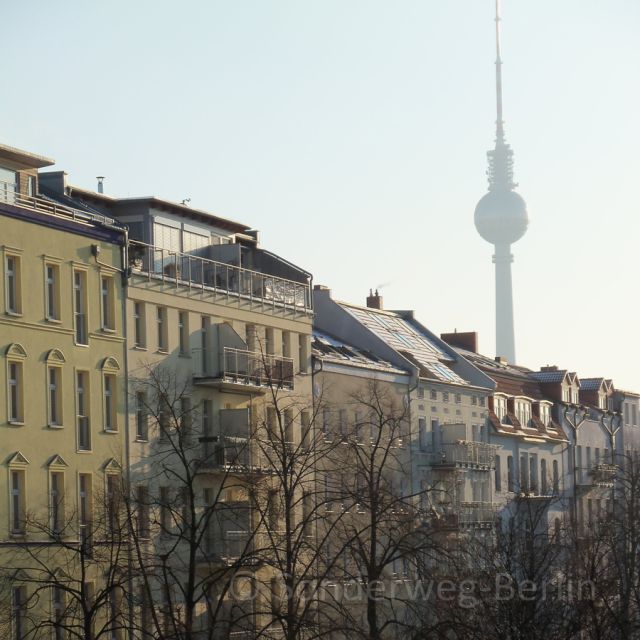
- Prenzlauer Berg is read from both sides of Schönhauser Allee, giving you a broader feel for the district than a single-street stroll.
- Mauerpark adds a lively modern note, with its famous Sunday flea market and live music shows.
- The Jewish Cemetery on Schönhauser Allee and the synagogue on Rykestraße bring important Jewish history into the walk.
- The Wasserturm, Kollwitzplatz, and Oderberger Straße pool show the area’s varied architecture and civic life.
- The tour focuses on change, from Prenzlauer Berg’s difficult past to its newer prosperity and diversity.
- English and German tours are available, with free cancellation up to 24 hours before the start and a reserve-now, pay-later option.
Why Prenzlauer Berg deserves a full walking tour
Prenzlauer Berg is easy to enjoy without a guide. You can stroll its streets, stop for coffee, and admire the old buildings on your own. But the district’s real interest lies in the layers you cannot read from a façade alone.
This part of Berlin has experienced sharp changes in population, politics, housing, and daily life. The tour helps connect those changes to actual places. A former working district, an old religious site, a public pool, a water tower, and a popular park all become pieces of the same local story.
I find that useful because Prenzlauer Berg can look polished at first glance. Its cafés, renovated buildings, and attractive squares may suggest a simple story of success. The walking route adds the missing questions: who lived here before, what happened during Berlin’s divided years, and what has been lost or gained as prosperity arrived?
The tone is relaxed rather than rushed. You are not being pushed from one photo stop to the next. Instead, you move through the neighborhood with time for explanation and questions. Several past participants praised guides who connected architecture and history with current politics, urban planning, and life in Berlin.
More Walking Tours in Berlin
- Discover Berlin Half-Day Walking Tour
★ 5.0 · 9,624 reviews - Berlin: Third Reich and Cold War 2 Hour Walking Tour
★ 4.9 · 6,830 reviews - Berlin: Discover Berlin Walking Tour
★ 4.9 · 5,998 reviews
Starting around Schönhauser Allee
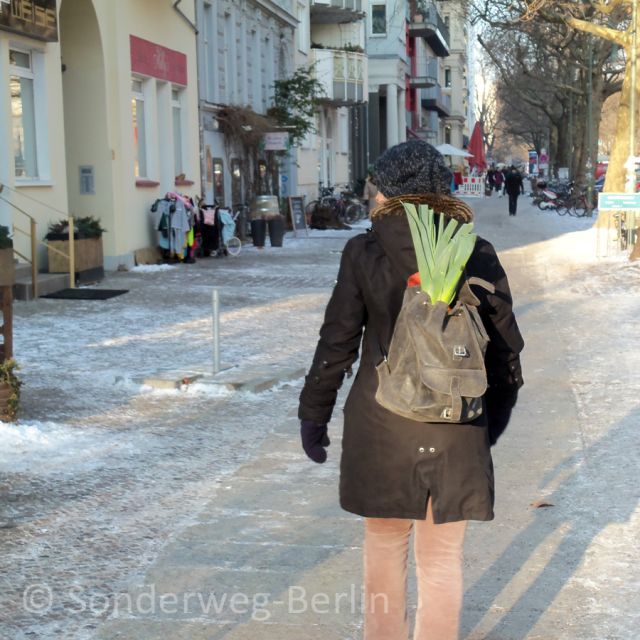
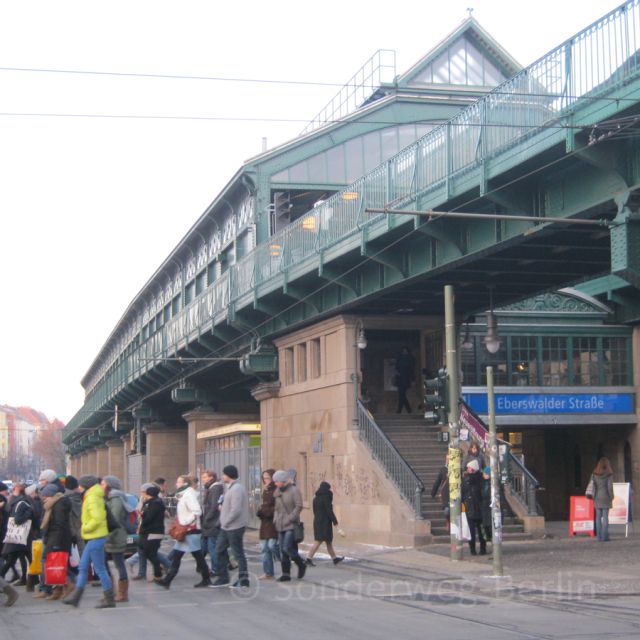
The tour begins in the heart of Prenzlauer Berg, though the exact meeting point depends on the option you book. From there, the route takes you east and west of Schönhauser Allee, the district’s major street.
That detail matters. A short walk along only one attractive avenue can give you a narrow picture of Prenzlauer Berg. Crossing both sides allows you to compare different streets, buildings, and public spaces. You get a better sense of the district as a real residential area rather than a sightseeing strip.
Schönhauser Allee also works well as an organizing line for the tour. It helps you understand where you are as the guide moves between major sights and less obvious corners. You may hear about how the area developed, how its buildings were used, and how its social character shifted over time.
I would pay attention to the guide’s comments here, even when the surroundings seem ordinary. This is where a local walking tour earns its price. The guide can point out details you might pass without a second thought, then explain why they matter.
The Jewish Cemetery and the Wasserturm

The Jewish Cemetery on Schönhauser Allee brings a quieter and more serious mood to the walk. Its presence adds an important part of Berlin’s Jewish story to a tour that could otherwise focus only on cafés, renovated buildings, and trendy public spaces.
The visit is especially valuable because it places Jewish history within the neighborhood itself. You are not learning about the subject in isolation at a museum. You are seeing how religious and community life formed part of Prenzlauer Berg’s streetscape.
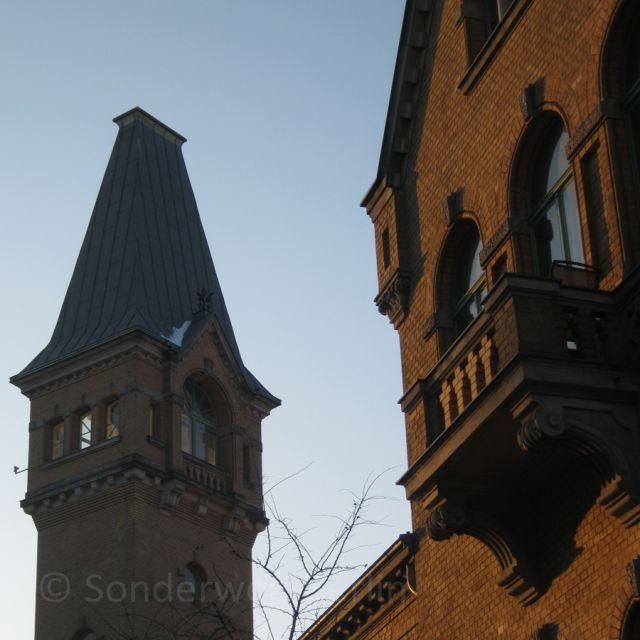
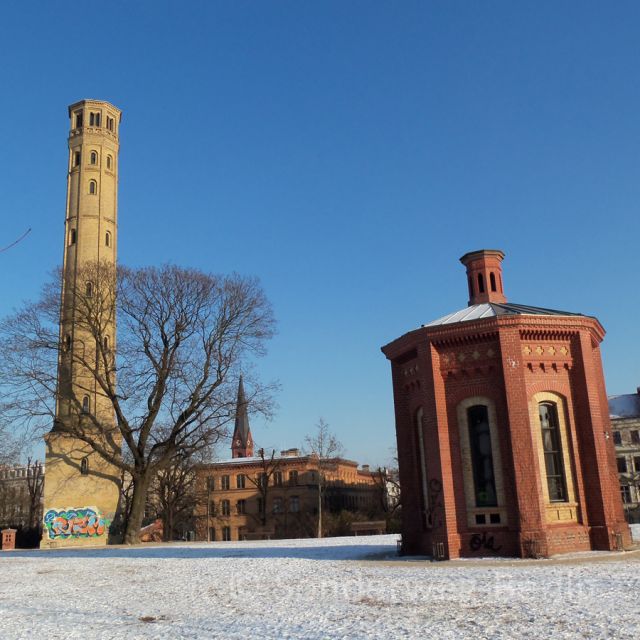
The Wasserturm, or Water Tower, offers a different kind of history. It is one of the district’s recognizable landmarks and helps show the practical systems that supported urban Berlin. A water tower is not a grand palace, but that is part of its appeal. It reflects the everyday infrastructure behind a growing city.
These two stops work well together. One points toward memory, faith, and community. The other points toward engineering and urban growth. Both help move the tour beyond surface-level sightseeing.
Kollwitzplatz and the district’s changing face
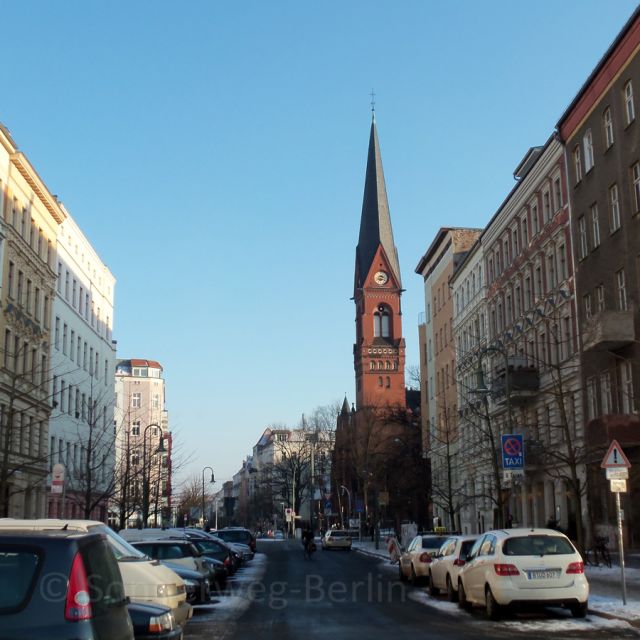
Kollwitzplatz is another key stop, and it helps explain why Prenzlauer Berg has become so popular. The square is tied to the district’s more polished and prosperous side, with an urban character that feels very different from the area’s harder past.
The guide’s explanation is important here. Without context, you may simply see a pleasant public square in a desirable neighborhood. With context, you can think about how housing, wealth, and local identity have changed.
The tour does not treat modern Prenzlauer Berg as either perfect or ruined. That balance is one of its strengths. New prosperity has brought improvements, activity, and diversity, but rapid change can also alter the character that made the area appealing in the first place.
I appreciate this kind of discussion because it keeps the walk grounded. You are not just collecting names and dates. You are considering what happens when an area moves from a difficult period into a more fashionable and expensive one.
Still Berlin, at a slower pace:
- Berlin: Reichstag, Dome and Government District Guided Tour
★ 4.7 · 18,288 reviews - Berlin: 1-Hour City Tour by Boat with Guaranteed Seating
★ 4.3 · 16,993 reviews - Berlin: Boat Tour Along the River Spree
★ 4.4 · 11,252 reviews - Berlin: Hop-on Hop-off Bus Tour with Live Commentary
★ 4.3 · 8,579 reviews
Mauerpark: flea market, music, and a former border area
Mauerpark is likely to be the most immediately entertaining part of the walk. It is known for its Sunday flea market and live music shows, so it gives the route a strong connection to present-day Berlin.
If your tour takes place on Sunday, the flea market can add extra activity and color. If it takes place on another day, you may experience the park without its full market atmosphere. Either way, the guide places Mauerpark within the wider story of Berlin and Prenzlauer Berg.
The park also carries the memory of the former Berlin Wall. Its name and location make it a natural place to discuss division and change, while its current use shows how former border spaces can become public places for leisure and culture.
There is a useful contrast here. The Jewish Cemetery asks you to slow down and remember. Mauerpark invites you to watch music, browse stalls, and see people enjoying the city. Prenzlauer Berg contains both moods, and the tour is stronger for showing them side by side.
One practical point: Mauerpark can be more active during the Sunday flea market. If you prefer a quieter walk, another day may suit you better. If you want to see one of the district’s best-known public gatherings, Sunday could be the better choice.
Bernauer Straße and the Messel House
The route continues along Bernauer Straße to see the Messel House. This section adds more architectural interest and gives the guide another chance to connect buildings with the district’s development.
The value here is not simply the building itself. A guide can explain what you are seeing, why it matters, and how it fits into the surrounding street. That is useful in Berlin, where an impressive façade may conceal a complicated past.
Bernauer Straße is also strongly connected with Berlin’s divided history. The tour’s route through this area helps connect Prenzlauer Berg’s local story with the larger story of a city split by a wall and later reunited.
I would not book this walk expecting a full Berlin Wall tour. That is not its purpose. Instead, you get a neighborhood-based look at how division affected a particular part of the city. For anyone who has already seen the major Wall memorials, this local angle can add useful context.
Rykestraße synagogue and Oderberger Straße pool
The grand synagogue on Rykestraße is one of the route’s most important sights. It adds architectural weight and gives the tour another entry into Jewish life in Prenzlauer Berg.
The synagogue also reinforces a wider point: this district cannot be understood only through its recent cafés, shops, and creative reputation. Its identity includes older religious, cultural, and residential layers. The guide’s explanation can help you see how those layers remain present, even as the neighborhood changes around them.
The public pool on Oderberger Straße offers a more everyday kind of landmark. Public facilities often reveal how a city serves its residents, and this pool brings the discussion back to ordinary urban life.
Together, the synagogue and pool show the range of the tour. You move between major religious architecture and a civic building used for daily recreation. That variety keeps the walk from becoming a string of similar façades.
Past participants have praised guides who stop inside or in front of buildings when possible and answer questions beyond the planned route. That is worth remembering when you book. The experience seems best when you take part in the conversation rather than simply follow along quietly.
The guide makes the difference
The strongest praise has centered on the guides’ ability to explain history, architecture, and modern Berlin in an engaging way. Tobias has been singled out for his museum and history background, along with his ability to answer questions about urban planning, politics, residents, and the city’s development.
If Tobias is leading your tour, you may benefit from that particular experience. Guides can change, so I would not book solely on the expectation that he will be present. Still, the repeated praise for his approach gives you a good idea of the level of discussion this experience aims to offer.
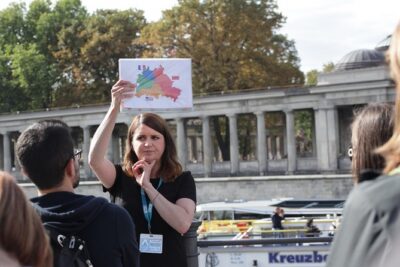
The group size can vary. One past booking became a private-style walk with only two people, while another had about 40 participants. That difference matters. A small group usually allows more questions and a flexible pace. A larger group can still work well if the guide manages it carefully, but you may need to stay close and speak up when you want to ask something.
The best guides on this kind of walk do more than recite facts. They explain why a place matters, respond to questions, and make connections between the street in front of you and the wider city. The high overall rating of 4.9 from 316 ratings suggests that this human element has been a major strength.
Is $23 a fair price?
At $23 per person, this is a reasonably priced way to spend half a day in Berlin. You are paying for a live guide, local interpretation, and a route that covers several distinct parts of Prenzlauer Berg.
The value is strongest if you want more than a self-guided stroll. You could walk to Mauerpark, Kollwitzplatz, the Wasserturm, and the synagogue on your own, but you would need to research the area first. You would also miss the connections between the sites and the explanation of how the district has changed.
The price does not include food or drinks. That is not a serious drawback, since the tour is short enough to plan a meal or coffee before or after. It does mean you should not expect a tasting walk or café stop to be part of the experience.
For a first visit to Berlin, I would see this as a good alternative to another general city tour, especially if you have already visited Museum Island, the Brandenburg Gate, or the major Wall sights. For repeat visitors, the value may be even better because Prenzlauer Berg offers a more local focus.
Who should take this walk?
I would recommend it to you if you enjoy neighborhood tours, architecture, modern European history, and conversations about how cities change. It also suits anyone who wants to see a side of Berlin that is not built around the city’s most famous monuments.
It is a strong choice for repeat visitors. One past participant had visited Berlin many times and wanted something more detailed than a river trip or museum visit. That is exactly where this tour fits.
Families with older children may also find it useful if they are comfortable walking and listening for two and a half hours. The route includes varied sights, but the experience is driven by explanation rather than games or entertainment designed for young children.
You may want to skip it if you dislike walking, want a short photo-focused outing, or are looking for a full overview of Berlin. This tour stays focused on Prenzlauer Berg. That narrow focus is its strength, but it also means you will not cover the whole city.
Wear comfortable shoes and allow yourself to stay engaged with the guide. Since the meeting point can vary by booking option, check your confirmation carefully before setting out. Tours are offered in English or German, and you can cancel up to 24 hours ahead for a full refund.
Final verdict: should you book it?
I would book this walk if you want to understand Prenzlauer Berg rather than simply pass through it. The route covers the Jewish Cemetery, Wasserturm, Mauerpark, Bernauer Straße, Messel House, Rykestraße synagogue, Oderberger Straße pool, and Kollwitzplatz, giving you a useful range of history, architecture, public life, and modern Berlin.
The biggest reason to go is the guide-led context. The district’s character is changing quickly, and a good explanation helps you notice both what has improved and what has disappeared. At $23, that local perspective is good value.
Choose a Sunday for the flea market and music atmosphere, or another day if you prefer a calmer walk. If you enjoy asking questions, try to join a smaller group when possible. For visitors who want a thoughtful, human-scale view of Berlin, this is an easy recommendation.
FAQ
How long does the Prenzlauer Berg walking tour last?
The tour lasts 2.5 hours.
How much does the tour cost?
The listed price is $23 per person.
Which languages are available?
The live tour guide is available in English and German.
What sights are included on the route?
The route includes the Jewish Cemetery on Schönhauser Allee, the Wasserturm, Mauerpark, Bernauer Straße, Messel House, the synagogue on Rykestraße, the public pool on Oderberger Straße, and Kollwitzplatz.
Are food and drinks included?
No. Food and drinks are not included in the tour price.
Can I cancel the booking for a full refund?
Yes. You can cancel up to 24 hours in advance for a full refund. You can also reserve now and pay later.
Just added around Berlin
- Private Walking Tour in Berlin: Hitler’s Germany & WWII★ 5.0 · 7 reviews
- The History of Berlin: WWII PRIVATE Walking Tour With Locals★ 5.0 · 209 reviews
- Private Berlin WWII and Cold War History Tour with Local Expert Guide★ 5.0 · 28 reviews
- Private Walking Tour Berlin 3 hours: Brandenburg, Historic Center★ 5.0 · 7 reviews
- Berlin: Private Bike Tour of the Berlin Wall and Third Reich★ 5.0 · 23 reviews
- Berlin: Guided Private Bike Tour to Explore the Highlights★ 5.0 · 12 reviews
- Berlin Photography Masterclass – Private Photography Lesson★ 4.5 · 23 reviews
- Group Driving Tour 1 to 6 people. Berlin Shore Excursion incl pick-up at Port★ 5.0 · 8 reviews
Walking Tours, compared.
Old Town & Viktualienmarkt City Walk in German
Read our review →Browse the lists this tour appears in