
Reviewed · TICKETS
Bremerhaven: German Emigration Center Entrance Ticket
Migration becomes personal here. At the German Emigration Center in Bremerhaven, your electronic iCard gives you an individual emigrant’s story as you follow the journey from a European departure quay to Ellis Island and New York. I especially like the museum’s human scale, with real family choices at its heart, and the free Family Research room, where a trained assistant can help you investigate your own ancestors. The main caution is time: the exhibition is large, and narrow ship decks may require careful wheelchair maneuvering.
The $23 admission is a fair deal if you give the museum most of a day. You get much more than glass cases and wall text, including audio stations, interactive displays, historic ship settings, and a clear account of why people left home. One practical snag is that the computer stations in the research area can be occupied, so save time and patience for that part.
In This Review
- Key points to know before you go
- Why Bremerhaven was a gateway to the New World
- The iCard gives you a person to follow
- Saying goodbye at the quay
- Life aboard ships from several eras
- Ellis Island and the legal desk
- Grand Central and life in the New World
- The Family Research room and your own ancestry
- How long to spend and how to plan the visit
- Is the $23 ticket good value?
- Who should book the German Emigration Center?
- FAQ
- Where is the German Emigration Center located?
- What does the $23 ticket include?
- How long is the ticket valid?
- How much time should I allow for the visit?
- What is the iCard?
- Can I research my own ancestors there?
- Is food or drink included?
- Is the museum wheelchair accessible?
- Are pets allowed inside?
- Can I cancel the booking?
Key points to know before you go
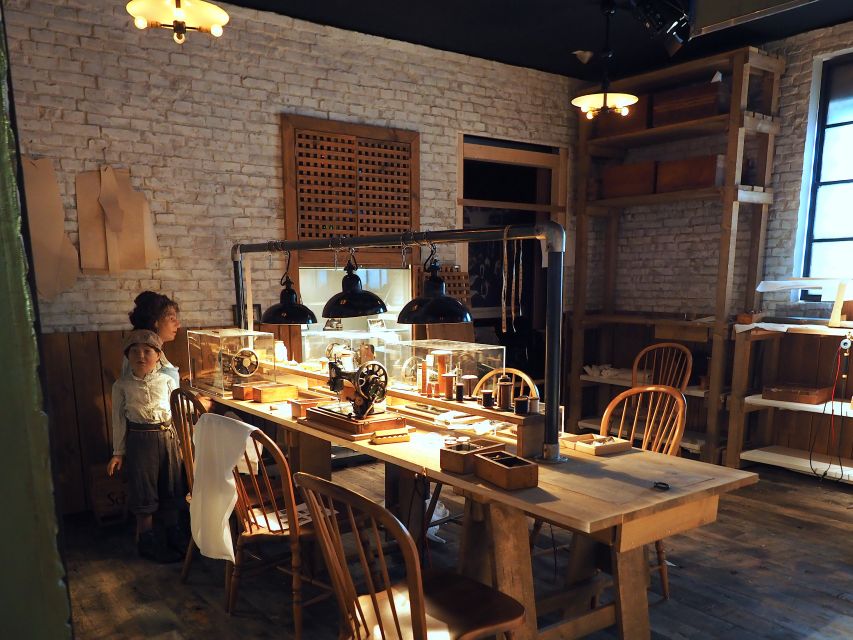
- Seven million departures: Follow the paths of Europeans who left through Bremerhaven for the New World.
- Your iCard shapes the visit: It activates audio stations and interactive displays tied to one emigrant’s story.
- Three centuries in one visit: The museum covers immigration and emigration from roughly 300 years of European movement.
- Shipboard history feels close: Walk through settings from different eras of passenger travel, including a 1929 ocean liner.
- Free family research: Use the Family Research room and ask a trained assistant for help with your ancestry.
- Allow plenty of time: Arrive at least two hours before closing, and expect the experience to take longer than a quick museum stop.
Why Bremerhaven was a gateway to the New World
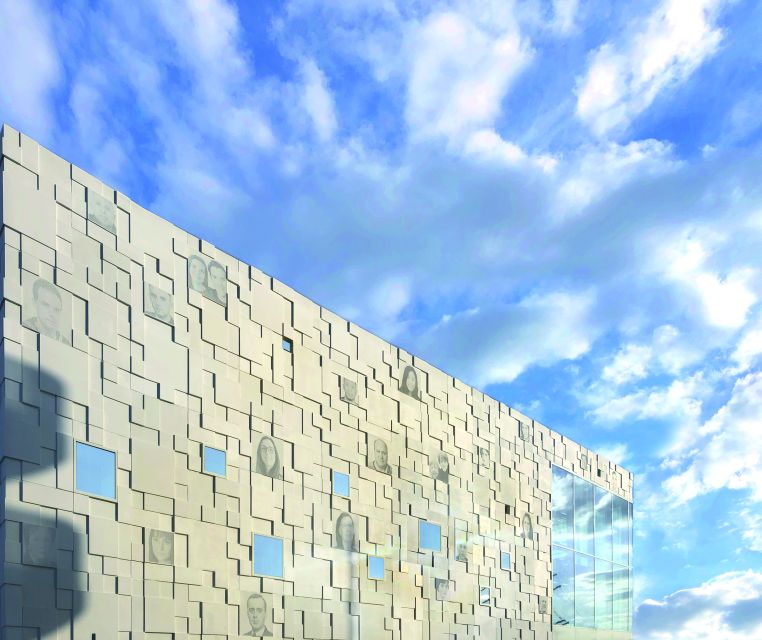
Bremerhaven is the setting for a museum about departure, and that location matters. The story here begins at the port, where millions of Europeans said goodbye to family, friends, and familiar surroundings before sailing toward an uncertain future.
The German Emigration Center presents that movement through personal stories rather than only dates and statistics. You are not simply told that seven million Europeans left via Bremerhaven. You are given an individual to follow, then shown what departure, ocean travel, inspection, and resettlement could mean in daily life.
That approach makes the subject easier to understand. Migration can sound abstract when reduced to large numbers. A named person with a reason for leaving, a port of departure, and a destination gives the story a human center.
The museum also places European emigration within a longer account of immigration and emigration. Its focus reaches across about 300 years, allowing you to see that movement between countries was not one single event or one single kind of journey.
I like this broad frame because it avoids treating the past as a simple adventure story. Leaving home could offer hope, but it also involved fear, separation, paperwork, physical hardship, and the possibility of rejection. The museum gives space to those mixed emotions.
A few more Germany trips worth comparing
- Dresden: Semperoper Tickets and Guided Tour
★ 4.7 · 12,102 reviews - Berlin: Jewish Museum Berlin Entrance Ticket
★ 4.5 · 8,393 reviews - Berlin: Berlin Story Bunker Entry Ticket
★ 4.6 · 6,759 reviews
The iCard gives you a person to follow
Your electronic boarding pass, called an iCard, is the key to the visit. Each card contains the story of one person who left Europe for the New World, and it activates audio stations and interactive displays along the route.
This personal thread gives the exhibition a useful structure. Instead of wandering from one display to another without a clear connection, you can follow one life through several stages. The card helps turn a large museum into a more focused journey.
The exact story you receive is part of the experience, so I would pay attention from the beginning. Listen for the reasons your person left, the choices that shaped the journey, and the changes that followed arrival. The displays are more meaningful when you keep that individual story in mind.
The iCard also encourages you to interact with the museum instead of merely reading labels. Audio stations add voices and information, while interactive displays offer another way to approach the subject. If you enjoy museums that ask you to take part, this system adds real value to the admission price.
There is one practical limitation. Interactive areas can become busy, and the computer stations in particular may not always be free. If your visit includes family research, do not assume you can sit down immediately. Build in time to wait or return later.
Saying goodbye at the quay

The visit begins with the emotional stage of departure. At the quay, you meet emigrants from different parts of Europe and encounter the moment when they leave their old lives behind.
This section works because it focuses on farewell. The decision to leave was not simply a ticket purchase. It meant separation from relatives, familiar streets, local customs, and a known language. The quay helps you understand that a port could be both a place of hope and a place of grief.
I would slow down here rather than hurry toward the ship displays. The museum is at its best when you allow the personal stories to set the mood. The people you meet at the quay represent different backgrounds, but their shared uncertainty links the stories together.
The setting also gives the journey a clear physical direction. You move from land to ship, then from Europe toward the immigration station. That order mirrors the stages of the historical process and makes the exhibition easy to follow.
For younger visitors, the quay and ship sections may be more engaging than long blocks of printed information. For adults, the strongest part is the reminder that every large migration statistic began with an individual farewell.
Life aboard ships from several eras
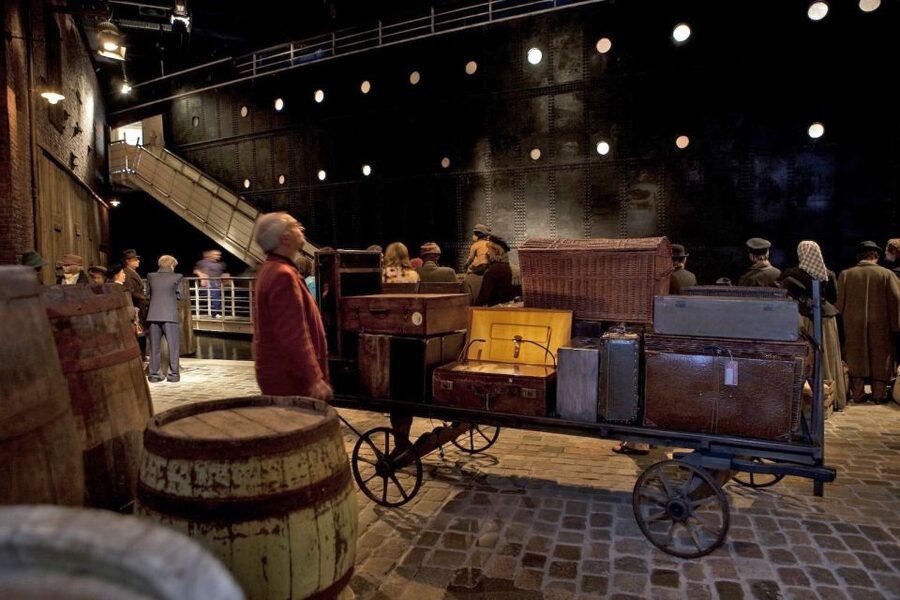
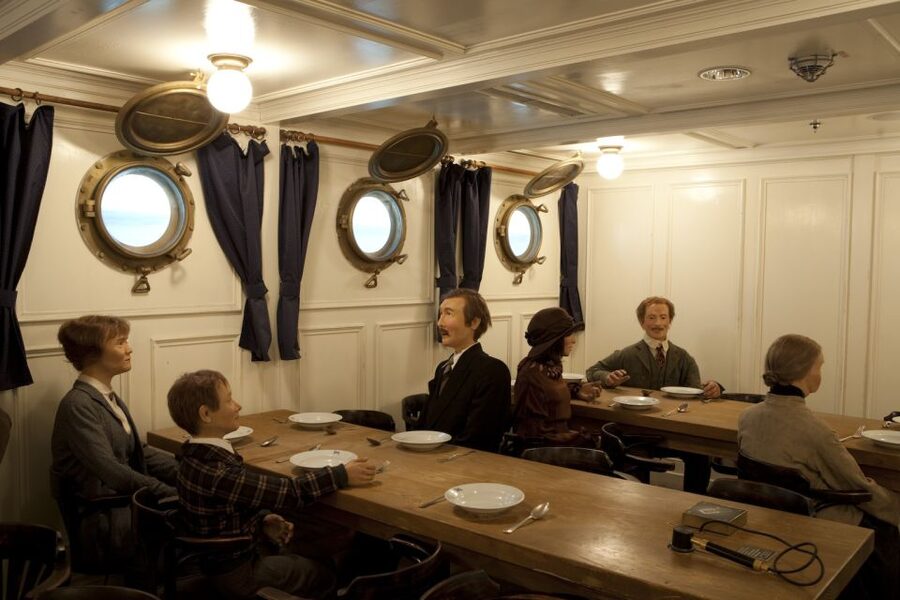
After the quay, the route takes you aboard ships connected with three eras of passenger travel. One example is the ocean liner Columbus in 1929.
The ship settings help explain the physical side of migration. You can think about what it meant to spend days at sea, sharing limited space with other passengers while carrying your belongings and hopes for a new life.
This is also where the museum’s design can feel most convincing. Shipboard areas are not just illustrations of a vessel. They give you a sense of passage between two worlds, from the European port to the American arrival point.
Do not expect a leisurely cruise setting. The old emigrant ship decks are narrow, and moving through them can require some care. That is an important detail for anyone using a wheelchair. The museum is wheelchair accessible, but a wheelchair user may need to maneuver in tight spaces on these ship sections.
The ship displays also show change over time. Passenger travel did not remain the same across the 19th and 20th centuries, and the three eras help you compare different periods. The 1929 Columbus reference gives the visit a precise historical anchor instead of leaving the ships as vague recreations.
Still Germany, at a slower pace:
- Berlin: Reichstag, Dome and Government District Guided Tour
★ 4.7 · 18,288 reviews - Berlin: 1-Hour City Tour by Boat with Guaranteed Seating
★ 4.3 · 16,993 reviews - Hamburg: Sex and Crime in St. Pauli Tour for Ages 18+
★ 4.7 · 15,447 reviews - Hamburg: 1.5-Hour Harbor and Speicherstadt Day Cruise
★ 4.6 · 14,200 reviews
Ellis Island and the legal desk
The next major stage is arrival at the immigration station on Ellis Island. Here, the tone changes from departure and ocean travel to examination and permission to enter.
At the legal desk, you face an immigration test. With an entry permit in hand, you continue toward Grand Central in New York.
This part is valuable because it shows that reaching the New World did not automatically mean that the journey was over. New arrivals still had to pass official checks and receive permission to enter. The legal desk makes that process understandable in a direct, physical way.
For many people, immigration is associated mainly with the moment of arrival. This exhibition shows the uncertainty that came before a new life could begin. A permit could open the next door, while failure at the inspection stage could change everything.
The route toward Grand Central shifts the story from arrival to settlement. You begin considering what happened after the port, including how emigrants made their way into life in New York and beyond.
I appreciate that the museum does not stop at the ship. A migration story is incomplete if it ends when the vessel reaches land. The arrival halls give you a better sense of the practical transition from passenger to resident.
Grand Central and life in the New World
At Grand Central, the exhibition turns toward life after arrival. The station functions as a gateway to the next stage, when emigrants had to find work, establish homes, and build a future in an unfamiliar country.
The museum uses its exhibition halls to explore the forces behind migration and the experience of starting over. You can look beyond the single journey on your iCard and consider the larger patterns that shaped movement between Europe and the New World.
This is where the museum becomes especially useful for families. You may recognize parts of your own family story in the questions it raises. Why did someone leave? What did they expect to find? What did they have to give up? What changed once they arrived?
You should not treat the Grand Central section as a quick ending. It connects the dramatic stages of departure and arrival with the less theatrical work of making a life. That balance keeps the museum from turning migration into a simple tale of ships and new beginnings.
The interactive displays can help you spend more time with these questions. Since your iCard continues to activate stations, keep it with you until you finish the main route.
The Family Research room and your own ancestry
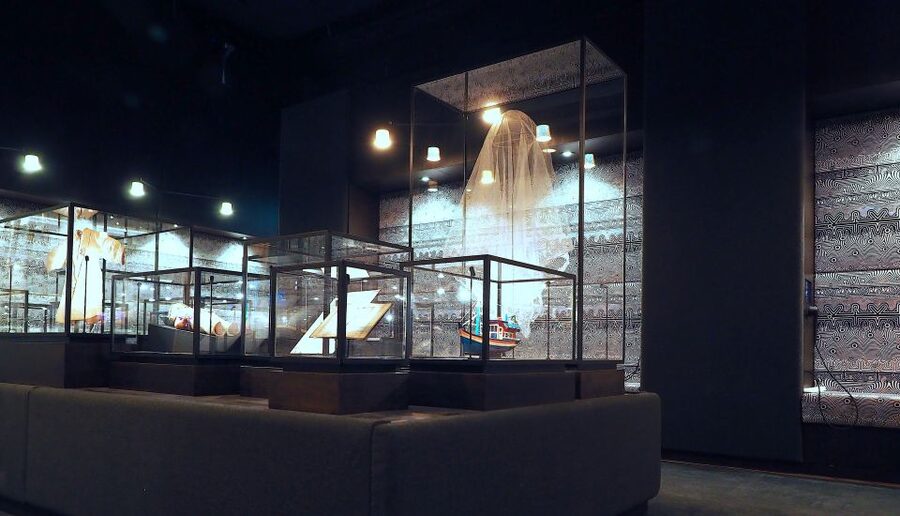
The Family Research room is one of the strongest reasons to visit, particularly if you have European ancestry. After completing the main exhibition, you can begin a personal search for relatives who emigrated to the New World.
This service is free, and a trained assistant is available to guide you through the research process. That support matters because family history searches can become confusing quickly. Names may vary, records may be incomplete, and a broad family story often needs careful checking.
Keep your expectations realistic. The museum offers a place to begin your research, not a guarantee that every family line will be solved during one visit. Still, having staff assistance and research computers gives you a useful starting point.
The computer stations may be occupied, so plan this part with flexibility. If you have only a short time before closing, prioritize the main exhibition first. If genealogy is your main reason for coming, arrive early enough to leave room for the research area.
I would bring any family information you already have, such as names, approximate dates, and places of origin, but the supplied details do not promise that particular documents will be available. The best result is a clearer path for continuing your search.
How long to spend and how to plan the visit
Your ticket is valid for one day, and you should treat the museum as a substantial stop rather than a quick indoor attraction. The official advice is to arrive at least two hours before closing so you have enough time to see the exhibition.
That two-hour minimum is sensible, especially if you use the iCard stations, listen to the audio material, and visit the Family Research room. If you move quickly, you may see the main route in less time, but you would lose much of what makes the museum worthwhile.
Start at the main entrance at Columbusstraße 65. The experience ends back at the same meeting point, so the visit is self-contained and does not require a separate return transfer.
There is no food or drink included with the ticket. Plan those needs separately, especially if you expect to spend much of the day inside. The admission covers entry only.
The museum is wheelchair accessible, but the narrow decks on old emigrant ships deserve special attention. A wheelchair user should be comfortable maneuvering in tight spaces. Assistance dogs are allowed, but other pets are not.
The ticket includes free cancellation up to 24 hours in advance and a reserve now, pay later option. Those terms are useful if your schedule in Bremen State is still shifting, but the main planning issue remains time. A late arrival will limit the experience.
Is the $23 ticket good value?
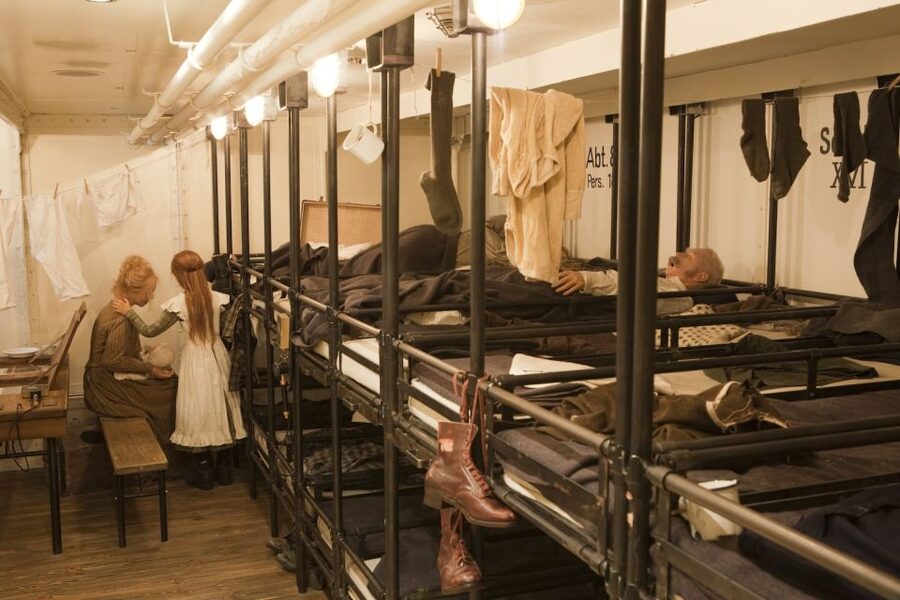
At $23 per person, this is good value for anyone who gives it several hours and uses more than the basic displays. The admission combines a major museum route, personal audio and interactive material through the iCard, and access to the Family Research room.
The price is less attractive if you only have time for a rushed walk-through. The museum’s strength lies in the gradual movement from farewell to ship, immigration inspection, and life after arrival. Skipping sections weakens that chain.
I also see value in the personal research option. Even if you do not find a direct ancestor, you can learn how to approach your family’s migration story and get help from a trained assistant. That is more useful than a generic ancestry display.
Families, history fans, and people with European roots will likely get the most from the ticket. It also suits anyone who wants a thoughtful indoor activity in Bremerhaven rather than another brief sightseeing stop.
If you have no interest in migration, family history, or interactive museums, the experience may feel long. The subject is serious, and the best parts ask you to read, listen, and consider difficult choices. That is a strength for the right visitor, but not a fit for everyone.
Who should book the German Emigration Center?
I would book this experience if you want history told through individual lives. The iCard system, ship settings, Ellis Island route, and Family Research room give you several ways to connect with the subject.
It is especially suitable for:
- Families researching European ancestors
- Visitors interested in 19th and 20th-century migration
- Museum fans who like audio and interactive displays
- Anyone with at least two hours to spare
- Wheelchair users who can manage narrow shipboard spaces
I would think twice if you are short on time, dislike interactive exhibits, or want a light entertainment stop. The museum asks for attention, and its subject includes separation, uncertainty, official inspection, and the hard work of starting again.
For most visitors who can give it a full visit, the $23 ticket earns its keep. Bring your curiosity, keep your iCard active, and save time for the Family Research room. That combination turns a museum visit into a personal look at why people leave home and how those journeys continue through family memory.
FAQ
Where is the German Emigration Center located?
The museum is located at Columbusstraße 65 in Bremerhaven, in the German state of Bremen.
What does the $23 ticket include?
The ticket includes admission to the German Emigration Center for one day.
How long is the ticket valid?
The ticket is valid for one day. Check availability for the specific starting times offered.
How much time should I allow for the visit?
You should arrive at least two hours before closing so you have enough time to see the exhibition.
What is the iCard?
The electronic iCard contains the story of an individual who emigrated to the New World. It also activates audio stations and interactive displays during the visit.
Can I research my own ancestors there?
Yes. The Family Research room offers a free service where a trained assistant can help you search for relatives who emigrated.
Is food or drink included?
No. Food and drinks are not included with the entrance ticket.
Is the museum wheelchair accessible?
Yes, the activity is wheelchair accessible. The old emigrant ship decks are narrow, so wheelchair users should be able to maneuver carefully in tight spaces.
Are pets allowed inside?
Pets are not allowed. Assistance dogs are permitted.
Can I cancel the booking?
Yes. You can cancel up to 24 hours in advance for a full refund. A reserve now, pay later option is also available.
Just added around Germany
- Private Walking Tour in Berlin: Hitler’s Germany & WWII★ 5.0 · 7 reviews
- The History of Berlin: WWII PRIVATE Walking Tour With Locals★ 5.0 · 209 reviews
- Private Berlin WWII and Cold War History Tour with Local Expert Guide★ 5.0 · 28 reviews
- Private Walking Tour Berlin 3 hours: Brandenburg, Historic Center★ 5.0 · 7 reviews
- Berlin: Private Bike Tour of the Berlin Wall and Third Reich★ 5.0 · 23 reviews
- Berlin: Guided Private Bike Tour to Explore the Highlights★ 5.0 · 12 reviews
- Berlin Photography Masterclass – Private Photography Lesson★ 4.5 · 23 reviews
- Group Driving Tour 1 to 6 people. Berlin Shore Excursion incl pick-up at Port★ 5.0 · 8 reviews
Tickets, compared.



Munich Hop-On Hop-Off Tour: 1-Day or 2-Day Ticket
Read our review →