
Reviewed · HISTORICAL TOURS
Explore Berlin Tour: History and Highlights
Berlin’s past is packed into three walkable hours. I like the route’s strong sweep from Prussia to reunification, and I like that it combines famous sights with harder subjects such as the Holocaust Memorial, Hitler’s bunker, and the Topography of Terror. The $31 price also gives you a practical first look at central Berlin without paying for museum admission you may not have time to use.
The main caution is the guide’s speaking pace. Al, one guide praised for tailoring his explanations to the group and checking everyone’s well-being, made a strong impression, but one guest found the talk too much like a classroom lecture and wanted more time for photos. You should also look carefully for the guide at the meeting point, since a missing flag or sign caused confusion for one small group.
In This Review
- Key points to know before you book
- Why this Berlin walk works well as a first introduction
- Meeting at Ebertstraße beside Brandenburg Gate
- Brandenburg Gate and the Reichstag: symbols of a changed country
- The Holocaust Memorial and Hitler’s bunker site
- The German Finance Ministry and the Topography of Terror
- Checkpoint Charlie and the memory of the Berlin Wall
- Gendarmenmarkt, Bebelplatz, and Unter den Linden
- Museum Island and the return to Ebertstraße
- How much history fits into three hours?
- Is $31 a fair price?
- Who should book this walking tour?
- Should you book Explore Berlin Tour: History and Highlights?
- FAQ
- How long does the Explore Berlin Tour last?
- What is the price of the tour?
- What language is the tour conducted in?
- Where does the tour meet?
- Which Berlin sights are included?
- Does the tour include food, drinks, or admission tickets?
- Can I cancel for a full refund?
- Is the walking tour wheelchair accessible?
Key points to know before you book
- A three-hour route connects Berlin’s biggest landmarks: Brandenburg Gate, the Reichstag, Museum Island, Checkpoint Charlie, Gendarmenmarkt, and more.
- The tour handles difficult history directly: You visit the Holocaust Memorial, Hitler’s bunker site, the Topography of Terror, and the former division line between East and West Berlin.
- The meeting point is beside Brandenburg Gate: Find the group outside Hopfingerbräu at Ebertstr. 24, 10117 Berlin.
- Al has received praise for personal guiding: One family found his explanations detailed, relaxed, and adjusted to the people in the group.
- Expect plenty of listening: The guide’s historical talk is a major part of the experience, so this suits you if you want context more than a quick photo walk.
- The tour costs $31 per person: That is fair value for three hours with an English-speaking history guide, especially early in your Berlin stay.
Why this Berlin walk works well as a first introduction
Berlin can feel scattered. Its main sights sit across a city shaped by royal power, war, dictatorship, division, and reunification. You can visit Brandenburg Gate in the morning, see a Nazi-era documentation center later, and finish near the old royal boulevard without always understanding how the pieces connect.
This walking tour gives you that connection. In three hours, you move through the historic center and cover several major periods, from Berlin’s Prussian identity and World War I through Nazi Germany, World War II, the Cold War, the Berlin Wall, and modern reunification.
I especially like the way the route mixes well-known photo stops with places that demand reflection. Brandenburg Gate and the Reichstag are easy to recognize. Hitler’s bunker site and the Topography of Terror require more explanation. A good guide can help you read the city instead of simply collecting snapshots.
The experience is in English and led by a live guide. That matters here. Berlin’s story is not just a list of dates, and the meaning of many locations depends on what happened before and after them.
More History Tours in Berlin
- Berlin: Natural History Museum Entrance Ticket
★ 4.6 · 3,382 reviews - Berlin: World Heritage Cruise to Potsdam
★ 4.5 · 1,435 reviews - Berlin Historical Highlights Walking Tour
★ 4.9 · 657 reviews
Meeting at Ebertstraße beside Brandenburg Gate
The tour begins outside Hopfingerbräu at Ebertstr. 24, next to Brandenburg Gate. This is a useful starting point because you are already beside one of Berlin’s most important landmarks, and the location is easy to place on a central sightseeing day.
Give yourself enough time to find the guide. One guest had trouble identifying the group because the guide was not holding a flag or another obvious marker. That is a small problem, but it can be stressful when a walking tour has a fixed start time.
The route returns to Ebertstraße at the end. You are not being taken out to a distant district, and the walk stays focused on central Berlin and its historic core.
The tour is described as wheelchair accessible. Food and drinks are not included, so carry water, especially if you are visiting in warm weather. Since the experience lasts three hours, comfortable shoes are a sensible choice.
Brandenburg Gate and the Reichstag: symbols of a changed country
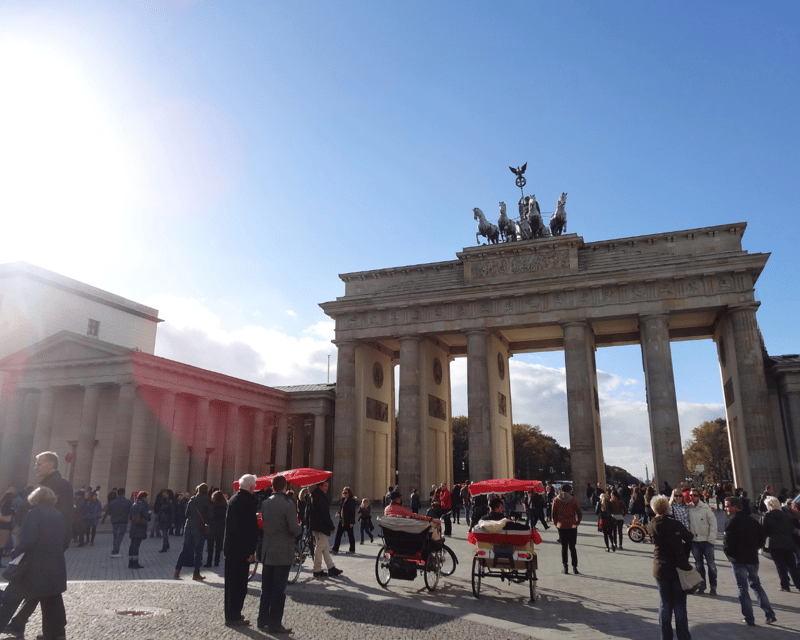
Brandenburg Gate receives about 20 minutes of guided attention. It began as a royal city gate and later became one of the clearest symbols of Berlin’s division and reunification. You will get more from it if you look beyond the familiar columns and consider how many different political eras have used this same site.
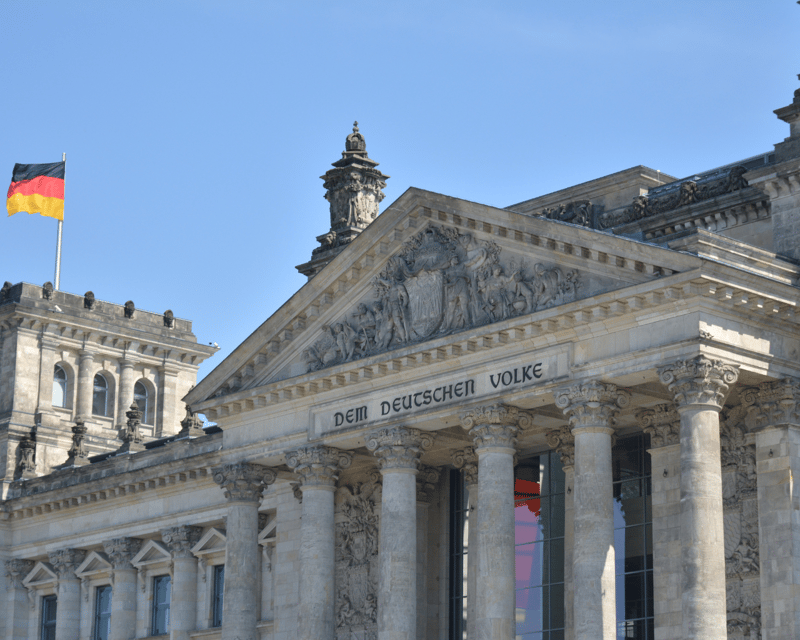
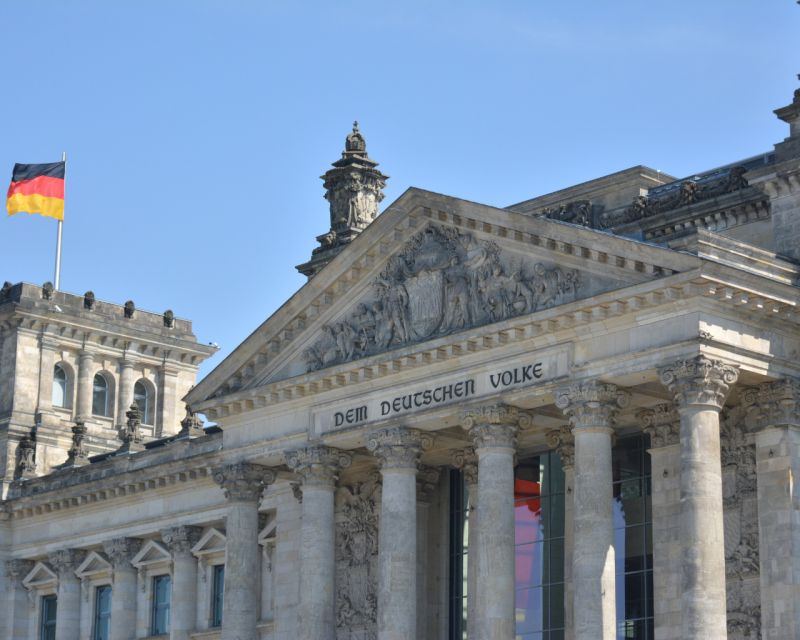
The next stop is the Reichstag, also allocated about 20 minutes. The building represents Germany’s parliamentary tradition, but it also carries the scars and arguments of the country’s modern past. Here, the guide helps place the structure within the broader story of German government and the changes that followed reunification.
This section of the walk is especially useful for first-time visitors because both landmarks are easy to photograph but harder to understand without context. The guide’s job is not simply to point at them. It is to explain why these buildings matter now.
The Holocaust Memorial and Hitler’s bunker site
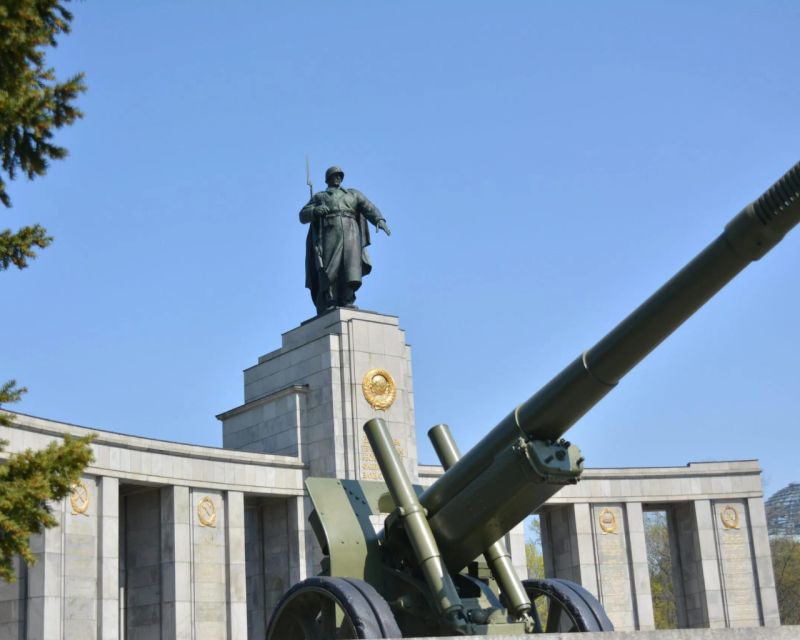
The Memorial to the Murdered Jews of Europe is given around 15 minutes of guided explanation. The field of concrete blocks is one of Berlin’s most recognizable modern memorials, yet its effect depends on how you move through it and what you understand about its purpose.
This is not a light sightseeing stop. The guide introduces the memorial in the setting of Nazi persecution and the murder of Europe’s Jews. You should expect a serious tone and allow yourself time to take in the site rather than treating it as a quick background for photographs.
The tour then moves to the Hitler bunker site for another 15 minutes. The bunker itself is not presented as a preserved attraction, which is important to know. The value of this stop is historical orientation: you learn where the final chapter of the Nazi government unfolded and how the site fits into present-day Berlin.
I appreciate the decision to include this location without turning it into a spectacle. You get the facts and the setting, but not a dramatic shrine to a dictator. The amount of time is enough for a clear explanation, though not enough for a long discussion.
Still Berlin, at a slower pace:
- Berlin: Reichstag, Dome and Government District Guided Tour
★ 4.7 · 18,288 reviews - Berlin: 1-Hour City Tour by Boat with Guaranteed Seating
★ 4.3 · 16,993 reviews - Berlin: Boat Tour Along the River Spree
★ 4.4 · 11,252 reviews - Discover Berlin Half-Day Walking Tour
★ 5.0 · 9,624 reviews
The German Finance Ministry and the Topography of Terror
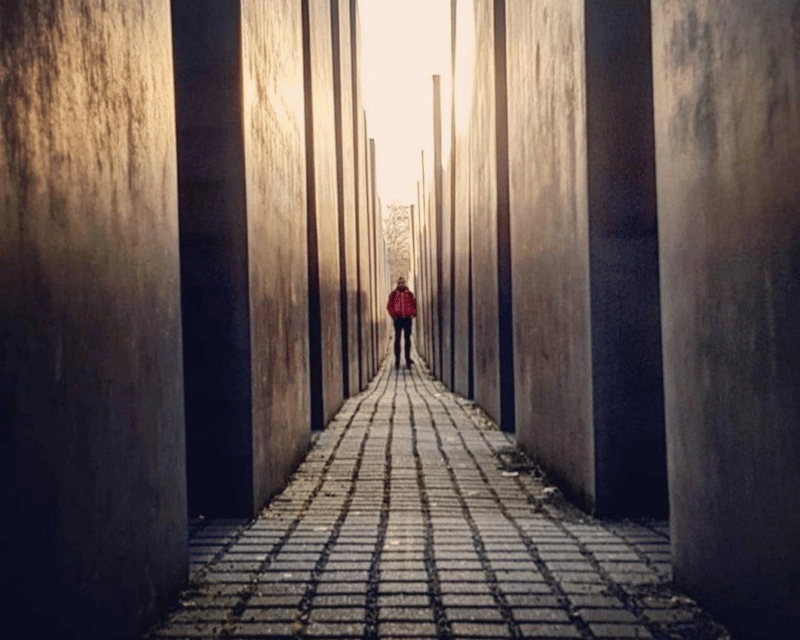
The German Finance Ministry receives about 15 minutes of sightseeing time. Its place on the route helps show how government buildings have been used and reused through Berlin’s political changes.
After that, the tour reaches the Topography of Terror for roughly 20 minutes of guided discussion. This is one of the most valuable stops for anyone who wants more than the headline version of Berlin’s Nazi history. The site examines the institutions of persecution and terror, giving you a more grounded view of how dictatorship operated.
The contrast between the Finance Ministry and the Topography of Terror is useful. You are not studying isolated monuments. You are seeing how ordinary-looking streets and government buildings can hold very difficult memories.
This is also where the guide’s style matters most. A careful explanation can make the material clear without flattening it into a string of grim facts. Al was praised for offering detail beyond standard text and for adjusting his sharing to the people around him. That kind of personal approach would be particularly helpful at these stops.
Checkpoint Charlie and the memory of the Berlin Wall
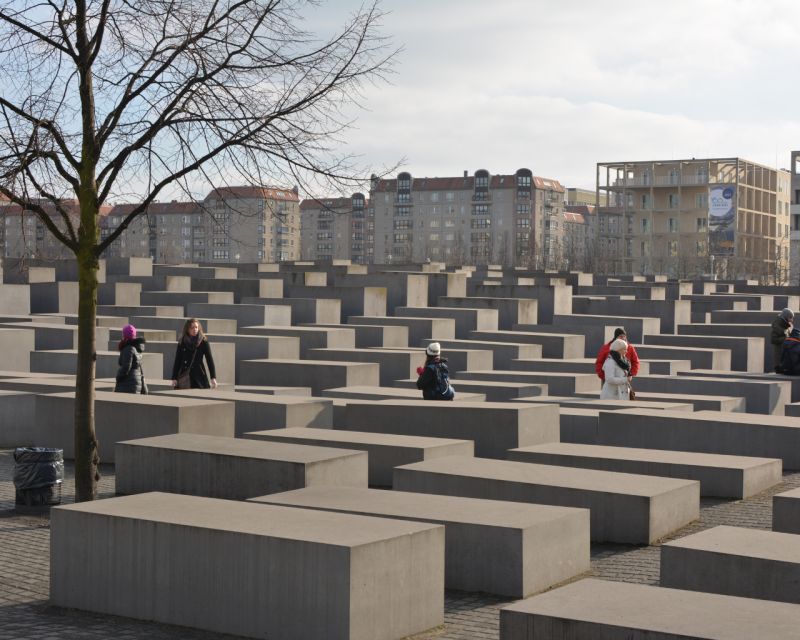
Checkpoint Charlie receives around 20 minutes of guided attention. The former crossing point is one of the clearest places to discuss Cold War Berlin, the Wall, and the division between East and West.
The modern area can feel busy with commercial displays and photo opportunities, so a guide helps separate historical fact from later presentation. You can learn what the checkpoint represented, how the divided city worked, and why Berlin became such a powerful symbol of the Cold War.
I would not expect a full study of every aspect of the Berlin Wall in this short stop. Instead, think of it as a compact explanation that gives you enough background to visit other Wall sites with better understanding.
The route’s movement from Nazi Germany to the divided city is one of its strongest features. You see that Berlin’s twentieth century was not one single disaster followed by a simple recovery. The city went through destruction, political division, and a long process of rebuilding its identity.
Gendarmenmarkt, Bebelplatz, and Unter den Linden
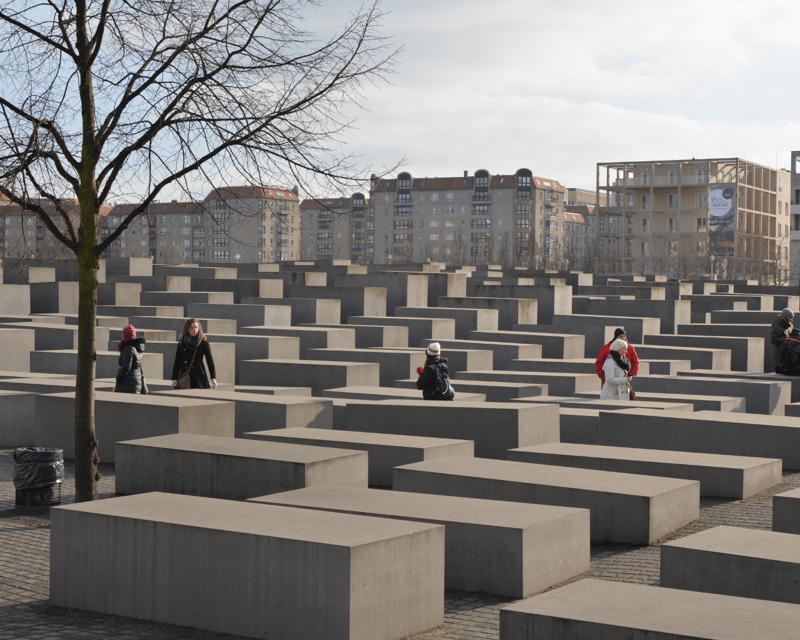
Gendarmenmarkt receives about 15 minutes of guided time. This handsome square brings you back to Berlin’s royal and cultural past, giving the walk a visual change after the darker sites connected with dictatorship and war.
The square helps explain Berlin before the twentieth century transformed it. The tour’s wider historical frame includes Prussia and the city’s earlier development, so this stop is more than a pretty pause. It shows the architectural and political traditions that shaped central Berlin.
Bebelplatz is next, with about 15 minutes of guided explanation. The square is tied to the Nazi book burning of 1933, making it another place where the city’s attractive public spaces carry painful memories. The stop is brief, but it adds an important warning against seeing Berlin only through grand buildings and royal avenues.
Unter den Linden receives about 20 minutes. This famous boulevard links several major parts of the historic center and helps you understand how Berlin’s monuments, institutions, and public life were arranged.
This stretch may be the easiest part of the tour for taking in the city’s architecture. Still, the guide keeps the focus on change over time. You see how a royal avenue can become part of a modern capital while carrying layers of political memory.
Museum Island and the return to Ebertstraße
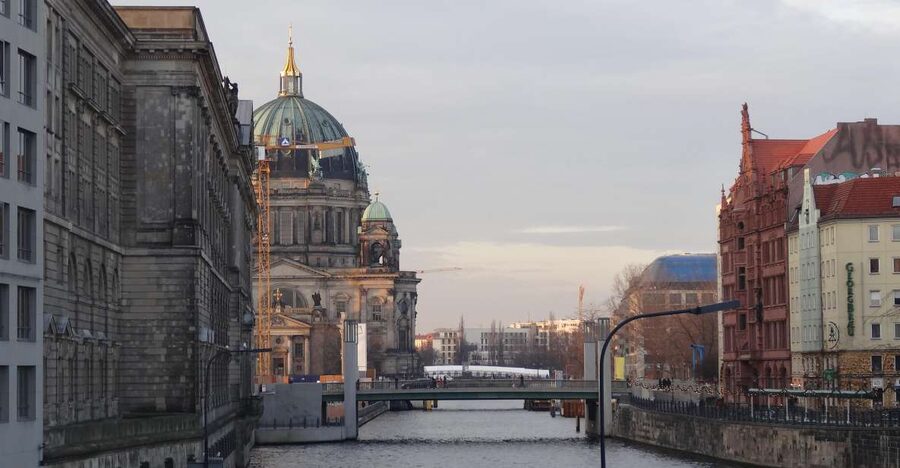
The final major stop is Museum Island, listed as a sightseeing stop for about 20 minutes. The island is one of Berlin’s central cultural areas, and even a short visit gives you a sense of how important museums are to the city’s identity.
Do not expect museum entry during this walking tour. The $31 covers the three-hour walk with an expert guide, while food, drinks, and admission costs are not included. That arrangement can be good value if you plan to choose your own museum later, since you are not paying for a rushed indoor visit.
Museum Island also gives the route a fitting ending. You have moved from royal Berlin through war and dictatorship to a capital that presents its past in public institutions, memorials, and rebuilt spaces.
The walk then returns to Ebertstraße. Since the start and finish are in the same central area, you can continue sightseeing nearby or use the tour as a map for planning the rest of your day.
How much history fits into three hours?
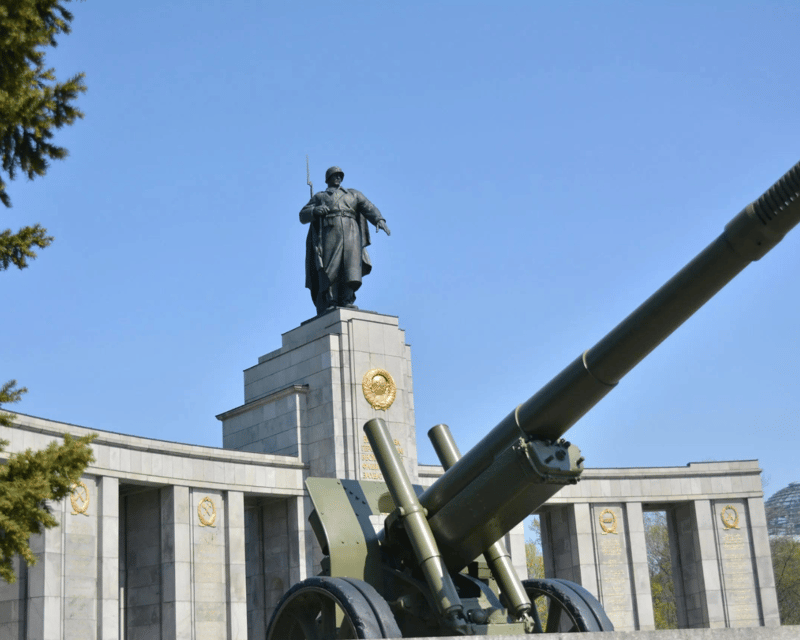
A great deal, but not everything. The route lists 13 points, with several stops receiving 15 to 20 minutes. That makes the experience broad rather than slow and intimate.
You will cover the main story of Berlin, but some places will receive only a compact explanation. If you want to study the Holocaust Memorial at length, spend hours inside museums, or trace the Wall through several neighborhoods, you will need separate time afterward.
The benefit is orientation. After three hours, you should have a clearer sense of where the main historical zones sit and how they connect. One family described the experience as a strong foundation for understanding the city during the rest of their visit. That is exactly the right way to view it.
The guide’s speaking style is worth considering. One guest found the explanations too long and felt there was not enough time for photographs or simply looking around. I would book this if you enjoy listening to a serious historical guide. If you prefer a loose walk with frequent photo breaks, this may feel demanding.
Is $31 a fair price?
At $31 per person, the tour offers solid value if you want a guided overview of central Berlin. You receive three hours with an English-speaking guide and visit many of the city’s major historical points without paying separate entrance fees.
The value comes from the connections between the sights. You could walk past Brandenburg Gate, Bebelplatz, and Checkpoint Charlie on your own, but you might miss how their stories fit together. The guide adds structure and helps you avoid spending your first day simply figuring out where everything is.
The price is less compelling if you already know Berlin well or plan to spend most of your time inside museums. It also does not include refreshments or admission to attractions, so budget separately for those.
Free cancellation up to 24 hours before the tour and reserve-now, pay-later booking make it easier to place the walk early in your schedule. That is useful because the tour can give you a working plan for later days.
Who should book this walking tour?
I would recommend it to first-time visitors who want a serious introduction to Berlin. It is also a good fit for families with older children or young adults who can handle difficult subjects and several hours of guided walking.
History-minded visitors will get the most from the route. You visit major landmarks, but you also stop at places connected with Nazi terror, the Holocaust, the Cold War, and the Berlin Wall. The tour does not treat Berlin as a collection of pretty squares.
The route can also help you get your bearings fast. Since it includes Alexanderplatz and Museum Island in the broader tour description, along with central stops such as Unter den Linden and Gendarmenmarkt, you gain useful knowledge of the historic district and its nearby sights.
I would be more cautious if you need lots of free time at each stop. The tour moves on a schedule, and one poor experience came from a guide who talked almost continuously. The best outcome depends heavily on the guide’s ability to balance explanation with quiet time, photos, and questions.
Should you book Explore Berlin Tour: History and Highlights?
Book it if you want a clear, serious overview of Berlin in three hours and value explanation over a casual stroll. The route is unusually strong for its range, moving from Prussian Berlin to the Nazi period, the Holocaust, the Cold War, reunification, and the modern capital.
The strongest reason to book is the chance to connect major landmarks with difficult history. The main caution is the lecture-heavy style some people may encounter, plus the need to identify the guide carefully at Ebertstraße.
For $31, I see this as a good first-day tour, especially if you have limited time. Go ready to listen, wear comfortable shoes, and leave extra time afterward for the places that deserve a slower look.
FAQ
How long does the Explore Berlin Tour last?
The walking tour lasts three hours.
What is the price of the tour?
The price is $31 per person.
What language is the tour conducted in?
The live tour guide speaks English.
Where does the tour meet?
The meeting point is outside Hopfingerbräu at Ebertstr. 24, 10117 Berlin, next to Brandenburg Gate.
Which Berlin sights are included?
The route includes Brandenburg Gate, the Reichstag, the Holocaust Memorial, Hitler’s bunker site, the German Finance Ministry, the Topography of Terror, Checkpoint Charlie, Gendarmenmarkt, Bebelplatz, Unter den Linden, and Museum Island. Alexanderplatz is also listed among the tour highlights.
Does the tour include food, drinks, or admission tickets?
Food and drinks are not included. The provided tour information only includes the three-hour walking tour with an expert guide.
Can I cancel for a full refund?
Yes. You can cancel up to 24 hours in advance for a full refund.
Is the walking tour wheelchair accessible?
Yes, the activity is described as wheelchair accessible.
Just added around Berlin
- Private Walking Tour in Berlin: Hitler’s Germany & WWII★ 5.0 · 7 reviews
- The History of Berlin: WWII PRIVATE Walking Tour With Locals★ 5.0 · 209 reviews
- Private Berlin WWII and Cold War History Tour with Local Expert Guide★ 5.0 · 28 reviews
- Private Walking Tour Berlin 3 hours: Brandenburg, Historic Center★ 5.0 · 7 reviews
- Berlin: Private Bike Tour of the Berlin Wall and Third Reich★ 5.0 · 23 reviews
- Berlin: Guided Private Bike Tour to Explore the Highlights★ 5.0 · 12 reviews
- Berlin Photography Masterclass – Private Photography Lesson★ 4.5 · 23 reviews
- Group Driving Tour 1 to 6 people. Berlin Shore Excursion incl pick-up at Port★ 5.0 · 8 reviews
Historical Tours, compared.
City History Canal Sightseeing Tour on a Motorboat
Read our review →

Browse the lists this tour appears in