
Reviewed · THIRD REICH HISTORY TOURS
Nuremberg: Historischer Kunstbunker WWII Art Bunker Tour
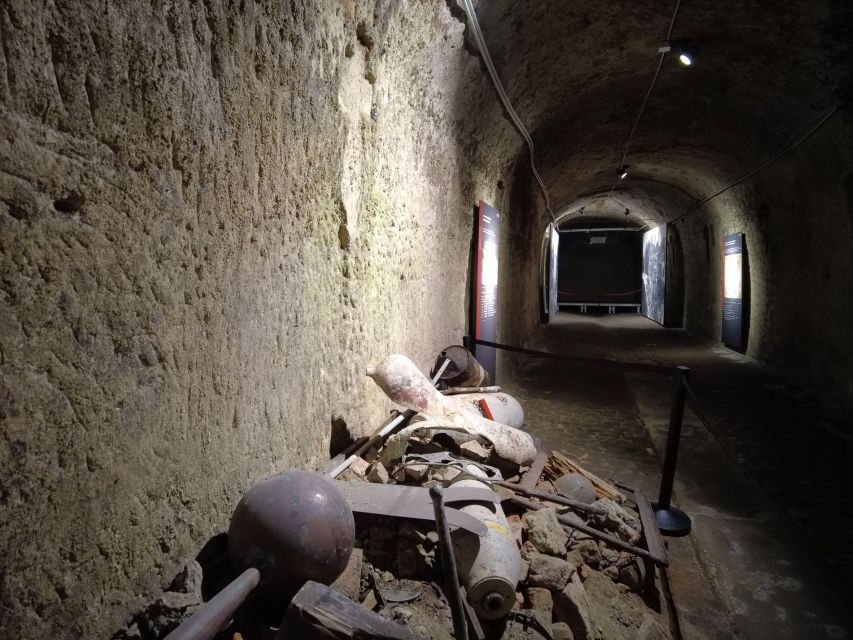
Art survived underground. In Nuremberg’s Old Town, the Historischer Kunstbunker offers a close look at the tunnels where major treasures were protected from World War II bombing. I like the way this one-hour tour links art, wartime planning, and the rebuilding of the city instead of treating the bunker as a bare military relic. The chance to learn how works connected with Albrecht Dürer, the Veit Stoss Altarpiece, the Frauenkirche clock, and the Codex Manesse were safeguarded is a real draw.
I also like the setting. You enter a medieval cellar once used for storing beer, then follow a guide through the underground network that became an air-raid shelter and art storehouse. Guides such as Andreas, Michael, Marianne, Jana, and Adrian have been praised for clear English, local insight, humor, and patient answers. The main drawback is comfort: the tunnels stay around 10 to 12°C, and a group of about 21 people can feel cramped in the narrow spaces.
In This Review
- Key points to know before you go
- Entering Nuremberg’s medieval cellar
- How the bunker protected Nuremberg’s art
- Following the tunnel network with a guide
- Nuremberg reduced to rubble, then rebuilt
- What the one-hour format gets right
- Cold tunnels and practical comfort
- Is it suitable for children and history beginners?
- How this compares with a standard museum visit
- Booking, cancellation, and meeting details
- Should you book the Historischer Kunstbunker tour?
- FAQ
- How long does the Historischer Kunstbunker tour last?
- How much does the tour cost?
- What is included in the ticket?
- Is the tour available in English?
- Where do I meet the guide?
- What should I wear?
- Is the tour suitable for wheelchair users?
- Can I cancel for a refund?
Key points to know before you go
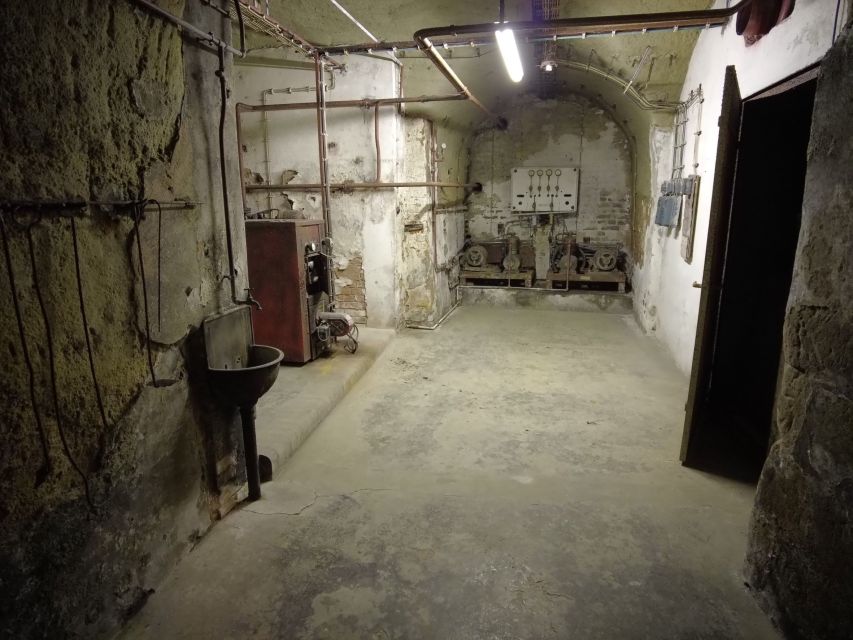
- Major artworks were hidden below Nuremberg: Learn how prized pieces, including the Veit Stoss Altarpiece and Codex Manesse, were protected during air raids.
- The Old Town’s destruction is part of the story: The tour explains how bombing destroyed about 90 percent of the medieval center and how Nuremberg was rebuilt afterward.
- The bunker has medieval roots: Before its wartime use, the cellar served as a beer-storage space.
- It is short but packed with context: The tour lasts one hour, making it easy to fit around other sights in central Nuremberg.
- Bring a warm layer in every season: The underground temperature remains cold even during summer.
- Expect stairs, tight passages, and standing: This is not suitable for wheelchair users, people with mobility impairments, or people with claustrophobia.
Entering Nuremberg’s medieval cellar
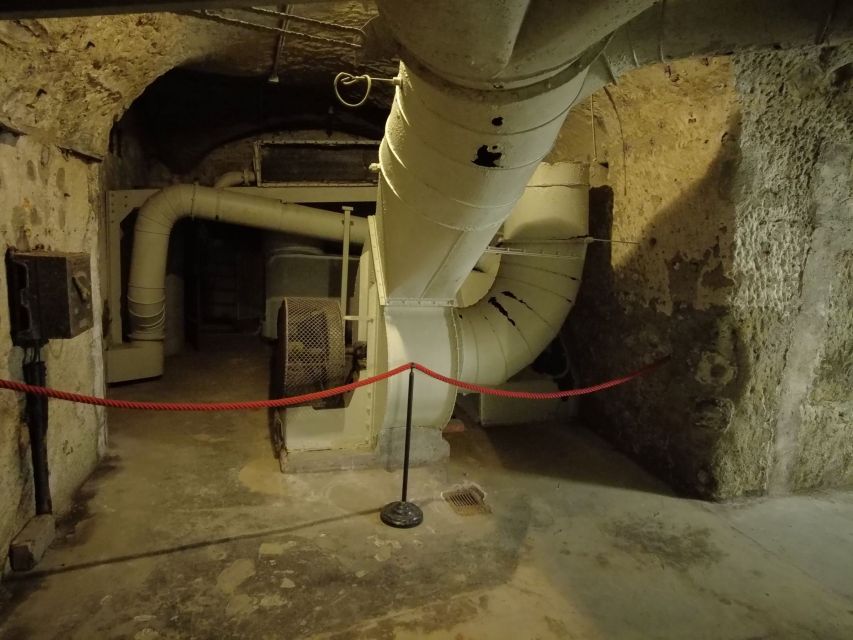
The tour begins at the entrance to the Historischer Kunstbunker in Nuremberg’s Old Town. You meet your English or German-speaking guide there, pay no extra admission once your booking is set, and head below street level.
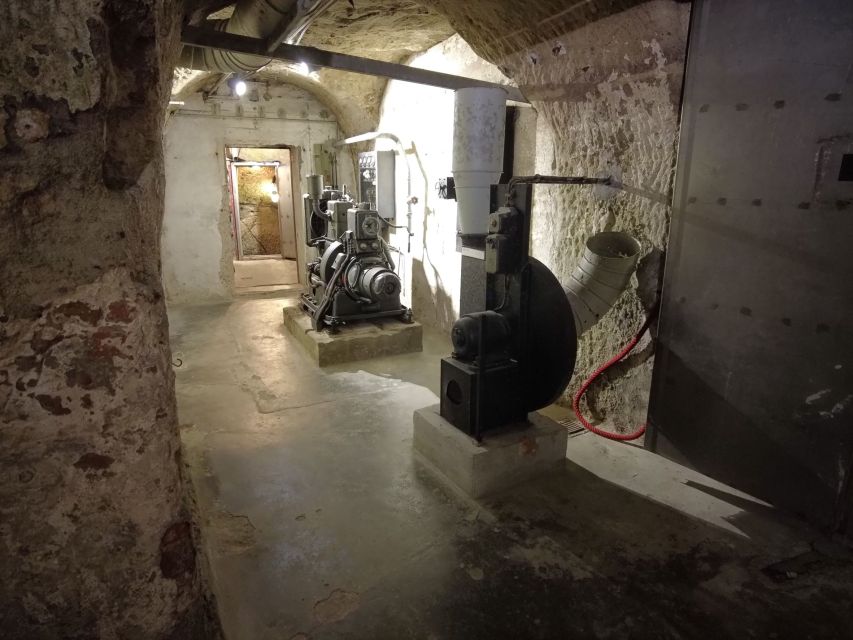
That first step underground changes the feel of the visit. Above you are the picturesque streets and historic squares of central Nuremberg. Below you is a cellar cut into the rock, with a much older life than its World War II role. The space was once used to store beer, a reminder that historic buildings often gather new purposes over centuries.
I find this opening valuable because it keeps the bunker from becoming a simple war museum. You are not entering a site built only for the Nazi period. You are entering an older part of the city that was adapted for a frightening new problem.
The route is guided rather than self-directed. That matters here. Tunnels can look repetitive, and a local guide gives the rooms a human and civic context. Guides have also shared personal connections to Nuremberg, including memories of growing up in the area and family stories tied to the city. That local angle can make the rebuilding story feel less like a distant textbook chapter.
More Third Reich History Tours in Nuremberg
- Nuremberg: Walking Tour of Former Nazi Party Rally Grounds
★ 4.7 · 1,665 reviews - Nuremberg Old Town and Nazi Party Rally Grounds Walking Tour in English
★ 4.5 · 504 reviews - Nuremberg Old Town and Nazi Rally Grounds Walking Tour
★ 4.7 · 377 reviews
How the bunker protected Nuremberg’s art
The main subject is the rescue operation that moved important artworks into protected underground storage. During the war, Nuremberg faced bombing that destroyed about 90 percent of its medieval Old Town. The bunker became a place where fragile and valuable objects could be kept away from fire, falling masonry, and blast damage.
You learn about works connected with Albrecht Dürer, one of Nuremberg’s most famous artists. The tour also covers the Altarpiece of Veit Stoss, the automaton clock from the Frauenkirche, and the Codex Manesse. These names give the tour weight, but the point is not simply to list famous objects. Your guide explains why certain works mattered and why protecting them required careful planning.
The bunker’s importance comes from that practical story. People had to decide what could be moved, where it could go, and how it might survive repeated air raids. The art was not protected by chance. It was placed within a system of storage areas and tunnels prepared for wartime conditions.
Do not expect a conventional art museum with rows of paintings and polished display cases. The bunker is primarily a place of preservation and history. The rooms, walls, and underground layout tell much of the story. If you want to see original masterpieces on display, this may not satisfy you in the same way as a gallery visit. If you want to understand how art was saved during a city’s destruction, the setting does the job far better than a standard exhibition room.
Following the tunnel network with a guide
The route takes you through the bunker’s interconnected underground spaces. A guide leads the way and explains how the tunnels were used, both before and during the war.
This is one of those tours where the guide makes a major difference. The strongest guides have been praised for clear explanations, calm delivery, humor, and an ability to answer questions without losing the group. Marianne, Andreas, Michael, Jana, Adrian, Owen, Ralf, and others have received especially warm praise for making difficult material accessible.
A good guide also helps you picture the bunker as a working place rather than an empty cellar. You hear how the underground rooms were adapted for protection and how the city above was facing destruction. The best presentations connect the physical structure with the people who planned, used, and later rebuilt Nuremberg.
English tours are available, and the quality of spoken English has been praised repeatedly. Guides have been described as easy to understand and willing to explain details for visitors from many countries. German tours are also offered.
The only regular concern is space. One group described about 21 people feeling crowded in parts of the route. Narrow passages and small rooms naturally limit comfort, especially when everyone gathers around the guide. If you dislike close quarters, try to choose a quieter time if availability allows, though group size may vary.
Nuremberg reduced to rubble, then rebuilt
The bunker story makes the wartime destruction of Nuremberg more concrete. Instead of discussing bombing only in terms of dates and statistics, the guide can point out that the city above was heavily damaged and that much of the medieval Old Town had to be rebuilt.
This part of the tour is especially useful if you have already walked through Nuremberg’s central sights. Seeing the restored streets, churches, and squares first gives the underground explanation more force. You begin to understand that the historic appearance of the city is partly the result of postwar reconstruction.
Several guides also place the bunker within the wider history of Nuremberg during the Third Reich and World War II. The emphasis remains on the art bunker and the city’s wartime experience, but the larger political setting helps explain why Nuremberg needed such extensive air-raid preparations.
I would pair this tour with a walk through the Old Town before or after your visit. The central location makes that easy. You can study the rebuilt streets above ground, then see the wartime storage spaces below. A nearby square also gives you a convenient place to pause for a drink after the tour.
For visitors interested in the city’s Nazi-era history, the bunker offers a different angle from the major documentation sites. It focuses on the physical survival of Nuremberg’s art and buildings, while also showing the human effort behind that survival. One history-focused visitor found it especially useful after visiting other major city sites earlier in the day.
Still Nuremberg, at a slower pace:
- Nuremberg: City Tour with the Bimmelbahn Train
★ 4.4 · 2,475 reviews - Nuremberg: Old Town Guided Walking Tour
★ 4.6 · 2,416 reviews - Nuremberg: Tunnels and Secret Passages in the City Wall Tour
★ 4.8 · 2,334 reviews - Nuremberg: Medieval Dungeons Guided Tour
★ 4.8 · 1,726 reviews
What the one-hour format gets right
The one-hour length is a strong feature. Nuremberg has enough museums, churches, historic streets, and World War II sites to fill a full day, so a compact tour is easy to schedule.
You get a focused explanation without committing half a day to a single museum. It works well in the morning before exploring the Old Town, or in the afternoon after visiting other sights. The tour is also a good choice if your schedule includes only a short stop in Nuremberg.
The short format does mean the guide must keep moving. You will not have unlimited time to linger in each room or ask every possible question. Still, the guides appear to make room for questions, and several have been praised for encouraging discussion.
At $14 per person, the value is strong. The fee includes entry and the live guide, and you receive a full hour of historical interpretation in a site you cannot properly understand by simply walking through it alone. You are paying less for a large collection of objects than for access to a preserved underground space and the story that connects it to Nuremberg’s art and wartime fate.
Cold tunnels and practical comfort
Wear warm clothing. The temperature inside is around 10 to 12°C, regardless of the weather outdoors. That means a jacket or warm sweater is useful even if you visit in July. Several people wished they had received a clearer warning, while others simply advised bringing a jersey or extra layer.
The cold is not a minor detail. You are underground for the full hour, and standing still while listening can make the temperature feel sharper. Comfortable shoes are also sensible because the tour involves navigating tunnels and underground spaces.
The bunker is not suitable for wheelchair users, people with mobility impairments, or people with claustrophobia. The supplied information does not give a detailed description of every step, stair, or surface, so you should contact the provider before booking if you have concerns about walking or standing.
One thoughtful guide brought a small folding chair for a visitor who could not stand for long. That was a welcome gesture, but you should not assume a chair will always be available. If you need regular seating, ask in advance.
The tour runs rain or shine. That is good news on a wet day because the visit takes place indoors, but the cold underground temperature does not change with the weather.
Is it suitable for children and history beginners?
Yes, if your children can manage an hour of walking and listening in a dark, cold underground setting. A family with 12 and 13-year-old children found the tour engaging from start to finish. Humor and storytelling help, especially when the guide explains the bunker through people and decisions rather than only dates.
The subject includes wartime destruction, Nazi-era history, and the loss of much of Nuremberg’s historic center. It is serious material, though the presentation can remain accessible. I would choose it for older children and teenagers who have some interest in history, art, buildings, or unusual places.
You do not need prior knowledge. A World War II enthusiast may already know some of the background, but the physical bunker and the art-saving operation still offer something different. Beginners get a clear introduction to Nuremberg’s wartime history without having to prepare first.
Art lovers will appreciate the connection to Dürer and the other protected works. Architecture fans will enjoy the cellar and tunnel system. History-focused visitors will get the most from the explanations of air raids, preservation, and reconstruction.
How this compares with a standard museum visit
A regular museum gives you objects in a controlled viewing environment. The Kunstbunker gives you the storage environment itself.
That difference is the reason to book. You can stand in the same type of underground spaces used to protect priceless works while learning how the system operated. The bunker makes the problem physical: above ground, a historic city was being attacked; below ground, people were trying to keep its cultural memory alive.
The trade-off is that the tour does not offer the breadth of a major museum. You will not see a large selection of art, and the experience depends heavily on the guide’s storytelling. The strong guide reports suggest that this part is usually handled well, but the exact person leading your tour can shape the tone.
I also like that the tour does not treat reconstruction as an afterthought. The story continues after the bombs stopped. You hear how Nuremberg was rebuilt and gain a better understanding of why the city today looks both historic and renewed.
Booking, cancellation, and meeting details
The meeting point is the entrance to the Historischer Kunstbunker Museum in the Old Town. Transportation, food, and drinks are not included, but you do not need transport for the tour itself once you reach the central meeting point.
The activity is offered in English and German. You can reserve now and pay later, which helps if your sightseeing plans are still shifting. Free cancellation is available up to 24 hours before the scheduled start for a full refund.
Check the available starting times when booking because the tour lasts one hour and times can vary. Leave a little room afterward if you want to discuss the history with your group or continue exploring the Old Town.
Should you book the Historischer Kunstbunker tour?
I would book it if you care about World War II, Nuremberg’s rebuilding, medieval art, or unusual historic spaces. At $14, it is an easy addition to a day in the Old Town, and the one-hour format leaves plenty of time for other sights.
Come prepared for a cold, confined underground route. If tight spaces, stairs, or standing are a serious problem, choose another activity. For everyone else, the combination of saved artworks, medieval beer cellars, wartime air raids, and postwar rebuilding gives you a strong piece of Nuremberg’s story in a short visit.
FAQ
How long does the Historischer Kunstbunker tour last?
The tour lasts one hour.
How much does the tour cost?
The price is $14 per person.
What is included in the ticket?
The price includes entry to the Historischer Kunstbunker Museum and a live guide.
Is the tour available in English?
Yes. Tours are available in English and German.
Where do I meet the guide?
Meet your guide at the entrance to the Historischer Kunstbunker Museum.
What should I wear?
Bring warm clothing. The temperature inside the bunker is around 10 to 12°C, regardless of the weather outside.
Is the tour suitable for wheelchair users?
No. The tour is not suitable for wheelchair users or people with mobility impairments.
Can I cancel for a refund?
Yes. You can cancel up to 24 hours in advance for a full refund.
Just added around Nuremberg
- Tour en español al Campo Zeppelin★ 5.0 · 8 reviews
- Stein: Public guided tour of the “Old Mine” museum★ 4.5 · 18 reviews
- “Rotes Bier” and “Blaue Zipfel”. A historical-culinary walk★ 4.4 · 190 reviews
- Nuremberg: Old Town Guided Tour By Bus★ 4.4 · 198 reviews
- Nürnberg kennenlernen: Highlights in der Altstadt★ 4.7 · 189 reviews
- Nuremberg: Bar and Club Tour with Free Shots and Free Entry★ 3.8 · 23 reviews
- Nürnberg Bachelor(ette) Party with Night PubCrawl★ 4.2 · 5 reviews
- Nuremberg: WWII Tour, Courtroom 600 and 3rd Reich Sites★ 4.6 · 94 reviews