
Reviewed · MUSEUMS
Stein: Public guided tour of the “Old Mine” museum
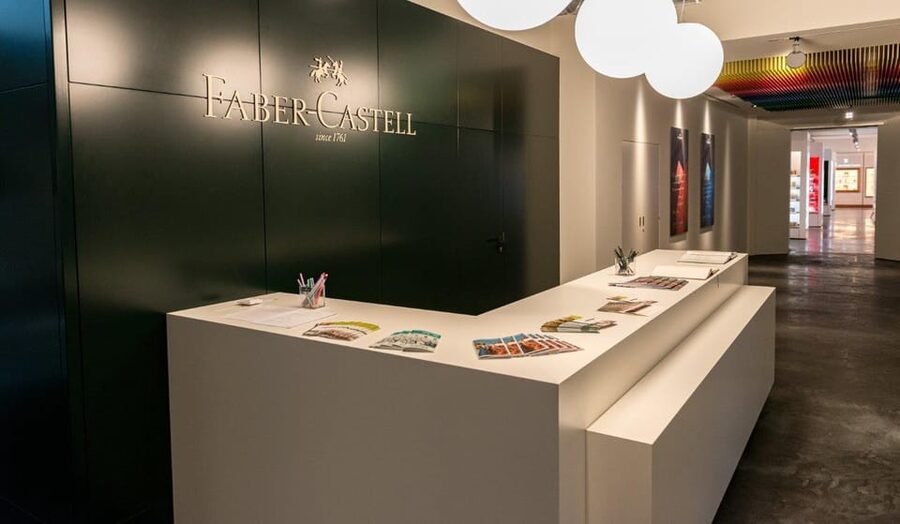
Old pencil mines hide surprising stories. Faber-Castell’s Old Mine museum in Stein takes you through historic production rooms from 1848, where the making of pencil and colored-pencil leads becomes much easier to understand. I like the well-explained production history and the chance to enter a listed industrial building that is normally easy to miss. The included souvenir and 15% castle-store discount on weekdays add a little extra value.
The main drawback is the pace. A 90-minute guided tour gives you plenty of information, but one German visitor found there was not enough time to study all the old photographs and explanatory panels. You should also expect long walks and uneven access in historic rooms, so sturdy shoes matter.
In This Review
- Key points about Faber-Castell’s Old Mine tour
- Why the Old Mine is worth your time
- Starting at the Faber-Castell Visitor Center
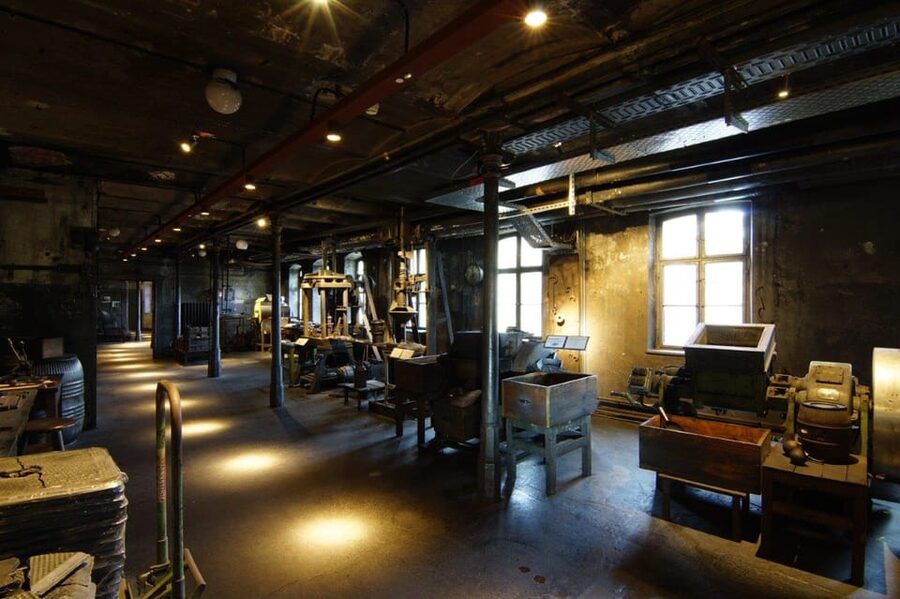
- Entering the 1848 mine production rooms
- How pencil leads were made
- What the old exhibits add
- A guided visit rather than a casual museum stop
- How the 1.5-hour timing feels
- The $14 price and what you receive
- Who will enjoy this tour most
- Practical planning before you go
- Should you book the Old Mine tour?
- FAQ
- Where does the Old Mine tour begin?
- How long does the guided tour last?
- Where does the tour finish?
- What languages are available?
- What does the ticket include?
- How much does the experience cost?
- Is the site accessible for visitors with limited mobility?
- Can I cancel the booking?
Key points about Faber-Castell’s Old Mine tour
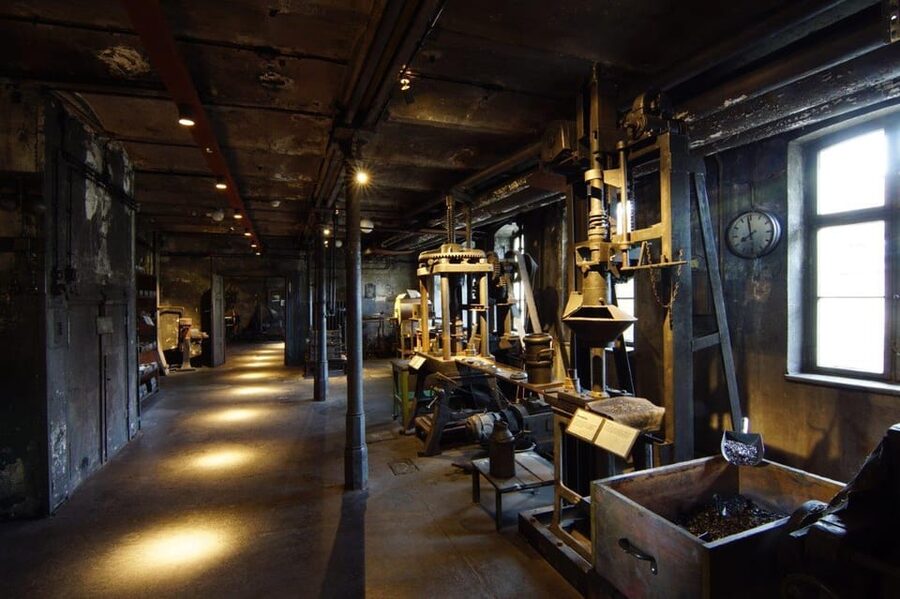
- See a real 1848 industrial building: The museum occupies historic production rooms on the west bank of the Rednitz near Nuremberg.
- Follow pencil-lead production: Old equipment and exhibits show how graphite and colored-pencil leads were made in the 19th and 20th centuries.
- Tour two floors of connected rooms: The building has a layered arrangement of levels and spaces from different periods.
- Hear the story in German or English: A live guide leads the 1.5-hour visit, with some material presented in its original language.
- Receive useful extras: Your ticket includes a souvenir and a 15% discount at the castle store on the day of the tour, Monday through Friday.
- Plan for historic access: The premises are not barrier-free, and the visit involves walking long distances.
Why the Old Mine is worth your time
Faber-Castell is best known for pencils, but the Old Mine museum gives you a closer look at what sits behind that familiar brand. Instead of treating the pencil as a simple office object, the tour explains the work, machinery, and care needed to make its central lead.
That practical focus is the museum’s greatest strength. You do not need to be a stationery enthusiast to appreciate it. The production process is presented in a way that connects old methods with modern manufacturing, so you can see which basic ideas have changed and which have remained much the same.
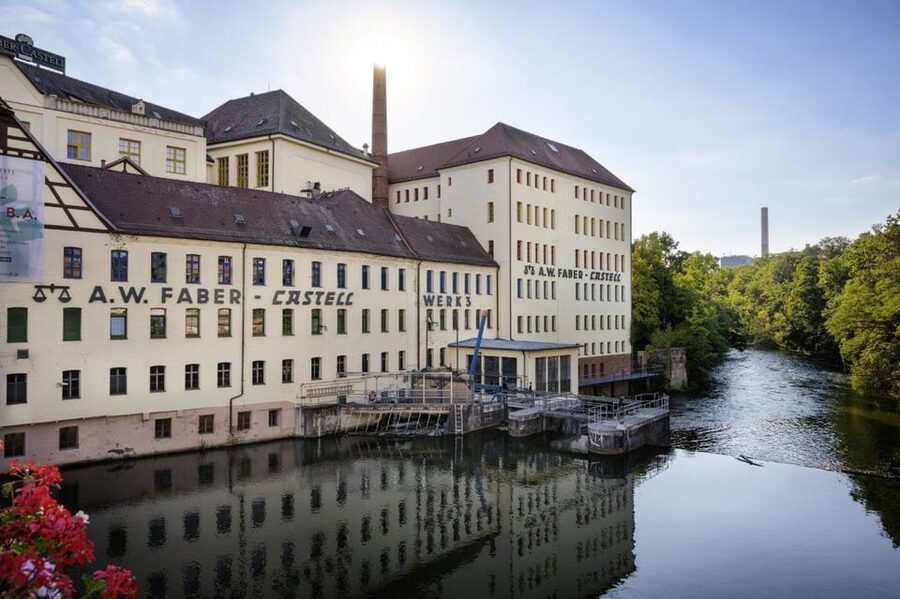
The museum also offers something that a standard company shop cannot: access to working spaces from an earlier industrial period. The building dates from 1848 and has been preserved as a listed structure. Its rooms and levels were created in different eras, giving the visit a slightly irregular character rather than the polished feel of a new exhibition hall.
I like that quality. The building itself is part of the display. Floors, rooms, photographs, panels, and old objects work together to show how production developed over time.
More Museums in Nuremberg:
- Berlin: Jewish Museum Berlin Entrance Ticket
★ 4.5 · 8,393 reviews - Berlin: DDR Museum Tickets
★ 4.3 · 3,443 reviews - Berlin: Natural History Museum Entrance Ticket
★ 4.6 · 3,382 reviews
Starting at the Faber-Castell Visitor Center
Your visit begins at the Faber-Castell Visitor Center, also identified as Faber-Castell Erleben. Booking is required, so you should have your reservation ready before arriving.
This is not a self-guided museum visit. You meet the guide at the visitor center, then take part in the scheduled tour of the Old Mine before returning to the same starting point. The full visit lasts about 1.5 hours, which makes it fairly easy to fit into a day around Stein and the Faber-Castell site.
You should check the available starting times when booking. The exact schedule is not fixed in the information provided, and the guided format means you cannot simply arrive whenever it suits you.
The tour is offered in German and English. Some content is shown in its original language, so English-speaking visitors may encounter labels or material that are not fully translated. That is worth knowing in advance, especially if you want to read every panel rather than rely mainly on the guide.
Entering the 1848 mine production rooms
The Old Mine occupies a building on the west bank of the Rednitz. Constructed in 1848, it now forms a compact industrial museum with rooms and levels from different periods.
The building’s unusual arrangement is part of the experience. You move through two floors of connected production spaces, with the structure itself helping explain how the site developed. You may find the layout less straightforward than a modern museum, but it gives the visit a stronger sense of place.
This is a useful contrast with a display made entirely of replicas. The historic rooms provide a physical setting for the machinery, photographs, and written information. Even before the guide begins explaining the process, you can see that the work took place in a demanding industrial environment.
Because the premises include historic areas, access is not barrier-free. The operator warns that you may need to walk long distances, and sturdy shoes are recommended. If you have mobility concerns, you should contact the provider before booking rather than assume every part of the route will be suitable.
How pencil leads were made
The heart of the tour is the explanation of lead production. The guide covers the manufacture of pencil and colored-pencil leads, with particular attention to the methods used during the 19th and 20th centuries.
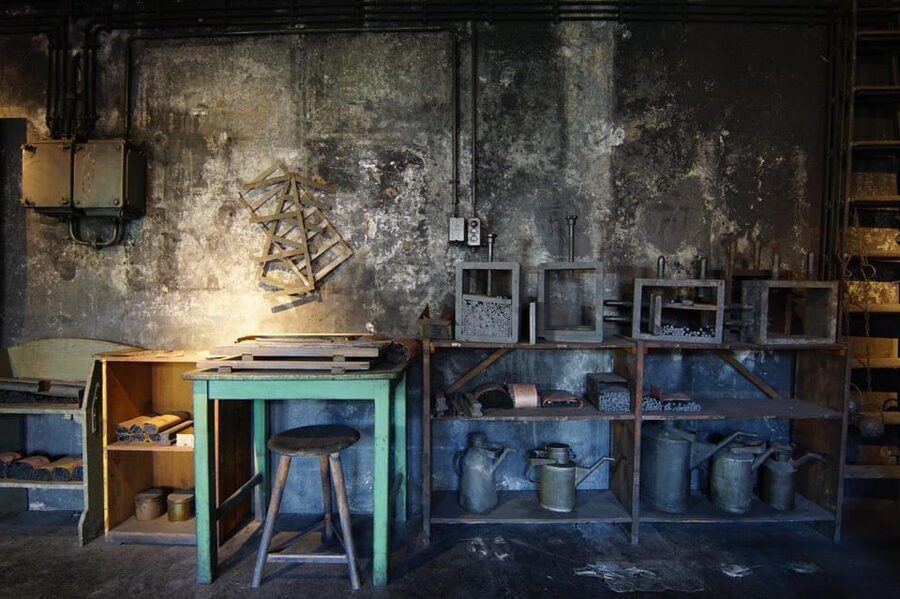
You learn that the lead inside a pencil is not simply a piece of graphite pushed into wood. It is a manufactured material, and the tour explains the stages that give it the right form and function. Old exhibits help you connect the written explanation with the actual tools and production equipment.
That link between process and object is what makes the visit useful. After the tour, a pencil is less of a mystery. You can understand why different leads behave differently and why colored pencils require their own production approach.
One visitor particularly appreciated the general information about both graphite and colored-pencil manufacture, as well as the way the old exhibits showed a process that remains broadly similar today. That is a good reason to pay attention to the guide’s comparisons between past and present methods.
The tour is also praised for being informative without becoming dull. The subject could easily become a dry technical lecture, but the format appears to keep the material moving. You get industrial history, manufacturing details, and visual evidence without needing specialist knowledge.
A few more Nuremberg trips worth comparing
- Nuremberg: City Tour with the Bimmelbahn Train
★ 4.4 · 2,475 reviews - Nuremberg: Old Town Guided Walking Tour
★ 4.6 · 2,416 reviews - Nuremberg: Tunnels and Secret Passages in the City Wall Tour
★ 4.8 · 2,334 reviews - Nuremberg: Medieval Dungeons Guided Tour
★ 4.8 · 1,726 reviews
What the old exhibits add
The exhibits give the talk a physical anchor. Rather than hearing only a list of dates and techniques, you can look at the objects that illustrate the production process.
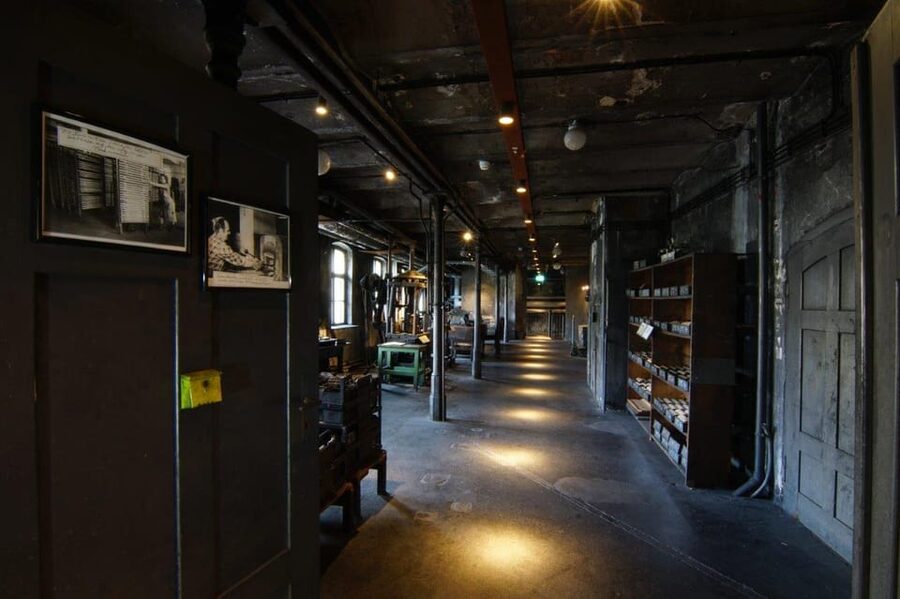
The historic photographs are another important part of the museum. They show the people, rooms, and working conditions connected with the site. You may want to spend extra time with them, since the 90-minute schedule can feel tight if you hope to read every caption and examine every image carefully.
This is the one recurring caution I would keep in mind. The tour is led at a set pace, so you need to choose between staying with the group and lingering over the displays. If industrial photographs are your main interest, you might wish there were more time for quiet viewing.
The explanatory panels also deserve attention, but some visitors have found that the guide’s presentation leaves too little time to read them fully. I would listen carefully during the tour, then use any remaining moments to look again at the rooms and images that caught your attention.
A guided visit rather than a casual museum stop
The Old Mine works best when you want context. A quick walk through the rooms would not tell you why the machinery matters or how the lead-making process fits into Faber-Castell’s wider production story.
The guide brings structure to the visit. Several people have praised the presentation as clear, informative, and pleasantly paced. One German-language visit was led by a particularly well-informed and friendly woman, though no guide name is supplied for this experience.
You should expect the guide to do much of the interpreting. That is helpful if you have little background in manufacturing, and it also means the experience can work for families, curious adults, and visitors who know Faber-Castell mainly from its products.
The English option makes the tour accessible to international visitors, but some material remains in its original language. If you are comfortable with a mix of spoken English and original-language displays, this should not be a major problem. If you want a fully translated museum experience, check the language arrangements before you commit.
How the 1.5-hour timing feels
Ninety minutes is long enough to give the subject real substance. You are not simply entering a room, viewing a few objects, and leaving with a company story. The tour has time to cover the building, the industrial setting, the old methods, and the connection to modern pencil production.
At the same time, the schedule is not generous for slow museum viewing. The building contains many photographs and explanatory panels, and you may not be able to study every one while keeping up with the group.
I would treat the tour as an introduction with a strong guide-led focus. Listen for the explanations, note the objects you want to remember, and accept that you may not absorb every label. The experience rewards attention, but it does not offer unlimited time for close reading.
The return to the Faber-Castell Visitor Center keeps the route simple. You do not need to arrange a separate pickup or find your way back from another part of the site.
The $14 price and what you receive
At $14 per person, the tour is reasonably priced for a guided industrial museum visit lasting about 1.5 hours. The value comes from access to the historic rooms and from the explanations that make the old equipment meaningful.
The ticket also includes a souvenir. That is a small benefit, but it gives you something tangible from a visit centered on an everyday object that most people already use.
From Monday through Friday, you also receive a 15% discount in the store at the castle on the day of your tour. This can improve the value if you already planned to visit the castle shop or wanted to buy Faber-Castell products. I would not book the tour solely for the discount, but it is a useful extra for anyone interested in pencils, art supplies, or branded gifts.
The discount does not apply every day according to the information supplied. Plan on using it Monday through Friday, and confirm the details when you arrive if your schedule is close to the weekend.
Who will enjoy this tour most
I would recommend the Old Mine to anyone curious about how familiar products are made. You do not need a technical background, and the guide’s explanations make the subject approachable.
It is especially suitable for:
- People interested in industrial history
- Faber-Castell fans and stationery collectors
- Families with older children who enjoy machinery and making things
- Visitors exploring Stein near Nuremberg
- Anyone looking for a shorter cultural activity rather than a full-day museum
The tour may be less satisfying if you want a quiet, self-guided visit. The schedule is guided, the route includes long walks, and the building is not barrier-free.
It may also frustrate serious photography or archive enthusiasts who want to linger over every historic image. The material is interesting, but the group pace means you should not expect unlimited time at each panel.
Practical planning before you go
Wear sturdy shoes. This is the most important practical advice because the premises include historic spaces and may require long walks.
Book ahead, since a reservation is required. The tour has scheduled starting times, so check availability rather than assuming you can join at any point during the day.
Keep the 15% store discount in mind if your visit falls on a weekday. It applies at the castle store on the day of the tour, and the ticket includes a souvenir.
You should also allow yourself enough time to arrive at the Faber-Castell Visitor Center before the start. The information provided does not specify a recommended arrival time, so arriving early is the sensible choice for a booked guided visit.
The operator allows free cancellation up to 24 hours in advance for a full refund. You can also reserve now and pay later, which helps if your plans around Stein are still changing.
Should you book the Old Mine tour?
Book it if you want to understand how pencils and colored-pencil leads are made, rather than simply buy them in a shop. The Old Mine combines a genuine historic setting, useful manufacturing explanations, old exhibits, and a manageable 90-minute schedule.
I particularly like the balance between company history and practical production detail. The strongest part is not a grand spectacle. It is the satisfying moment when old equipment and photographs make the pencil-making process clear.
Skip it if you need step-free access, prefer to explore entirely at your own speed, or dislike guided technical explanations. For everyone else, $14 is a fair price, especially with the souvenir and weekday castle-store discount included.
FAQ
Where does the Old Mine tour begin?
The tour begins at the Faber-Castell Visitor Center, also called Faber-Castell Erleben. Booking is required.
How long does the guided tour last?
The guided tour lasts approximately 1.5 hours.
Where does the tour finish?
The visit returns to the Faber-Castell Visitor Center after the Old Mine museum tour.
What languages are available?
A live guide is available in German and English. Some content is shown in its original language.
What does the ticket include?
The ticket includes the guided Old Mine museum tour, a souvenir, and a 15% discount at the castle store on the day of the tour from Monday through Friday.
How much does the experience cost?
The listed price is $14 per person.
Is the site accessible for visitors with limited mobility?
The premises are not barrier-free. Some areas are historic, the route may involve long distances, and sturdy shoes are recommended.
Can I cancel the booking?
You can cancel up to 24 hours in advance for a full refund. Reserve now and pay later is also available.
Just added around Nuremberg
- Tour en español al Campo Zeppelin★ 5.0 · 8 reviews
- “Rotes Bier” and “Blaue Zipfel”. A historical-culinary walk★ 4.4 · 190 reviews
- Nuremberg: Old Town Guided Tour By Bus★ 4.4 · 198 reviews
- Nürnberg kennenlernen: Highlights in der Altstadt★ 4.7 · 189 reviews
- Nuremberg: Bar and Club Tour with Free Shots and Free Entry★ 3.8 · 23 reviews
- Nürnberg Bachelor(ette) Party with Night PubCrawl★ 4.2 · 5 reviews
- Nuremberg: WWII Tour, Courtroom 600 and 3rd Reich Sites★ 4.6 · 94 reviews
- Nuremberg: The Old Town Hall – Centre of Power – IN GERMAN★ 4.8 · 8 reviews
Museums, compared.




Skip-the-Line: Berlin Wall Museum at Checkpoint Charlie
Read our review →
Browse the lists this tour appears in