
Reviewed · THIRD REICH HISTORY TOURS
Nuremberg: Tour of Former Nazi Party Rally Grounds
The stones still speak. Nuremberg’s former Nazi Party Rally Grounds turn a dark chapter of German history into a place you can read with your own eyes, from the unfinished Congress Hall to Zeppelin Field and the broad parade roads built for political theater. I like the private format for up to eight people and the way the tour connects architecture with National Socialist politics. The main consideration is language: the live guide speaks German.
I also like the focused 90-minute length. You get a serious look at the site without giving up most of your day. The one practical snag is the meeting point in front of the Documentation Centre, which one customer found unclear. Keep the guide’s phone number from your booking confirmation handy, and arrive with a little extra time.
In This Review
- Key points at a glance
- Why Nuremberg’s rally grounds matter
- Meeting at the Documentation Centre
- The unfinished Congress Hall
- Walking the great streets and rally grounds
- Zeppelin Field and the scale of political theater
- From propaganda to the 1946 Nuremberg Trials
- The guide makes the difference
- Is $128 good value for eight people?
- Who should book this walk?
- Final call: book it for context, not just photographs
- FAQ
- Where does the tour meet?
- How long does the tour last?
- What language is the tour in?
- How many people can join the private group?
- What does the tour include?
- Are entrance fees included?
- Are meals included?
- Can I request a different starting time?
- How far in advance can I cancel for a full refund?
- Do I have to pay at the time of booking?
Key points at a glance
- A 400,000-person vision: Learn how Albert Speer planned a giant assembly and demonstration area in southeast Nuremberg.
- Congress Hall and Zeppelin Field: See unfinished monumental buildings and the parade ground that still reveal the regime’s scale and ambition.
- A private group of up to eight: Your group gets a guide’s attention rather than joining a large crowd.
- A 90-minute historical walk: The tour gives you a concentrated introduction to National Socialism and the site’s political purpose.
- German-language guiding: The tour is conducted in German, an important factor when booking.
- Highly praised guiding: The experience has a 5 out of 5 rating from 43 reviews, with special praise for the guide’s experience, detail, and ability to answer questions.
Why Nuremberg’s rally grounds matter
This is not simply a tour of old buildings. It is a lesson in how architecture, public space, ceremony, and political power can work together.
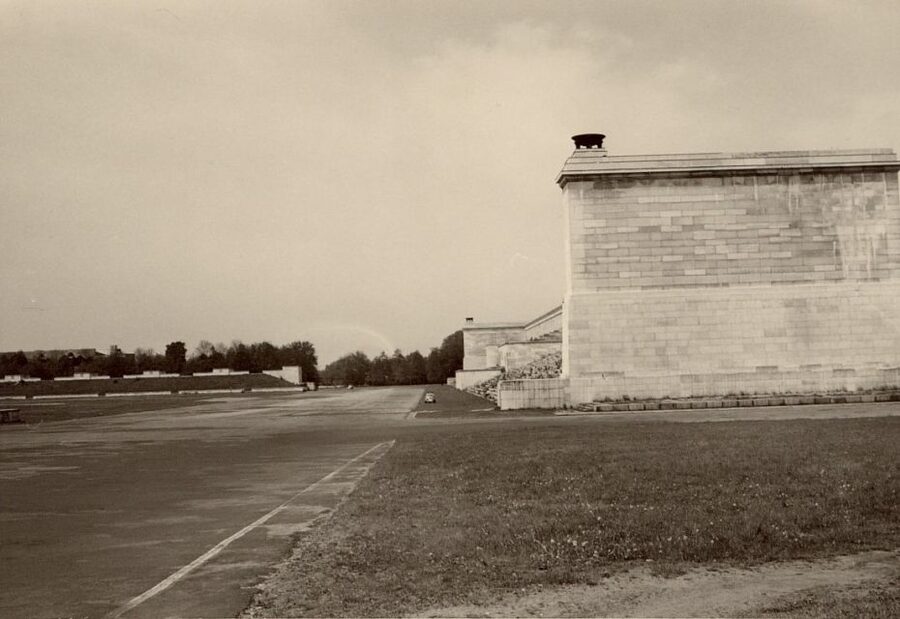
The National Socialist regime planned the southeast of Nuremberg as a vast stage for mass gatherings. Albert Speer, the regime’s chief architect, designed a gigantic assembly and demonstration area intended to hold as many as 400,000 people. The size was part of the message. The buildings and avenues were meant to make individuals feel small and the state feel permanent.
That idea becomes easier to understand when you see the scale in person. A book can explain the numbers, but a walk among the broad streets and huge structures gives those numbers physical meaning. You begin to see why the site was chosen for rallies and why the architecture mattered so much to Nazi propaganda.
The area also links directly to the postwar reckoning with the regime. Nuremberg became famous for the trials held here in 1946. The tour places those events alongside the rally grounds, helping you understand the city not only as a center of National Socialist display but also as a place where leading figures of the regime were brought before an international court.
I find that contrast especially valuable. The same city that was used to project Nazi power later became closely tied to the legal effort to confront its crimes.
More Third Reich History Tours in Nuremberg
- Nuremberg: Walking Tour of Former Nazi Party Rally Grounds
★ 4.7 · 1,665 reviews - Nuremberg: Historischer Kunstbunker WWII Art Bunker Tour
★ 4.8 · 921 reviews - Nuremberg Old Town and Nazi Party Rally Grounds Walking Tour in English
★ 4.5 · 504 reviews
Meeting at the Documentation Centre
The tour begins in front of the Documentation Centre Nazi Party Rally Grounds at Bayernstraße 110. This is the clear anchor for your arrival, but the precise meeting spot can feel less obvious once you reach the area.
One customer had trouble identifying the guide at first and solved it by calling the telephone number listed on the booking confirmation. I would save that number before leaving your hotel and avoid arriving at the last minute. For a history tour, nothing is worse than starting with a small logistical mystery.
The meeting location also sets the tone. You are not beginning in a generic city square or beside a souvenir shop. You are meeting at a place built to help explain the former rally grounds, so the setting itself starts the lesson before the walking begins.
Because the tour is private, the guide can confirm your group and answer initial questions before setting off. The group limit is eight people, which is small enough for a more personal exchange and large enough for a family or a group of friends to share the cost.
The unfinished Congress Hall
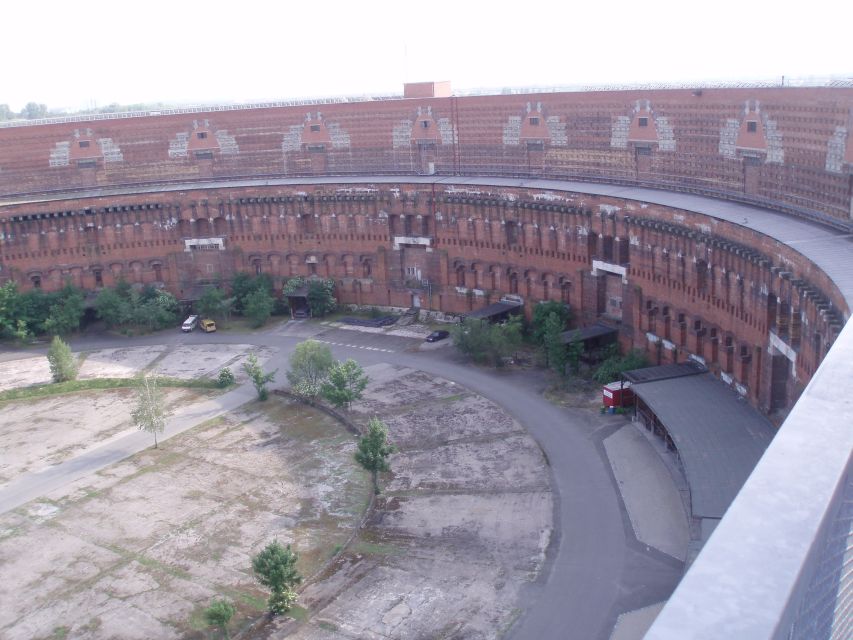
One of the central sights is the unfinished Congress Hall, a structure planned as a monumental gathering place. Its incomplete state is part of what makes it so striking.
The building was intended to be a masterpiece of Nazi architecture, but the project was never completed. That unfinished condition leaves you looking at both the ambition and the failure of the plan. The structure was supposed to project strength and permanence, yet it remains a reminder that the regime’s grand designs were interrupted before they reached their intended form.
The tour’s value here comes from interpretation. Without context, a huge building can become just another unusual photograph. A guide can explain what the building was meant to do, who it was meant to impress, and how it fitted into the wider political program.
The available information does not promise entry into every structure. Entrance fees are not included, and the experience is described around the former grounds, the unfinished buildings, the great streets, and Zeppelin Field. If going inside the Documentation Centre or another building is essential to your plans, ask the provider about current access before booking.
That point matters because the physical site and the indoor exhibitions are not the same experience. The outdoor tour helps you grasp scale and layout. An indoor visit may offer a different kind of detail, but it is not automatically part of this booking.
Walking the great streets and rally grounds
The broad streets are not just paths between attractions. They were designed for movement, display, and mass participation. As you walk, the guide can help you read the site as a carefully planned political setting rather than a random collection of large structures.
The sheer scale is the key thing to notice. A person walking alone through these spaces can feel how the design favored crowds, formations, and spectacle. That is the point at which the historical material becomes more than a list of dates and names.
The tour also gives you a chance to hear stories that are difficult to absorb from a standard city walk. The description promises true stories about the rally grounds and the days of National Socialism, along with political background. That combination is important. The history is not presented only through buildings, and the buildings are not treated as neutral architecture.
I would expect the walk to move between explanation and observation. You see a structure, hear what it was intended for, then look again with that knowledge in mind. The 90-minute duration keeps the experience compact, but it also means the guide must choose the most useful material rather than cover every aspect of Nuremberg’s twentieth-century history.
For me, that is a strength if you want a clear introduction. It may feel brief if you want a full museum-style treatment of the period.
Still Nuremberg, at a slower pace:
- Nuremberg: City Tour with the Bimmelbahn Train
★ 4.4 · 2,475 reviews - Nuremberg: Old Town Guided Walking Tour
★ 4.6 · 2,416 reviews - Nuremberg: Tunnels and Secret Passages in the City Wall Tour
★ 4.8 · 2,334 reviews - Nuremberg: Medieval Dungeons Guided Tour
★ 4.8 · 1,726 reviews
Zeppelin Field and the scale of political theater
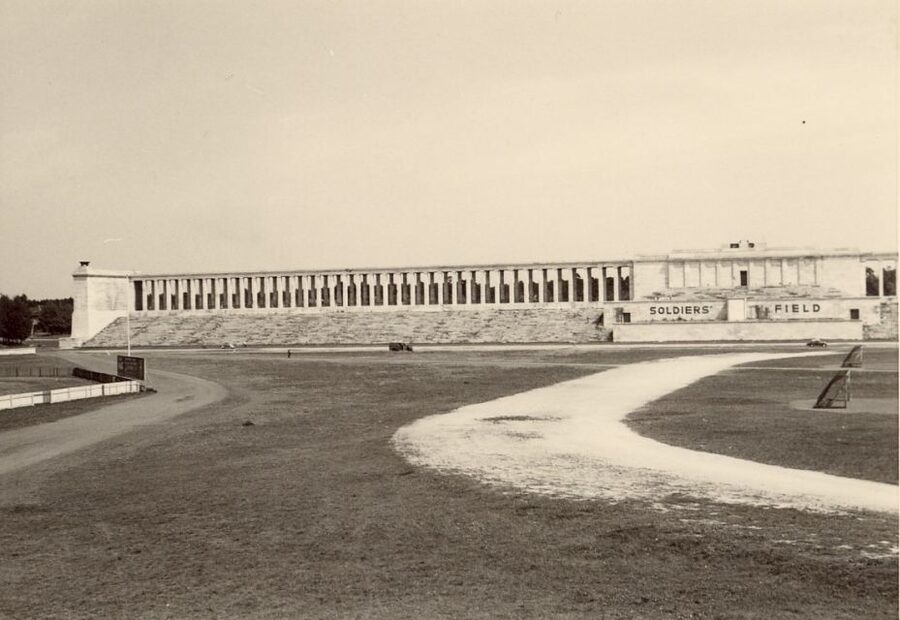
Zeppelin Field is another major stop. Its importance lies in the way it shows how the regime used open space for mass demonstrations and visual control.
The field is a reminder of how carefully National Socialist events were staged. The setting was built for crowds and ceremony, not quiet reflection. Your guide can connect the open area to the larger plan for the southeast of Nuremberg and explain how the various parts were intended to work together.
This is where the figure of 400,000 people becomes useful. It is not just a startling statistic. It explains why the roads, open spaces, and monumental structures were built on such a large scale. The design had to manage huge gatherings while also presenting an image of order and power.
The field can also raise an important question: how should a modern city handle places created by a dictatorship? The tour does not turn the site into a spectacle for its own sake. Instead, it uses the remains to examine the ideas behind them and the harm those ideas caused.
You should be prepared for a serious tone. This is not a light sightseeing stop, and that is appropriate. The best moments are likely to be the ones that make you pause and question how public space can be used to influence people.
From propaganda to the 1946 Nuremberg Trials
The rally grounds are closely associated with the Nuremberg Trials of 1946, which gives the tour a second historical direction. You begin with the regime’s public displays of authority and then connect that story to the postwar prosecution of its leaders.
That shift is one of the strongest reasons to choose a guided visit. It is easy to see the buildings as isolated relics. The guide can place them in a sequence: the planning of the grounds, the political use of the site, the collapse of the regime, and the trials that followed.
The tour does not simply celebrate the city’s famous role in the trials. It also makes clear why Nuremberg was so closely linked to National Socialism in the first place. That fuller picture is more useful than treating the trials as a separate attraction with no connection to the rally grounds.
If you are visiting Nuremberg for the first time, this walk can give you a framework for other historical sites in the city. You will have a better sense of why the city carries such weight in discussions of both Nazi Germany and international justice.
The guide makes the difference
The strongest praise is directed at the guide. One German-language review describes the guide as highly experienced, with a high level of knowledge and many impressions to share. Another calls the tour very good and strongly recommends it. A further review praises the amount of additional information and says all questions were answered fully.
That tells me this experience depends heavily on the person leading it. The core sights are fixed, but the quality of the visit comes from how clearly the guide explains them and how well the guide responds to your questions.
The private setup helps here. With no more than eight people, you can ask about the buildings, the political background, or the later use of the site without worrying that a large crowd will move on before you understand the answer. If your group has a particular interest, such as architecture or the Nuremberg Trials, a private guide may be able to give that topic more attention.
The language limitation remains important. The advertised live tour is in German. If your group is not comfortable following a historical explanation in German, the small-group format will not solve that problem by itself. Contact the provider before booking if you need another language.
Is $128 good value for eight people?
The price is $128 per group of up to eight people. At the maximum group size, that works out to $16 per person, which is a strong price for a private 90-minute tour. For two people, the individual cost is much higher, so the value improves sharply when you can fill the group.
You are paying for the guide and the private format. Meals are not included, and entrance fees are separate. Since the main experience centers on the outdoor grounds and guided explanation, the cost is easiest to justify if you care about understanding the site rather than simply seeing it.
I would consider this good value for a family, a group of friends, or several relatives traveling together. A couple may still find it worthwhile if the subject is a major reason for visiting Nuremberg, but you should compare the private price with any public tours or museum options available for your dates.
The high rating, 5 out of 5 from 43 reviews, supports the idea that the guiding is the product’s strongest feature. Still, I would not pay the private-group price if your group cannot follow German or if you only want quick photographs of the buildings.
Who should book this walk?
I would recommend it most strongly to:
- History-minded visitors: You get a direct look at National Socialism, its political background, and its use of architecture.
- Architecture enthusiasts: The unfinished Congress Hall and the planned scale of the grounds provide plenty to consider.
- Families and small groups: Eight people can share one private booking, making the cost more reasonable.
- Visitors with limited time: Ninety minutes gives you a focused introduction without taking over the day.
- People who prefer questions and discussion: The private format lets you ask for clarification as you go.
I would be more cautious if you want an English-language experience, a full indoor museum visit, or a meal included. None of those are part of the stated tour details.
Wear practical shoes and plan for a walking experience across a large historic site. The information provided does not specify transport arrangements during the tour, so you should expect the main value to come from moving through the grounds with the guide rather than from a vehicle-based sightseeing circuit.
Final call: book it for context, not just photographs
I would book this tour if you want to understand why Nuremberg’s former rally grounds matter. The unfinished Congress Hall, Zeppelin Field, the great streets, and the link to the 1946 trials form a powerful story when explained together.
The best reason to choose it is the private German-language guiding. The available feedback gives strong weight to the guide’s experience, detailed explanations, and willingness to answer questions. The main reasons to pause are the language, the separate entrance costs, and the slightly unclear meeting point.
For a group of six to eight German-speaking people, $128 is especially attractive. For a smaller group, decide how important guided historical context is to you. If that context matters, this compact walk should earn a place in your Nuremberg plans.
FAQ
Where does the tour meet?
The meeting point is in front of the Documentation Centre Nazi Party Rally Grounds, DokuZentrum, at Bayernstraße 110 in Nuremberg.
How long does the tour last?
The tour lasts 90 minutes.
What language is the tour in?
The live tour guide speaks German.
How many people can join the private group?
The price covers one private group of up to eight people.
What does the tour include?
The booking includes the guided tour and the tour guide.
Are entrance fees included?
No. Entrance fees are not included in the tour price.
Are meals included?
No. Meals are not included.
Can I request a different starting time?
Yes. Individual start times are possible upon request.
How far in advance can I cancel for a full refund?
You can cancel up to 24 hours in advance for a full refund.
Do I have to pay at the time of booking?
No. The reserve now and pay later option allows you to keep your plans flexible and pay nothing today.
Just added around Nuremberg
- Tour en español al Campo Zeppelin★ 5.0 · 8 reviews
- Stein: Public guided tour of the “Old Mine” museum★ 4.5 · 18 reviews
- “Rotes Bier” and “Blaue Zipfel”. A historical-culinary walk★ 4.4 · 190 reviews
- Nuremberg: Old Town Guided Tour By Bus★ 4.4 · 198 reviews
- Nürnberg kennenlernen: Highlights in der Altstadt★ 4.7 · 189 reviews
- Nuremberg: Bar and Club Tour with Free Shots and Free Entry★ 3.8 · 23 reviews
- Nürnberg Bachelor(ette) Party with Night PubCrawl★ 4.2 · 5 reviews
- Nuremberg: WWII Tour, Courtroom 600 and 3rd Reich Sites★ 4.6 · 94 reviews