
Reviewed · CONCENTRATION CAMP MEMORIAL VISITS
Berlin: Bus excursion to Sachsenhausen concentration camp
Some places deserve your full attention. This half-day trip to Sachsenhausen Memorial gives you a direct, organized way to face one of Germany’s darkest sites, with a guide providing context before you arrive and leading the main visit. I especially like the private coach from central Berlin and the strong historical storytelling from guides such as Richard, Jonas, Lucia, and Peter. The main drawback is time: two hours with a further 15 minutes on your own is enough for an introduction, but not enough to see every part of this large memorial at a slow pace.
The $56 price is fair if you value door-to-door transport and a live guide. You avoid arranging the train journey yourself, and the ride becomes part of the lesson. Still, this is a serious historical visit, not a light sightseeing outing. Come ready for difficult material, outdoor walking, and a memorial that asks for quiet attention.
In This Review
- Key points before you book
- Why Sachsenhausen belongs on your Berlin plans
- Meeting at Alexanderplatz before the coach ride
- The ride from Berlin adds useful context
- Entering the memorial through Tower A
- Barracks 38 and 39 show daily life
- Kitchen, Tower E, the prison, and the killing facilities
- Fifteen minutes of free time is helpful, but brief
- What makes the guides so important
- Is $56 a good value?
- Who should book this Sachsenhausen excursion?
- Practical advice for a respectful visit
- Should you book the Berlin to Sachsenhausen bus tour?
- FAQ
- Where does the Sachsenhausen bus tour begin?
- Where does the tour end?
- How long does the excursion last?
- What languages are available?
- What is included in the price?
- Is food included?
- Can wheelchair users join?
- Can I cancel the booking?
Key points before you book
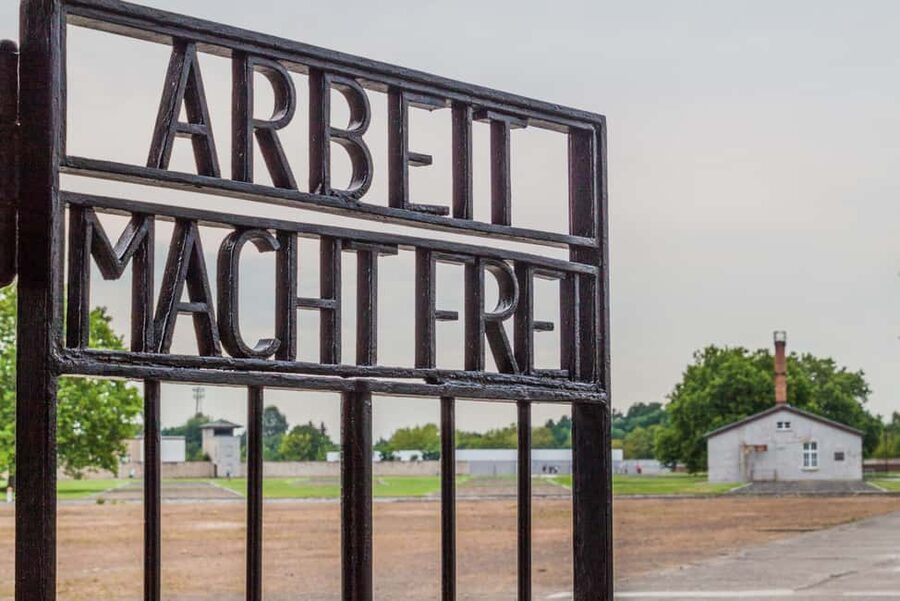
- Sachsenhausen is about more than a bus ride: The guide begins setting the historical context during the journey from Alexanderplatz.
- The two-hour guided visit covers the core areas: You visit Tower A, the central courtyard, barracks 38 and 39, the kitchen, Tower E, the prison, and the gas chamber.
- The bus saves planning time: Round-trip coach transport begins and ends at Alexanderplatz, with no separate train ticket to arrange.
- Guide quality is a major strength: Richard, Jonas, Lucia, and Peter are praised for clear explanations, personal stories, and strong historical knowledge.
- Expect a serious, outdoor memorial experience: The subject matter is painful, and the site is too large to fully explore during this short outing.
- The meeting point needs care: Look for the guide with Buendía Tours accreditation between the Brunnen der Völkerfreundschaft fountain and the subway exit.
Why Sachsenhausen belongs on your Berlin plans
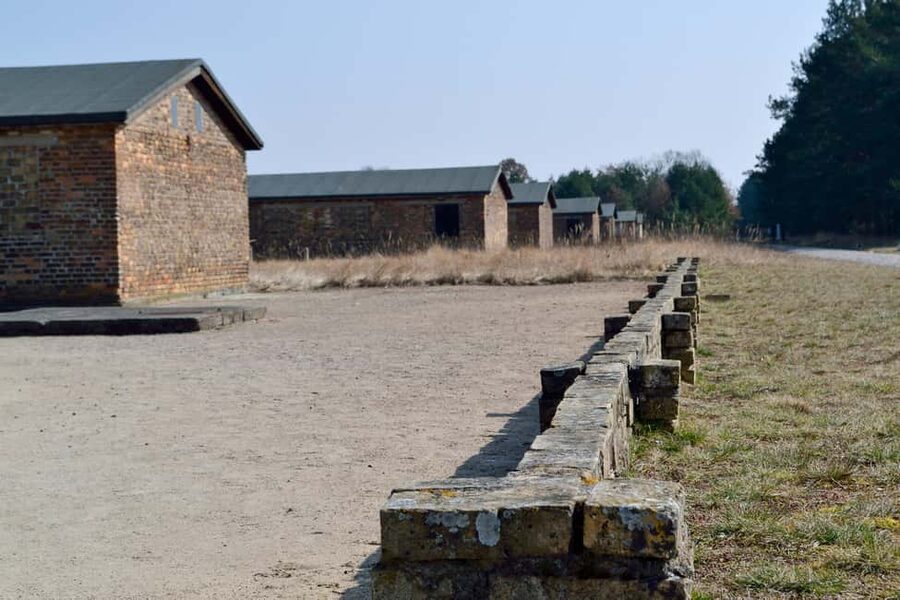
Berlin has no shortage of museums and memorials connected to the Nazi period. Sachsenhausen gives you something different: a place beyond the city center where the scale and design of the camp can be understood on site.
The camp was established in 1936 and operated until 1945. Nazi authorities called it a model camp, a chilling description that referred to its planned layout and use as a pattern for other concentration camps. That design is part of what makes the visit so revealing. You are not simply looking at isolated exhibits. You are seeing how an entire system of imprisonment, forced labor, punishment, and killing was organized.
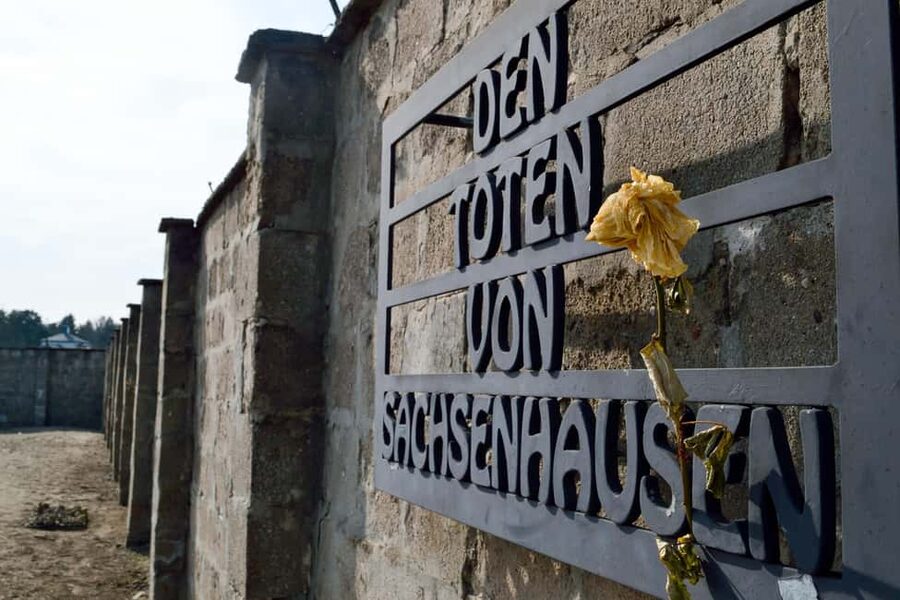
Since 1993, Sachsenhausen has been presented as a memorial to the Nazi dictatorship. More than 300,000 people visit each year, yet the site is not arranged like a conventional attraction. The open spaces, remaining buildings, foundations, and memorial areas require you to move slowly and think about what each part was used for.
I find a guided visit especially useful here because the physical remains do not explain themselves. A barracks block may look plain at first. A tower may seem like part of a simple perimeter. The guide connects those structures to the camp’s operation and to the lives of the people imprisoned there.
Other memorial sites open to visitors:
- Berlin: Sachsenhausen Concentration Camp Tour in English
★ 5.0 · 5,711 reviews - Berlin: Sachsenhausen Concentration Camp Memorial Tour
★ 4.7 · 3,716 reviews - Sachsenhausen Concentration Camp Bus Tour in English from Berlin
★ 5.0 · 1,962 reviews
Meeting at Alexanderplatz before the coach ride
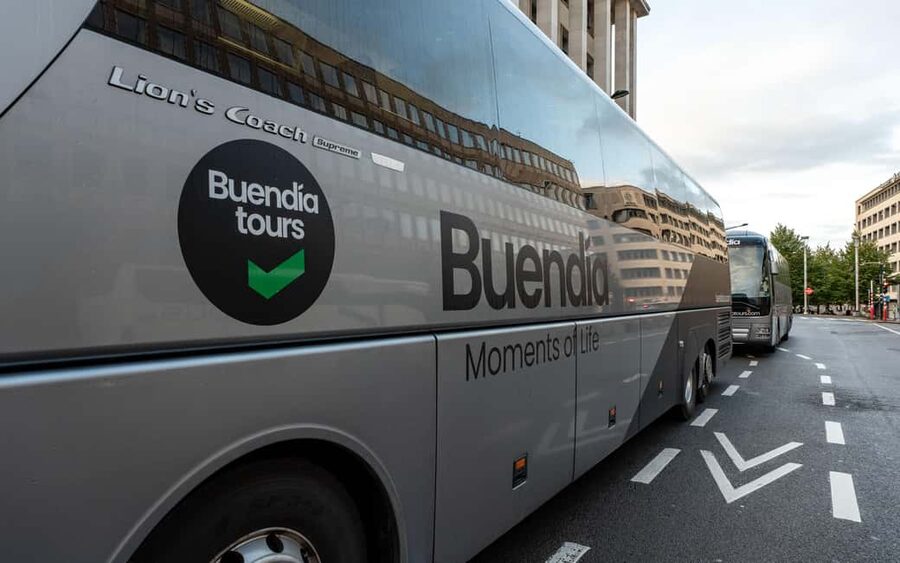
The tour begins at Alexanderplatz, at Alexanderplatz 8. The precise meeting point is between the Brunnen der Völkerfreundschaft fountain and the subway exit. Guides wait with Buendía Tours accreditation.
Give yourself time to locate this spot. The meeting point has been described as a little confusing, and a busy square is not the place to arrive at the last second while scanning every face. Look for the tour guide and the Buendía identification. Some people suggested that a more obvious marker, such as a brightly colored umbrella, would help, so it is wise to know exactly what you are looking for before leaving your hotel.
The central location is convenient. Alexanderplatz is easy to reach by Berlin’s public transport, and returning to the same place makes the half-day plan simple. You can book around the departure time shown for your chosen date, but starting times vary, so check availability before building the rest of your day around it.
The ride from Berlin adds useful context
The coach transfer is one of the best reasons to choose this experience instead of arranging the visit alone. You travel from central Berlin to Brandenburg without changing trains or working out the final connection to the memorial.
The journey also gives your guide time to explain what you are about to see. Richard was praised for using the bus ride to discuss the surrounding area, while Jonas provided historical information during the hour-long trip. That matters because Sachsenhausen can feel overwhelming if you arrive without a basic framework.
I like this approach. The bus is not just a way to save the cost and effort of a separate train ticket. It lets the guide introduce the subject gradually, before you walk through the camp. You can listen, ask questions if the format allows, and arrive with a better idea of why the site was built and how it fit into Nazi Germany’s system.
The coach is also practical in poor weather. You should still dress for outdoor conditions, since the memorial visit itself takes place across a large open area, but you are not responsible for piecing together a complicated round-trip route.
Entering the memorial through Tower A
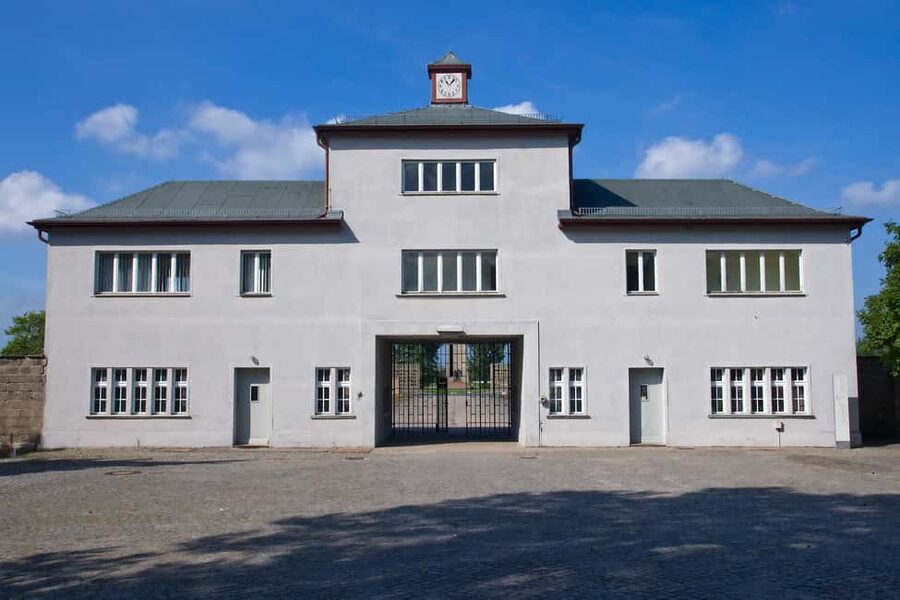
After arriving at Sachsenhausen Memorial, the group begins a guided visit of roughly two hours. One of the central points is Tower A, the principal entrance area.
This is an important first stop because the entrance sets the tone for the rest of the visit. From here, the guide can explain the structure of the camp and help you understand how the different sections related to one another. The site’s layout is not something I would want to interpret alone, especially on a first visit.
The central courtyard is another key area. Here, the scale of the camp becomes easier to grasp. The open space is stark, and the lack of ordinary city noise helps the history feel close and direct. This is not a place where you rush from one display to the next. The guide’s explanation gives meaning to the space, while the setting itself leaves room for reflection.
You should expect the tour to move at a purposeful pace. Two hours sounds generous until you consider the size of the memorial and the number of areas included. The guide needs to keep the group together, cover the key history, and allow time for the main buildings.
A few more Berlin trips worth comparing
- Berlin: Reichstag, Dome and Government District Guided Tour
★ 4.7 · 18,288 reviews - Berlin: 1-Hour City Tour by Boat with Guaranteed Seating
★ 4.3 · 16,993 reviews - Berlin: Boat Tour Along the River Spree
★ 4.4 · 11,252 reviews - Discover Berlin Half-Day Walking Tour
★ 5.0 · 9,624 reviews
Barracks 38 and 39 show daily life
The visit includes barracks 38 and 39, which help you consider the daily reality of prisoners. These buildings are not simply old structures to photograph. They are part of the story of how people were housed, controlled, and denied basic dignity.
This is where a skilled guide can make a real difference. Lucia was praised for her presentation and for using interesting stories to explain the site. Peter was also appreciated for offering pertinent stories while handling the difficult subject matter with care.
The personal details matter. Dates and names help you understand the historical record, but specific stories help you grasp that the camp held individual human beings rather than an anonymous mass. A good guide does not turn suffering into spectacle. Instead, the explanation helps you understand the human cost behind the buildings and procedures.
The barracks may be emotionally difficult. You should not expect a polished museum experience or a comfortable pace. The visit asks you to listen and think, and some sections may affect you more than others.
Kitchen, Tower E, the prison, and the killing facilities
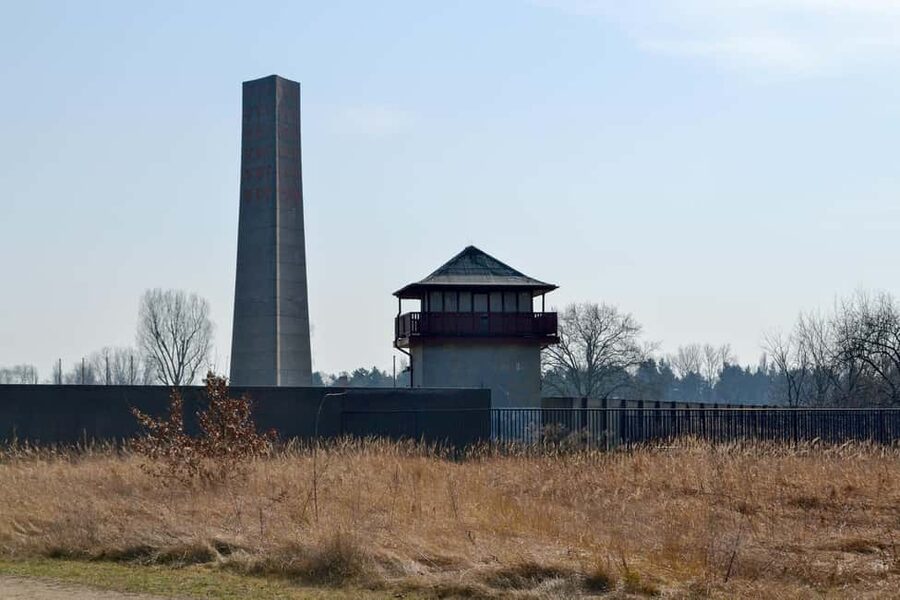
The route also includes the camp kitchen, Tower E, the prison, and the gas chamber, among other areas. Each stop adds another piece to the camp’s story.
The kitchen points to the basic systems needed to control a large population. Tower E gives you another view of the camp’s design and security. The prison shows how punishment and confinement operated within the wider camp system, rather than existing as separate concerns.
The section connected with killing is particularly hard. The gas chamber is not something to treat as a casual sightseeing stop. Listen carefully to the guide, keep your own pace where possible, and remember that this is a memorial site first.
The tour’s strength is that it links these places together. You see the entrance, living quarters, work-related facilities, punishment spaces, and killing facilities as parts of one organized structure. That makes the visit more meaningful than seeing a single surviving building without context.
At the same time, you should know what this tour cannot do. Sachsenhausen is extensive, and even a full day would not cover every section in detail. The two-hour guided route is best understood as a carefully chosen introduction to the most important areas.
Fifteen minutes of free time is helpful, but brief
After the guided visit, you receive about 15 minutes of free time at the memorial. This is useful for taking a quiet moment, returning to a section that caught your attention, or looking around without the group moving on immediately.
Fifteen minutes is not enough for a second full visit. It is a small window, not an open-ended exploration period. If you want to examine every building, read all available information, or spend a long time in personal reflection, this excursion may feel rushed.
Several people wished for more time, while others felt the two-hour guided portion covered the most important areas well. I think both views are fair. The short schedule works if your goal is to learn the site’s main history during a Berlin stay. It is less suitable if Sachsenhausen is one of your main reasons for visiting the region.
Use the free time with a plan. If you know you want to pause at a particular building or memorial area, do not wait until the final minutes to decide.
What makes the guides so important
The strongest part of this tour is the human explanation. Guides are available in English or Spanish, and the praised guides bring different strengths to the visit.
Richard was described as engaging and exceptionally well informed, with an ability to add insight beyond the basic route. Jonas was praised for speaking throughout the bus journey and for handling a difficult topic with care. Lucia received strong praise for her presentation and storytelling, while Peter was remembered for his information and well-judged personal stories.
That consistency is encouraging, but no guide can remove the emotional weight of Sachsenhausen. The best guide can help you understand the evidence, explain the historical setting, and keep the visit focused without making it feel like a performance.
I also like that the historical introduction starts before arrival. By the time you reach the memorial, you are not beginning from zero. You have already heard why Sachsenhausen matters and what to look for.
Is $56 a good value?
At $56 per person, the tour is not the cheapest possible way to reach Sachsenhausen. You could potentially organize public transport independently, but then you would need to handle the route, timing, and memorial visit without this guide’s structure.
The price includes:
- Round-trip coach transport from Berlin
- A local guide
- Admission to the concentration camp and memorial, listed as €3
Food and drinks are not included. This is not a major issue for a 4.5-hour outing, but eat beforehand or bring something if you need it. The tour returns to Alexanderplatz, so you can find a meal in central Berlin afterward.
For me, the value comes from the combination of transport and explanation. If you are comfortable navigating public transport and prefer to spend several hours reading and exploring at your own speed, the independent option may suit you better. If you want a clear route and a guide who can explain the site before and during the visit, $56 is reasonable.
Who should book this Sachsenhausen excursion?
I would recommend this tour to you if:
- You have limited time in Berlin.
- You want to visit Sachsenhausen without arranging the train journey.
- You prefer historical sites with a live guide.
- You want a structured introduction before exploring more independently.
- You are comfortable with emotionally difficult subject matter.
- You can manage outdoor walking across a memorial site.
It is less suitable if you need wheelchair access, since the activity is not suitable for wheelchair users. It may also disappoint you if you want a full-day archaeological-style exploration of every remaining area.
Families should make their own judgment based on age and sensitivity. The tour deals directly with Nazi persecution, forced labor, imprisonment, and mass killing. That subject matter requires care, particularly with younger children.
Practical advice for a respectful visit
Wear comfortable shoes and clothing suited to the weather. The memorial is large and includes open spaces, so you should not plan to spend the day in formal city clothes or unsuitable footwear.
Arrive early at Alexanderplatz and confirm the exact meeting position. The fountain and subway exit are useful landmarks, but the square can still be confusing. Look for Buendía Tours accreditation rather than assuming the coach will be obvious from every part of the plaza.
Listen closely on the bus. The guide’s introduction is not filler. It prepares you for the memorial and can make the two-hour visit easier to follow.
Keep your schedule flexible afterward. The activity lasts about 4.5 hours, but the emotional effect may make you want a quiet afternoon rather than another packed sightseeing block.
Cancellation is free up to 24 hours before departure, and you can reserve now and pay later. That makes the booking easier to fit into a changing Berlin itinerary. Starting times depend on availability, so check the exact option before booking.
Should you book the Berlin to Sachsenhausen bus tour?
Book it if you want a well-organized first visit to Sachsenhausen, especially if your Berlin stay is short. The coach removes transport hassle, and the guides add the context that the memorial’s buildings cannot provide on their own.
Do not book it expecting unlimited free time. The guided visit is focused and useful, but the memorial is too large for a short excursion to cover everything. If you want to study each building or spend a full day at the site, arrange more time independently.
For most people interested in Berlin’s 20th-century history, this is a worthwhile and respectful half-day outing. The subject is painful, but the clear explanations from guides such as Richard, Jonas, Lucia, and Peter help you face the place with understanding rather than confusion.
FAQ
Where does the Sachsenhausen bus tour begin?
The tour begins at Alexanderplatz 8 in Berlin, between the Brunnen der Völkerfreundschaft fountain and the subway exit. Guides wait with Buendía Tours accreditation.
Where does the tour end?
The activity ends back at the same Alexanderplatz meeting point.
How long does the excursion last?
The full excursion lasts about 4.5 hours. The guided visit at Sachsenhausen lasts about two hours, followed by approximately 15 minutes of free time.
What languages are available?
The live tour guide is available in English or Spanish.
What is included in the price?
The price includes round-trip coach transfers from Berlin, a local tour guide, and the €3 entrance fee to the concentration camp and memorial.
Is food included?
No. Food and beverages are not included in the tour.
Can wheelchair users join?
No. This activity is not suitable for wheelchair users.
Can I cancel the booking?
Yes. You can cancel up to 24 hours in advance for a full refund. You can also reserve now and pay later.
Just added around Berlin
- Private Walking Tour in Berlin: Hitler’s Germany & WWII★ 5.0 · 7 reviews
- The History of Berlin: WWII PRIVATE Walking Tour With Locals★ 5.0 · 209 reviews
- Private Berlin WWII and Cold War History Tour with Local Expert Guide★ 5.0 · 28 reviews
- Private Walking Tour Berlin 3 hours: Brandenburg, Historic Center★ 5.0 · 7 reviews
- Berlin: Private Bike Tour of the Berlin Wall and Third Reich★ 5.0 · 23 reviews
- Berlin: Guided Private Bike Tour to Explore the Highlights★ 5.0 · 12 reviews
- Berlin Photography Masterclass – Private Photography Lesson★ 4.5 · 23 reviews
- Group Driving Tour 1 to 6 people. Berlin Shore Excursion incl pick-up at Port★ 5.0 · 8 reviews