Reviewed · TICKETS
Berlin: Deutschlandmuseum – Flexible Entrance Ticket
History gets a playful makeover here. Berlin’s Deutschlandmuseum presents 2,000 years of German history through twelve interactive settings, historical objects, and media. I like the clear storytelling and the way the exhibits invite you to use more than just your eyes. I also like the flexible one-day ticket, which makes fitting the museum into a busy Berlin schedule simple.
The main caution is depth. The experience favors atmosphere, quick understanding, and family-friendly fun over long scholarly explanations. If you want a serious study of every political shift and military detail, you may find it too light. The October 2025 feedback also points to crowding at times, which can make the experience less enjoyable.
In This Review
- Key Points to Know Before You Go
- Twelve Eras, From the Battle of Varus to 2006
- Historical Objects Meet Interactive Media
- What the Visit Feels Like for Adults and Children
- Why the 2006 Section Matters
- The $30 Price and What You Receive
- Timing, Flexibility, and Access
- Best Ways to Approach the Museum
- Who Should Book This Experience?
- Should You Book the Deutschlandmuseum?
- FAQ
- How long is the Deutschlandmuseum ticket valid?
- Do I need to pre-register before visiting?
- Does the ticket include skip-the-line access?
- Is the Deutschlandmuseum wheelchair accessible?
- Can I cancel the ticket for a refund?
- Can I reserve now and pay later?
Key Points to Know Before You Go

- Twelve eras in one visit: Follow major moments in German history, from the Battle of Varus to the 2006 summer fairy tale.
- History presented with objects and media: Period exhibits and interactive technology work together rather than relying on wall text alone.
- Built for easy understanding: The displays explain history in a simple, visual way that works especially well for children and casual museum visitors.
- A flexible one-day ticket: You can arrive without pre-registration, use a separate entrance, and visit on your chosen day.
- Fun before academic: Expect a lively introduction to German history, not a detailed research museum.
- Good practical flexibility: Cancellation is allowed up to 24 hours before the visit, and you can reserve now and pay later.
Twelve Eras, From the Battle of Varus to 2006
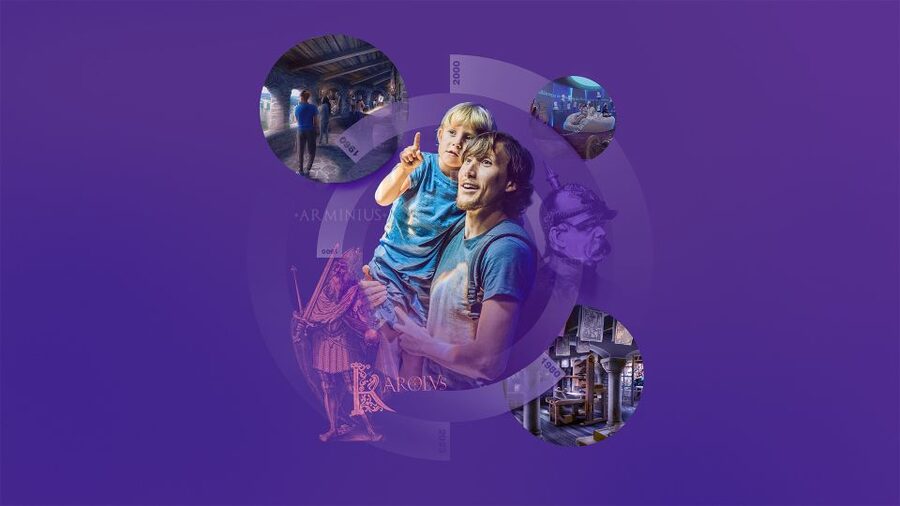
The Deutschlandmuseum covers roughly 2,000 years of German history in twelve staged sections. That broad span is the museum’s central strength. In one visit, you get a connected look at the turning points that shaped Germany instead of focusing on just one ruler, war, city, or century.
The experience begins with the ancient past, including the Battle of Varus. This famous conflict in AD 9 saw Germanic forces defeat three Roman legions in the Teutoburg Forest. The museum uses it as one of its historical reference points, giving you an early example of the struggles between Rome and the peoples living east of the Rhine.
You should not expect a full military study of the battle. The museum’s goal is to make the moment understandable and memorable. That distinction matters. You are getting a brisk introduction to major events, not a university lecture with every source and argument laid out.
As you move through the twelve eras, the presentation follows key shifts in German history. The exact sequence and full list of scenes are not specified, so you should think of the museum as a broad chronological journey rather than a detailed itinerary with a fixed set of named stops.
The final example is the 2006 summer fairy tale, the nickname often used for Germany’s upbeat mood during the 2006 FIFA World Cup. Including this recent event shows that the museum is not limited to kings, battles, and old buildings. It also looks at modern public life and the way national identity can appear in popular culture.
A few more Berlin trips worth comparing
- Berlin: Berlin Story Bunker Entry Ticket
★ 4.6 · 6,759 reviews - Berlin: Illuseum Berlin Entrance Ticket
★ 4.1 · 3,970 reviews - Berlin: Madame Tussauds Admission Ticket
★ 4.6 · 3,941 reviews
Historical Objects Meet Interactive Media
The Deutschlandmuseum does not rely only on recreated scenery. Each historical setting includes period exhibits and interactive media. That combination gives you two ways to approach the past: you can look at objects connected to the period, then use the media to see how the wider story fits together.
I like this format because it gives history some physical weight. A screen alone can feel temporary. An exhibit alone may need a long explanation. Used together, objects and technology can make a complicated change easier to grasp.
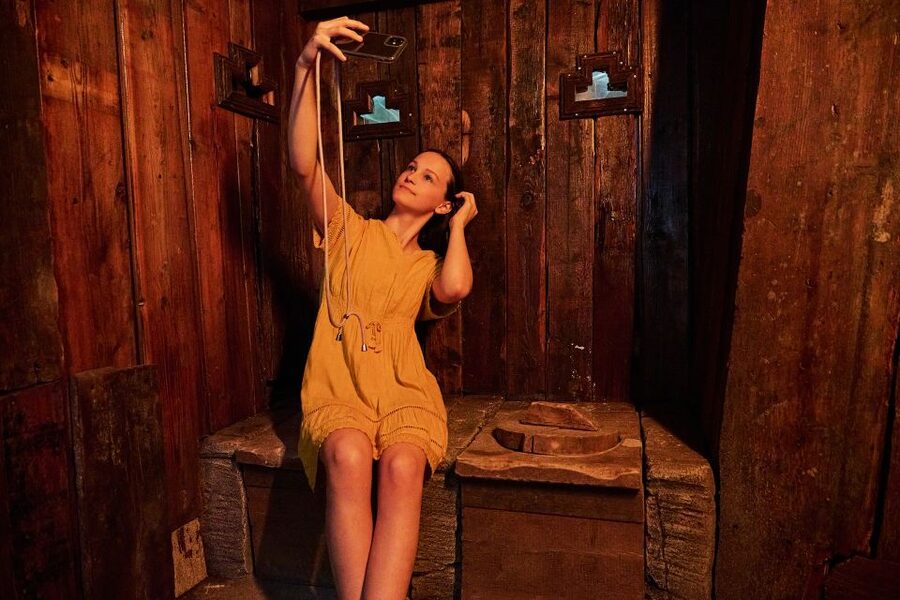
The museum also promises an experience that engages all your senses. That wording suggests a setting built around more than reading labels, though the supplied information does not specify every sound, visual effect, or tactile feature. You might find that the staged rooms create the strongest impression, while the interactive parts help you connect one period to the next.
This approach is especially useful if you tend to lose interest in traditional museums. Long rows of text can be tiring, particularly when you are visiting Berlin with children or after a full day of sightseeing. Here, the scenes and media are designed to keep you moving and thinking.
There is a tradeoff. Fast, visual storytelling often leaves out detail. The museum explains history in an accessible way, but you may finish with a clear outline rather than a complete understanding of each era. For many people, that is a fair exchange. It gives you a useful framework that you can build on at other Berlin museums and historic sites.
What the Visit Feels Like for Adults and Children
The tone is one of the museum’s most important features. The presentation is easy to follow and designed to be fun. That makes it a good choice for families, first-time visitors to Germany, and anyone who wants history without a formal lecture.
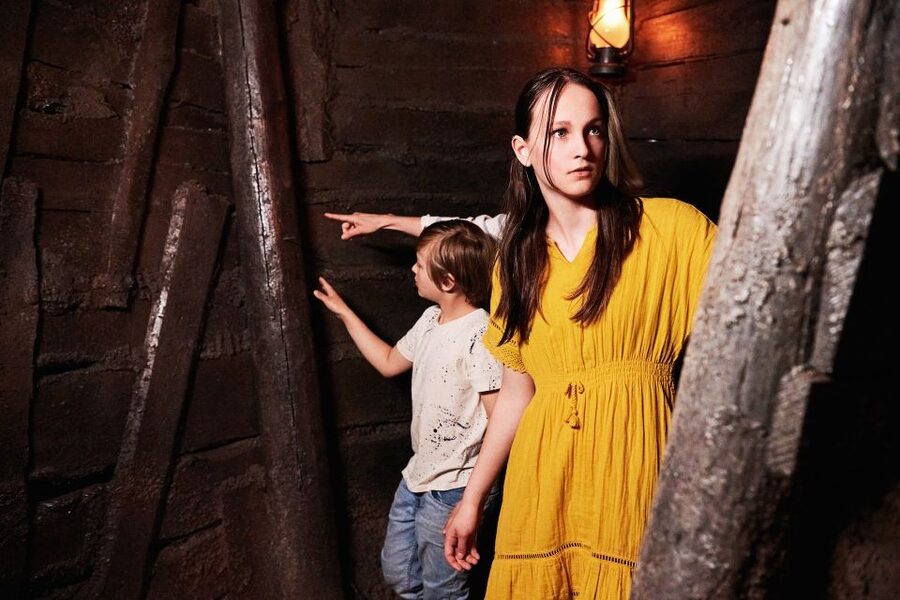
Children may respond well to the staged rooms and interactive elements. The scenes give them something to look at and do, while the simple explanations help them follow the basic story. Adults who already know German history may appreciate the quick review, but they should not expect many new academic insights.
I would describe the museum as an introduction, not a final word. It can help you understand the broad arc of German history before visiting places such as Berlin’s memorials, palaces, or traditional museums. It can also give younger visitors enough context to make those later stops more meaningful.
The playful style will not suit everyone. One October 2025 visitor found the museum too crowded and different from what they expected. That is useful advice: the experience works best when you have enough space to pause at a scene and interact with it. If the rooms fill up, the museum’s main strength can become a weakness because you may need to wait for access to the most interesting displays.
If you can choose your arrival time, checking availability before booking is sensible. The ticket is valid for one day, but the available starting times can vary. The flexible appearance policy means you do not need to pre-register, yet it is still wise to check the day’s availability.
Why the 2006 Section Matters
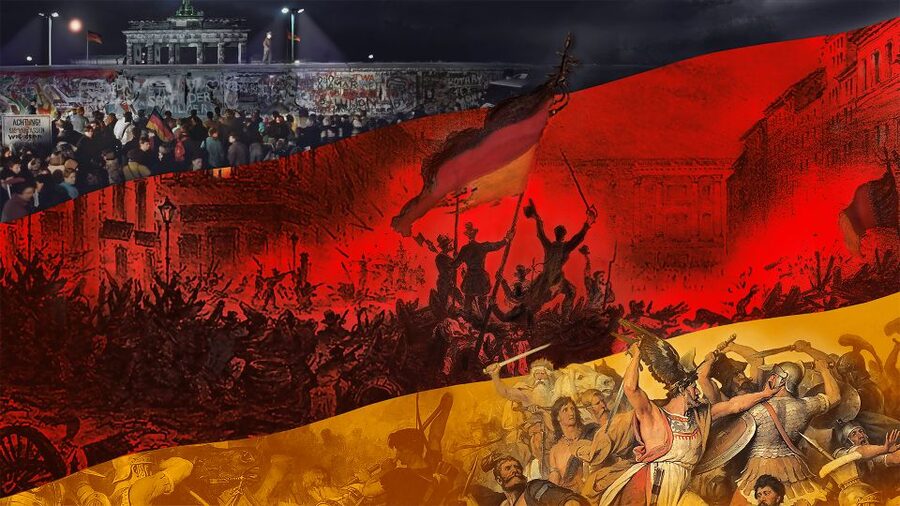
The 2006 summer fairy tale is a clever choice for the museum’s modern endpoint. It connects history with a shared public mood rather than stopping at a famous political event. For many people, the World Cup was a moment when Germany presented a more open, cheerful image to the world.
This kind of scene can make the museum feel closer to your own lifetime. Ancient battles are important, but they can also feel remote. A recent cultural moment helps show that history is not only something that happened centuries ago. It includes the public events and changing attitudes that many adults remember.
Again, the exhibit is likely to be more suggestive than exhaustive. You may leave with a sense of why 2006 mattered, rather than a detailed account of German football, reunification, or postwar politics. The museum uses individual moments as doorways into larger topics.
That is a good reason to visit before exploring more specialized institutions. You can use the Deutschlandmuseum to identify periods that interest you, then spend more time with them elsewhere in Berlin.
Still Berlin, at a slower pace:
- Berlin: Reichstag, Dome and Government District Guided Tour
★ 4.7 · 18,288 reviews - Berlin: 1-Hour City Tour by Boat with Guaranteed Seating
★ 4.3 · 16,993 reviews - Berlin: Boat Tour Along the River Spree
★ 4.4 · 11,252 reviews - Discover Berlin Half-Day Walking Tour
★ 5.0 · 9,624 reviews
The $30 Price and What You Receive
At $30 per person, this is not a throwaway museum visit. The value depends on what kind of history experience you want.
For that price, you receive entry to the Deutschlandmuseum for one day, access through a separate entrance intended to avoid the regular line, and the freedom to appear without pre-registration. You also get the museum’s full interactive presentation across twelve eras, rather than a short exhibit focused on a single subject.
I think the price is easier to justify if you are traveling with children or with someone who dislikes conventional museums. The combination of staged scenes, objects, and media gives you a more active visit. You are paying for the format as much as for the historical content.
The value is less convincing if you want dense scholarship. A visitor who reads widely about German history may move through the museum quickly and wish for more detail. In that case, a conventional museum with extensive labels and collections may offer more intellectual value for the same money.
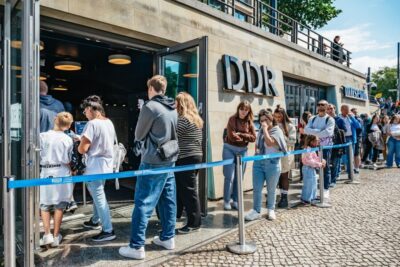
The skip-the-line entry also matters in Berlin, where saving time can be worth real money. You can use the day more efficiently instead of spending part of it waiting. Still, separate entry does not guarantee a quiet visit inside, so crowd levels remain worth considering.
Timing, Flexibility, and Access
The ticket is valid for one day, and you can check availability for starting times before booking. You do not need to make a separate pre-registration after buying the flexible ticket. That is handy if Berlin weather changes your plans or if another museum takes longer than expected.
You can also reserve now and pay later, which keeps your schedule flexible without paying at once. Free cancellation is available up to 24 hours before the visit for a full refund. These terms are practical, especially when you are arranging several Berlin activities in advance.
The museum is wheelchair accessible. That makes the visit easier to consider for visitors who need step-free access, though the provided information does not describe the exact route, seating, restroom setup, or exhibit controls.
No guided tour, group size, or transportation service is included in the information provided. You should treat this as a self-directed museum visit. That gives you control over your pace, but it also means the exhibits themselves need to provide the explanation.
The language information is not clearly specified. If you need a particular language, confirm it before booking rather than assuming every interactive feature is translated.
Best Ways to Approach the Museum
I would give the museum time to work as a sequence. Do not rush straight through the first few scenes simply because the early history feels familiar. The point is to see how the eras connect and how the presentation changes from ancient conflict to modern public life.
At each section, look first at the historical exhibits. Then spend time with the interactive media. The objects can ground the story, while the media can supply the wider context.
If you are visiting with children, let them explore the interactive parts before trying to explain every detail. The museum is meant to make history approachable. A short conversation after each era may work better than trying to turn the visit into a classroom lesson.
If you already know a great deal about German history, adjust your expectations. Treat the museum as a visual refresher and a way to see how major events can be communicated to a broad audience. You may find the presentation more interesting than the amount of new information.
Crowding is the main practical concern. If a scene is full, move on and return later if possible. The flexible one-day format gives you room to organize your visit around the flow of the museum, though the information does not confirm that re-entry is allowed, so check before leaving.
Who Should Book This Experience?
I would recommend the Deutschlandmuseum to families, casual museum visitors, and people who want a lively introduction to German history. It also fits visitors with limited time who want to cover a large historical span in a single stop.
It is a good choice if you learn best through images, staged settings, objects, and interactive technology. The clear explanations and family-friendly atmosphere can make difficult subjects less intimidating.
I would be more cautious if you are seeking detailed political analysis, extensive original collections, or long scholarly labels. The museum’s own character is its accessibility and entertainment value. That is not a flaw, but you should know what you are buying.
The experience also makes sense early in a Berlin visit. It can provide a broad outline before you see other historic sites. You will not leave with every detail, but you may understand the setting of later visits more easily.
Should You Book the Deutschlandmuseum?
Book it if you want history to feel active, visual, and easy to follow. The twelve-era format, period exhibits, and interactive media create a useful introduction to Germany, and the flexible ticket removes much of the scheduling hassle.
Think twice if you expect a detailed academic treatment or dislike busy attractions. The $30 price is reasonable for an engaging family experience with skip-the-line access, but it is harder to justify if you want only extensive written information.
My practical choice would be to visit when you have enough time to pause at the scenes and when the museum is unlikely to be packed. Go with curiosity, not a textbook’s expectations, and the Deutschlandmuseum can make a large and complicated subject feel manageable.
FAQ
How long is the Deutschlandmuseum ticket valid?
The ticket is valid for one day.
Do I need to pre-register before visiting?
No. The flexible ticket allows you to appear without pre-registration.
Does the ticket include skip-the-line access?
Yes. Entry is through a separate entrance intended to avoid the regular line.
Is the Deutschlandmuseum wheelchair accessible?
Yes, the museum is wheelchair accessible.
Can I cancel the ticket for a refund?
Yes. You can cancel up to 24 hours in advance for a full refund.
Can I reserve now and pay later?
Yes. The booking option allows you to reserve your spot and pay nothing at the time of booking.
Just added around Berlin
- Private Walking Tour in Berlin: Hitler’s Germany & WWII★ 5.0 · 7 reviews
- The History of Berlin: WWII PRIVATE Walking Tour With Locals★ 5.0 · 209 reviews
- Private Berlin WWII and Cold War History Tour with Local Expert Guide★ 5.0 · 28 reviews
- Private Walking Tour Berlin 3 hours: Brandenburg, Historic Center★ 5.0 · 7 reviews
- Berlin: Private Bike Tour of the Berlin Wall and Third Reich★ 5.0 · 23 reviews
- Berlin: Guided Private Bike Tour to Explore the Highlights★ 5.0 · 12 reviews
- Berlin Photography Masterclass – Private Photography Lesson★ 4.5 · 23 reviews
- Group Driving Tour 1 to 6 people. Berlin Shore Excursion incl pick-up at Port★ 5.0 · 8 reviews
Tickets, compared.

Munich Hop-On Hop-Off Tour: 1-Day or 2-Day Ticket
Read our review →