
Reviewed · CONCENTRATION CAMP MEMORIAL VISITS
Berlin: Sachsenhausen Concentration Camp and Potsdam Tour
Two very different histories share one day. This seven-hour excursion pairs a guided visit to Sachsenhausen Memorial with Potsdam’s royal palaces, gardens, and old town. I like the convenience of private transport from Alexanderplatz, and I like the way the day links Nazi history, Prussian power, and the Cold War. The main drawback is the pace: Potsdam receives only one hour with the guide and about 45 minutes of free time, so you get an introduction rather than a full visit.
I also like the care shown by guides such as Peter, Walid, Matteo, Jonas, and Richard, who are repeatedly praised for clear explanations, patience, and respect at Sachsenhausen. The clean, comfortable coach makes the long day easier, though the pickup has occasionally been late, and one reported delay lasted nearly two hours.
This is a good choice if you want two major Berlin-area sights without arranging trains, buses, and local guides yourself. Bring a proper breakfast, comfortable shoes, and layers. Lunch is not included, and you will spend much of the day outside.
In This Review
- Key points to know before booking
- Why this combination works in one long day
- Meeting the bus at Alexanderplatz
- Entering Sachsenhausen Memorial
- The one-hour introduction to Potsdam
- Making good use of 45 minutes alone
- Glienicke Bridge and Checkpoint Bravo
- A panoramic return through central Berlin
- What the $65 price really covers
- Who should choose this excursion
- Small details that improve the day
- Should you book it?
- FAQ
- Where does the tour begin?
- How long does the tour last?
- What languages are available?
- Is transportation included?
- How long is the Sachsenhausen visit?
- How much time is available in Potsdam?
- Are food and drinks included?
- Is the tour suitable for wheelchair users?
Key points to know before booking
- Sachsenhausen receives the serious attention it deserves: The guided visit lasts about two hours and explains how the camp operated, how work was assigned, and how prisoners were treated.
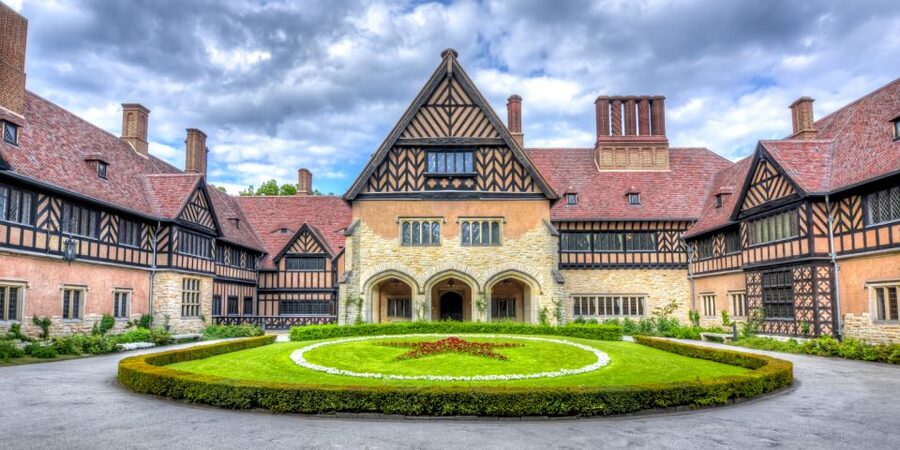
- Potsdam is a useful contrast: After the somber memorial, you see royal residences, gardens, and the former Slavic town that became a seat of power.
- The coach saves time and effort: Transport connects Alexanderplatz, Sachsenhausen, Potsdam, and central Berlin without requiring several separate tickets or route changes.
- The day includes Cold War landmarks: The return route crosses Glienicke Bridge and passes Checkpoint Bravo.
- You get a brief Berlin overview at the end: The panoramic drive includes the Reichstag, Brandenburg Gate, and Holocaust Memorial.
- Plan for weather and walking: The tour is not suitable for wheelchair users or people with mobility impairments, and winter visits can be very cold.
Why this combination works in one long day
Berlin is surrounded by places that explain the city from different angles. Sachsenhausen shows the machinery of Nazi persecution. Potsdam presents the world of kings, palaces, and court life. The return drive adds a reminder that Berlin’s division did not end when the Second World War did.
I find this contrast useful, though it is also emotionally demanding. You move from a place built around imprisonment and death to grand royal architecture within the same excursion. The shift can feel abrupt, but it shows how closely Germany’s periods of power, war, dictatorship, and division sit beside one another.
The tour lasts about seven hours, including roughly three hours of driving and a 25-minute panoramic drive through Berlin. That leaves about three hours and 45 minutes for the two main stops. You are not getting an exhaustive visit to either destination. You are getting a well-organized overview with transportation and live commentary.
The overall score of 4.6 from 1,334 ratings suggests that the format works well for most people. The strongest praise goes to the guides. Peter is often singled out for his warmth and command of the subject, while Walid is praised for storytelling, patience, and good humor. Richard receives particular credit for treating Holocaust education with openness and respect.
Other memorial sites open to visitors:
- Berlin: Sachsenhausen Concentration Camp Tour in English
★ 5.0 · 5,711 reviews - Berlin: Sachsenhausen Concentration Camp Memorial Tour
★ 4.7 · 3,716 reviews - Sachsenhausen Concentration Camp Bus Tour in English from Berlin
★ 5.0 · 1,962 reviews
Meeting the bus at Alexanderplatz
The day begins beside the World Time Clock at Alexanderplatz. Look for a guide wearing Buendía accreditation. This is a busy part of Berlin, so arrive early and allow time to locate the correct person rather than wandering around at the last moment.
The first coach ride takes about 50 minutes. Private transport is the central advantage here. Sachsenhausen is outside central Berlin, and Potsdam lies in another direction, so managing both independently would involve extra planning and a fair amount of time on public transport.
The bus also gives the guide a chance to explain the places you are about to see. Depending on the language arrangement, commentary may be offered in English and Spanish. One practical limitation is that English and Spanish groups may share a coach, with the guides taking turns. That can reduce the amount of uninterrupted explanation you hear during the drives.
Several people describe the coach as comfortable, clean, and fitted with a good sound system. Still, pickup reliability has not been perfect. One person waited about 45 minutes after the expected departure, while others reported delays of more than an hour. These were not the usual experience described, but you should avoid scheduling an important appointment immediately after the tour.
Entering Sachsenhausen Memorial
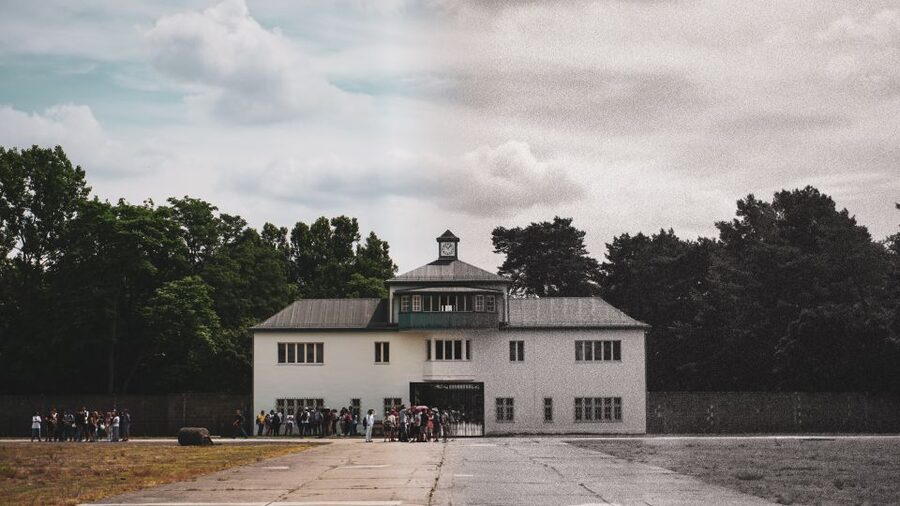
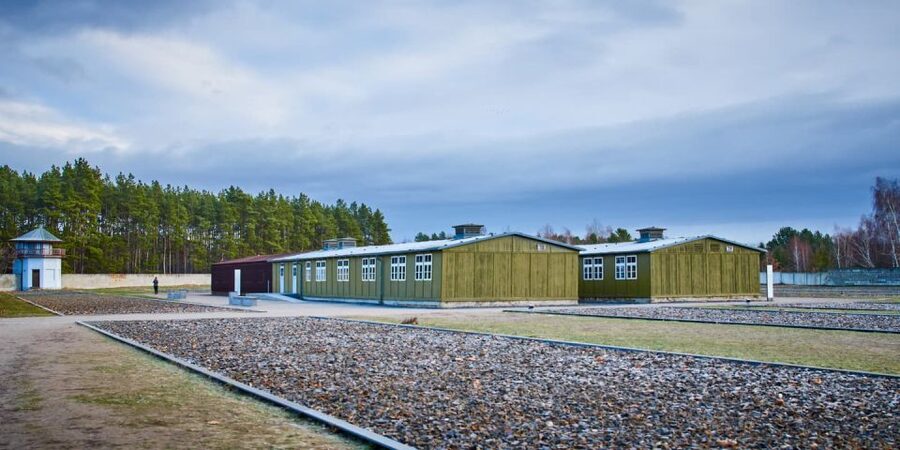
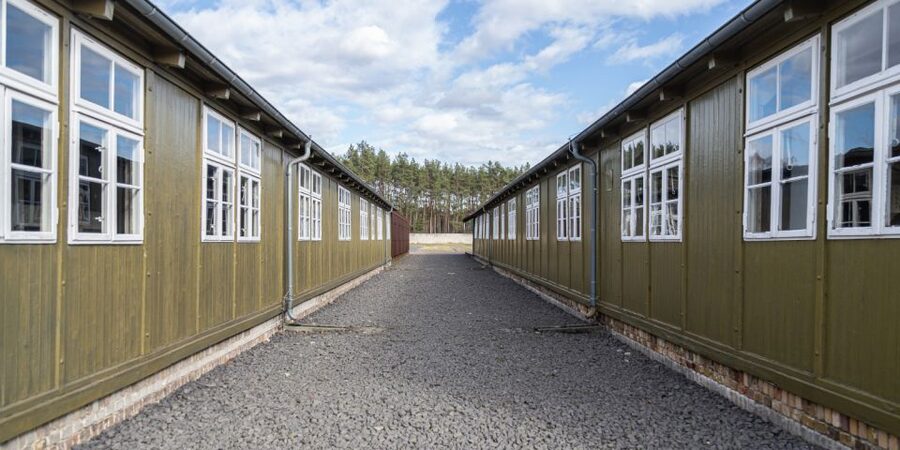
The Sachsenhausen visit is the heart of the day. You meet a memorial guide and spend about two hours walking through the former concentration camp site. The tour explains the camp’s layout, its administration, and the system of forced labor that governed prisoners’ lives.
This is not a casual sightseeing stop. The site is stark, and much of its meaning comes from understanding how ordinary-looking structures were used within a system of organized cruelty. A good guide helps you read the remaining buildings, open spaces, and memorial areas without reducing the subject to a list of dates.
The most valuable part is the explanation of how the camp functioned. You learn how jobs were assigned and how the camp was run, which helps connect the physical site with the wider machinery of persecution. The guide’s role matters greatly here. Peter, Walid, Jonas, Matteo, and Richard are all praised for making difficult material clear while keeping the tone respectful.
Richard is especially appreciated for speaking openly about Germany’s darkest period and for treating the victims with dignity. That quality is important. Sachsenhausen should not be presented as a dramatic backdrop or a grim curiosity. The best parts of this tour focus on the people imprisoned there and on the choices and systems that made the crimes possible.
Expect a moderate amount of walking over outdoor paths. Wear shoes with good support, since you will be on your feet for much of the visit. There are toilets at points along the day, and it is sensible to use them before boarding the bus.
The weather can change your experience. In winter, the open site feels especially cold, and one visitor from California wished for more layers. In summer, heat can make a long outdoor visit tiring. A waterproof jacket, sun protection, and clothes suited to the forecast are sensible choices.
The one-hour introduction to Potsdam
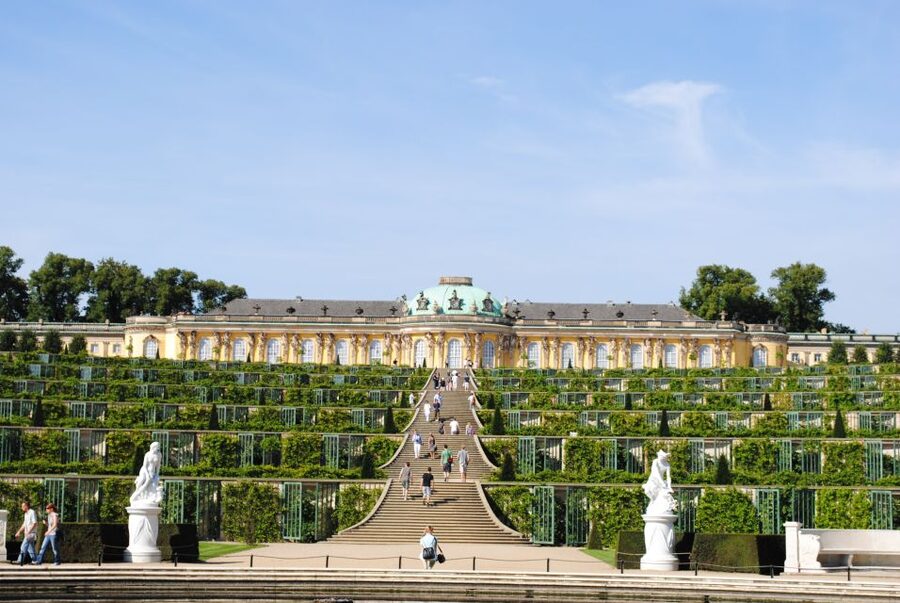
After Sachsenhausen, the coach travels for about an hour to Potsdam. The city began as a Slavic settlement and later became a royal residence. Your guide explains how that change shaped its palaces, gardens, streets, and political importance.
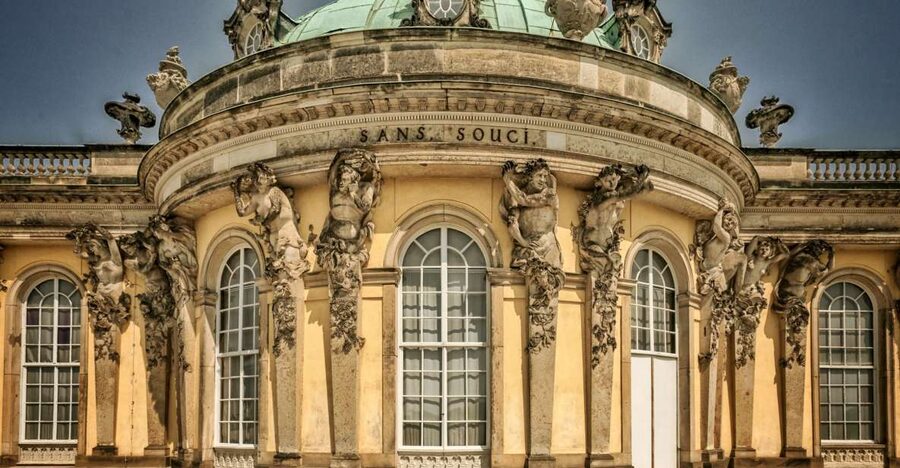
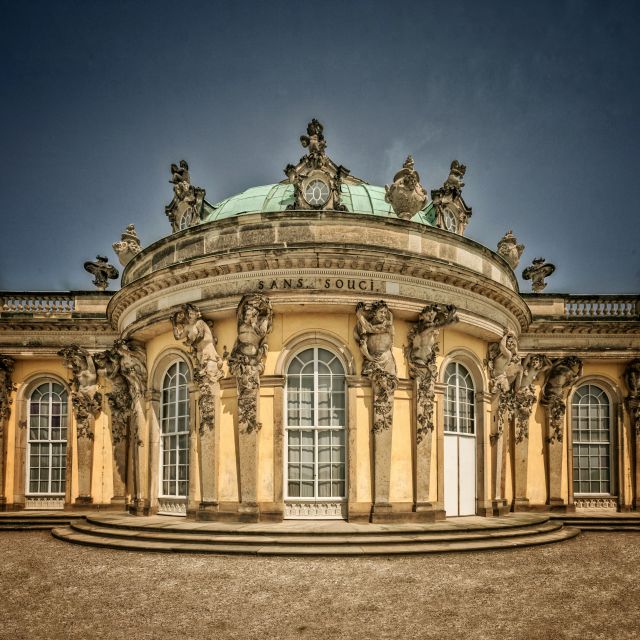
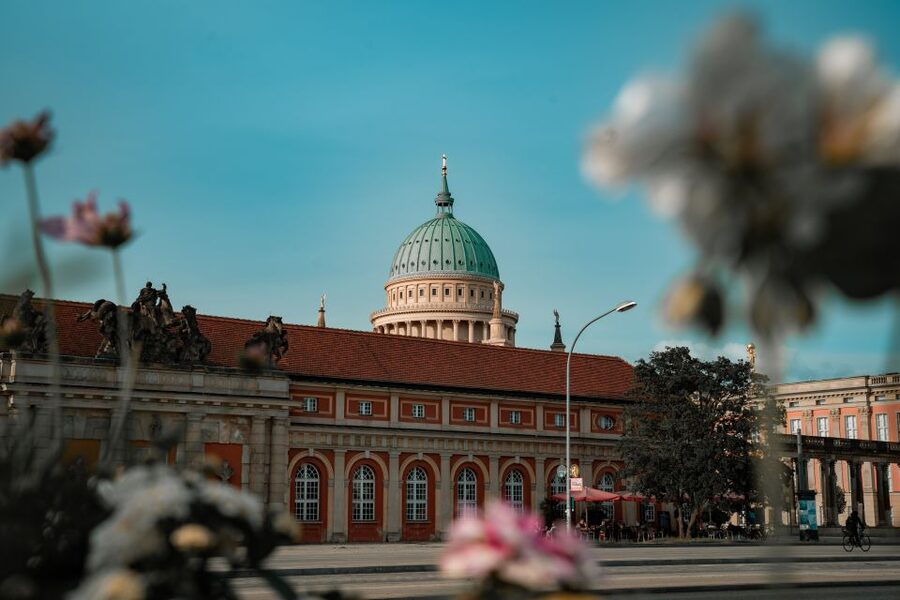
The guided walk lasts about an hour. You see royal residences and the grounds where royal families and their courts lived and walked. Sanssouci Palace is part of the historical story, and the guide may connect it with Frederick II and his friendship with the philosopher Voltaire.
Potsdam provides a welcome change of mood. After the stark memorial, its grand buildings and formal gardens show how rulers presented wealth and authority. The contrast is not just visual. It also helps explain the different worlds that shaped the Berlin region.
Still, keep your expectations realistic. This is a highlights walk, not a palace tour with time to inspect every interior. The schedule does not provide a long visit to the Dutch Quarter or a full exploration of the city. One hour with the guide and 45 minutes on your own can feel short, especially if you want to enter a palace, sit down for a meal, or see more than the main central sights.
A few more Berlin trips worth comparing
- Berlin: Reichstag, Dome and Government District Guided Tour
★ 4.7 · 18,288 reviews - Berlin: 1-Hour City Tour by Boat with Guaranteed Seating
★ 4.3 · 16,993 reviews - Berlin: Boat Tour Along the River Spree
★ 4.4 · 11,252 reviews - Discover Berlin Half-Day Walking Tour
★ 5.0 · 9,624 reviews
Making good use of 45 minutes alone
Your free time in Potsdam is useful, but it requires a little discipline. If you want coffee, cake, or a quick meal, choose a place promptly. One person enjoyed truffle gnocchi at an Italian restaurant on the central street, while another used the break for coffee and cake.
You can also use the time for photographs and a short independent walk. The city has enough character to reward a little wandering, but do not go far unless your guide gives clear instructions. The group returns to Berlin by coach, although one person chose to remain in Potsdam and found it easy to take the S-Bahn back.
That option is worth confirming with the guide before separating from the group. If you leave independently, you are responsible for your own onward transport and timing. For most people, staying with the coach is simpler.
The free period is one of the tour’s weaker points. Forty-five minutes is enough for a snack and a quick look around, but not enough for a relaxed visit to several sites. If Potsdam is your main reason for coming to the area, book a separate full-day visit instead.
Glienicke Bridge and Checkpoint Bravo
The return route adds two important Cold War sights. The coach crosses Glienicke Bridge, which connects Berlin and Potsdam. During the Cold War, the bridge became famous for prisoner exchanges between East and West, and its story reached a wider audience through the film Bridge of Spies.
You do not get an extended walking visit here. The value is in seeing the crossing as part of the route and hearing why it mattered. It is a useful reminder that Berlin’s political division was not abstract. It affected roads, bridges, families, and daily movement.
The coach also passes Checkpoint Bravo, one of the key border crossings between West Berlin and West Germany during the city’s division. Again, this is a drive-by view rather than a museum visit. Think of it as historical context added to the ride home, not a separate attraction.
These stops make the tour more than a concentration camp excursion followed by a palace visit. They give the day a third chapter and help you place Berlin’s twentieth-century story in sequence.
A panoramic return through central Berlin
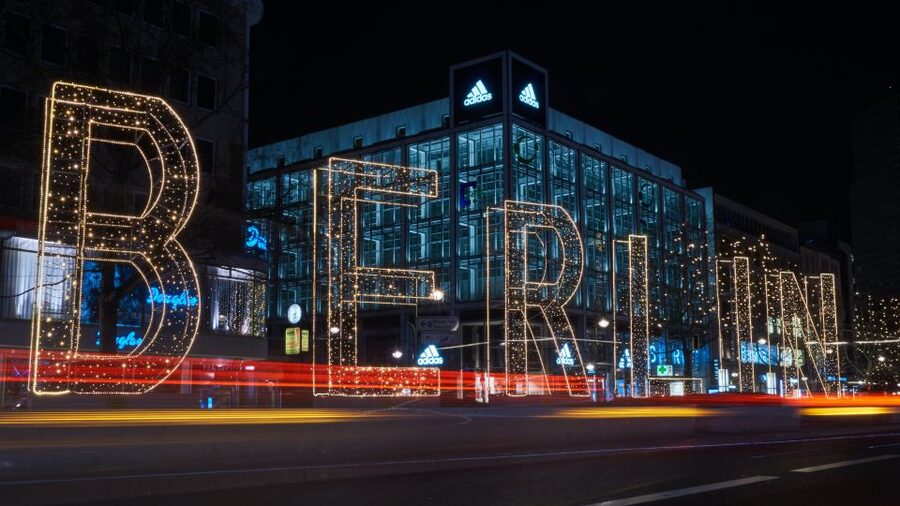
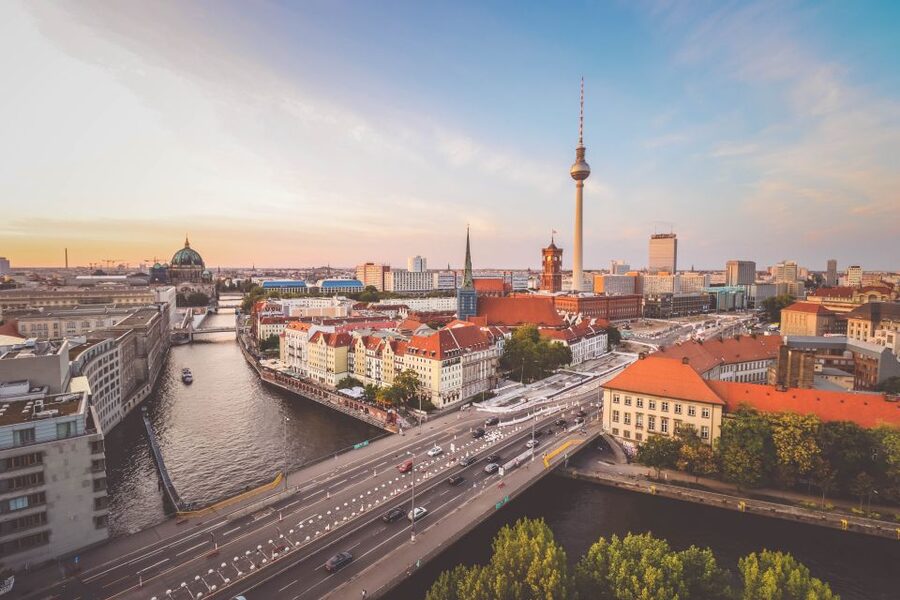
The final 25-minute bus tour passes some of Berlin’s best-known landmarks, including the Reichstag, Brandenburg Gate, and Holocaust Memorial. This is a useful orientation if you are new to the city or have not yet seen the central sights.
I would not treat this section as a substitute for visiting those landmarks on foot. From a coach, you get an overview and a chance to note places you want to revisit. The benefit is that the guide can connect what you have seen during the day with the wider story of Berlin.
The bus returns to the World Time Clock at Alexanderplatz. The stated duration is seven hours, though one person described a day of about seven and a half hours. Delays, traffic, and the size of the group can affect the exact finish time.
What the $65 price really covers
At $65 per person, the tour offers good value if you want to visit both Sachsenhausen and Potsdam in one day. The price includes private transport, a professional guide, the Sachsenhausen memorial fee, the guided memorial visit, the Potsdam walk, and a Berlin city bus tour.
The biggest saving is time and mental effort. You do not need to work out the route to Sachsenhausen, arrange the trip to Potsdam, or find your way back through Berlin. You also receive live interpretation at a place where context is essential.
Food and drinks are not included. Since lunch comes relatively late for some schedules, eat a good breakfast and carry water and a snack if permitted. You will be walking outside for hours, so arriving hungry can make the second half of the day less enjoyable.
The tour is less good value if you want a slow visit. A private day in Potsdam would give you more time, and an independent Sachsenhausen visit may suit someone who prefers to read displays quietly and move at a personal pace. The $65 works best for first-time visitors who value structure and transport.
Who should choose this excursion
I would recommend it to you if:
- You have one free day and want two major destinations outside central Berlin.
- You prefer a guide to explain Sachsenhausen rather than visiting without context.
- You want transport handled from start to finish.
- You are comfortable walking for several hours.
- You want a broad introduction to Berlin’s Nazi, royal, and Cold War past.
- You enjoy asking questions and learning through stories.
It may not suit you if you use a wheelchair, have a mobility impairment, or find long outdoor walks difficult. The tour is specifically described as unsuitable for wheelchair users, and the schedule leaves little room for slow movement.
It also may not suit children or adults who are unprepared for the seriousness of Sachsenhausen. The memorial visit calls for quiet attention and respect. Guides do their best to explain the subject with care, but the material itself remains painful.
English and Spanish are available. If you want the most uninterrupted commentary, ask how the language groups will be arranged when you book. Shared buses can mean alternating commentary during the drives.
Small details that improve the day
Start with a substantial breakfast. The schedule can place lunch later than you expect, and there is no included meal.
Wear comfortable shoes with firm support. You will walk at Sachsenhausen and Potsdam, often outdoors.
Dress in layers. Winter cold can last all day at the open memorial site, while summer heat can make the walking tiring.
Bring water and weather protection. Rain turned one otherwise excellent day into a wet one, while another group dealt with intense summer heat.
Stay close to the guide. The group is generally kept together, and guides count people before moving on, but it is still your job to keep pace.
Use toilet stops when they appear. This is simple advice, but it matters during a seven-hour excursion.
Ask questions. Peter, Walid, Jonas, Richard, Matteo, Lucia, and other guides are praised for making time for questions and for explaining difficult subjects in an approachable way.
Should you book it?
Book this tour if you want an efficient, guided introduction to Sachsenhausen and Potsdam, with Cold War sights and a central Berlin drive added in. The strongest reason to choose it is the guiding. A thoughtful explanation can turn a bare memorial site into a clearer lesson about how persecution was organized and why remembrance matters.
The tradeoff is speed. Potsdam is only sampled, and the day can feel long, especially in bad weather or after a delayed departure. But at $65, with transport and memorial fees included, it is a practical choice for a first visit.
If you want a fuller Potsdam experience, stay in the area longer or plan a separate day. If you want to understand the Berlin region through several sharply different chapters of history, this compact excursion earns its place in your plans.
FAQ
Where does the tour begin?
The meeting point is next to the World Time Clock at Alexanderplatz. Your guide will wear Buendía accreditation.
How long does the tour last?
The scheduled duration is seven hours. Some days may run slightly longer because of traffic or delays.
What languages are available?
The tour is available in English and Spanish.
Is transportation included?
Yes. Private transport is provided during the activity, including the journeys between Alexanderplatz, Sachsenhausen, Potsdam, and Berlin.
How long is the Sachsenhausen visit?
The guided visit to Sachsenhausen Memorial lasts about two hours.
How much time is available in Potsdam?
You receive about one hour of guided sightseeing followed by approximately 45 minutes of free time.
Are food and drinks included?
No. Food and drinks are not included, so eat breakfast and consider carrying a snack and water.
Is the tour suitable for wheelchair users?
No. The activity is not suitable for wheelchair users or people with mobility impairments. It includes a moderate amount of walking.
Just added around Berlin
- Private Walking Tour in Berlin: Hitler’s Germany & WWII★ 5.0 · 7 reviews
- The History of Berlin: WWII PRIVATE Walking Tour With Locals★ 5.0 · 209 reviews
- Private Berlin WWII and Cold War History Tour with Local Expert Guide★ 5.0 · 28 reviews
- Private Walking Tour Berlin 3 hours: Brandenburg, Historic Center★ 5.0 · 7 reviews
- Berlin: Private Bike Tour of the Berlin Wall and Third Reich★ 5.0 · 23 reviews
- Berlin: Guided Private Bike Tour to Explore the Highlights★ 5.0 · 12 reviews
- Berlin Photography Masterclass – Private Photography Lesson★ 4.5 · 23 reviews
- Group Driving Tour 1 to 6 people. Berlin Shore Excursion incl pick-up at Port★ 5.0 · 8 reviews