
Reviewed · CONCENTRATION CAMP MEMORIAL VISITS
Berlin: Sachsenhausen Concentration Camp Guided Tour
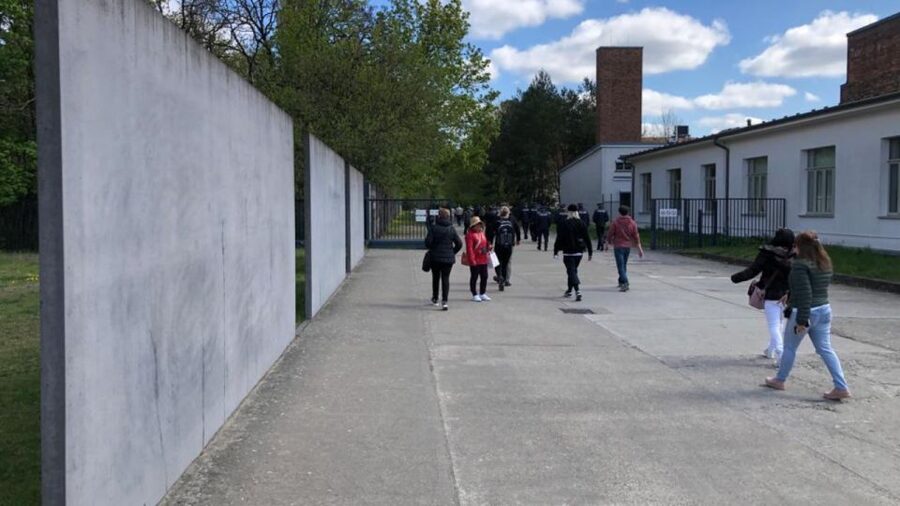
History is sometimes best understood on foot. This five-hour trip from Berlin takes you through Sachsenhausen Concentration Camp, where the physical remains, memorial displays, and careful storytelling help explain how the Nazi camp system worked. I especially like the small group of no more than seven people, and I like that the ticket includes a contribution to the memorial. The main consideration is the pace: with only about four hours at the site, you may want more time for the indoor exhibits.
Guides such as Matt, Tom, and Jorg have been praised for combining strong historical knowledge with care and restraint. I also like the simple transport plan from Alexanderplatz, though the tour is emotionally demanding and takes place outdoors in all weather. Bring comfortable shoes, a snack, and enough attention for a serious half-day.
In This Review
- Key points before you book
- Why Sachsenhausen deserves a place in your Berlin plans
- Meeting at Alexanderplatz and the 30-minute ride
- Walking through Tower A and the camp entrance
- The Jewish sector and overcrowded barracks
- The cell block, special prisoners, and camp kitchen
- Special Camp No. 7 and the history after 1945
- Station Z and the final section of the tour
- What the five-hour schedule feels like
- Is $115 a fair price?
- Who will get the most from this tour?
- Should you book the Sachsenhausen tour?
- FAQ
- How long does the Sachsenhausen tour take?
- Where does the tour begin?
- Where does the tour end?
- What language is the tour conducted in?
- How many people are in the group?
- Is transport included?
- Is the tour wheelchair accessible?
- What should I bring?
- Does the tour operate in bad weather?
Key points before you book
- Sachsenhausen was designed as a model camp: Your guide explains how the site helped shape the Nazi concentration camp system.
- A small group changes the experience: With a maximum of seven people, you can ask questions and hear explanations without a crowd around you.
- The tour covers both Nazi and Soviet use: The history does not end in 1945. You also learn about Special Camp No. 7, which held prisoners after the war.
- Station Z is the most difficult stop: The execution site, gas chamber, and crematorium area require quiet attention and emotional preparation.
- You spend four hours at the memorial: The schedule gives you a serious visit, but limited time inside the exhibitions may leave you wanting longer.
- The tour runs in rain or shine: Wear sturdy shoes and clothing suited to the forecast.
Why Sachsenhausen deserves a place in your Berlin plans
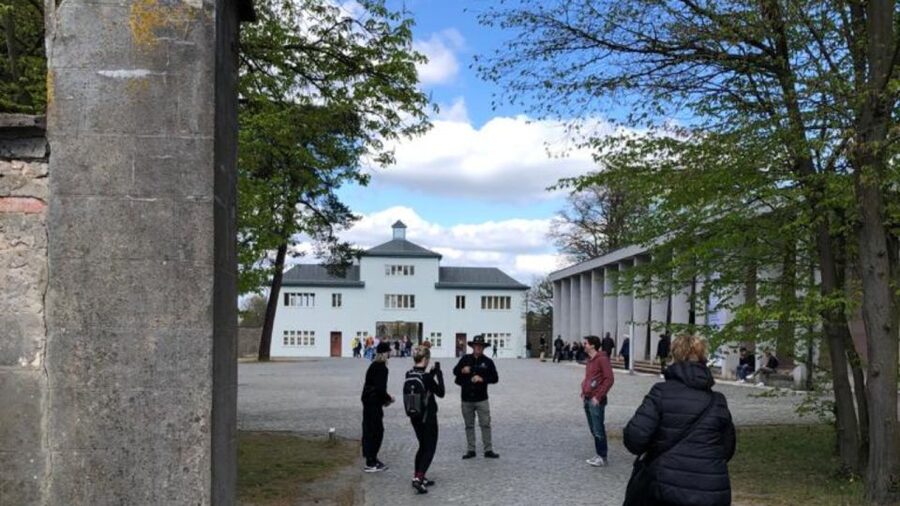
Berlin has no shortage of museums and memorials connected to the Nazi period. Sachsenhausen adds something different: you are not simply looking at objects in a gallery. You are walking through a former concentration camp, seeing the layout and remaining structures that shaped prisoners’ daily lives.
Sachsenhausen opened in 1936 and was designed as a prototype for the Nazi concentration camp system. That makes the site especially useful for understanding the machinery behind the camps: administration, guard structures, prisoner control, forced labor, punishment, and mass murder.
The tour also places the camp within a wider story. You learn how the SS Concentration Camps Inspectorate managed the system, how prisoners were organized and abused, and how the Soviet Union later used the site as a special camp. That wider frame matters. It helps you see Sachsenhausen not as an isolated place of cruelty, but as part of a large political and administrative system.
I would not treat this as a casual stop between shopping and dinner. The subject is painful, and several parts of the visit are upsetting. Still, the guide’s role is valuable because the site can otherwise feel fragmented. A good explanation connects the barracks, roll-call area, punishment spaces, infirmary, and execution grounds into one understandable story.
Other memorial sites open to visitors:
- Berlin: Sachsenhausen Concentration Camp Tour in English
★ 5.0 · 5,711 reviews - Berlin: Sachsenhausen Concentration Camp Memorial Tour
★ 4.7 · 3,716 reviews - Sachsenhausen Concentration Camp Bus Tour in English from Berlin
★ 5.0 · 1,962 reviews
Meeting at Alexanderplatz and the 30-minute ride
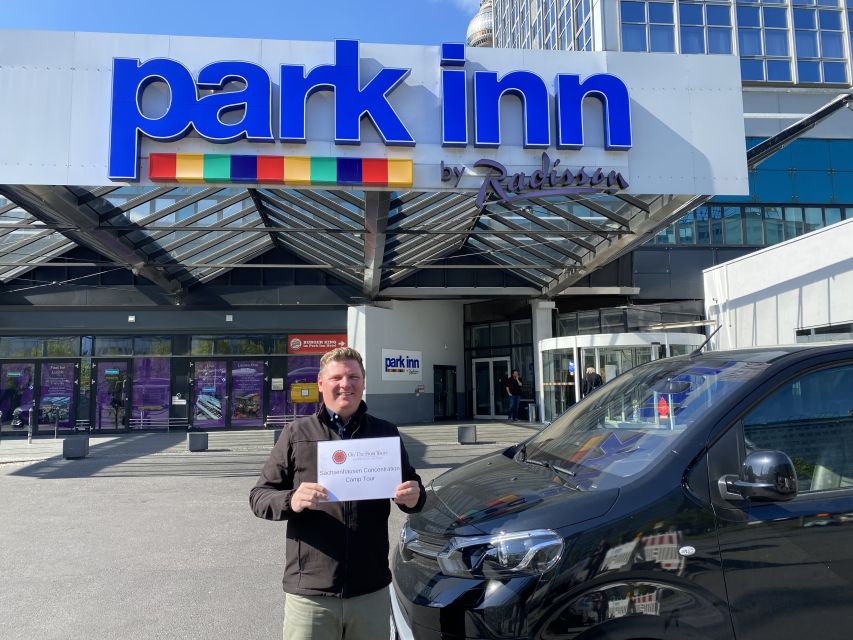
The day begins at the Park Inn by Radisson Berlin Alexanderplatz. Meet at the main entrance, specifically at the taxi pickup and drop-off point. This is a busy area, so allow a little time to identify the correct spot rather than arriving at the last second.
Transport to Sachsenhausen takes about 30 minutes in the tour vehicle. Pickup and return are included, which is useful if you want to avoid working out the regional transport connections yourself. During the drive, the guide introduces the Nazi concentration camp system and explains why Sachsenhausen was important in its development.
That short ride gives you useful context before you arrive. Instead of stepping through the gate with no background, you begin to understand the camp’s place within the Third Reich’s system of imprisonment and control.
The vehicle is one of the practical advantages of this tour, especially for a half-day visit. You do not have to change trains or manage the final connection to the memorial. The tradeoff is that the fixed pickup point may be less convenient if you are staying far from Alexanderplatz.
Walking through Tower A and the camp entrance
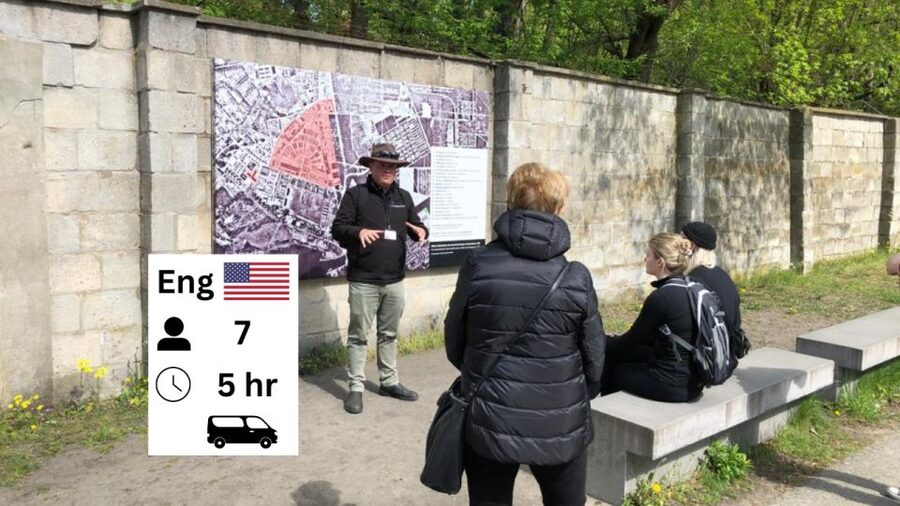
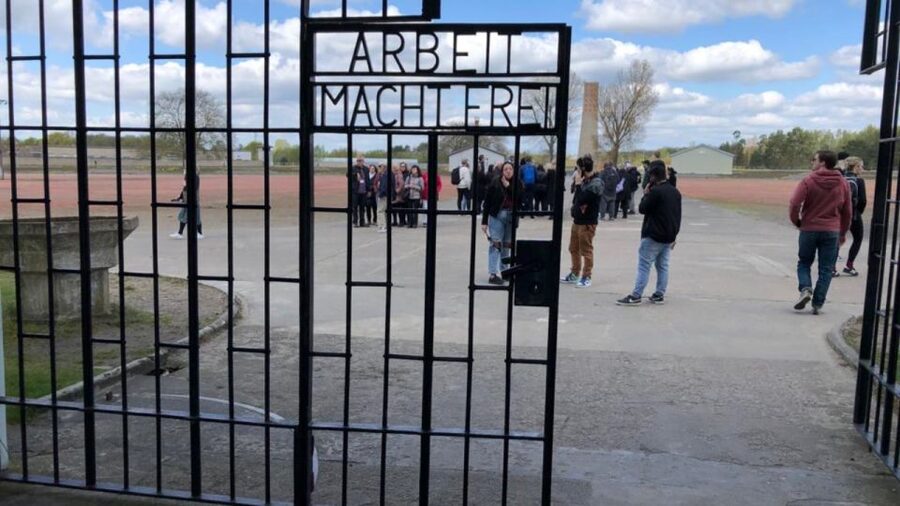
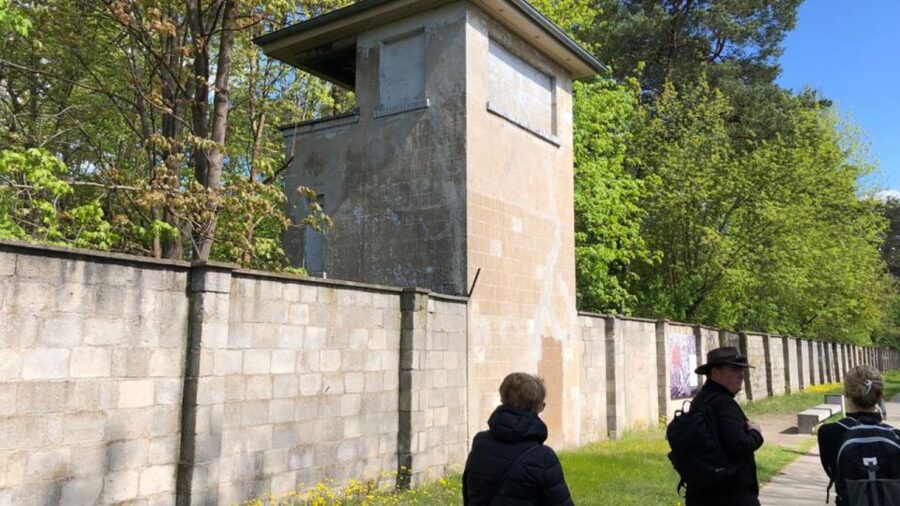
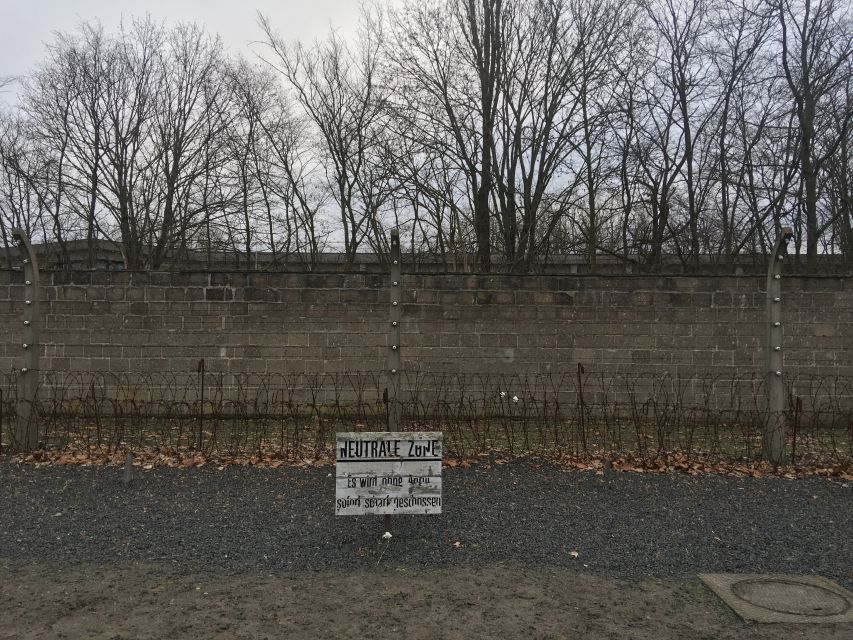
The visit begins at the main entrance, Tower A, beneath the words ARBEIT MACHT FREI. The entrance is one of the most recognizable parts of the site, but it is not the whole story. Your guide uses it as a starting point for explaining how architecture, surveillance, and intimidation worked together.
The tour then moves into the former camp area, where you learn about the prisoners’ daily routine. Morning roll call was a central part of that routine, and the guide explains how this process controlled time, bodies, and movement.
You also see the shoe testing track. Prisoners were forced to walk long distances on different surfaces while testing military footwear. It is a detail that makes forced labor more concrete. Rather than hearing only broad figures and general descriptions, you learn about one specific task designed to exhaust and punish people.
This early section sets the tone. Sachsenhausen is not presented as a collection of dramatic ruins. The focus is on how ordinary routines became tools of control, and how prisoners had to endure hunger, fear, exhaustion, and arbitrary punishment.
The Jewish sector and overcrowded barracks
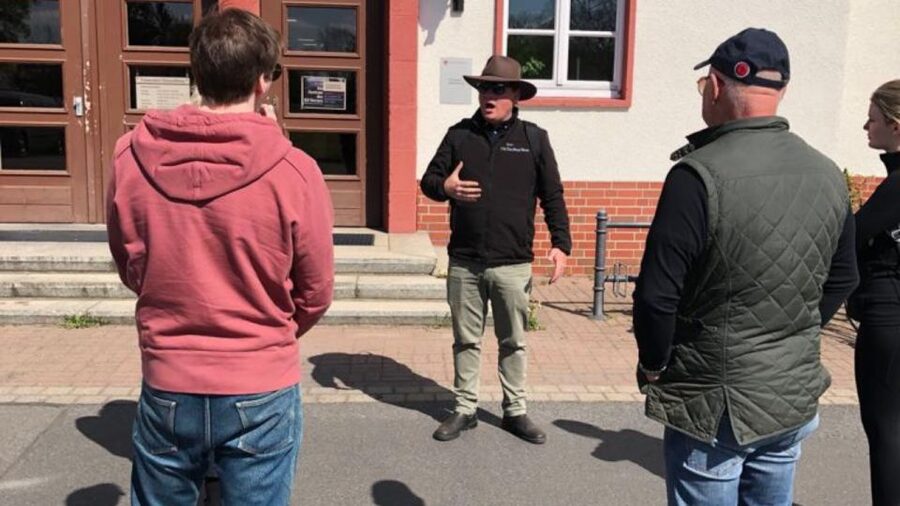
The route continues into the Jewish sector of the camp. Here, you enter surviving or reconstructed barracks and learn about the cramped, harsh living conditions prisoners faced.
The barracks are important because they make the scale of daily deprivation easier to grasp. Terms such as overcrowding and poor sanitation can sound abstract on a page. Walking through the confined spaces gives those words physical meaning.
Your guide also discusses the different groups imprisoned at Sachsenhausen and the ways the camp system classified and controlled them. The focus is not only on the people imprisoned there, but also on the structure that made their treatment possible.
This is one reason a live guide adds value. A memorial visit on your own can be powerful, but you may not know which building relates to which part of the camp’s history. In a small group, you can stop and ask for clarification without interrupting a large crowd.
The group size is a real strength here. The maximum is seven participants, and several highly rated tours were led by Matt, Tom, or Jorg. Their styles may differ, but the strongest praise centers on clear explanations, compassion, and the ability to answer questions without turning the subject into a performance.
A few more Berlin trips worth comparing
- Berlin: Reichstag, Dome and Government District Guided Tour
★ 4.7 · 18,288 reviews - Berlin: 1-Hour City Tour by Boat with Guaranteed Seating
★ 4.3 · 16,993 reviews - Berlin: Boat Tour Along the River Spree
★ 4.4 · 11,252 reviews - Discover Berlin Half-Day Walking Tour
★ 5.0 · 9,624 reviews
The cell block, special prisoners, and camp kitchen
Next comes the camp cell block, a more secretive area associated with harsh treatment. The space held British prisoners of war and special prisoners, including Stalin’s son.
That detail adds another layer to the camp’s history. Sachsenhausen was used for different categories of prisoners, and the cell block shows how detention could vary according to a prisoner’s status, nationality, or perceived importance. It was still a place of cruelty, but the reasons for imprisonment and the conditions could differ.
The camp kitchen provides a short pause in the route. You can use the restrooms, take a breath, and look at an exhibition of camp objects. Prisoner drawings remain visible on the walls, offering a rare personal trace amid the larger institutional story.
I appreciate the inclusion of a short break here. Four hours at Sachsenhausen is a long period for an emotionally serious visit, and a pause helps you reset before the most difficult sections. The limitation is that the break does not create a separate block of free time for exploring at your own speed.
One direct piece of advice: bring a snack. The tour includes a bottle of water, but the provided information specifically recommends bringing food. You will be walking and concentrating for much of the day, and there is no suggestion that a full meal is included.
Special Camp No. 7 and the history after 1945
A useful feature of this tour is that it continues beyond the Nazi period. After the war, the Soviet Union kept Sachsenhausen in use as Special Camp No. 7.
The camp held around 60,000 prisoners during this later period, including German prisoners of war, convicted war criminals, and political prisoners. The guide explains the continuing mistreatment of prisoners, the camp’s post-war preservation, and the effect of this difficult history on modern Germany.
This section keeps the visit from becoming a simple story with an ending in 1945. It shows how a site built for imprisonment can carry different layers of memory and responsibility. You also gain a better sense of why preservation is complicated. The memorial must honor victims of Nazi persecution while also explaining the Soviet camp that followed.
For me, this is one of the most useful parts of the tour because it adds context that a basic Nazi-era overview may skip. If your interest is limited to World War II, you may find the later section less central. If you want a fuller understanding of the site, it is a major benefit.
Station Z and the final section of the tour
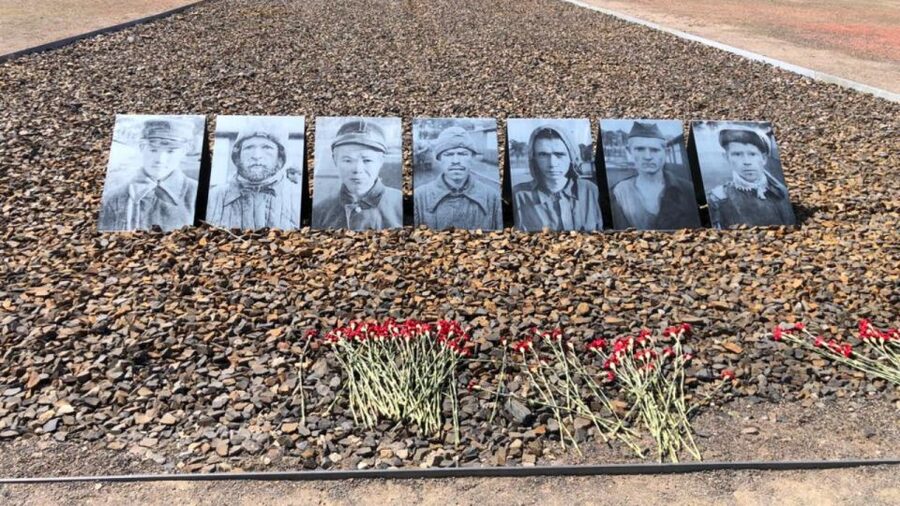
The most distressing stop is Station Z, the camp’s execution site, gas chamber, and crematorium area. This is where the tour addresses the systematic murder of prisoners and the Nazi Final Solution.
The guide’s tone matters greatly here. The strongest guide feedback centers on sensitivity and accuracy, not theatrical delivery. Matt was praised for being passionate while respecting the memory of the victims. Tom was praised for explaining the site clearly and answering questions with care. Jorg was praised for his historical insight and engaging manner.
You should expect this section to be difficult. The point is not to collect shocking images or dramatic stories. It is to understand the organized process of murder and the human decisions behind it. The tour also asks you to consider the mindset of guards and prisoners, which helps connect individual actions to the larger system.
The route then passes through the camp infirmary, where prisoners were subjected to medical experiments. This is another serious stop, and it reinforces the way the camp treated human beings as objects for punishment, labor, and experimentation.
You may need quiet time after this part. The schedule brings you back to the vehicle after the visit, but it does not promise a long period for private reflection. That is one reason I would avoid booking this on a day packed with other heavy historical sites.
What the five-hour schedule feels like
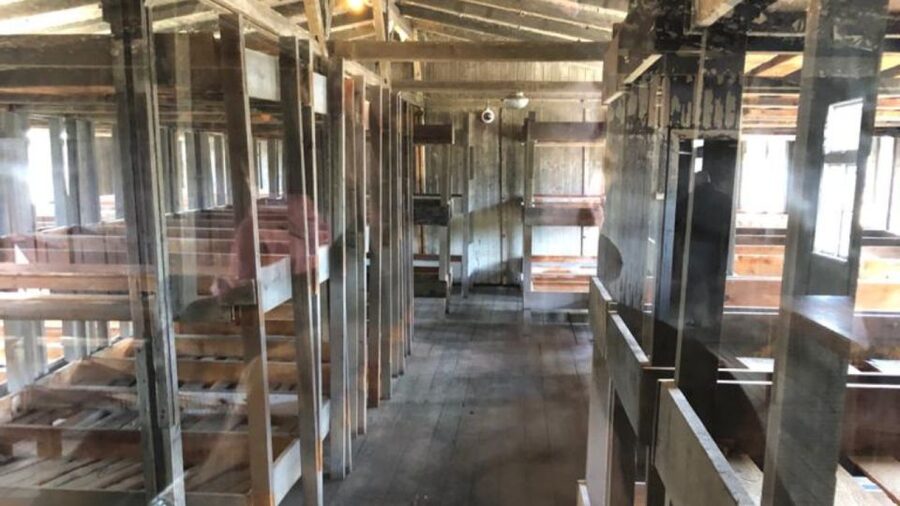
The total duration is five hours: about 30 minutes each way in the vehicle and roughly four hours at the memorial. That is enough time for a guided overview of the main areas, including the entrance, roll-call and shoe testing areas, Jewish sector, barracks, cell block, kitchen, Soviet special camp history, Station Z, and infirmary.
The schedule is efficient, but it is not leisurely. You are following a structured route, listening, walking, and stopping at key areas. If you want to study every exhibition panel or spend a long time with each object, five hours may feel tight.
One person specifically wished the tour were six or seven hours to allow more time in the exhibition buildings. I think that is the clearest limitation to keep in mind. The guide-led structure gives you context and keeps the visit focused, but it reduces the time available for independent viewing.
Weather can also affect the day. The tour runs rain or shine, so comfortable shoes are essential. Since much of the visit is outdoors, check the forecast and dress accordingly. Drones, alcohol, drugs, alcoholic drinks in the vehicle, and bare feet are not permitted.
The experience is wheelchair accessible, though the supplied information does not describe the exact surface conditions or route details. If you use a wheelchair, it is sensible to confirm the practical route before booking.
Is $115 a fair price?
At $115 per person, this is not a budget outing. The price includes central pickup and drop-off, transport, a bottle of water, a live English-speaking guide, and the memorial contribution.
The value comes mainly from the small-group format and the guide’s role. A group capped at seven is more personal than a large coach tour. You can ask questions, hear the guide without straining, and have a more direct conversation about difficult subjects.
The included transport also saves time and planning. You are paying for a guided visit rather than simply admission and a ride. If you are comfortable researching the site, arranging transport, and reading the displays yourself, you might prefer a lower-cost independent visit. If you want historical structure and a guide who can explain the links between each area, the higher price is easier to justify.
The 4.9 rating from 42 reviews, along with an 86 percent perfect score for transport, points to a dependable experience. Still, a high rating does not remove the time limitation. Think of the $115 as the price of a focused, escorted introduction, not an all-day research visit.
Who will get the most from this tour?
I would recommend this tour to you if:
- You want a clear introduction to the Nazi concentration camp system.
- You prefer learning through a guide rather than reading every display alone.
- You value a small group and the chance to ask questions.
- You want to understand both Nazi and Soviet use of Sachsenhausen.
- You are prepared for upsetting material and a serious atmosphere.
- You want central transport from Berlin included.
It may be less suitable if you need a light sightseeing day, dislike long outdoor visits, or want extensive time for independent study. Families should also think carefully about the subject matter and the needs of younger children, since the tour includes execution, mass murder, medical experiments, and severe prisoner mistreatment.
The guide style appears to be a major part of the experience. Matt, Tom, and Jorg have each received strong praise for clear, respectful presentations. You cannot assume which guide you will receive, but the repeated emphasis on compassion and historical detail is encouraging.
Should you book the Sachsenhausen tour?
Book it if you want a serious, well-organized introduction to Sachsenhausen and prefer a guide-led visit with very few people. The strongest reasons are the small group, central transport, broad coverage of the site, and attention to the camp’s post-war history.
I would not book it simply because it is a popular Berlin day trip. Sachsenhausen asks for concentration and emotional energy. You should also accept that four hours at the memorial may not satisfy you if you want to read every exhibit in detail.
For most people with a genuine interest in understanding this part of Germany’s past, the tour offers good value at $115. Wear comfortable shoes, bring a snack and water is supplied, allow for changing weather, and leave room in your day afterward. This is a visit to remember, not one to rush through.
FAQ
How long does the Sachsenhausen tour take?
The tour lasts five hours in total. This includes about 30 minutes by vehicle from Berlin to Sachsenhausen, roughly four hours at the memorial, and about 30 minutes for the return journey.
Where does the tour begin?
It begins at the Park Inn by Radisson Berlin Alexanderplatz. Meet at the main entrance at the taxi pickup and drop-off point.
Where does the tour end?
The vehicle returns you to the Park Inn by Radisson Berlin Alexanderplatz, the original pickup point.
What language is the tour conducted in?
The live guided tour is conducted in English.
How many people are in the group?
The tour is limited to seven participants, making it a small-group experience.
Is transport included?
Yes. Pickup and drop-off from the central Alexanderplatz meeting point are included, along with transport to and from Sachsenhausen.
Is the tour wheelchair accessible?
Yes, the activity is listed as wheelchair accessible.
What should I bring?
Bring comfortable shoes and snacks. A bottle of water is included.
Does the tour operate in bad weather?
Yes. The tour takes place rain or shine, so dress for the forecast.
Just added around Berlin
- Private Walking Tour in Berlin: Hitler’s Germany & WWII★ 5.0 · 7 reviews
- The History of Berlin: WWII PRIVATE Walking Tour With Locals★ 5.0 · 209 reviews
- Private Walking Tour Berlin 3 hours: Brandenburg, Historic Center★ 5.0 · 7 reviews
- Berlin: Private Bike Tour of the Berlin Wall and Third Reich★ 5.0 · 23 reviews
- Private Berlin WWII and Cold War History Tour with Local Expert Guide★ 5.0 · 28 reviews
- Berlin: Guided Private Bike Tour to Explore the Highlights★ 5.0 · 12 reviews
- Berlin Photography Masterclass – Private Photography Lesson★ 4.5 · 23 reviews
- Group Driving Tour 1 to 6 people. Berlin Shore Excursion incl pick-up at Port★ 5.0 · 8 reviews