
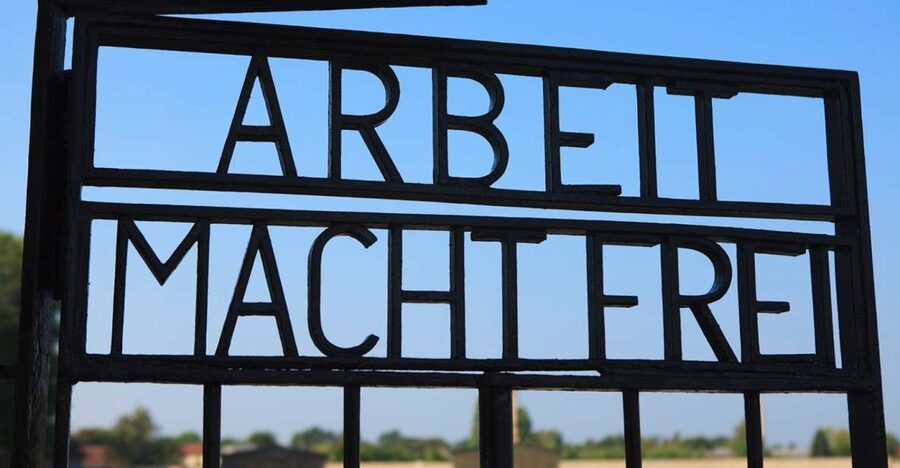
Reviewed · CONCENTRATION CAMP MEMORIAL VISITS
Berlin: Sachsenhausen Memorial 6-Hour Tour in Spanish
Sachsenhausen leaves a mark. This six-hour visit from Berlin combines a Spanish-speaking guide, a 50-minute train ride, and a serious look at Nazi and Soviet repression. I especially like the use of survivor accounts, photographs, and official documents, plus the chance to see Station Z and the roll-call area known as A Tower. The main drawback is practical: your €41 tour price does not include the required ABC public transport ticket, and the memorial has no shop, so you must bring food and water.
I also like that the tour covers both periods of the site’s history, not only the Nazi concentration camp. Guides such as Héctor and Helena have earned warm praise for clear, direct explanations, though the six-hour schedule and outdoor setting can feel demanding in cold, windy weather.
In This Review
- Key points to know before booking
- Why Sachsenhausen matters beyond a day trip from Berlin
- Meeting at Alexanderplatz and taking the train north
- The six-hour pace and what the guide adds
- A Tower and the structure of the camp
- Station Z, the hardest stop on the route
- Museums, documents, and personal accounts
- The Soviet camp and the GDR memorial
- Is $41 a fair price?
- Weather, food, clothing, and emotional preparation
- Who will get the most from this tour?
- Should you book the Spanish Sachsenhausen tour?
- FAQ
- Where does the Sachsenhausen tour meet in Berlin?
- How long does the tour last?
- Is public transportation included in the price?
- Is the tour conducted in Spanish?
- What is included in the $41 price?
- Should I bring food and drinks?
- Can I cancel the tour for a refund?
Key points to know before booking
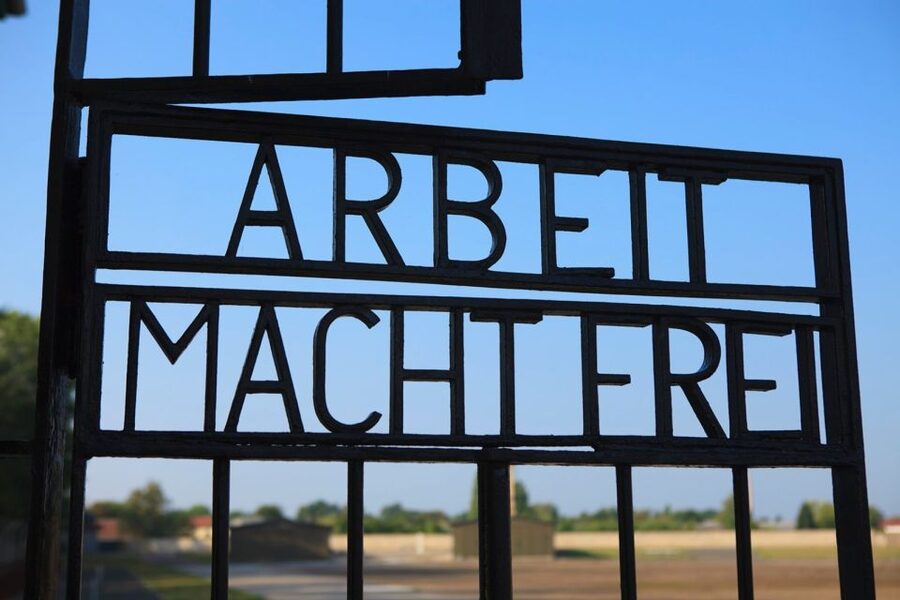
- Station Z gives the visit its most sobering focus: This killing facility was added in 1942 for the rapid murder of prisoners.
- The tour begins at Alexanderplatz: Meet by the green tours en español flag beside the only entrance to the TV Tower, near Espresso House.
- The 50-minute train ride needs an ABC ticket: Public transport is not included, so plan for this extra cost before departure.
- Spanish is the working language: The guide explains the camp’s structure, prisoner life, forced work, and wider Nazi administration in Spanish.
- The site also tells a Soviet-era story: After Hitler’s defeat, the Soviets used Sachsenhausen as a gulag for their own prisoners.
- Bring snacks and drinks: There is no shop at the memorial, and six hours is a long time for a demanding outdoor visit.
Why Sachsenhausen matters beyond a day trip from Berlin
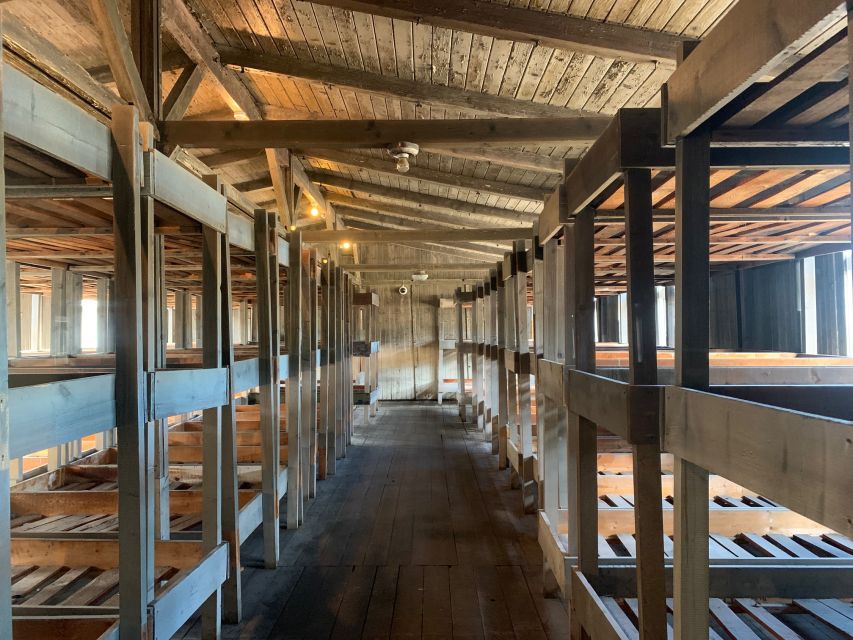
Sachsenhausen was built close to Berlin and was intended as a model concentration camp. It also became the administrative center for the Nazi concentration camp system, giving the site importance beyond its own perimeter.
More than 200,000 people passed through Sachsenhausen, and at least 50,000 died. Those figures are difficult to grasp on their own. The value of a guided visit is that the guide connects the numbers to the camp’s design, daily routines, prisoner labor, and the documents left behind.
This is not a light sightseeing stop. You are visiting a preserved place of imprisonment, forced labor, and mass murder. I would set aside the usual holiday pace and give the full six hours to the experience. You will get more from it if you arrive ready to listen rather than simply collect photographs.
The site later served a second repressive system. After the fall of Hitler, Soviet authorities turned Sachsenhausen into a camp for their own prisoners. That later use is important because it prevents a simplified reading of the grounds. The memorial addresses both Nazi Germany and the Soviet period, including the GDR memorial tradition.
Other memorial sites open to visitors:
- Berlin: Sachsenhausen Concentration Camp Tour in English
★ 5.0 · 5,711 reviews - Berlin: Sachsenhausen Concentration Camp Memorial Tour
★ 4.7 · 3,716 reviews - Sachsenhausen Concentration Camp Bus Tour in English from Berlin
★ 5.0 · 1,962 reviews
Meeting at Alexanderplatz and taking the train north
The day begins in a busy part of central Berlin, directly beside the TV Tower at Alexanderplatz. Look for a green flag marked tours en español, between the TV Tower and Alexanderplatz train station, near the Espresso House café. The instructions identify this as the only entrance to the tower, which should make the meeting point easier to find.
Give yourself enough time to locate the guide. Alexanderplatz is large, and the TV Tower is hard to miss, but the precise meeting spot is beside the entrance rather than inside the station or café.
From there, the group takes a train toward the northern outskirts of Berlin. The journey takes about 50 minutes. That travel time is part of the six-hour schedule, so this is not a quick side trip with a short talk at the end. You are giving up most of a day in Berlin, but you are also avoiding the hassle of planning the route to Sachsenhausen on your own.
You need a public transport ticket covering zones ABC. It is not included in the tour price. Check the transport requirement before you arrive at Alexanderplatz, since the guide fee does not cover your train fare.
The train ride also creates a useful change of pace. Berlin’s central streets give way to the northern outskirts, and the historical focus shifts from imperial and modern city sights to a memorial site built for remembrance and education.
The six-hour pace and what the guide adds
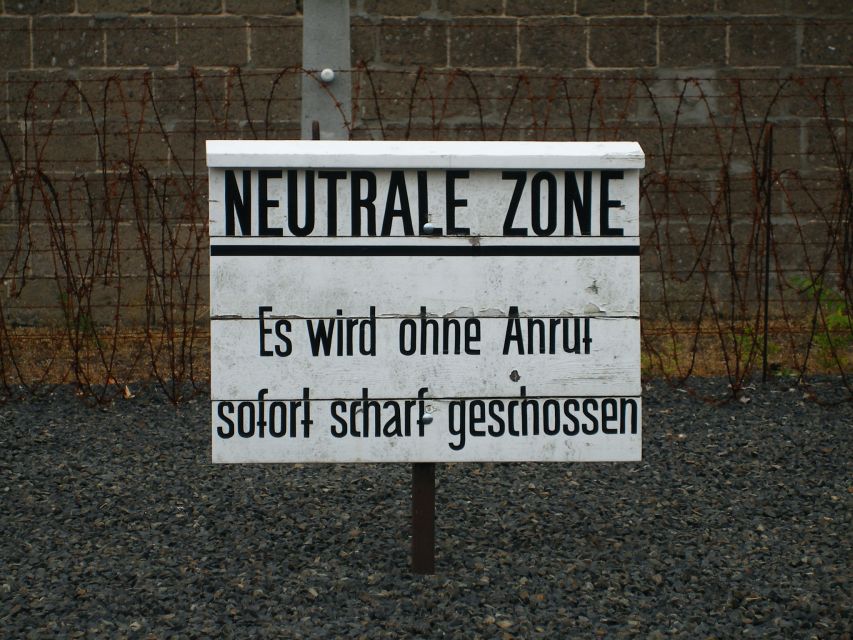
A Spanish-speaking guide is included throughout the Sachsenhausen visit. That matters here because the subject is dense, and the site contains more than walls and empty ground. You will need help connecting the physical remains to the camp’s function and to the testimonies, photographs, and official documents used in the interpretation.
The tour explains how Sachsenhausen began, what daily life was like for prisoners, and what forms of work they were forced to perform. A guide can also explain how the camp was organized and why its position near Berlin mattered.
The strongest praise has gone to guides who speak plainly and confidently. Héctor is singled out for direct, unvarnished explanations, while Helena receives a friendly mention from another booking. One Spanish-language account specifically valued learning how the camp operated from a legal and administrative point of view, not just hearing a list of tragic events.
That detail is worth noting when you choose this tour. If you want a polished but shallow overview, this may feel heavy. If you want the camp explained as a system, including its bureaucracy and administration, the Spanish guide adds real value.
The tour provider is cultourberlin by cultour-incoming. The published score is 4.8 from 549 reviews, and the repeated praise centers on the guides’ command of the subject and their ability to make the history understandable. The most useful criticism is logistical: one person wished for a more reliable direct contact number because calls or email through the booking app could be limited. I would save the meeting instructions and provider contact details before leaving your hotel.
A Tower and the structure of the camp
A Tower was the camp’s roll-call location. Roll call was not a minor daily formality. It formed part of the camp’s system of control, and the guide uses this area to explain how prisoners were counted and managed.
Seeing the location in person helps you understand the camp as an organized institution rather than an abstract place from a textbook. The layout, surviving structures, and open spaces make the system easier to picture, even though no physical reconstruction can reproduce what prisoners endured.
This is one reason I prefer a guided visit here to simply arriving alone. A memorial site can be quiet and visually sparse. Without context, you might pass important areas without understanding their function. The Spanish explanation gives the remains a clear historical frame.
Expect the tone to remain serious. There is no entertainment angle, and there should not be one. The tour works best when you allow time for pauses and reflection rather than trying to rush from one point to the next.
A few more Berlin trips worth comparing
- Berlin: Reichstag, Dome and Government District Guided Tour
★ 4.7 · 18,288 reviews - Berlin: 1-Hour City Tour by Boat with Guaranteed Seating
★ 4.3 · 16,993 reviews - Berlin: Boat Tour Along the River Spree
★ 4.4 · 11,252 reviews - Discover Berlin Half-Day Walking Tour
★ 5.0 · 9,624 reviews
Station Z, the hardest stop on the route
Station Z is likely to be the most difficult part of the visit. It was added in 1942 with the purpose of killing victims quickly and clinically. The name can sound technical, but the function was brutally direct.
Your guide explains what happened there and places it within the wider camp system. Personal accounts, photographs, and official documents help move the discussion away from vague horror and toward specific evidence.
I would not describe this stop as merely informative. It is emotionally heavy, and some people may find it distressing. That is not a flaw in the memorial, but it is something you should consider before booking, especially if you are traveling with children or anyone who may not want an extended discussion of mass killing.
The tour does not appear to treat Station Z as a sensational attraction. Its importance comes from its place in the history of Sachsenhausen and from the chance to confront the machinery of murder in a site preserved for education.
Museums, documents, and personal accounts
Sachsenhausen includes a museum and several exhibitions. These displays add material that the grounds alone cannot provide, including personal accounts from survivors, photographs, and official documents.
That mix is valuable. Survivor testimony gives the human view. Photographs show the people and structures. Official documents reveal how the authorities recorded, organized, and administered persecution. Together, they help you see both the personal suffering and the system behind it.
You will probably get more from the museum if you listen closely to the guide before exploring the exhibits. The explanation gives you questions to carry inside. For example, instead of looking at a document as a piece of old paper, you can consider what it says about prisoner classification, labor, or the camp’s place in the Nazi administration.
The exhibitions also help explain why Sachsenhausen was selected as a model camp. Its proximity to Berlin and its administrative role gave it a special position. The visit is not limited to what happened inside the fences. It also shows how a wider network operated.
The Soviet camp and the GDR memorial
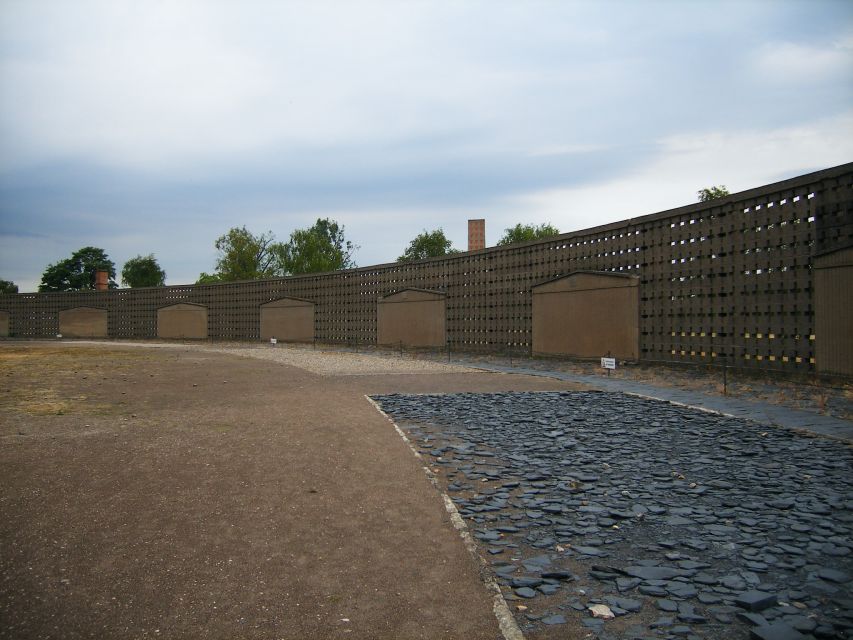
The Nazi period is only one part of the site’s story. After Hitler’s defeat, the Soviets used Sachsenhausen as a gulag for their own prisoners. The tour addresses this later period and includes the GDR memorial.
This section can be especially useful if your understanding of Sachsenhausen stops in 1945. The site was not immediately returned to ordinary civilian life. It continued to function as a place of imprisonment under a different political authority.
The GDR memorial adds another layer: how East Germany chose to present and remember the site. A good guide can help you separate the physical history of the camp from the later memorial choices made by the German Democratic Republic.
Because the tour covers Nazi Germany, Soviet Russia, and the GDR memorial, it gives you a wider picture than a visit focused only on the Third Reich. That wider scope may be the tour’s most unusual feature. It also means you should expect a lot of information in one day.
Is $41 a fair price?
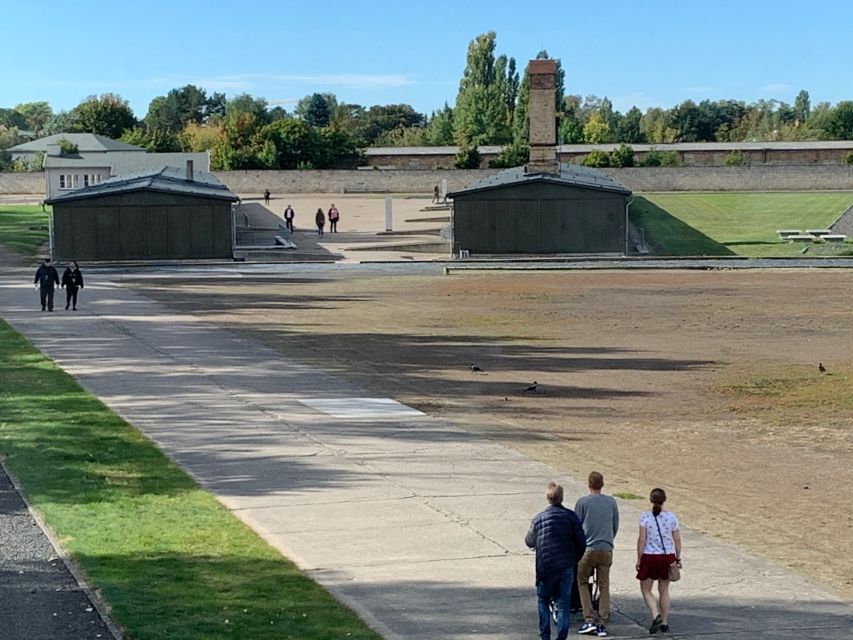
At $41 per person, the price is reasonable for a six-hour guided experience, especially because it includes the full Spanish-language tour and the €3 Concentration Camp Foundation surcharge. The journey from central Berlin, the guide’s time, and the interpretation of the museum and memorial areas all form part of the value.
You still need to pay for your ABC transport ticket. That extra expense is easy to overlook, so do not treat the advertised price as your final outlay.
The value depends mainly on your need for Spanish. If you understand German or English well and prefer to explore independently, you may find a self-guided visit more flexible. If Spanish is your strongest language, the guide can make complex material easier to follow and help you understand the legal and administrative side of the camp.
The price also buys structure. You do not need to work out the route from Alexanderplatz, decide which parts to see first, or build your own explanation from museum panels. For a site this serious, that structure is useful.
Weather, food, clothing, and emotional preparation
The memorial is an outdoor place with museums and exhibitions, so your comfort depends partly on the weather. A December account describes very cold, windy conditions, and the open setting can make those conditions feel sharper.
Wear practical clothing and shoes. Bring snacks and drinks because there is no shop at Sachsenhausen. This is especially important on a six-hour outing that includes train travel and a substantial visit.
The food advice is not a minor detail. You may not want to leave the memorial area to search for supplies, and a hungry group has less energy for a serious historical visit. Pack something simple before meeting at Alexanderplatz.
Prepare for the emotional weight, too. The tour discusses forced labor, imprisonment, mass killing, survivor testimony, and the Soviet camp. You can find the experience deeply moving, but you should not book it expecting a relaxed excursion.
The tour is listed as wheelchair accessible. If access is a major concern for you, confirm the practical arrangements with the provider before departure, since the information provided does not detail every surface, exhibition entrance, or transport step.
Who will get the most from this tour?
I would recommend it most strongly to Spanish-speaking adults and older students who want guided historical context rather than a quick memorial visit. It suits you if you want to understand how Sachsenhausen was built, administered, and used, and if you are willing to spend a full day with difficult material.
It is also a good choice for a first visit to Germany when language is a concern. One Spanish-language booking account described the experience as particularly useful for understanding Germany while dealing with the local language for the first time.
You may prefer another option if your Berlin schedule is tight. The tour takes six hours, including the train journey, and the subject demands attention. It is not an easy activity to squeeze between a museum reservation and an evening show.
You should also think carefully before bringing young children. The supplied information does not specify a minimum age, but Station Z and the accounts of camp life involve disturbing subjects. The decision depends on the child, but this is a place where honest preparation matters.
Should you book the Spanish Sachsenhausen tour?
Book it if you want a serious, structured visit in Spanish and can give Sachsenhausen most of a day. The combination of A Tower, Station Z, museum exhibits, survivor accounts, Nazi administration, the Soviet camp, and the GDR memorial gives you a fuller understanding than a quick walk around the grounds.
The best reason to choose it is the guide. Héctor’s direct style and Helena’s warm praise suggest that the human quality of the explanation can shape the day. Still, guide assignments can vary, so book for the tour’s format rather than expecting a particular person.
Skip it if you dislike long historical tours, are short on time, or would rather explore quietly at your own pace. For everyone else, $41 is a fair starting price, provided you add the ABC transport ticket, bring food and water, and prepare for a difficult but important visit.
FAQ
Where does the Sachsenhausen tour meet in Berlin?
The meeting point is beside the only entrance to the Alexanderplatz TV Tower, between the tower and Alexanderplatz train station. Look for a green flag marked tours en español, near the Espresso House café.
How long does the tour last?
The tour lasts six hours. The train ride from Alexanderplatz to the northern outskirts of Berlin takes about 50 minutes.
Is public transportation included in the price?
No. You need to buy a public transport ticket covering zones ABC.
Is the tour conducted in Spanish?
Yes. The tour includes a live Spanish-speaking guide.
What is included in the $41 price?
The price includes the full Sachsenhausen tour with a Spanish-speaking guide and the €3 Concentration Camp Foundation surcharge.
Should I bring food and drinks?
Yes. It is advisable to bring snacks and drinks because there is no shop at Sachsenhausen.
Can I cancel the tour for a refund?
You can cancel up to 24 hours in advance for a full refund. You can also reserve now and pay later, keeping your plans flexible.
Just added around Berlin
- The History of Berlin: WWII PRIVATE Walking Tour With Locals★ 5.0 · 209 reviews
- Private Walking Tour in Berlin: Hitler’s Germany & WWII★ 5.0 · 7 reviews
- Private Berlin WWII and Cold War History Tour with Local Expert Guide★ 5.0 · 28 reviews
- Private Walking Tour Berlin 3 hours: Brandenburg, Historic Center★ 5.0 · 7 reviews
- Berlin: Private Bike Tour of the Berlin Wall and Third Reich★ 5.0 · 23 reviews
- Berlin: Guided Private Bike Tour to Explore the Highlights★ 5.0 · 12 reviews
- Berlin Photography Masterclass – Private Photography Lesson★ 4.5 · 23 reviews
- Group Driving Tour 1 to 6 people. Berlin Shore Excursion incl pick-up at Port★ 5.0 · 8 reviews