Reviewed · TICKETS
Berlin: The Feuerle Collection Guided Tour and Entry Ticket
Berlin keeps its best surprises behind plain doors. I like the way The Feuerle Collection places Imperial Chinese furniture beside contemporary art, and I like the former WWII telecommunications bunker, whose stark rooms and underground lake give the visit a mood unlike a normal gallery. The English guided tour also helps explain why these very different objects belong together.
The main drawback is the short visit. Although the experience is advertised as one hour, one booking reported only 35 to 40 minutes, so you may feel hurried if you want to study every piece. The Scent Room may also be unavailable, as it was during one visit.
In This Review
- Key points to know before you go
- Entering Berlin’s former telecommunications bunker
- Why the bunker changes the art
- The first collection: Khmer sculpture from the seventh to thirteenth centuries
- Imperial Chinese furniture with a different kind of power
- Contemporary art beside ancient objects
- The underground lake and the collection’s quietest moment
- What the one-hour schedule really means
- Is $25 a fair price?
- Who will enjoy this tour most
- Practical advice for making the visit worthwhile
- Should you book The Feuerle Collection?
- FAQ
- Where does The Feuerle Collection tour meet?
- How long does the guided tour last?
- Is the tour available in English?
- What does the $25 price include?
- Can children join the tour?
- Can I take photographs or use my cellphone inside?
Key points to know before you go
- A WWII bunker becomes the exhibition space: John Pawson’s renovation leaves the building’s severe character in place while adding a precise light design.
- Ancient and modern art share the same rooms: Khmer sculpture, Chinese lacquer furniture, and works by Nobuyoshi Araki and Adam Fuss are meant to be viewed together.
- The underground lake is part of the art experience: Water, darkness, and controlled lighting give the bunker an unusual calm.
- The tour lasts about one hour, but timing can vary: Plan for a compact visit, with the possibility that the guided portion may run closer to 35 or 40 minutes.
- This is an adults-focused museum: Children under 16 are not admitted, and visitors must leave cameras, phones, food, and drinks outside the experience.
- The price is modest for a guided museum visit: At $25 per person, the cost is reasonable if you value the building and interpretation as much as the objects.
Entering Berlin’s former telecommunications bunker
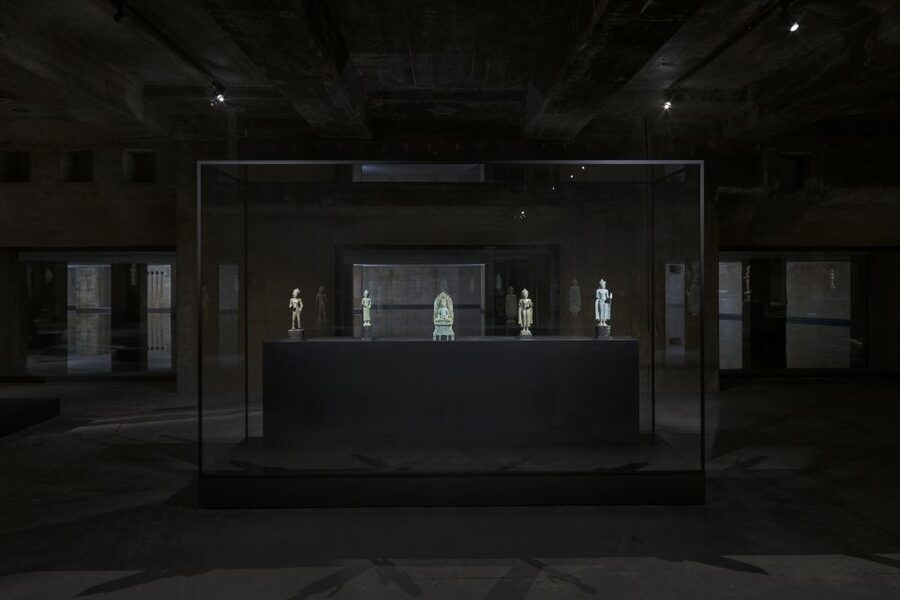
The Feuerle Collection begins at the entrance of a former World War II telecommunications bunker. That setting matters. You are not walking into a bright white gallery with polished floors and broad windows. You are entering a heavy, enclosed structure built for a very different purpose.
Architect John Pawson renovated the bunker, but the building still provides much of the atmosphere. Its underground character makes the collection feel private and carefully controlled. The lack of ordinary museum distractions puts your attention on texture, shadow, scale, and the relationship between each object and the room around it.
I would arrive ready to slow down. This is not a place for a quick circuit of labels and photographs. Cameras and cellphones are not allowed, and video recording is prohibited. You also cannot touch the exhibits or bring food and drinks inside. Those rules may feel strict, but they help protect the quiet that gives the visit its force.
The meeting point is simple: go to the entrance of The Feuerle Collection. The tour is conducted in English, and a live guide leads the museum visit rather than leaving you to make sense of the collection alone.
A few more Berlin trips worth comparing
- Berlin: Berlin Story Bunker Entry Ticket
★ 4.6 · 6,759 reviews - Berlin: Illuseum Berlin Entrance Ticket
★ 4.1 · 3,970 reviews - Berlin: Madame Tussauds Admission Ticket
★ 4.6 · 3,941 reviews
Why the bunker changes the art
The building is more than an unusual address. It shapes how you see the objects.
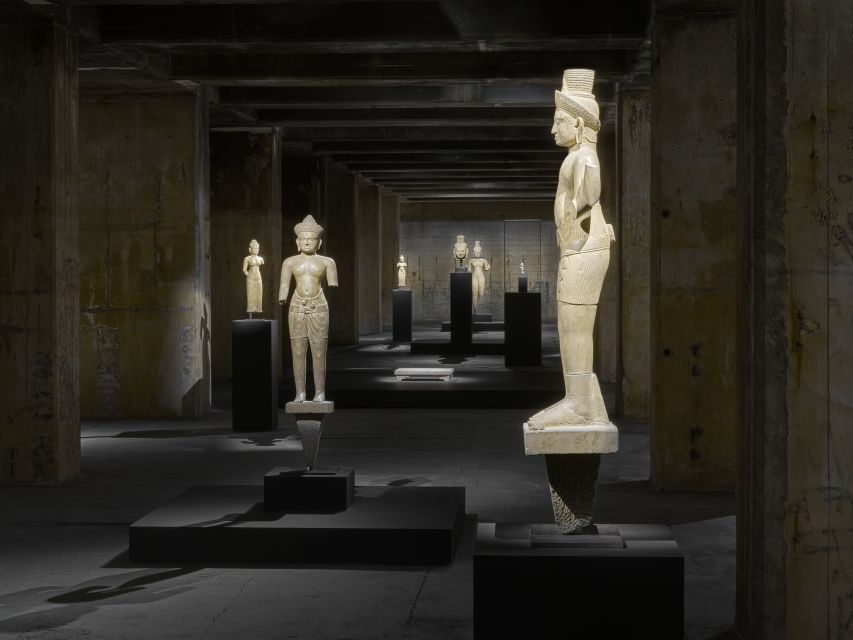
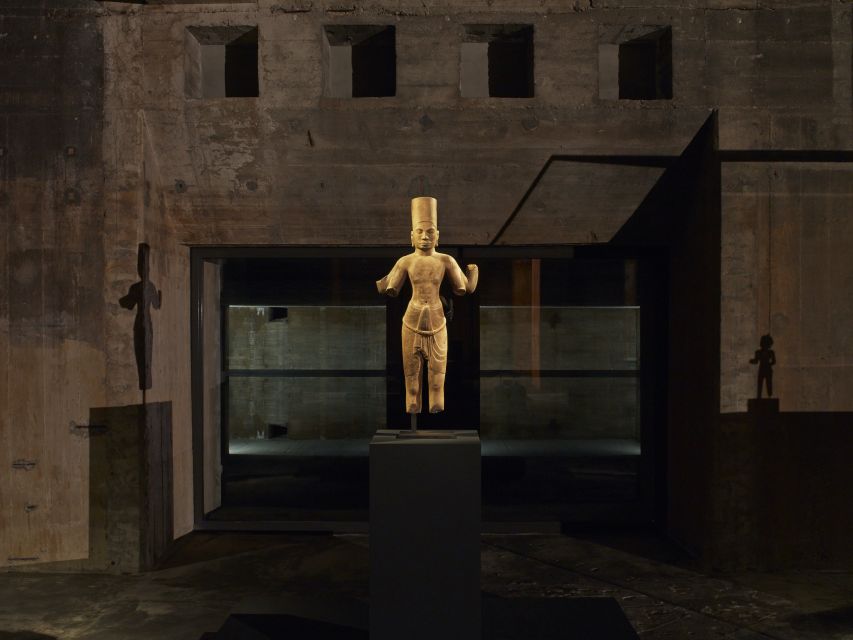
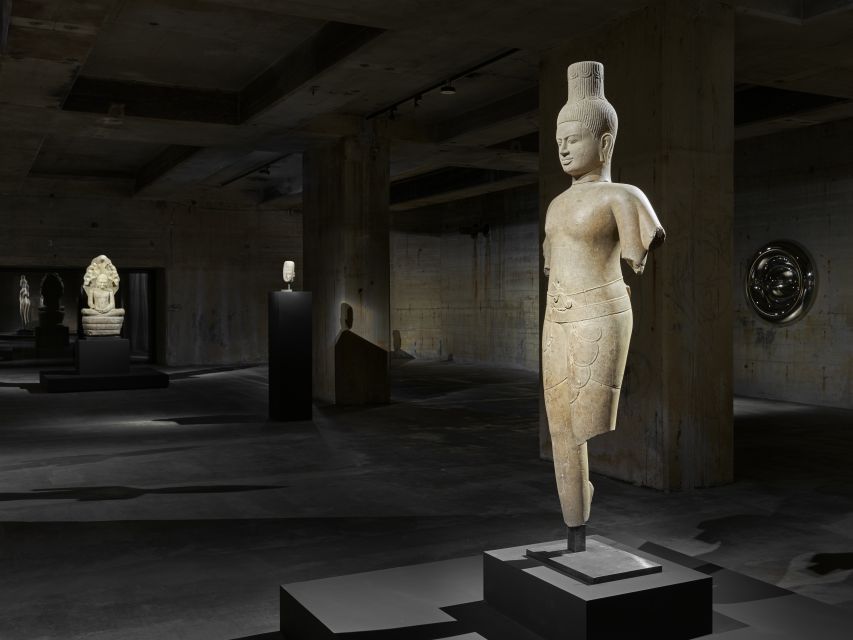
A Khmer sculpture in a conventional gallery can be admired for its form and age. In this bunker, stone, bronze, and wood figures take on another quality. The darkness and controlled lighting bring out surfaces, worn edges, and the weight of the materials. You may find yourself paying attention to the sculpture’s silhouette before you even begin thinking about its date or origin.
The same is true of the Imperial Chinese furniture. Lacquer and stone have their own visual character, but the bunker gives them a solemn setting. Furniture that might otherwise seem decorative becomes architectural. It occupies the room with a calm, almost immovable presence.
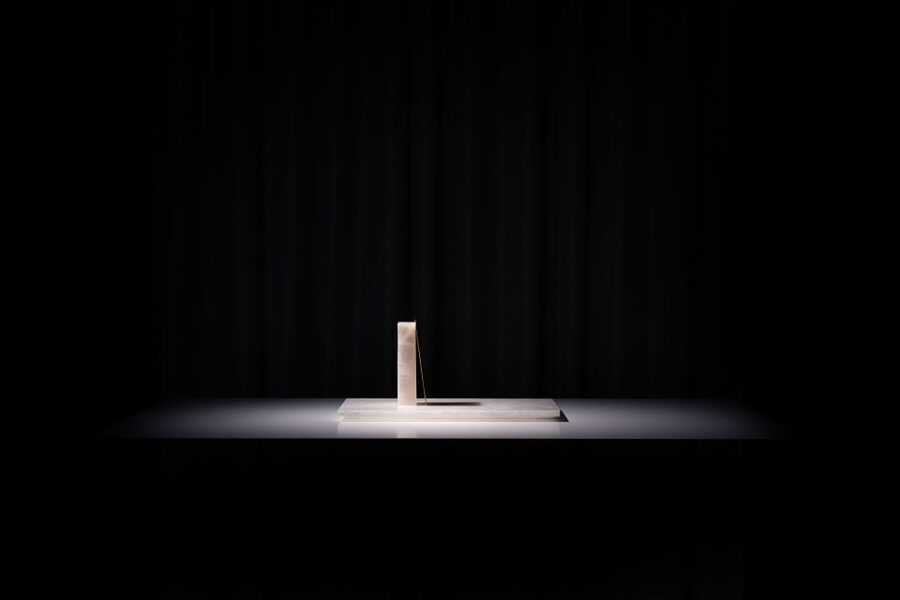
John Pawson’s renovation is deliberately restrained. The design does not compete with the collection by adding bright colors or elaborate decoration. Instead, the space depends on light, shadow, empty areas, and carefully placed objects. That restraint is a major part of the experience, though it also means the visit may feel austere if you prefer lively, crowded museums.
The first collection: Khmer sculpture from the seventh to thirteenth centuries
One of the most important parts of the tour is the group of Khmer sculptures dating from the seventh to the thirteenth centuries. The collection includes stone, bronze, and wood works, giving you a chance to compare how different materials handle the human and divine forms found in Southeast Asian art.
The guide helps place these objects within the wider collection. Without that explanation, you might simply notice that the sculptures are old and finely made. With guidance, you can think about why a particular figure is made from stone rather than bronze, or how a worn wooden surface changes the feeling of the work.
The museum does not present these objects as isolated historic specimens. They are part of a conversation that continues through the rest of the tour. Their age is important, but the visit asks you to look beyond age. Shape, surface, stillness, and emotional tone matter just as much.
Because the tour is brief, listen closely from the start. You may not have enough time to return to every sculpture later. If you have a strong interest in Southeast Asian art, this section alone could leave you wishing for a longer, slower visit.
Imperial Chinese furniture with a different kind of power
The Imperial Chinese furniture offers a striking change from the Khmer sculptures. Lacquer and stone surfaces can appear controlled and refined, while the Khmer pieces often draw attention through carved form and sculptural presence. Seeing both groups in one setting helps you notice differences in material, workmanship, and visual rhythm.
The furniture is not treated as background decoration. It receives room to breathe, which lets you study its structure and surface. Intricate lacquer work rewards close attention, while stone furniture can feel solid and almost monumental.
I particularly like the way the collection avoids putting every object into a separate historical box. You are encouraged to compare rather than simply proceed from one period to the next. That approach makes the tour more thoughtful than a standard chronological display.
It can also challenge your expectations. If you prefer museums with clear dates, maps, and long explanatory panels, the Feuerle Collection may feel spare. The guide provides the framework, so the quality of the spoken explanation matters. Stay near the group and use the short tour time well.
Still Berlin, at a slower pace:
- Berlin: Reichstag, Dome and Government District Guided Tour
★ 4.7 · 18,288 reviews - Berlin: 1-Hour City Tour by Boat with Guaranteed Seating
★ 4.3 · 16,993 reviews - Berlin: Boat Tour Along the River Spree
★ 4.4 · 11,252 reviews - Discover Berlin Half-Day Walking Tour
★ 5.0 · 9,624 reviews
Contemporary art beside ancient objects
The collection’s central idea becomes clearer when contemporary works appear beside Asian antiquities. Artists such as Nobuyoshi Araki and Adam Fuss are included in the conversation, creating visual links across centuries and cultures.
The point is not to suggest that an ancient Khmer sculpture and a modern photograph are the same. Instead, the pairing invites you to compare atmosphere, form, fragility, and the way each object handles space. A contemporary work can make you look again at an older one, while an ancient object can change how you read a modern piece.
Désiré Feuerle is known for bringing antiquities and contemporary art together. The guide explains why he made these choices and how his interest in Asian art shaped the collection. That background is useful because the arrangement might not be immediately obvious on your own.
This is where the guided format earns its price. You are not merely receiving dates and names. You are getting the reasoning behind the pairings. For some visitors, that connection will be the highlight. For others, the modern works may feel less convincing beside the older objects. The museum asks you to make your own judgment, which is healthier than pretending every pairing will appeal to everyone.
The underground lake and the collection’s quietest moment
The underground lake is one of the most unusual features of the visit. It fits into the museum’s light design and adds a reflective, almost otherworldly element to the bunker.
Water changes the pace of the tour. After viewing sculpture, furniture, and contemporary art, the lake gives you a visual pause. Its presence also reinforces the collection’s careful use of darkness and illumination. This is not a loud spectacle. Its effect comes from restraint.
You may find that the lake makes the building feel less like a former military structure and more like a purpose-built art environment. That contrast is part of the appeal. The bunker’s past remains important, but the water and light create a new identity for the space.
Do not assume every feature will be available on every visit. The Scent Room was unavailable during one reported visit, so some elements may change or be temporarily closed. If a particular room is important to you, check current conditions before booking.
What the one-hour schedule really means
The stated duration is one hour, which makes this easy to fit into a Berlin day. You do not need to give up half a day, and the experience can work well between visits to larger museums or historic sites.
At the same time, one hour is not generous for a collection that combines several artistic periods and a specially designed building. A visit recorded at 35 to 40 minutes felt too short, especially for anyone who likes to examine details or ask questions.
I would treat the advertised hour as a maximum planning guide rather than a promise that you will receive a long, leisurely museum session. The pace may depend on the guide, the group, and the day’s operating arrangements. If you have a packed schedule, the short length is convenient. If you want extended independent viewing, it may leave you wanting more.
The best approach is to read a little about Désiré Feuerle and the collection before you arrive, then use the guide’s explanations to sharpen your observations. You will get more from the visit if you already know that the main theme is the meeting of Asian antiquities and contemporary art.
Is $25 a fair price?
The entrance and guided tour cost $25 per person. That is a reasonable price for a specialized Berlin museum, particularly because the fee includes both admission and an English-speaking guide.
The value depends on what you want. If you are mainly counting objects or looking for a large museum with hours of independent browsing, this may not be your best use of $25. The collection is compact, the tour is short, and the strict no-phone, no-camera policy removes the usual habit of documenting what you see.
If you care about architecture, atmosphere, and unusual combinations of art, the price makes more sense. You are paying for the bunker, the lighting, the underground lake, and the interpretation as well as the objects. The experience offers something you will not get from a standard gallery room.
The reserve-now-and-pay-later option is useful if your Berlin plans are still moving. You can hold a place without paying immediately, and free cancellation is available up to 24 hours before the tour for a full refund. Those terms reduce the risk of booking a short specialist visit in advance.
Who will enjoy this tour most
I would recommend The Feuerle Collection to adults and older art lovers who enjoy unusual settings and cross-cultural comparisons. It suits you especially well if you like the following:
- Asian art, particularly Khmer sculpture and Imperial Chinese furniture
- Contemporary photography and experimental modern work
- Adaptive reuse of historic buildings
- Quiet, highly controlled museum spaces
- Guided visits where the explanation behind the display matters
The experience is less suited to families with young children because admission is not available to anyone under 16. It may also frustrate visitors who want to use a phone for photos, consult a guidebook during the visit, or wander freely without a group.
The calm is part of the appeal. One particularly positive response focused on how quiet the experience was, and that tells you something important about the atmosphere. This is not a noisy stop where you rush from one object to another. The silence can help you pay attention, but it may feel too solemn if you prefer a more social museum.
Practical advice for making the visit worthwhile
Wear comfortable shoes, even though the tour is only about an hour. The setting is underground, and you will want to focus on the art rather than on small physical annoyances.
Arrive at the entrance with your phone and camera put away. Since cellphones, cameras, and video recording are not permitted, plan to remember the visit through your own attention rather than through photographs. Food and drinks are also not allowed, and exhibits must not be touched.
Keep your schedule flexible after the tour. The timing can be shorter than the stated hour, and the collection may not take up an entire afternoon. That leaves room for another Berlin activity nearby, though no specific onward transport or restaurant is included with the experience.
Because the tour is in English, you should be comfortable listening to spoken explanations in English. The guide is central to understanding Feuerle’s choices, so this is not the ideal visit if you want to rely only on written material or inspect the collection privately.
Should you book The Feuerle Collection?
Book it if you want a focused, atmospheric museum visit that brings Khmer sculpture, Imperial Chinese furniture, and contemporary art into one carefully lit bunker. The building and underground lake make the experience unusual, while the guide explains the ideas behind the pairings.
Skip it if you need a long museum visit, must take photographs, or prefer a broad collection with plenty of independent time. The short schedule and occasional room closures are real considerations.
At $25, I think it is good value for the right audience. Go for the unusual setting and the conversation between old and new art, not for a large number of exhibits. If that sounds like your kind of Berlin discovery, reserve a place and give the quiet rooms your full attention.
FAQ
Where does The Feuerle Collection tour meet?
The meeting point is at the entrance of The Feuerle Collection in Berlin.
How long does the guided tour last?
The stated duration is one hour. The actual visit may be shorter, with one reported experience lasting about 35 to 40 minutes.
Is the tour available in English?
Yes. The experience includes a live English-speaking guide.
What does the $25 price include?
The price includes the guide, the museum tour, and the entrance ticket to The Feuerle Collection. Food and drinks are not included.
Can children join the tour?
No. The experience is not suitable for children under 16.
Can I take photographs or use my cellphone inside?
No. Cameras, cellphones, and video recording are not allowed. You also cannot touch the exhibits or bring food and drinks inside.
Just added around Berlin
- The History of Berlin: WWII PRIVATE Walking Tour With Locals★ 5.0 · 209 reviews
- Private Walking Tour in Berlin: Hitler’s Germany & WWII★ 5.0 · 7 reviews
- Private Berlin WWII and Cold War History Tour with Local Expert Guide★ 5.0 · 28 reviews
- Private Walking Tour Berlin 3 hours: Brandenburg, Historic Center★ 5.0 · 7 reviews
- Berlin: Private Bike Tour of the Berlin Wall and Third Reich★ 5.0 · 23 reviews
- Berlin: Guided Private Bike Tour to Explore the Highlights★ 5.0 · 12 reviews
- Berlin Photography Masterclass – Private Photography Lesson★ 4.5 · 23 reviews
- Group Driving Tour 1 to 6 people. Berlin Shore Excursion incl pick-up at Port★ 5.0 · 8 reviews
Tickets, compared.
Munich Hop-On Hop-Off Tour: 1-Day or 2-Day Ticket
Read our review →