
Reviewed · CONCENTRATION CAMP MEMORIAL VISITS
From Berlin: Licensed Sachsenhausen Tour with max. 15 people
Sachsenhausen asks for your full attention. This half-day trip from Berlin makes a difficult place easier to understand, with a licensed memorial guide and a small group capped at 15 people. I like the thoughtful use of witness accounts and current historical research, and I like that the guide handles the train journey as part of the experience rather than leaving you to find the camp alone. The main catch is simple: this is a long, serious day with plenty of walking, outdoor exposure, and no café stop at the memorial.
The $38 price is good value for a five-and-a-half-hour experience, especially since the memorial fee and a €3 donation are included. You still need to buy your own public transport ticket, and you should pack water, a snack, and proper rain gear. Guides such as Sarah, Rebecca, Lewis, Ronja, and Emma have been praised for combining clear historical detail with patience and care, but the subject remains emotionally heavy regardless of who leads your group.
In This Review
- Key points to know before booking
- Why Sachsenhausen deserves a full half-day
- Meeting near Hackescher Markt and taking the train north
- Tower A and the entrance to the camp
- Barracks, forced labor, and the shoe-testing track
- Station Z and the execution center memorial
- Resistance, escape, and the people behind the statistics
- Three hours on site, with a lot of walking
- What the small group changes
- Is $38 good value?
- Who should book this Sachsenhausen visit?
- My verdict: a worthwhile and carefully handled memorial tour
- FAQ
- How long does the Sachsenhausen tour take?
- Where does the tour meet in Berlin?
- Is public transport included in the tour price?
- How large is the tour group?
- What language is the tour conducted in?
- Are food and drinks available at Sachsenhausen?
- What should I wear for the tour?
Key points to know before booking
- The tour begins near Hackescher Markt: Meet outside Starbucks opposite Hackescher Markt S-Bahn station, a central and easy-to-find starting point.
- Three hours are spent at Sachsenhausen: The visit covers Tower A, Station Z, prisoner barracks, the infirmary, prison kitchen, and the shoe-testing track.
- The train ride is part of the service: Your guide leads the public transport journey to Oranienburg and back, useful if Berlin’s ticket zones and connections are unfamiliar.
- Groups never exceed 15 people: The smaller size allows questions, closer discussion, and less waiting at each stop.
- You need an ABC transport ticket: This is not included in the tour price, so buy the correct Berlin-Brandenburg ticket before leaving.
- Bring food and weather gear: There are no shops or cafés in or around the memorial, and the tour runs in all weather.
Why Sachsenhausen deserves a full half-day
Sachsenhausen was built by the SS in 1936, after Dachau and before many other major camps in the Nazi system. It was created to imprison people seen as opponents of the regime, but the prisoner population later included many different groups targeted by Nazi persecution.
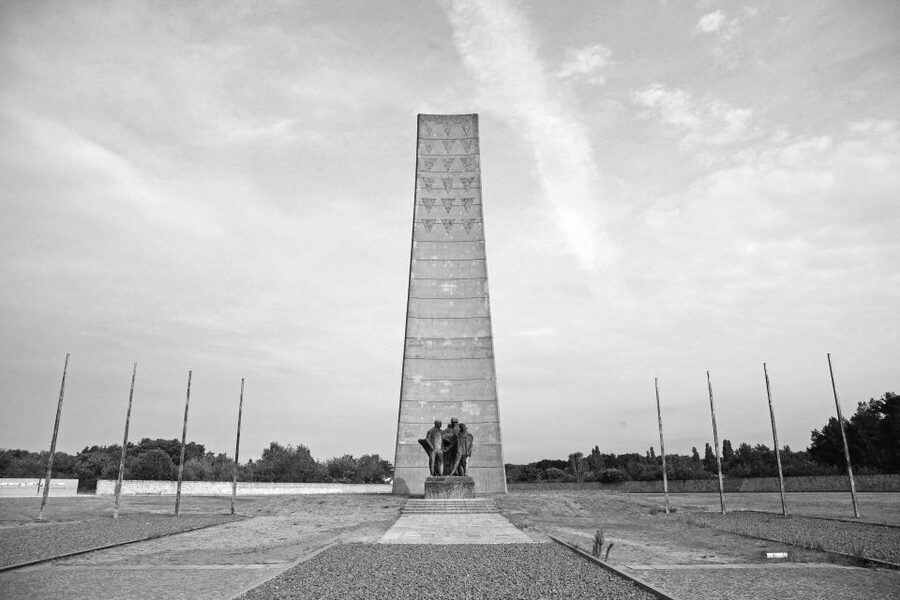
The memorial is large and spread out. You are not simply walking into one preserved building, listening for 30 minutes, and leaving. You move between open areas, surviving structures, reconstructed sections, memorials, and traces of buildings that no longer exist.
That scale matters. It helps you understand the camp as an organized system rather than a single room or isolated crime scene. It also means the guide’s explanations are important. Without context, some areas can appear stark and confusing. With a good guide, the layout begins to show how control, punishment, forced labor, and murder were built into everyday life.
I find this kind of visit most useful when you arrive ready to listen rather than expecting entertainment. The tour does include stories of courage and resistance, but it does not soften the crimes committed here.
Other memorial sites open to visitors:
- Berlin: Sachsenhausen Concentration Camp Tour in English
★ 5.0 · 5,711 reviews - Berlin: Sachsenhausen Concentration Camp Memorial Tour
★ 4.7 · 3,716 reviews - Sachsenhausen Concentration Camp Bus Tour in English from Berlin
★ 5.0 · 1,962 reviews
Meeting near Hackescher Markt and taking the train north
The meeting point is outside Starbucks opposite Hackescher Markt S-Bahn station at Neue Promenade 3. From there, you travel by public transport toward Oranienburg, about 20 miles north of central Berlin.
The journey takes roughly 50 minutes each way. That is a sizeable part of the day, but it serves two useful purposes. First, it removes the stress of working out the route yourself. Second, the guide can begin explaining Nazi Germany, the camp system, and the reasons Sachsenhausen was built before you arrive.
You should have an ABC ticket for the Berlin-Brandenburg public transport network. A day pass is recommended, but the ticket itself is not included in the $38 cost. Check the correct fare before meeting the group, since the memorial lies outside the central Berlin zones.
Transport problems can happen. One group led by Emma had to use three different trains because of closures, yet the journey still ran smoothly. Ronja and Rebecca were also praised for helping people get through the transport system. That support is a real part of the tour’s value, especially if you are not comfortable with German stations or changing connections.
After reaching Oranienburg, you walk for about 20 minutes to the memorial. The walk is not difficult in itself, but it adds to the total time on your feet. You will want practical shoes from the start.
Tower A and the entrance to the camp
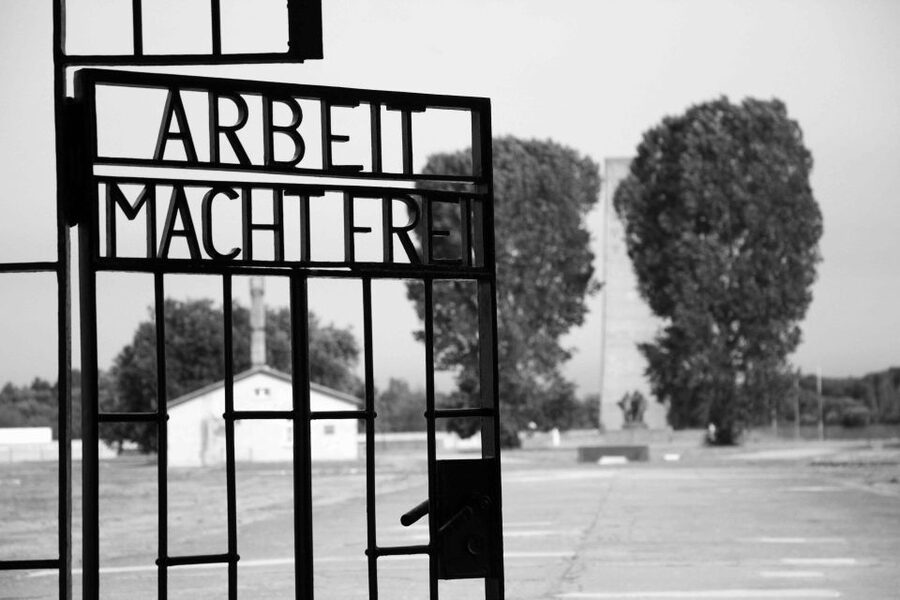
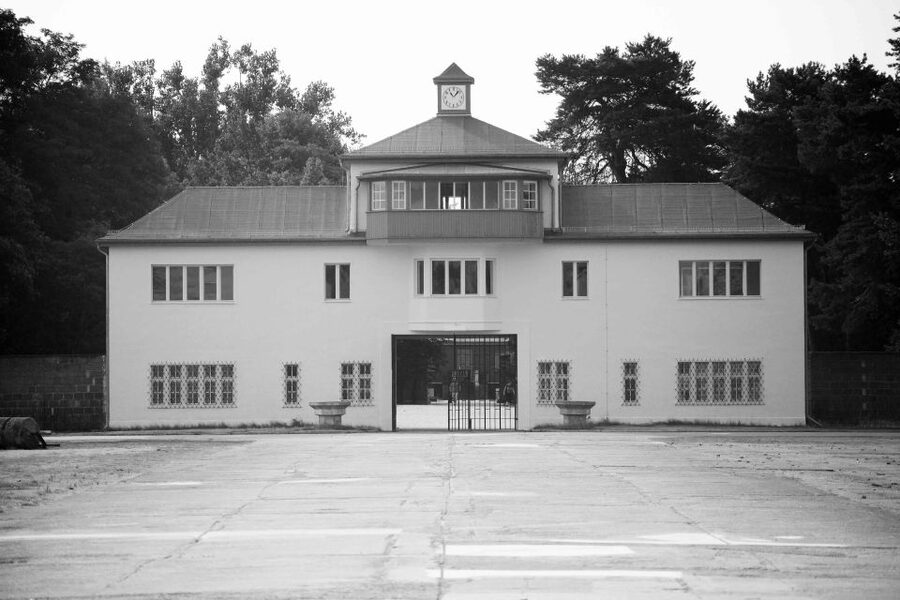
The first major point of orientation is Tower A, the former entrance gate. It carries the infamous slogan work sets you free, a phrase used by the Nazis to disguise the brutal reality of forced labor.
Your guide explains how the entrance functioned, why the camp was built in its particular form, and how the SS developed a wider system of detention and forced labor. This context makes the gate more than a well-known photograph. It becomes part of the machinery used to control prisoners and present cruelty as administration.
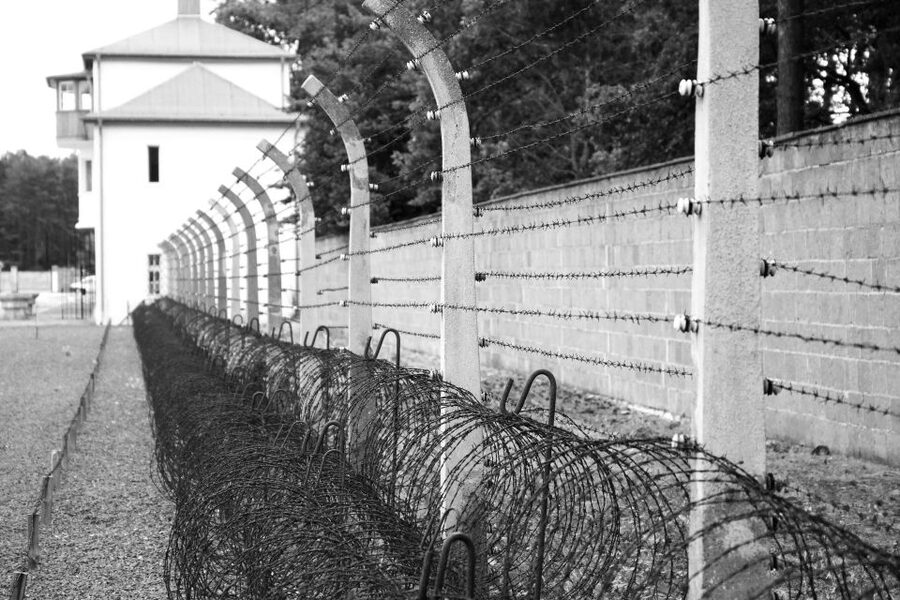
The camp’s layout was designed with order and surveillance in mind. As you move through the grounds, watchtowers, barrack foundations, memorial plaques, and remaining structures help you see how carefully the place was organized.
This is also where a small group helps. You can hear the guide without standing at the back of a crowd, and you can ask questions without interrupting a large lecture. Several guides, including Chris, Natalie, and Anja, have been praised for walking at a steady pace and making sure nobody was left behind.
Barracks, forced labor, and the shoe-testing track
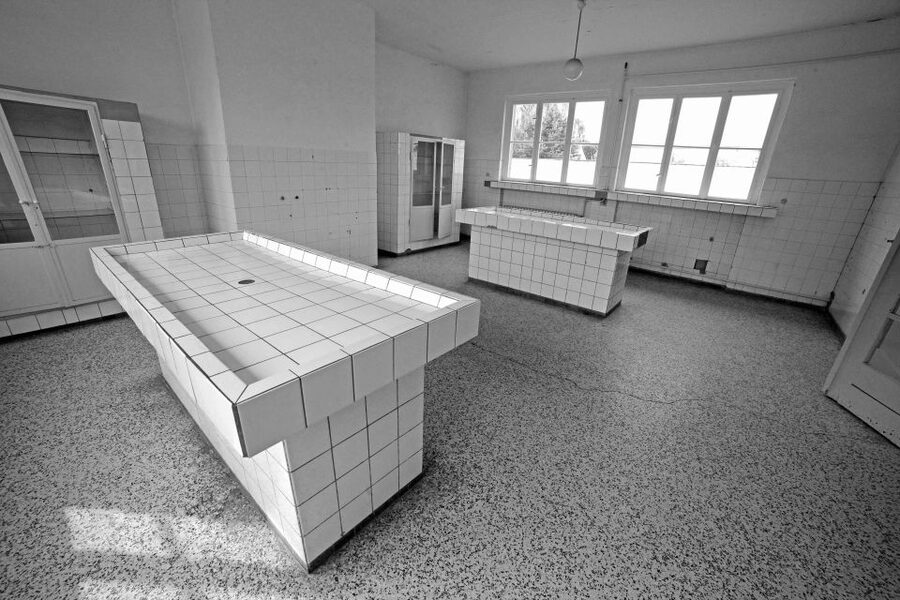
The tour continues through areas connected with prisoner life and forced labor. You see the Jewish barracks, prison kitchen, infirmary barracks, and the shoe-testing track.
The shoe-testing track is especially useful for understanding how labor could be measured and exploited in precise, punishing ways. Prisoners were forced to test footwear by walking long distances over different surfaces. It is a detail that can make the camp’s system of exploitation easier to grasp because it shows how ordinary commercial needs were tied to prisoner suffering.
The barracks and infirmary provide another side of the story. Here, the guide discusses daily conditions, illness, hunger, discipline, and the ways prisoners tried to survive under appalling treatment. The camp was not only a place of confinement. It was a place where the SS controlled food, work, movement, medical care, and punishment.
You should not expect every room to allow unlimited reading time. One person wanted more time in each room to study photographs and displays. That is a fair limitation to keep in mind. A three-hour guided visit gives you a strong framework, but it cannot cover every document or exhibit in detail.
If you already have extensive knowledge of Second World War history, you may still find the specific stories here worthwhile. The tour focuses on Sachsenhausen and the camp system rather than offering only a broad textbook account.
A few more Berlin trips worth comparing
- Berlin: Reichstag, Dome and Government District Guided Tour
★ 4.7 · 18,288 reviews - Berlin: 1-Hour City Tour by Boat with Guaranteed Seating
★ 4.3 · 16,993 reviews - Berlin: Boat Tour Along the River Spree
★ 4.4 · 11,252 reviews - Discover Berlin Half-Day Walking Tour
★ 5.0 · 9,624 reviews
Station Z and the execution center memorial
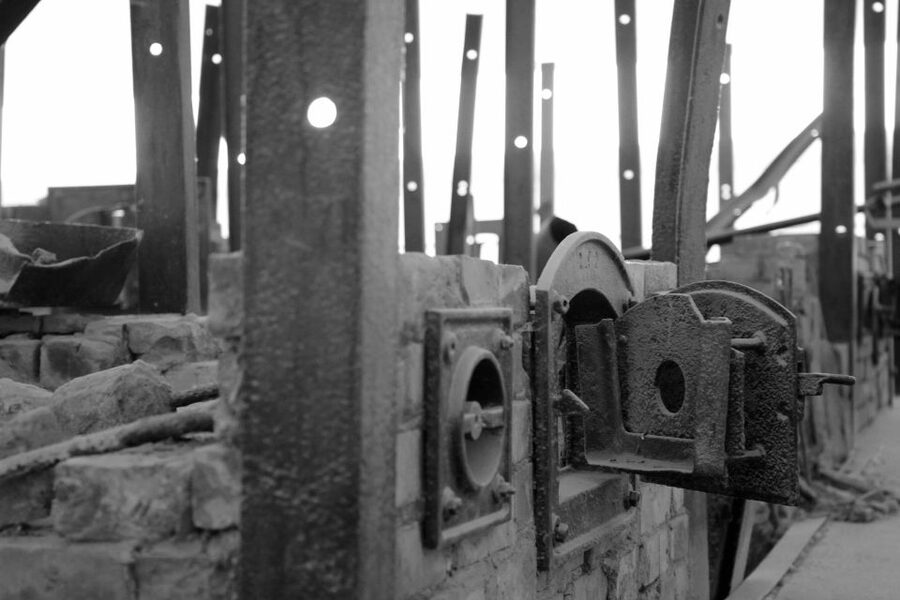
Station Z is among the most sobering parts of the visit. It commemorates the execution center, and your guide places it within the larger history of systematic murder at Sachsenhausen.
This section requires a serious tone. The best guides do not rush through it or use dramatic language for effect. They explain what happened, identify the purpose of the site, and give you room to take in the memorial.
That balance appears repeatedly in the guide feedback. Lewis was praised for treating difficult material with empathy and using humor only when appropriate. Rebecca was described as bringing a positive sense of humanity without minimizing the horror. Those are valuable skills on a site where a careless tone can quickly feel wrong.
You may find the emotional weight increases as the tour progresses. It is perfectly reasonable to need a quiet pause, and you should not feel obliged to ask questions at every stop.
Resistance, escape, and the people behind the statistics
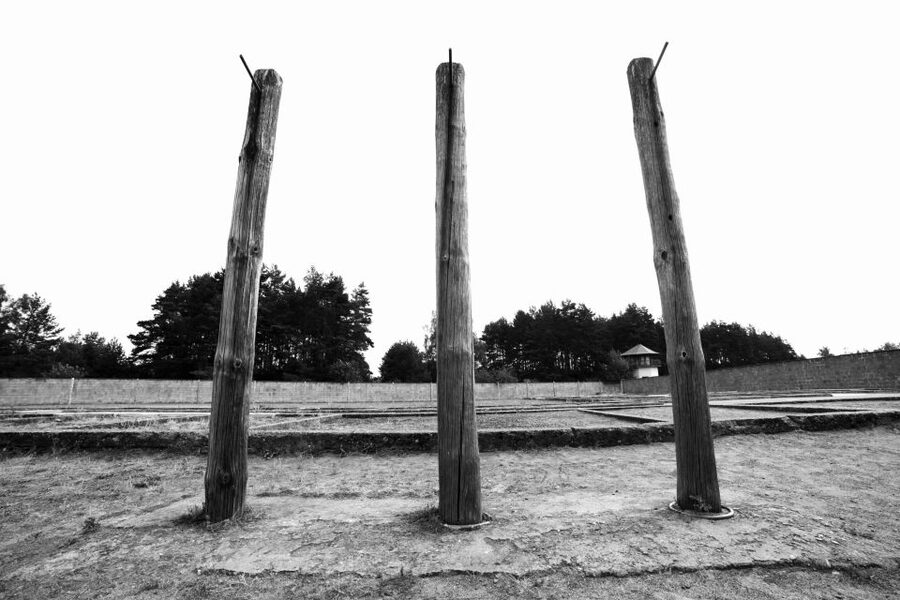
The tour does not present prisoners only as a number or a helpless crowd. It also tells stories of resistance, survival, escape, and ingenuity.
You learn about the Jewish prisoner revolt in 1942 and the forgery workshop, where Jewish prisoners counterfeited millions of pounds sterling. The story shows both the danger prisoners faced and the different ways people resisted the Nazi system, sometimes through open revolt and sometimes through secret work.
You also hear about escape attempts, including the tunnel dug by Jimmy James. These accounts add human detail without turning the visit into a collection of heroic legends. They show how prisoners searched for small chances of control in a place designed to remove it.
The guide also discusses the Death March before the camp’s liberation in 1945. This helps connect the memorial site to the final phase of the camp’s history and to what happened as Nazi Germany began to collapse.
I appreciate this wider frame. You leave with more than a list of buildings. You understand that Sachsenhausen’s story includes imprisonment, forced labor, murder, resistance, evacuation, and liberation.
Three hours on site, with a lot of walking

The formal guided portion lasts about three hours. Add the 20-minute walk from Oranienburg to the memorial, the return walk, and roughly 100 minutes of public transport, and the total reaches about 330 minutes.
That timing is sensible for the size of the site. You get enough time for the main memorial areas without turning the day into an exhausting full-day excursion from Berlin. Still, you will be outside for much of the visit, and the ground can become muddy after rain.
Wear shoes that are comfortable for extended walking. Bring a bottle of water and a snack because there are no shops or cafés in or around the memorial. The absence of a planned lunch break is one of the few practical weaknesses. One person described going from morning until mid-afternoon without a proper meal as challenging, even after being warned in advance.
You can bring food with you and use a suitable pause in the day, but do not count on buying lunch at the site. A waterproof jacket, warm layers, sun protection, and weatherproof footwear are sensible choices depending on the season.
The tour runs in all weather. That can be an advantage if you have limited time in Berlin, but it also means you need to take responsibility for your comfort.
What the small group changes
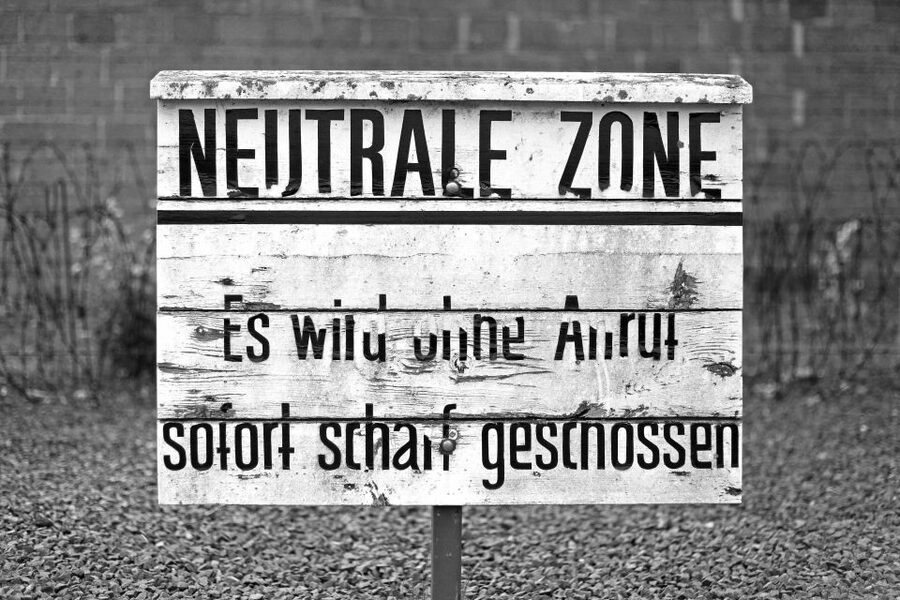
A maximum of 15 people is a useful limit here. On a memorial visit, a small group makes it easier to hear sensitive explanations and ask questions about specific places.
It also keeps the transport portion manageable. The guide can check that everyone has made the train connection, keep the pace together, and help with the return journey. Several guides have been praised for this practical care, including Rebecca, Emma, and Gina’s guide, who helped the group with transport in both directions.
A small group does not guarantee a private experience. You are still sharing the day with other people, and the amount of time available at each room remains limited. But compared with visiting without guidance or joining a very large group, 15 people is a strong compromise.
The guides are the heart of the experience. Sarah has been praised for answering detailed questions while keeping the tour personal. Georgia helped make the difficult subject feel manageable. Ronja was noted for her passion for political history, and Natalie for her relaxed pace and attention to the group.
The exact guide varies by date, so you cannot assume you will receive one particular person. What you can reasonably expect is a guide trained by Original Berlin Walks and officially licensed by the memorial.
Is $38 good value?
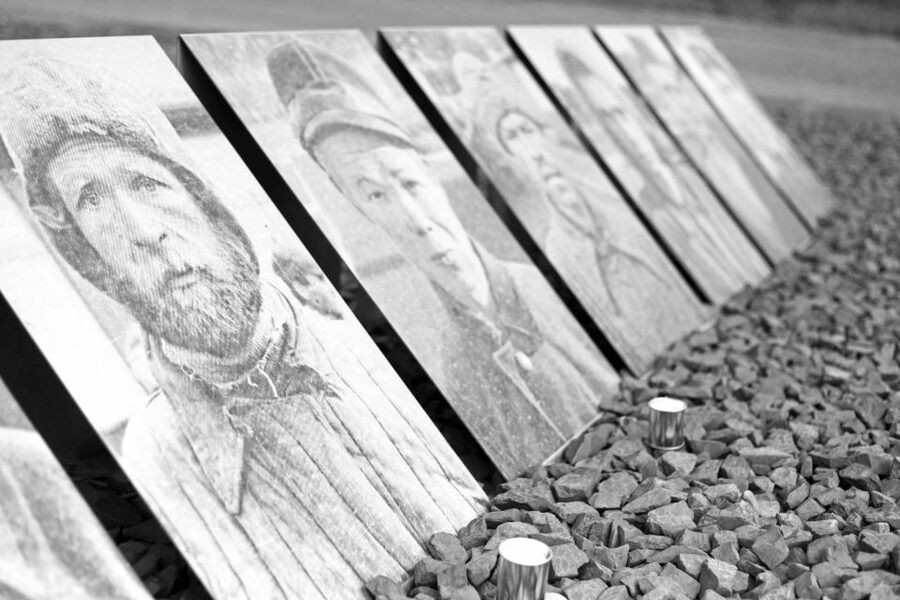
At $38 per person, the tour is fairly priced for its length and structure. The fee covers the licensed guide, the memorial fee, and a €3 donation to the memorial site. That donation supports the continued use of the place for education, schools, groups, and individual visitors.
Your main extra cost is public transport. Since the guide accompanies you, the ticket is not just a way to reach the site. It also lets you benefit from the group’s organized route and transport help.
You could reach Sachsenhausen independently for less than the tour price, but then you would need to research the site, handle the connections, decide what to see, and interpret the remains yourself. For a place with such a complex history, I think the guide adds real value.
The tour is particularly good value if you want a structured introduction and have only a few days in Berlin. It is less suitable if you prefer to read every display at your own pace or want a private guide with unlimited time.
Who should book this Sachsenhausen visit?
I would recommend it to adults and older teenagers who want a serious, historically grounded visit and prefer not to manage the journey alone. It suits anyone interested in Nazi Germany, the Holocaust, prisoner resistance, or the development of the concentration camp system.
It is also a good choice if you value conversation. The guides encourage questions, and several have helped people connect the site with personal family research. One guide even contacted the museum during the journey to look into information relating to a participant’s family history.
I would think twice if you have mobility limits that make three hours of walking difficult, since the supplied information does not promise a specific accessibility arrangement. I would also avoid placing this tour directly before a busy evening plan. The timing can run from morning into mid-afternoon, and the subject may leave you wanting quiet time afterward.
Free cancellation up to 24 hours before departure and the reserve-now, pay-later option make it easier to fit into a changing Berlin schedule. Those booking terms are useful, but the bigger decision is emotional and practical: are you ready to give the subject the attention it deserves?
My verdict: a worthwhile and carefully handled memorial tour
I would book this tour if I wanted a guided Sachsenhausen visit from Berlin. The small group, licensed guide, organized train journey, and three hours at the memorial create a strong balance of value and depth.
The drawbacks are real: public transport costs extra, lunch is not provided, and the site can be cold, wet, muddy, and emotionally painful. None of those problems is hidden, and you can prepare for most of them with a good ticket, sturdy shoes, food, and weatherproof clothing.
Choose this experience for clear historical context, human stories, and practical help getting to and from Oranienburg. Skip it only if you need a very slow, self-directed museum visit or do not have the energy for a long day on your feet.
FAQ
How long does the Sachsenhausen tour take?
The total duration is about 330 minutes, or five and a half hours. This includes the public transport journey, the walks between Oranienburg and the memorial, and approximately three hours at Sachsenhausen.
Where does the tour meet in Berlin?
The meeting point is outside Starbucks opposite Hackescher Markt S-Bahn station at Neue Promenade 3.
Is public transport included in the tour price?
No. You need to buy your own public transport ticket. An ABC day pass is recommended because the route travels from central Berlin to Oranienburg.
How large is the tour group?
The group is limited to a maximum of 15 participants.
What language is the tour conducted in?
The tour is conducted in English with a live guide.
Are food and drinks available at Sachsenhausen?
No. There are no shops or cafés in or around the memorial site. Bring your own water and a snack.
What should I wear for the tour?
Wear comfortable shoes and weather-appropriate clothing. The tour runs in all weather, and the site may be muddy after rain.
Just added around Berlin
- Private Walking Tour in Berlin: Hitler’s Germany & WWII★ 5.0 · 7 reviews
- The History of Berlin: WWII PRIVATE Walking Tour With Locals★ 5.0 · 209 reviews
- Private Berlin WWII and Cold War History Tour with Local Expert Guide★ 5.0 · 28 reviews
- Private Walking Tour Berlin 3 hours: Brandenburg, Historic Center★ 5.0 · 7 reviews
- Berlin: Private Bike Tour of the Berlin Wall and Third Reich★ 5.0 · 23 reviews
- Berlin Photography Masterclass – Private Photography Lesson★ 4.5 · 23 reviews
- Group Driving Tour 1 to 6 people. Berlin Shore Excursion incl pick-up at Port★ 5.0 · 8 reviews
- Berlin: Guided Private Bike Tour to Explore the Highlights★ 5.0 · 12 reviews