
Reviewed · CONCENTRATION CAMP MEMORIAL VISITS
From Berlin: Sachsenhausen Concentration Camp Day Trip
Some places demand quiet attention. This five-hour trip from Berlin to Sachsenhausen offers a serious, well-guided look at a Nazi concentration camp built in 1936. I like the small groups of up to 15 and the care shown by guides such as Tina, Will, Xavier, and Julie. I also like that the tour explains both the camp system and the people caught in it, rather than reducing the visit to a walk through empty buildings.
The main drawback is simple: the ABC train ticket costs extra, and the trip takes a full five hours once you include the ride to Oranienburg. The camp visit takes place rain or shine, so you will need practical clothing and the right attitude for a long, outdoor day at a solemn memorial site.
The experience begins at Berlin’s Red Town Hall and returns there at the end. Guides help with the public transport journey, which matters if Berlin’s trains are confusing or disrupted. Tina is praised for using survivor words, poems, and personal stories, while Will is noted for making difficult material clear for adults and children. This is not light sightseeing, but it is a thoughtful way to understand one of Germany’s most painful places.
In This Review
- Key points to know before you book
- From Berlin’s Red Town Hall to Oranienburg
- Entering through Sachsenhausen’s main gate
- Understanding who was imprisoned and why
- The camp as a place of organized terror
- Why the memorial stop matters
- What $32 includes and what it does not
- Is this suitable for families and wheelchair users?
- Practical tips for a respectful visit
- Should you book the Sachsenhausen day trip?
- FAQ
- How long does the Sachsenhausen day trip take?
- Where does the tour begin?
- Where does the activity end?
- Is the train ticket included?
- What does the tour price include?
- What language is the tour conducted in?
- Is the activity wheelchair accessible?
- What should you bring?
Key points to know before you book
- Sachsenhausen was built in 1936 as a model camp: Its design and role help explain how the Nazi camp system was organized.
- The tour starts at the Red Town Hall: You meet in front of the main entrance before taking public transport to Oranienburg.
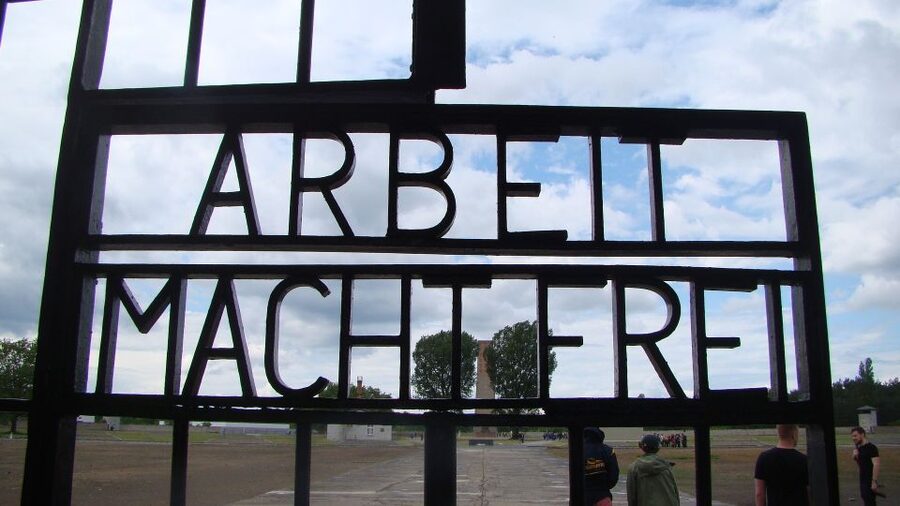
- The main gate has a strong emotional impact: Entering through the original camp entrance gives the history a physical setting.
- The guide covers targeted groups and Nazi persecution: You learn who was imprisoned and why different groups were attacked.
- The memorial provides time for reflection: The visit is not only about facts and buildings, but also about remembering victims.
- The $32 price is good for a five-hour guided visit: You still need to pay separately for the ABC zone train ticket.
From Berlin’s Red Town Hall to Oranienburg
Your meeting point is in front of the entrance to Berlin’s Rotes Rathaus, or Red Town Hall, in the city center. From there, the guide leads the group onto public transport for the journey to Oranienburg.
You must buy an ABC zone ticket yourself. This is an important detail to handle before meeting the guide, since the tour price covers the Sachsenhausen entry and guide but not the train fare. Bring a valid public transport ticket and allow enough time to reach the meeting point without rushing.
The journey is part of the experience, even if it is not the most exciting part of the day. You leave central Berlin and head toward the site of the former camp, giving the guide time to explain how Sachsenhausen fit into the wider Nazi system. The trip helps place the memorial outside the city center, where it can feel less like a museum stop and more like a separate day of remembrance.
Transport is also one reason a guided visit can be useful. A review of the experience describes a guide helping the group reach Sachsenhausen and return even after train services shut down. That does not mean disruption is likely, but it does show the practical value of having someone who knows the route.
The tour ends back at the Red Town Hall, so you do not need to arrange a separate return journey from Oranienburg. The total duration is five hours, including the transport and camp visit. Keep the rest of your day flexible.
Other memorial sites open to visitors:
- Berlin: Sachsenhausen Concentration Camp Tour in English
★ 5.0 · 5,711 reviews - Berlin: Sachsenhausen Concentration Camp Memorial Tour
★ 4.7 · 3,716 reviews - Sachsenhausen Concentration Camp Bus Tour in English from Berlin
★ 5.0 · 1,962 reviews
Entering through Sachsenhausen’s main gate
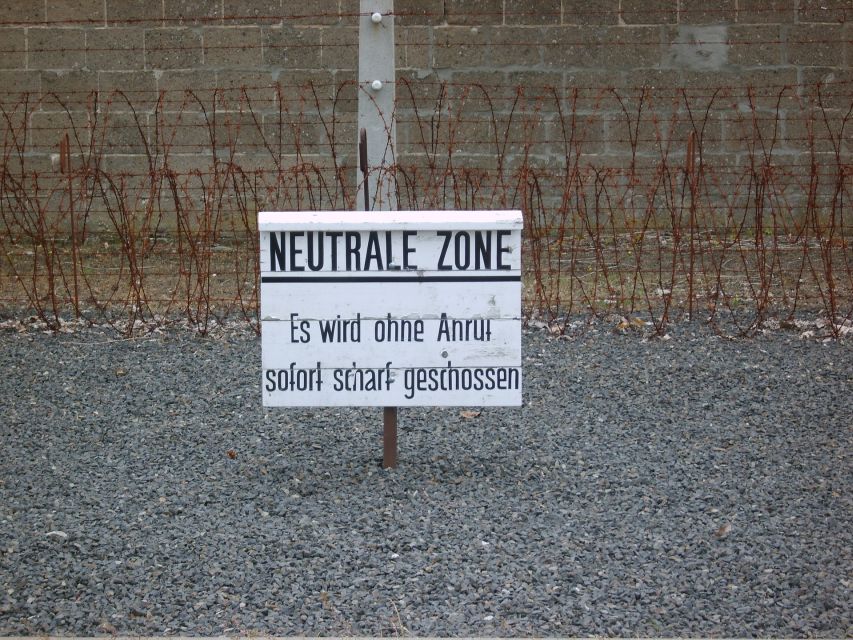
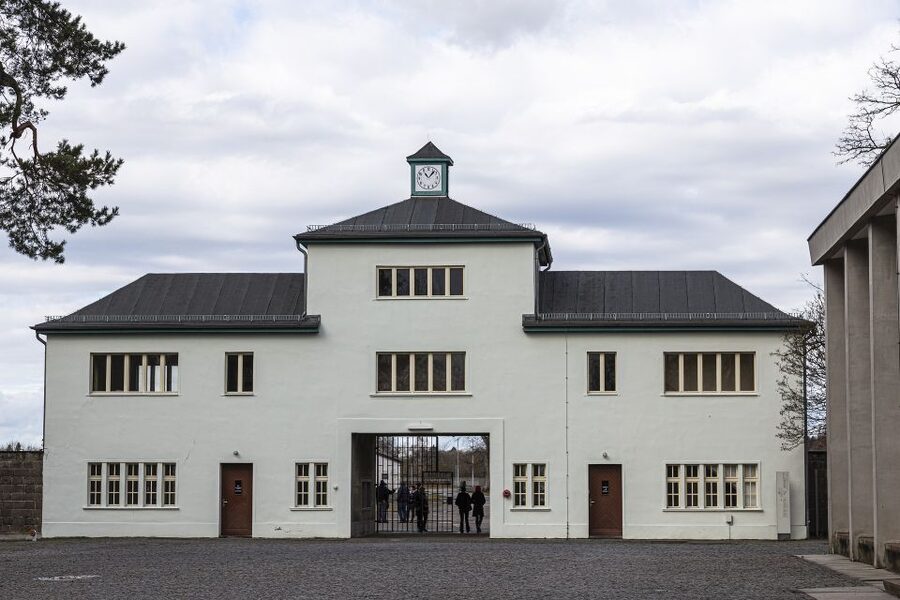
The guide takes you into Sachsenhausen through the main gate. This is one of the most affecting moments of the visit because the entrance is not simply an access point. It is the first physical reminder that this was a controlled prison camp created by the Nazi government.
Sachsenhausen opened in 1936 and was intended to serve as a model for other concentration camps. That makes the site important beyond its own story. The camp was planned and organized to reflect the Nazi system of imprisonment, forced labor, punishment, and murder.
A guided explanation at the gate gives the site context before you begin looking at individual buildings or memorials. Without that background, a former camp can be difficult to read. You may see foundations, open spaces, and preserved structures without knowing what each area meant. The guide connects the physical setting to the people who were held there and to the policies that brought them there.
The emotional weight can arrive quickly. You are not visiting a recreated attraction, and this is not a place for casual sightseeing. The group is expected to listen, ask respectful questions, and allow time for reflection.
The small-group format helps here. With no more than 15 people, the guide can speak to the group without shouting, and you have a better chance of asking questions. It also keeps the visit more personal than a large coach group moving from stop to stop.
Understanding who was imprisoned and why
One of the strongest parts of the tour is its attention to the different groups targeted by the Nazis. The guide explains which political prisoners and persecuted groups were held at Sachsenhausen, along with the reasons the Nazi regime chose to imprison them.
This matters because the camp was not filled with one single type of prisoner. Political opponents, people targeted because of identity, and others considered enemies by the Nazi state could all be caught in the system. A clear guide helps you understand the difference between the Nazi categories and the human lives behind them.
The tour also covers the people who enforced the camp system. The program is designed to discuss both persecutors and victims, which gives you a fuller picture of how the camp operated. That does not excuse the perpetrators or soften their responsibility. It helps explain how organized persecution worked through officials, guards, policies, and institutions.
Tina’s guiding style receives especially strong praise. She is noted for explaining how the camp began and for bringing in poems, quotations from prisoners, and individual stories. Those details can make the history easier to grasp without turning the visit into a list of dates.
Will is also praised for his clear and passionate delivery. His approach has been described as informative but easy to follow, including for a family with two children. That is useful if you are visiting with younger people, although you should decide in advance if they are ready for the subject matter.
Xavier and Julie are also named as strong guides. Julie made such a positive impression that one couple chose to join her free walking tour the next day. Guide quality can vary on any scheduled tour, but the feedback here points to a team that takes the subject seriously.
The camp as a place of organized terror
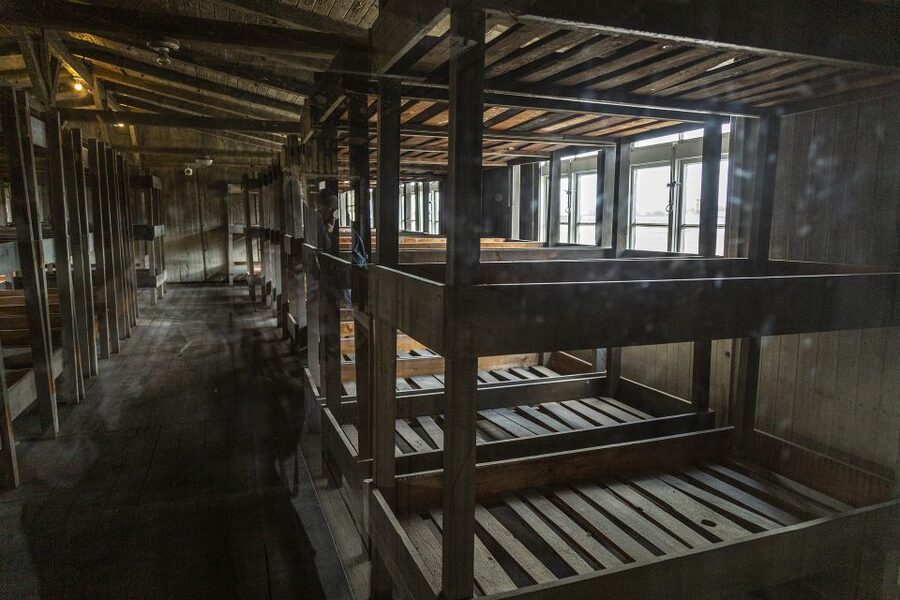
The guide explains the atrocities committed at Sachsenhausen and the wider events that led to its creation. The aim is not just to show where prisoners slept or worked. You learn how a government turned persecution into a system with locations, rules, records, guards, and punishments.
That structure is one of the key reasons to visit with a guide. A self-guided walk can show you the remaining site, but it may not explain why the camp was built in that form or how its role developed. A live guide can slow down at important places, answer questions, and connect separate parts of the camp’s story.
You should expect a serious tone throughout. The guide may describe imprisonment, suffering, and Nazi crimes in direct terms. The experience is educational, but it is also memorial work. You are being asked to pay attention to what happened here, not simply to collect photographs from another Berlin outing.
Some people may find five hours too long for such difficult material. The length allows the guide to build a fuller account, but it also means the emotional pressure can accumulate. If you need frequent breaks or prefer short museum visits, plan your energy carefully and bring water.
The tour takes place in all weather. Much of the visit is outdoors, so wear shoes suitable for walking and clothing suited to the forecast. Rain can make the day more tiring, while cold or heat can distract you from the guide’s explanations. The practical advice is basic, but it matters here.
A few more Berlin trips worth comparing
- Berlin: Reichstag, Dome and Government District Guided Tour
★ 4.7 · 18,288 reviews - Berlin: 1-Hour City Tour by Boat with Guaranteed Seating
★ 4.3 · 16,993 reviews - Berlin: Boat Tour Along the River Spree
★ 4.4 · 11,252 reviews - Discover Berlin Half-Day Walking Tour
★ 5.0 · 9,624 reviews
Why the memorial stop matters
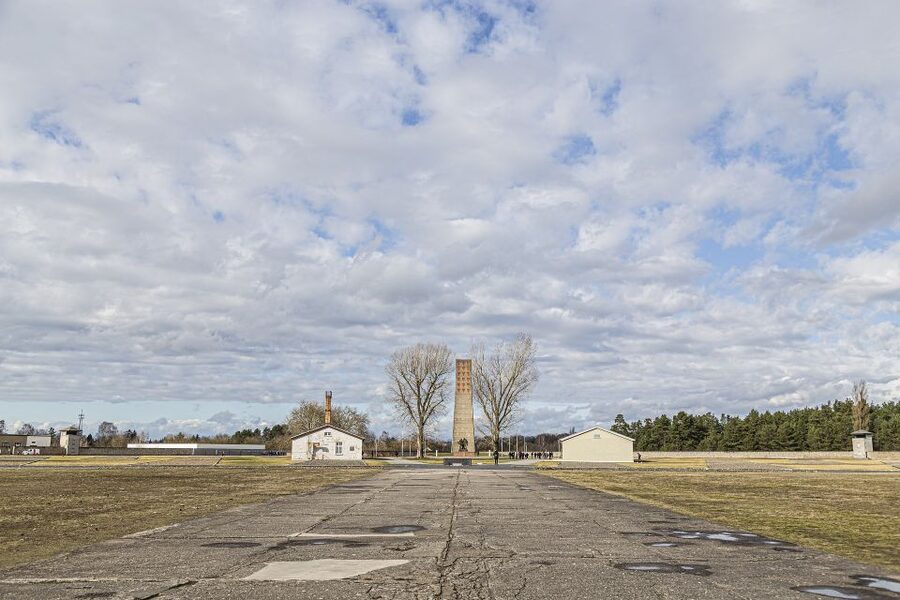
The tour includes a stop at the memorial to the victims. This is where the visit shifts from historical explanation toward remembrance.
A memorial can give the group space to pause after hearing about the camp’s creation, prisoners, persecuted groups, and crimes. You are not rushed straight back into ordinary sightseeing. The stop allows you to pay your respects and consider the human cost behind the facts.
That pause is especially important because the tour covers a lot in five hours. Guides such as Tina use personal words and poems to bring individual voices into the story. The memorial then provides a quieter setting to absorb what you have heard.
The experience is not designed to entertain you, and that is appropriate. Its value comes from the chance to learn in the place where these events happened, with a guide who can add context and keep the focus on the victims.
You should also be ready for the possibility that the memorial area feels stark or emotionally difficult. That is part of the nature of the site, not a flaw in the tour. The best approach is to give yourself time afterward before moving on to a busy restaurant, shopping street, or packed sightseeing schedule.
What $32 includes and what it does not
At $32 per person, this is a reasonably priced guided day trip. The fee includes entry to Sachsenhausen and a live English-speaking guide. For five hours of instruction and assistance, the price offers solid value, particularly if you are not confident navigating to Oranienburg alone.
The separate train ticket keeps the advertised price low, but it means the final cost is higher than $32. You need an ABC zone public transport ticket, and that cost is not included. Check the current Berlin transport fare before you go so you know the full budget.
The value depends partly on what you want from the visit. If you only want to reach the site and walk around independently, a guided tour may feel unnecessary. If you want the camp’s design, history, targeted groups, and personal stories explained in one visit, the guide adds real value.
The group limit of 15 is another positive. A small group can move at a reasonable pace and hear the guide more easily. It also gives you room to ask questions without holding up a large crowd.
The tour offers free cancellation up to 24 hours before departure and a reserve-now, pay-later option. These terms are helpful if your Berlin plans are still changing, though you should still check the selected time and meeting instructions when booking.
Is this suitable for families and wheelchair users?
The activity is listed as wheelchair accessible, which is useful information when planning a visit. You should still consider that the experience includes public transport, a full five hours, and an outdoor walking tour in all weather.
The guide’s presentation style appears suitable for a range of adults and older children. Will is praised for explaining the subject in a way that was easy to understand for a family with two children. That does not make the material easy, but it suggests the guide can adjust explanations when needed.
Families should discuss the subject before booking. Sachsenhausen is a memorial to persecution and mass suffering, not a standard history attraction. Children who can listen respectfully may gain a great deal from the visit, while younger children may struggle with the length and emotional content.
This is also a good choice for solo visitors. A small group gives you company during the journey and the walk, while the guide handles the main route. Couples and families can also benefit from having someone else explain difficult historical details rather than trying to interpret the site alone.
Practical tips for a respectful visit
Buy your ABC ticket before meeting the guide and bring it with you. The meeting point is in front of the Red Town Hall entrance, and the activity returns there after the camp visit.
Wear weather-appropriate clothing and comfortable walking shoes. The tour runs rain or shine, so do not assume poor weather will lead to a cancellation or a shorter route.
Keep your schedule open for the full five hours. The trip includes the journey from central Berlin to Oranienburg, entry through the main gate, the guided visit, and the return to the original meeting point.
Bring water and anything you need to stay comfortable outdoors. The supplied information does not promise hotel pickup, meals, or private transport, so plan around the included elements only.
Most of all, treat the site as a memorial. Listen carefully, keep your voice low when appropriate, and give yourself time to think. The tour is at its best when you approach it as a serious history lesson and an act of remembrance.
Should you book the Sachsenhausen day trip?
I would book this tour if you want clear historical guidance, help with the journey from Berlin, and a small group rather than an independent visit. The strongest reasons are the guides’ personal storytelling, the focus on both victims and perpetrators, and the chance to enter through the camp’s main gate before reflecting at the memorial.
I would skip it only if your schedule cannot spare five hours, you dislike guided walking tours, or you are not ready for difficult material. Remember to add the ABC train fare to the $32 price and dress for the weather.
For most visitors who want to understand Sachsenhausen rather than simply see it, this is a worthwhile and carefully presented day trip. The subject is painful, but the guides appear to handle it with respect, clarity, and a human focus.
FAQ
How long does the Sachsenhausen day trip take?
The activity lasts five hours, including the journey from central Berlin to Oranienburg, the guided visit, and the return to the meeting point.
Where does the tour begin?
You meet the guide in front of the entrance to Berlin’s Red Town Hall, also called Rotes Rathaus.
Where does the activity end?
The tour ends back at the Red Town Hall meeting point.
Is the train ticket included?
No. You need to purchase an ABC zone public transport ticket separately.
What does the tour price include?
The $32 price includes entry to Sachsenhausen Concentration Camp and a live English-speaking guide.
What language is the tour conducted in?
The tour is conducted in English.
Is the activity wheelchair accessible?
Yes. The activity is listed as wheelchair accessible.
What should you bring?
Bring weather-appropriate clothing and a public transport ticket. The tour takes place rain or shine.
Just added around Berlin
- Private Walking Tour in Berlin: Hitler’s Germany & WWII★ 5.0 · 7 reviews
- The History of Berlin: WWII PRIVATE Walking Tour With Locals★ 5.0 · 209 reviews
- Private Berlin WWII and Cold War History Tour with Local Expert Guide★ 5.0 · 28 reviews
- Private Walking Tour Berlin 3 hours: Brandenburg, Historic Center★ 5.0 · 7 reviews
- Berlin: Private Bike Tour of the Berlin Wall and Third Reich★ 5.0 · 23 reviews
- Berlin: Guided Private Bike Tour to Explore the Highlights★ 5.0 · 12 reviews
- Berlin Photography Masterclass – Private Photography Lesson★ 4.5 · 23 reviews
- Group Driving Tour 1 to 6 people. Berlin Shore Excursion incl pick-up at Port★ 5.0 · 8 reviews