
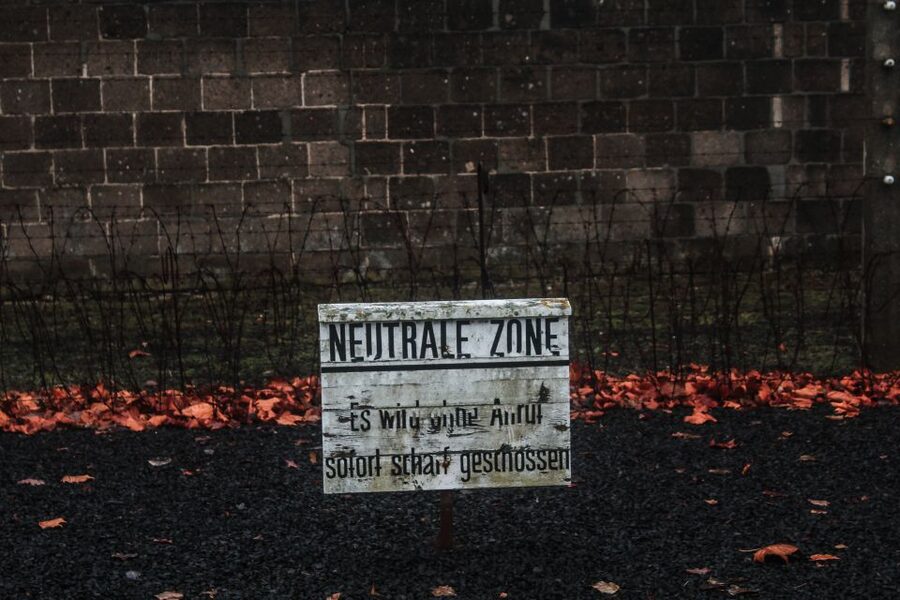
Reviewed · CONCENTRATION CAMP MEMORIAL VISITS
From Berlin: Sachsenhausen Concentration Camp Guided Tour
The past is impossible to visit lightly. This private Sachsenhausen tour gives you a quiet, guided look at one of Nazi Germany’s most important concentration camps, with transport from Berlin and time to examine the memorial site. I especially like the private vehicle and the chance to explore with a guide in your own language. I also value the way the tour links the camp to the Holocaust, Nazi ideology, forced labor, and prisoner abuse rather than treating the site as a collection of ruins.
The main drawback is the price: $512 per person is a serious outlay for a four-hour experience. You are paying for private transport, a private group, admission, and a licensed guide, but this is not a budget day trip. The subject is also painful and emotionally demanding, so you should choose it for its historical value, not as a casual sightseeing stop.
In This Review
- Key points to know before booking
- Why Sachsenhausen matters
- Leaving Berlin in a private car
- Entering the Sachsenhausen Memorial and Museum
- Command headquarters, prison, and barracks
- Crematorium site, gas chamber, and burial grounds
- Exhibitions on Nazi and Soviet rule
- What the private format adds
- The guide makes or breaks the experience
- Who should book this tour
- Is $512 per person good value?
- Practical advice for a respectful visit
- Should you book it?
- FAQ
- Where does the Sachsenhausen tour begin?
- How long does the experience last?
- Is the tour private?
- What languages are available?
- What parts of Sachsenhausen are included?
- Is admission included?
- What should I bring?
Key points to know before booking
- Private pickup in Berlin: A driver collects you at your accommodation and returns you there in a clean, air-conditioned vehicle.
- Four-hour guided visit: The experience includes transport, admission, and a private tour of the Sachsenhausen Memorial and Museum.
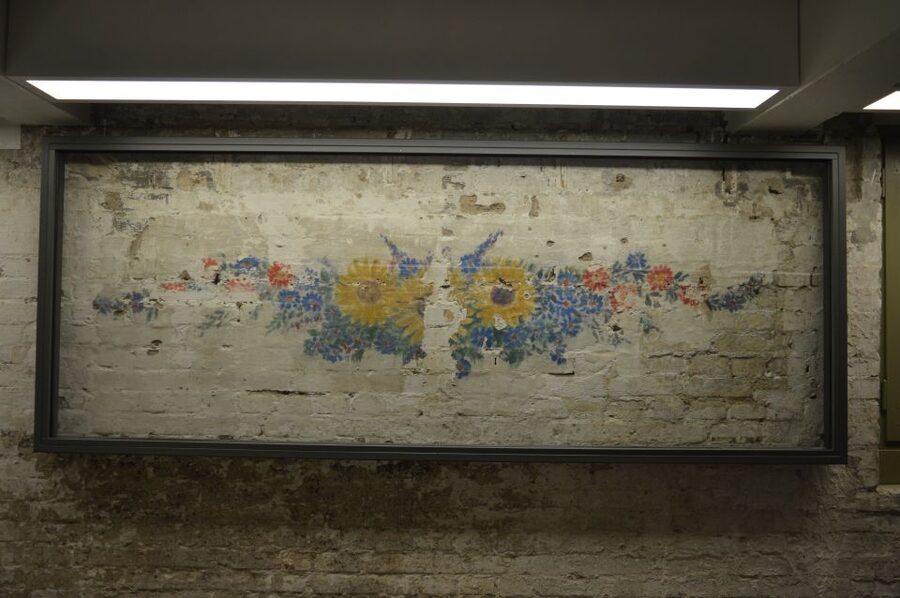
- Important camp areas: You see the former command headquarters, prisoners’ barracks, prison, the first crematorium site, gas chamber area, burial grounds, and memorials.
- A camp with a wider Nazi purpose: Sachsenhausen was used as a model and training camp, where Nazi authorities developed systems later used elsewhere.
- Many prisoner groups are covered: The exhibitions address political prisoners, Soviet prisoners of war, Poles, Jews, homosexuals, Freemasons, Jehovah’s Witnesses, and others.
- Several language choices: Tours are offered in German, English, French, Italian, Spanish, and Polish.
Why Sachsenhausen matters
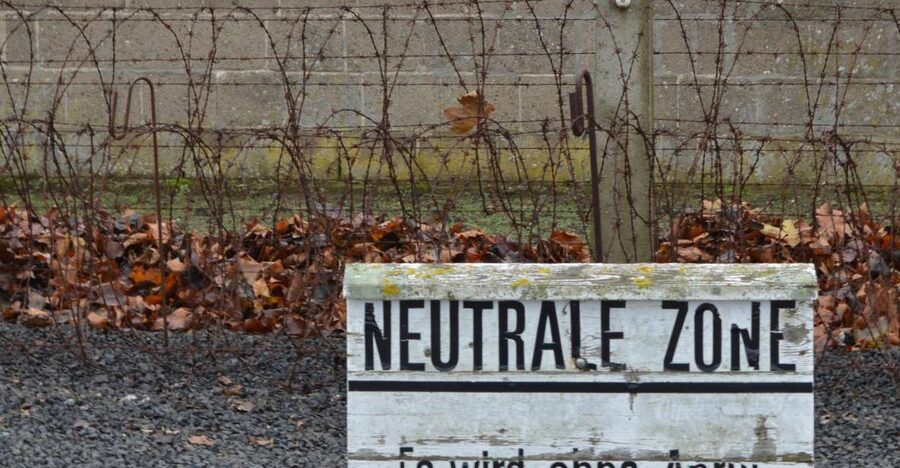
Sachsenhausen was not simply a place where prisoners were held. It was designed as a model concentration camp and became a training ground for the SS. The site helps explain how Nazi authorities organized imprisonment, forced labor, punishment, and killing on a large scale.
That makes the visit useful for understanding the machinery behind Nazi persecution. The camp was part of a system built on racial ideology, political repression, terror, and slave labor. A guide can help you connect the physical remains to those larger ideas, which is important because much of the site is open and austere rather than filled with intact buildings.
The tour also covers the camp’s later use under Soviet administration. That second chapter matters. Sachsenhausen did not simply end with the defeat of Nazi Germany. The memorial and museum examine the abuse and deaths of prisoners under both Nazi and Soviet control, giving you a fuller account of the site’s history.
Other memorial sites open to visitors:
- Berlin: Sachsenhausen Concentration Camp Tour in English
★ 5.0 · 5,711 reviews - Berlin: Sachsenhausen Concentration Camp Memorial Tour
★ 4.7 · 3,716 reviews - Sachsenhausen Concentration Camp Bus Tour in English from Berlin
★ 5.0 · 1,962 reviews
Leaving Berlin in a private car
Your day begins with pickup at your Berlin accommodation. A private driver and air-conditioned vehicle are arranged for your group, so you do not need to find a bus connection or manage public transport before an emotionally serious visit.
I see real value in this part of the experience. The private ride gives you a quieter start and removes much of the practical fuss. It also keeps the group together and lets you return directly to your accommodation at the end. One detailed account praised the punctual pickup, comfortable van, and on-time return, so the transport appears to be one of the stronger parts of the package.
The four-hour duration covers the entire experience, including the journey from Berlin and the guided visit. The exact balance depends on the starting time and arrangements for the day, so I would not expect an unhurried museum day with every display read in full. If you want to study each exhibition at length, a longer independent visit may suit you better.
Still, the fixed format works well if you have limited time in Berlin. You get a focused introduction without giving up an entire day.
Entering the Sachsenhausen Memorial and Museum
At the memorial site, you join a licensed guide for a private tour. The setting is deliberately restrained. You should expect open spaces, preserved structures, memorials, and museum displays rather than a conventional attraction designed for entertainment.
The guide’s role is especially important here. A bare walk around the grounds could leave you with fragments: a barracks, a wall, a prison building, a memorial. A strong guide explains how these parts fitted into the camp system and why the site was built in such a planned form.
The tour begins with the camp’s command areas and moves through the places where prisoners lived, worked, suffered punishment, and were killed. Seeing these parts in relation to one another helps you understand the system’s organization. The subject is grim, but the structure of the visit gives it purpose.
One highly praised guide, Gunnar, was described as compassionate and expert in the history and legacy of Sachsenhausen. Another guide, Silvia, was praised for explaining both the site and the journey from Berlin, while answering questions carefully. Those details matter because tone is crucial here. You want a guide who can provide facts without turning the visit into a performance.
Command headquarters, prison, and barracks
The former command headquarters offers a look at the administrative side of the camp. This is where the visit moves beyond individual suffering and shows the bureaucracy behind it. Nazi persecution required orders, records, guards, buildings, transport, and labor assignments. The site helps you see that organized cruelty did not happen by accident.
The prisoners’ barracks bring the focus back to daily life. The camp held people from many backgrounds, including political prisoners, Soviet prisoners of war, Poles, Jews, Jehovah’s Witnesses, homosexuals, and Freemasons. The exhibitions also refer to prominent prisoners, including Joseph Stalin’s oldest son, the penultimate prime minister of France, and members of the Crown Prince of Bavaria’s family.
These names can help you grasp the range of people caught by the system, but the visit is not only about famous prisoners. Most victims were not public figures. The guide should keep attention on the wider population of prisoners and on the conditions imposed on them.
The former camp prison is another important stop. It shows how punishment and control operated inside the camp itself. I would expect this portion to be particularly hard for some visitors, since it deals directly with isolation, abuse, and the deliberate breaking of prisoners.
A few more Berlin trips worth comparing
- Berlin: Reichstag, Dome and Government District Guided Tour
★ 4.7 · 18,288 reviews - Berlin: 1-Hour City Tour by Boat with Guaranteed Seating
★ 4.3 · 16,993 reviews - Berlin: Boat Tour Along the River Spree
★ 4.4 · 11,252 reviews - Discover Berlin Half-Day Walking Tour
★ 5.0 · 9,624 reviews
Crematorium site, gas chamber, and burial grounds
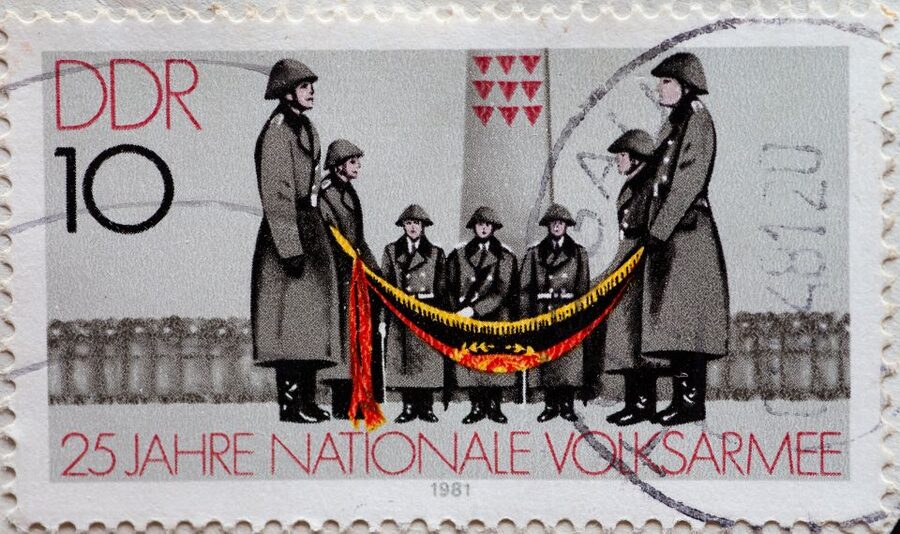
The former crematorium area and gas chamber site are among the most difficult parts of the visit. The tour presents them as evidence of the killing process and the camp’s role in Nazi mass murder. This is not an area for hurried sightseeing or casual photography. Give yourself room to listen and think.
The visit also includes mass graves for concentration camp victims, burial grounds, and several memorials. These areas shift attention from the camp’s operation to the people who died there. The memorials provide space for remembrance, while the guide supplies the historical setting.
Because this is a memorial site, respectful behavior is essential. Warm clothing is specifically recommended, which is practical advice for an outdoor visit in northern Germany. Even if the weather looks mild in Berlin, conditions at the site may feel different, and much of the experience takes place outside.
Exhibitions on Nazi and Soviet rule

The museum displays exhibitions about the camp under both Nazi and Soviet control. The Nazi section addresses the camp’s role in persecution, forced labor, torture, executions, and the development of methods later used in death camps.
The Soviet period adds a second layer that can be overlooked in a short visit. The exhibitions show that prisoners continued to suffer after Nazi Germany’s defeat, and they help explain how the site was used and remembered under Soviet authority.
I appreciate this wider frame because it prevents the visit from becoming a single, simplified story. Sachsenhausen is a place where different periods of political violence overlap. A guide can help you separate those periods while showing how each shaped the memorial site you see today.
The information is serious and sometimes graphic in its implications. If you are visiting with children or anyone who may find the subject overwhelming, consider discussing the nature of the site before booking. The tour is educational, but it is not gentle sightseeing.
What the private format adds
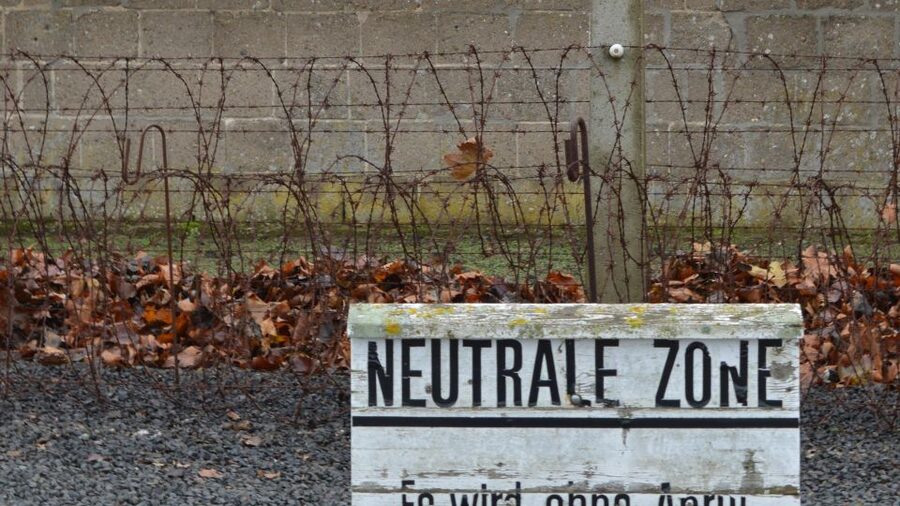
A private group changes the feel of the visit. You can ask questions without worrying about holding up a large party, and the guide can adjust explanations to your interests. If your group wants more context about political prisoners, the Holocaust, Soviet prisoners of war, or the camp’s architecture, a private format gives you more room to ask.
The available languages are German, English, French, Italian, Spanish, and Polish. Language choice matters at a memorial because small distinctions in terms, dates, and political groups can shape your understanding.
Private transport is the other major advantage. You avoid crowded commercial buses and travel directly between your accommodation and the memorial. A clean, air-conditioned vehicle is a modest detail, but after several hours with difficult material, comfort and a predictable return are useful.
The tradeoff is cost. At $512 per person, the package makes most sense for people who place a high value on privacy, convenience, and direct access to a guide. If you are traveling alone or as a couple on a tight budget, the price may feel hard to justify. For a larger private group, the cost may feel more reasonable because the transport and guide are arranged exclusively for you, though the listed rate is still per person.
The guide makes or breaks the experience
The strongest part of this tour is likely to be the guide. The positive feedback emphasizes three things: historical expertise, compassion, and clear answers to questions.
That combination is exactly what I would want at Sachsenhausen. Facts alone can make the site feel cold and disconnected. Sympathy without historical precision can make the visit vague. The guide needs to do both, explaining what happened while treating the victims and the subject with care.
Silvia received praise for knowing both the memorial and the route from Berlin. Gunnar was singled out for handling a difficult subject with compassion and for explaining the site’s significance and legacy. Guides may vary, but the tour is built around a licensed professional in your chosen language, not simply a driver handing you a map.
The short four-hour format means you should arrive ready to focus. Make a note of questions beforehand if there are particular subjects you want explained. You may not have enough time to cover every detail, so clear questions can help you use the private format well.
Who should book this tour
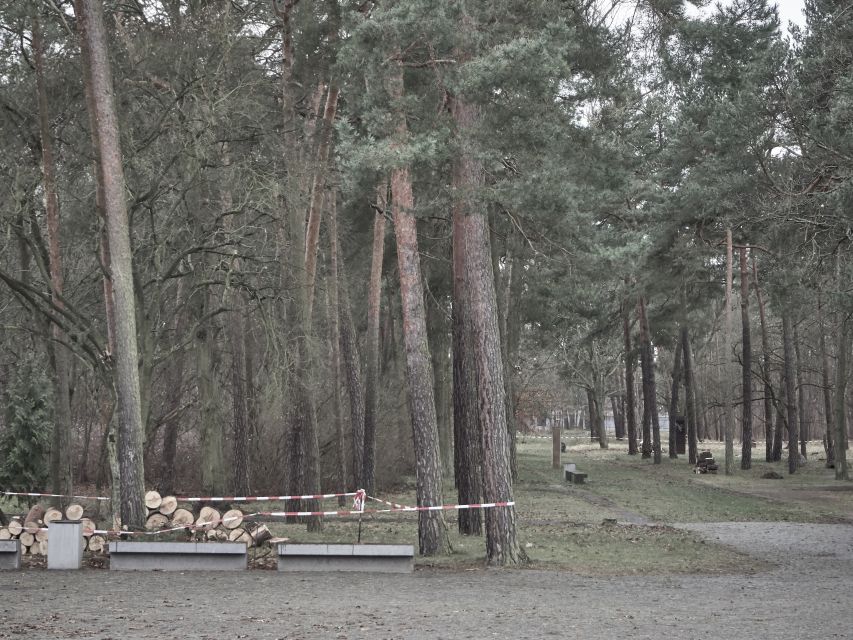
I would recommend this experience to adults who want serious historical context and prefer not to arrange transport themselves. It is also a strong fit for families or small groups who value a private guide and want to discuss the visit openly.
It suits visitors with limited time in Berlin because the planning is simple. Pickup, transfer, admission, guiding, and return are included. You do not have to work out the route or coordinate separate tickets.
The tour may not suit you if you want a light outing, dislike structured visits, or prefer to explore museums slowly on your own. The site is emotionally heavy, and the price is high for the duration. You should also be comfortable with outdoor walking and warm clothing, since the memorial grounds are part of the experience.
Wheelchair access is available, which makes the tour more practical for visitors who need an accessible option. I would still confirm the details of the route and vehicle when booking if you have specific mobility needs.
Is $512 per person good value?
The answer depends on what you are buying. You are not paying only for entry to Sachsenhausen. The cost includes a private trip from Berlin, pickup and drop-off at your accommodation, a private vehicle, a licensed guide, admission, and a guided interpretation of the site in one of six languages.
That package is convenient and personal. It also removes the risk of reaching the memorial without enough context, which can happen at a site where the surviving structures do not explain themselves.
But $512 per person remains expensive. I would choose it if convenience, privacy, and expert guidance are central to your plans. I would hesitate if your group is watching every euro or if you mainly want transportation and a brief look around.
The high rating of 4.9 from seven reviews supports the impression that the service is reliable and the guides are a strength. The feedback also includes a four-star assessment, so the experience is not beyond criticism. The overall pattern points to a well-run, informative tour rather than a flawless or inexpensive one.
Practical advice for a respectful visit
Wear warm clothing. This is the clearest practical instruction, and it matters because the tour includes time outdoors at the memorial grounds.
Plan for a serious mood. Avoid packing the day with a loud or celebratory activity immediately afterward if you think you will need time to process what you have seen.
Use the guide actively. Ask about the camp’s model design, forced labor, prisoner groups, Nazi and Soviet control, and the meaning of the memorials. A private group gives you a better chance to shape the discussion.
Keep expectations realistic. Four hours is enough for a guided introduction and the main areas, but not necessarily every museum display in detail. If you are a serious student of the Holocaust, you may want additional independent time at the memorial.
The tour offers free cancellation up to 24 hours before departure and a reserve-now, pay-later option. Those terms are useful if your Berlin schedule is still changing, but the main decision should be whether this kind of guided memorial visit fits your interests and emotional readiness.
Should you book it?
Book this Sachsenhausen tour if you want a private, carefully guided visit with simple transport from Berlin. The comfortable vehicle, punctual service, language choices, and compassionate guides such as Gunnar and Silvia are meaningful advantages.
I would skip it if $512 per person strains your budget or if you want a slower, self-directed museum visit. For the right audience, though, this is a serious and practical way to understand Sachsenhausen, its victims, and the systems of Nazi and Soviet imprisonment. It is not an easy stop, but it can be one of the most important historical experiences during a stay in Berlin.
FAQ
Where does the Sachsenhausen tour begin?
Pickup is provided at your accommodation in Berlin, followed by a private transfer to the Sachsenhausen Memorial and Museum.
How long does the experience last?
The tour lasts four hours, including the private transfer from Berlin and the guided visit at the memorial site.
Is the tour private?
Yes. The experience is arranged for a private group, with a private vehicle and a licensed guide.
What languages are available?
The live guide is available in German, English, French, Italian, Spanish, and Polish.
What parts of Sachsenhausen are included?
The visit includes the command headquarters, prisoners’ barracks, former camp prison, the first crematorium site, gas chamber area, burial grounds, mass graves, memorials, and museum exhibitions.
Is admission included?
Yes. Admission to the Sachsenhausen Memorial and Museum is included in the tour price.
What should I bring?
Bring warm clothing, since the visit includes time outdoors at the memorial site.
Just added around Berlin
- Private Walking Tour in Berlin: Hitler’s Germany & WWII★ 5.0 · 7 reviews
- The History of Berlin: WWII PRIVATE Walking Tour With Locals★ 5.0 · 209 reviews
- Private Berlin WWII and Cold War History Tour with Local Expert Guide★ 5.0 · 28 reviews
- Private Walking Tour Berlin 3 hours: Brandenburg, Historic Center★ 5.0 · 7 reviews
- Berlin: Private Bike Tour of the Berlin Wall and Third Reich★ 5.0 · 23 reviews
- Berlin: Guided Private Bike Tour to Explore the Highlights★ 5.0 · 12 reviews
- Berlin Photography Masterclass – Private Photography Lesson★ 4.5 · 23 reviews
- Group Driving Tour 1 to 6 people. Berlin Shore Excursion incl pick-up at Port★ 5.0 · 8 reviews