Reviewed · WALKING TOURS
Keitum: Guided Village Walking Tour
Keitum reveals Sylt’s older, quieter side. This 2.5-hour walk leads you past thatched Frisian houses, walled gardens, artisan workshops, and the Wadden Sea, finishing with two Stone Age burial mounds. I like the mix of village life and ancient archaeology, and I like that the route reaches the shore instead of staying among houses. The main consideration is language: the live tour is in German, and one 3 out of 5 rating felt the experience did not deliver enough strictly historical information.
The walk costs $22 per person, which is a fair price if you want context rather than a simple stroll. Guide Jörg Ridder appears to shape the outing around stories and observation, not just a checklist of sights. One participant, Charlotte, found his program surprising, entertaining, and enriching. That said, if your only goal is a formal history lecture, this may feel more relaxed and less predictable than expected.
In This Review
- Key Details That Shape the Walk
- Why Keitum Makes a Good Walking Tour Setting
- Starting at Keitum Mitte
- Thatched Roofs and Frisian House Traditions
- Narrow Lanes and Keitum’s Artisan Side
- Keitum’s Whaling Economy and Eighteenth-Century Culture
- Reaching the Wadden Sea Shoreline
- Harhoog and Tipkenhoog: Ancient Burial Mounds
- Is the $22 Price Good Value?
- Who Will Enjoy This Keitum Walk Most?
- Should You Book the Keitum Tour?
- FAQ
- Where does the Keitum walking tour begin?
- Where does the tour end?
- How long does the tour last?
- What language is the tour conducted in?
- What is included in the tour?
- Are food and drinks included?
- Is hotel pickup available?
- What should I bring?
- Does the tour run if it rains?
Key Details That Shape the Walk
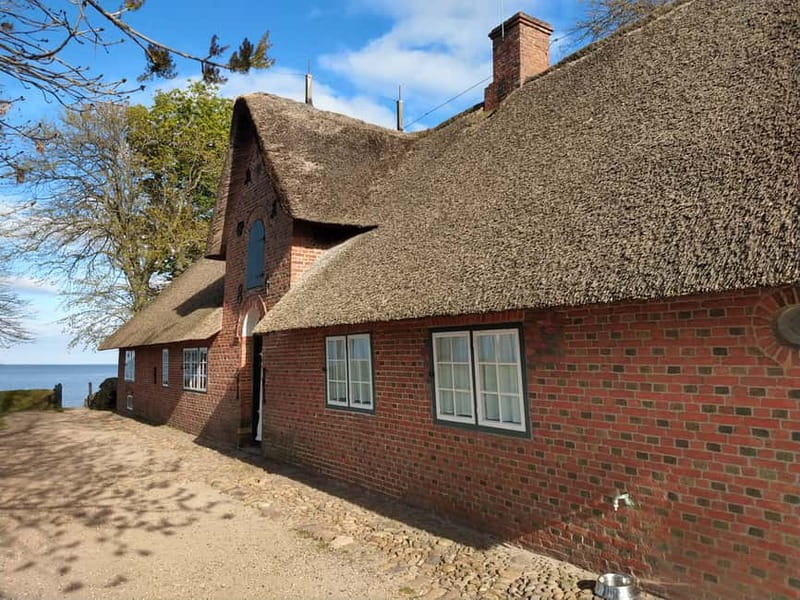
- Keitum Mitte starting point: Meet at the bus station in the center of Keitum, then return there at the end.
- Two and a half hours on foot: The pace is designed for a leisurely village walk, with time for houses, lanes, shoreline views, and burial mounds.
- Frisian homes from centuries past: Some houses date as far back as 1640 and show off thatched roofs, garden walls, and classic North Sea design.
- Artisans along the route: Glassblowers and goldsmiths help explain Keitum’s present-day creative character.
- Harhoog and Tipkenhoog: These ancient Stone Age burial mounds give the walk a much older time scale than the village buildings alone.
- German-language guiding: You receive a live tour with Jörg Ridder, but the experience is not offered in English according to the available details.
Why Keitum Makes a Good Walking Tour Setting

Keitum is known as the green heart of Sylt, and the description fits the feel of the route. The village is not presented as a resort strip or a collection of grand sights. Instead, the appeal comes from small details: narrow lanes, old walls, garden views, and houses built for the North Sea climate.
That makes a guided walk useful. You can wander past a thatched roof on your own, but you may not know why the architecture looks the way it does, who lived in these houses, or how Keitum changed over time. A guide connects the visible details with the village’s Frisian identity, whaling past, and artistic life.
I would not choose this tour if you want constant action. The pleasure comes from walking slowly and paying attention. Keitum rewards that approach. You may notice a curve in an alleyway, a weathered wall, or a carefully maintained garden that would be easy to miss on a hurried visit.
The setting also gives you a useful contrast within Sylt. The shoreline offers open views and wind, while the village lanes feel sheltered and intimate. In two and a half hours, you get both sides of Keitum without needing separate visits.
More Walking Tours in Germany:
- Discover Berlin Half-Day Walking Tour
★ 5.0 · 9,624 reviews - Berlin: Third Reich and Cold War 2 Hour Walking Tour
★ 4.9 · 6,830 reviews - Munich: Third Reich & WWII Walking Tour
★ 4.6 · 6,181 reviews
Starting at Keitum Mitte
The tour begins at the bus station called Keitum Mitte. This is a practical meeting point because it places you in the village center, close to the old homes and winding lanes that form the first part of the route.
You should arrive ready to walk rather than expecting a vehicle-based sightseeing trip. The tour includes a guide and the walking experience itself, but not hotel pickup or drop-off. It also ends back at the same meeting point, which makes planning your next stop easier.
The duration is long enough to provide real context but short enough to fit into a day of exploring Sylt. You can schedule it as a central activity and still have time before or after for independent wandering. Starting times vary, so you need to check availability for the date you want.
The meeting point also sets the tone. You begin in the middle of the village rather than at a distant archaeological site. The story builds from everyday Keitum to wider subjects such as trade, whaling, culture, and Stone Age settlement.
Thatched Roofs and Frisian House Traditions
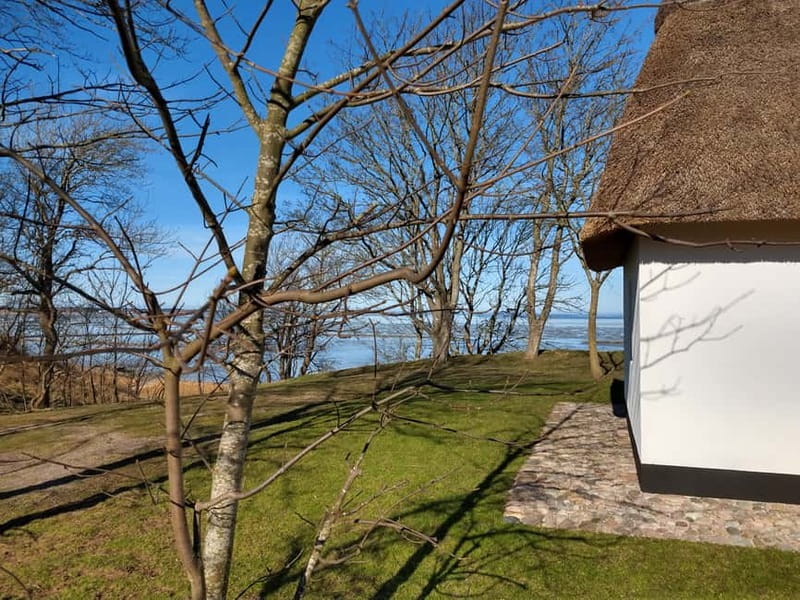
The opening section focuses on the homes that give Keitum its distinctive look. Expect classic North Sea island architecture, especially thatched roofs and houses with a sturdy, weather-ready appearance.
Some of the homes are as old as 1640. That does not mean every building you pass dates from that period, but it does show the age of the village’s architectural tradition. A guide can help you separate original features from later changes and explain how these houses fit into Frisian life.
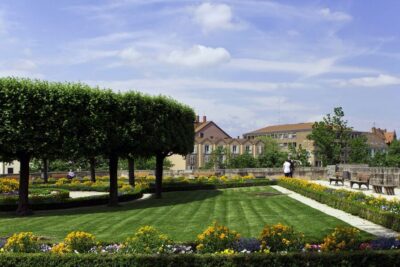
The traditional walls and gardens are just as important as the buildings. Walled gardens create sheltered pockets beside the homes, an especially practical feature in a windy island setting. They also give the village much of its calm, green character.
I like this part of the walk because it asks you to look at ordinary structures with more care. You are not only photographing a pretty house. You are learning how local building styles, weather, land, and social history meet in one place.
The drawback is that architecture-based tours depend on your interest in small details. If you prefer major monuments or dramatic interiors, the houses may seem understated. The experience is about atmosphere and explanation, not grand scale.
Narrow Lanes and Keitum’s Artisan Side
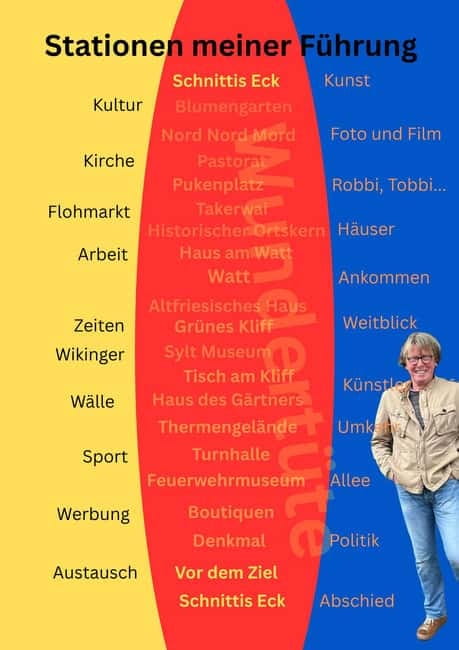
From the central village, the route moves through small, curving alleyways between historic houses and artisan shops. These lanes are part of Keitum’s appeal. They slow your pace naturally and create a more personal view of the village than a broad road would.
The tour includes references to glassblowing and goldsmith workshops. These working traditions help show that Keitum is not preserved only as a museum setting. It also has a present-day artistic identity.
You might find this portion especially useful if you want a sense of how the village functions now. The older houses provide the setting, while the workshops point to a creative community that continues the connection between Keitum and craft.
The available information does not promise demonstrations, studio visits, or shopping time, so you should not book this expecting a hands-on workshop. The artisan shops are part of the walk and its commentary. Their role is to explain Keitum’s artistic tradition.
Jörg Ridder’s style appears to be a factor here. Charlotte described the program as different from a classic local tour and praised it as interesting, entertaining, and enriching. That suggests you may receive a broader, more personal presentation rather than a strictly chronological list of dates.
This can work well for you if you enjoy a guide who adds interpretation and local character. It may be less satisfying if you want every stop labeled with exact historical facts. One 3 out of 5 assessment specifically questioned how much strictly historical information the tour provides, so expectations matter.
A few more Germany trips worth comparing
- Berlin: Reichstag, Dome and Government District Guided Tour
★ 4.7 · 18,288 reviews - Dresden: Semperoper Tickets and Guided Tour
★ 4.7 · 12,102 reviews - Berlin: Government District around the Reichstag Guided Tour
★ 4.7 · 8,447 reviews - Hamburg: Elbphilharmonie Plaza Guided Tour
★ 4.7 · 5,882 reviews
Keitum’s Whaling Economy and Eighteenth-Century Culture
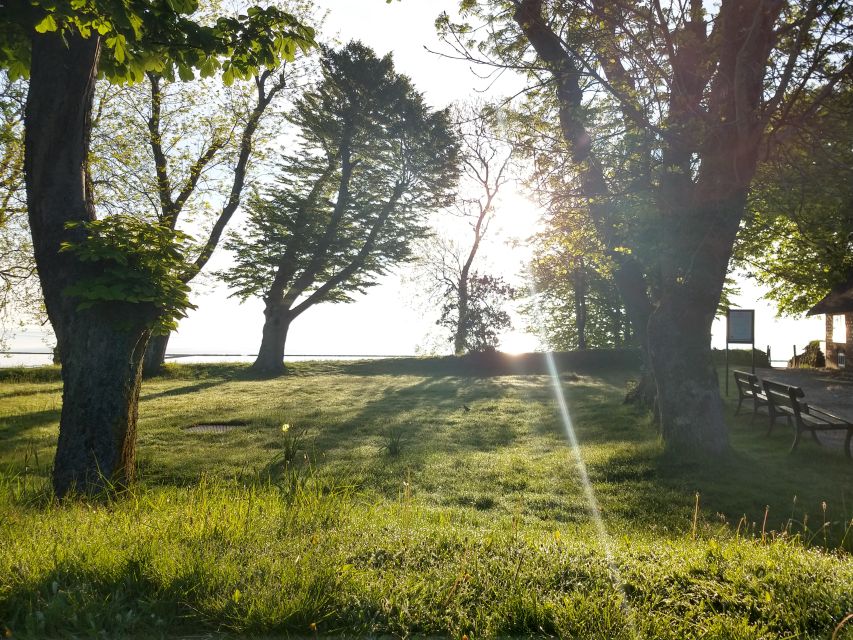
The village story expands beyond architecture with accounts of Sylt’s whaling economy and its cultural life during the 18th century. This is an important part of the tour because it explains how a small island village could have links to wider economic and artistic activity.
Whaling was not merely a dramatic maritime chapter. It affected local prosperity, family life, and the way homes and communities developed. Hearing about that background can change how you see the large old houses. They become signs of economic history, not simply attractive buildings.
The tour also touches on Keitum’s cultural scene. The information provided does not give a full list of artists, events, or specific buildings connected to that period, so you should treat this as guided context rather than a specialist research tour.
I appreciate this balance. The route starts with what you can see, then adds the forces that shaped it. You get architecture, work, trade, and culture in one story. The result should feel more connected than a walk that only points out attractive houses.
Still, the German language is a serious consideration. If you do not understand German, much of this explanation may be difficult to follow. The tour does not list an English-language option, translation service, or written substitute.
Reaching the Wadden Sea Shoreline
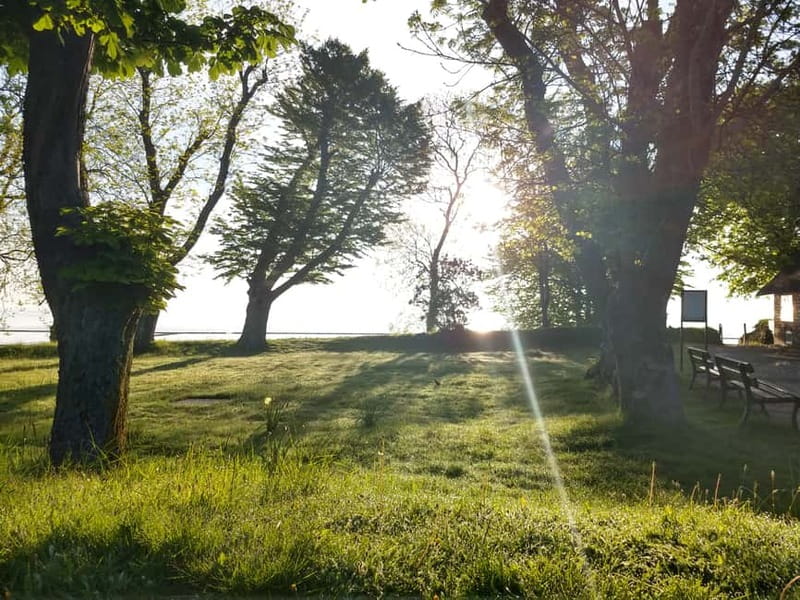
The move from village lanes to the tidal side of Keitum changes the mood. After the close views of walls and houses, you reach the shoreline and look across the Wadden Sea toward open space.
This is one of the strongest reasons to choose the walk. You get a clear physical contrast between sheltered village life and the exposed coast. The sea views and fresh breeze add a sensory element that an indoor history talk cannot provide.
The tour description emphasizes wide views and the wind on your face. Take that literally when preparing. Wear comfortable shoes, bring rain gear, and dress for the weather. The walk operates in rain or shine, so a pleasant forecast is not required for the tour to go ahead.
You should also expect the coast to feel different from the village, even during a mild day. Wind and rain can change the comfort of a walking tour quickly. Proper clothing is not a minor suggestion here. It can decide whether you enjoy the shoreline or spend the final part wishing for a warm room.
The information does not specify how long you remain at the water, so you should not expect a beach outing or swimming stop. The shoreline is part of the historical and scenic route. Its value comes from the view, the air, and the connection between Keitum and the tidal sea.
Harhoog and Tipkenhoog: Ancient Burial Mounds
The final major section visits Harhoog and Tipkenhoog, two ancient Stone Age burial mounds on the tidal side of the village. These sites give Keitum a time scale far older than its thatched homes and whaling stories.
A burial mound can look modest at first glance. Without explanation, you might simply see a raised earthwork. With a guide, the mound becomes evidence of people who lived and died here thousands of years ago. That connection is the point of the stop.
The presence of both Harhoog and Tipkenhoog makes the archaeological portion more substantial than a single quick photo stop. You can connect the mounds with the island’s earliest known human story, then compare that long-ago past with the village’s later Frisian and maritime traditions.
This is also where the tour’s broad approach makes sense. Keitum is not only a pretty village. It carries several layers of human activity: Stone Age burial customs, later settlement, maritime work, traditional homes, and modern craft.
The available details do not state that the mounds are entered, excavated, or accompanied by museum displays. Expect to view them from the route and hear about their significance from the guide. The emphasis is on place and interpretation.
For many people, these mounds will be the most distinctive stop. Houses and shoreline views can be found in many North Sea settings. Stone Age burial sites beside a historic Frisian village create a more unusual combination.
Is the $22 Price Good Value?
At $22 per person, the tour is reasonably priced for a live, 2.5-hour walking experience. You are paying for a guide, local interpretation, and a route that combines village architecture, artisan culture, shoreline scenery, and archaeology.
The value depends heavily on your language and interests. If you understand German and want a guided introduction to Keitum, the price is easy to justify. You receive more than directions to the old houses, and the tour reaches places you might not connect on your own.
If you speak little or no German, the calculation changes. The scenery remains available, but the historical and cultural explanation is the main service being sold. You should only book if you are comfortable following a German-language tour or have a practical way to understand it.
Food, drinks, hotel pickup, and drop-off are not included. That is normal for a village walking tour, but budget a little extra if you need refreshments before or after. Since the walk starts and finishes at Keitum Mitte, you can arrange those plans independently.
Free cancellation up to 24 hours before the start gives you some protection if your schedule changes. You can also reserve and pay later, which is useful when planning a Sylt visit around weather and transport.
Who Will Enjoy This Keitum Walk Most?
I would recommend this tour to you if you like walking at an easy pace and want a guide to explain the places you pass. It suits people who enjoy old homes, local craft, coastal views, and archaeology more than big-ticket attractions.
It is also a good choice for anyone who wants to understand Keitum as a whole. The tour does not isolate one era. It moves from Frisian architecture to whaling, from modern artisans to Stone Age burial mounds.
Couples, solo visitors, and families with an interest in local history may all find the format appealing, provided they are comfortable with the 2.5-hour duration and German guiding. The tour details do not specify a child rate, group size, or accessibility arrangements, so you should confirm those points directly if they affect your plans.
I would be cautious if you want a tightly structured academic lecture. The positive feedback about Jörg’s unusual approach is encouraging, but the mixed historical assessment shows that the tour may prioritize storytelling and atmosphere over exhaustive facts.
Comfortable shoes are essential. Rain gear and clothing suited to the forecast are also necessary because the walk runs in all weather. I would not treat this as a tour for turning up in delicate footwear and hoping the island stays dry.
Should You Book the Keitum Tour?
Book it if you want a thoughtful introduction to Keitum that combines old houses, gardens, workshops, sea air, and Stone Age remains. The $22 price is fair, the return to Keitum Mitte is convenient, and the route offers a useful balance of village detail and open coastal views.
Think twice if you need English guiding or a strictly historical presentation. The tour is in German, and its style may be more surprising and entertaining than formal. For the right visitor, that flexibility is part of its charm. For others, it may leave a few historical questions unanswered.
My practical advice is simple: choose this walk when Keitum itself is your subject, not just a stop between larger Sylt attractions. Bring proper clothing, allow the full two and a half hours, and arrive ready to look closely. That is when the houses, craft shops, sea, and burial mounds begin to make sense as one long story.
FAQ
Where does the Keitum walking tour begin?
The tour begins at the bus station called Keitum Mitte.
Where does the tour end?
The walk ends back at the meeting point in Keitum Mitte.
How long does the tour last?
The guided walk lasts 2.5 hours.
What language is the tour conducted in?
The live tour guide speaks German.
What is included in the tour?
A guide and the walking tour are included.
Are food and drinks included?
No. Food and drinks are not included.
Is hotel pickup available?
No. Hotel pickup and drop-off are not included.
What should I bring?
Bring comfortable shoes, rain gear, and clothing suitable for the weather.
Does the tour run if it rains?
Yes. The tour takes place rain or shine.
Just added around Germany
- Private Walking Tour in Berlin: Hitler’s Germany & WWII★ 5.0 · 7 reviews
- The History of Berlin: WWII PRIVATE Walking Tour With Locals★ 5.0 · 209 reviews
- Private Berlin WWII and Cold War History Tour with Local Expert Guide★ 5.0 · 28 reviews
- Private Walking Tour Berlin 3 hours: Brandenburg, Historic Center★ 5.0 · 7 reviews
- Berlin: Private Bike Tour of the Berlin Wall and Third Reich★ 5.0 · 23 reviews
- Berlin: Guided Private Bike Tour to Explore the Highlights★ 5.0 · 12 reviews
- Berlin Photography Masterclass – Private Photography Lesson★ 4.5 · 23 reviews
- Group Driving Tour 1 to 6 people. Berlin Shore Excursion incl pick-up at Port★ 5.0 · 8 reviews
Walking Tours, compared.