
Reviewed · THIRD REICH HISTORY TOURS
Nazi Berlin and the Jewish Community Tour
Berlin’s darkest chapters are close together. This three-hour tour links Nazi headquarters, resistance sites, Jewish landmarks, and a small museum that tells one powerful rescue story. I like the way it connects political decisions with individual lives, and I like that it uses public transport to show how these places fit into Berlin’s modern streets.
The tour includes the New Synagogue, the German Resistance Memorial, Anhalter Bahnhof, and the former Jewish quarter. The guides speak French or Italian, which is a real advantage if you want more than a quick English-language overview. The main drawback is that you must buy your own AB public transport ticket, and the serious subject matter leaves little room for light sightseeing.
- Hitler’s 1933 rise explained: Learn how political power was seized and turned into dictatorship.
- Jewish Berlin beyond one memorial: See the New Synagogue, the old Jewish cemetery, and traces of deportation.
- Operation Valkyrie site: Visit the German Resistance Memorial, where opposition to Hitler is remembered.
- A rescue story at Otto Weidt’s workshop: End with the moving account of a man who protected Jewish workers.
- Public transport is part of the route: Allow time to buy an AB ticket and wear comfortable shoes.
- French and Italian guiding: The tour is best suited to people who want a focused explanation in one of those languages.
In This Review
- Why this three-hour route matters
- Nazi power, Operation T4, and the scars of war
- German resistance at the Operation Valkyrie site
- Jewish Berlin and the golden dome of the New Synagogue
- Varian Fry and lesser-known memorials
- The Otto Weidt workshop and one rescue story
- The pace, transport, and practical demands
- Language, guide quality, and group experience
- Is $27 a fair price?
- Who should book this Berlin history tour?
- Should you book it?
- FAQ
- How long does the Nazi Berlin and Jewish Community Tour last?
- What languages are available?
- Is public transportation included?
- Which major sites are included?
- Is the tour wheelchair accessible?
- Can I cancel the tour?
Why this three-hour route matters
Many Berlin history tours focus on grand monuments. This one takes a more connected approach. You begin with the machinery of Nazi rule, then move toward resistance, Jewish life, deportation, and one small act of courage that saved workers from persecution.
That sequence gives you useful perspective. Nazi Germany did not appear fully formed in 1933. The tour looks at how Hitler’s rise became possible, then shows what dictatorship meant on the ground. You are not simply shown a building and handed a date. You are asked to follow the chain from government power to forced labor, deportation, murder, and resistance.
I especially like the contrast between official sites and smaller memorials. The tour includes the command center connected with Operation T4, where the SS planned the sterilization and extermination of tens of thousands of disabled people. It also points out the memorial to Varian Fry, the American journalist who helped more than 3,000 persecuted Jewish people escape Nazi-occupied Europe.
Fry’s rescue work gives the tour an international angle. Among those he helped were painter Marc Chagall, philosopher Hannah Arendt, and writer Heinrich Mann. That detail helps you understand that Berlin’s persecution reached far beyond one neighborhood or one community.
Nazi power, Operation T4, and the scars of war
The early part of the tour focuses on the institutions that supported Nazi rule. You learn how Hitler’s rise to power in 1933 became possible, then visit places tied to the dictatorship and its crimes.
The guide’s role matters here. A list of dates can make this subject feel remote, but a good explanation helps you see how political decisions became daily realities. The tour also considers the relationship between Christian Berliners and the city’s Jewish population, including the ways ordinary systems were used to isolate, exploit, and deport people.
One particularly important stop is connected with Operation T4. This was the Nazi program of forced sterilization and the murder of disabled citizens. The site is valuable because it broadens your understanding of Nazi persecution. The Holocaust is central to any study of the period, but Nazi violence also targeted disabled people, political opponents, and others labeled undesirable by the regime.
You also pass ruined historic buildings that still show damage from World War II. These remains are not presented as picturesque ruins. They help you picture the final weeks before Germany surrendered in May 1945, when Berlin was a city of destruction and defeat.
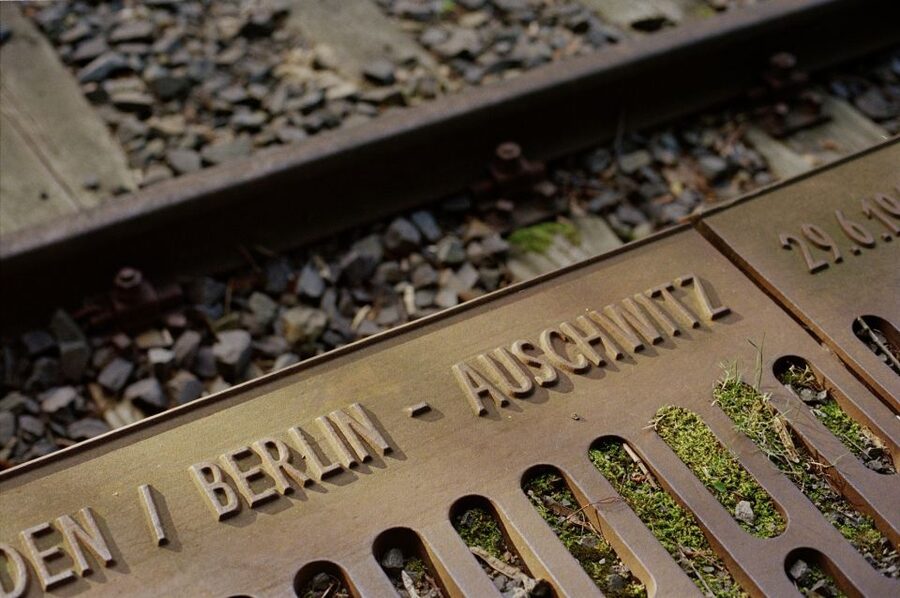
The tour includes Anhalter Bahnhof, reached by bus or coach as part of the route. The stop lasts about 10 minutes with guiding, followed by a train ride of around 10 minutes. The transport is practical, but it also gives the tour a sense of movement through the city rather than keeping you in one compact museum district.
More Third Reich History Tours in Berlin
- Berlin: Third Reich and Cold War 2 Hour Walking Tour
★ 4.9 · 6,830 reviews - Berlin’s Best: 2 Hour Walking Tour Third Reich and the Cold War
★ 5.0 · 5,486 reviews - Third Reich Berlin: Hitler and WWII Walking Tour
★ 5.0 · 3,301 reviews
German resistance at the Operation Valkyrie site
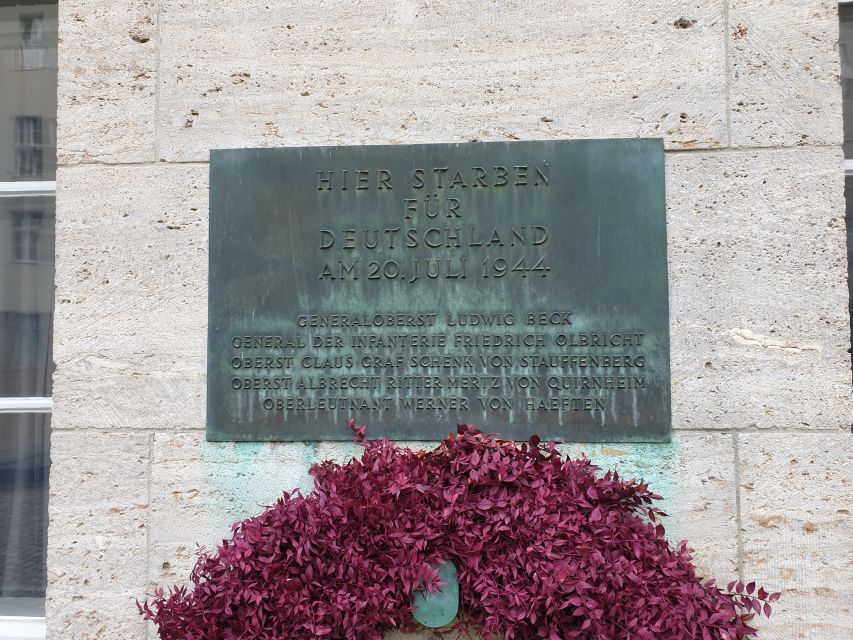
The German Resistance Memorial is one of the strongest stops on the route. This is where Operation Valkyrie was directed, and the site now honors Germans who opposed and fought against Nazism.
The memorial is important because it challenges the easy idea that all Germans supported Hitler. Resistance took many forms, and the tour introduces the people and plans connected with opposition to the regime. You receive roughly 20 minutes of guiding here, enough to understand the site’s importance without turning the visit into a long museum session.
I would pay close attention during this part. The story of resistance can become too simple if it is reduced to heroes and villains. In Berlin, the subject raises difficult questions about when people acted, what risks they faced, and how much opposition existed before the regime collapsed.
The memorial also makes a useful counterpoint to the Nazi command sites visited earlier. One location shows how organized power carried out persecution. The other remembers people who tried to stop it. That pairing gives the tour moral and political balance without softening the crimes of the dictatorship.
Jewish Berlin and the golden dome of the New Synagogue
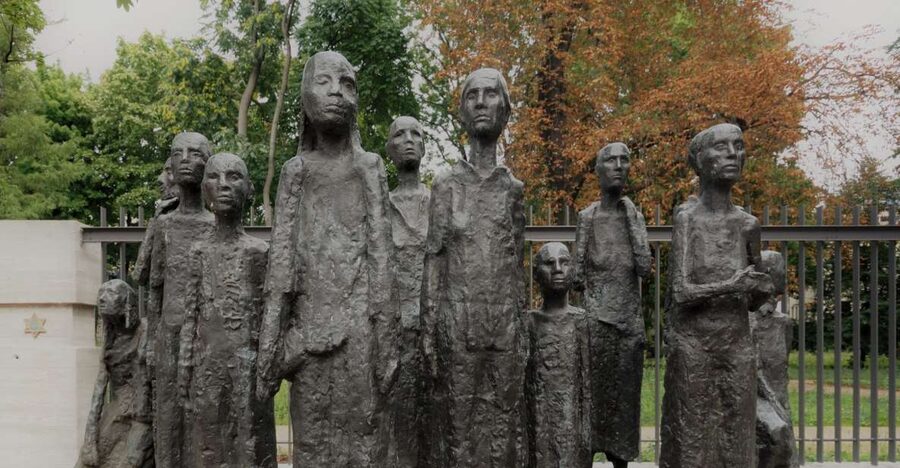
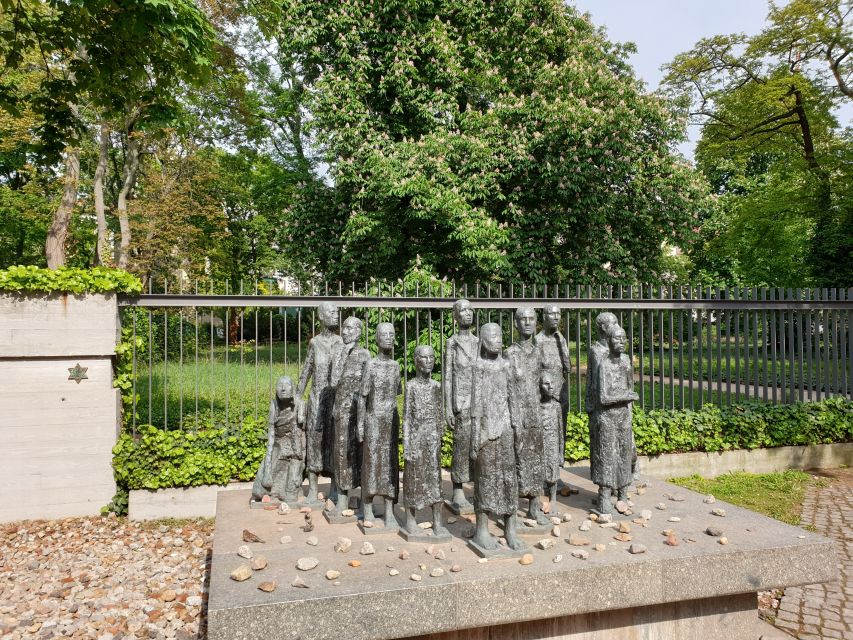
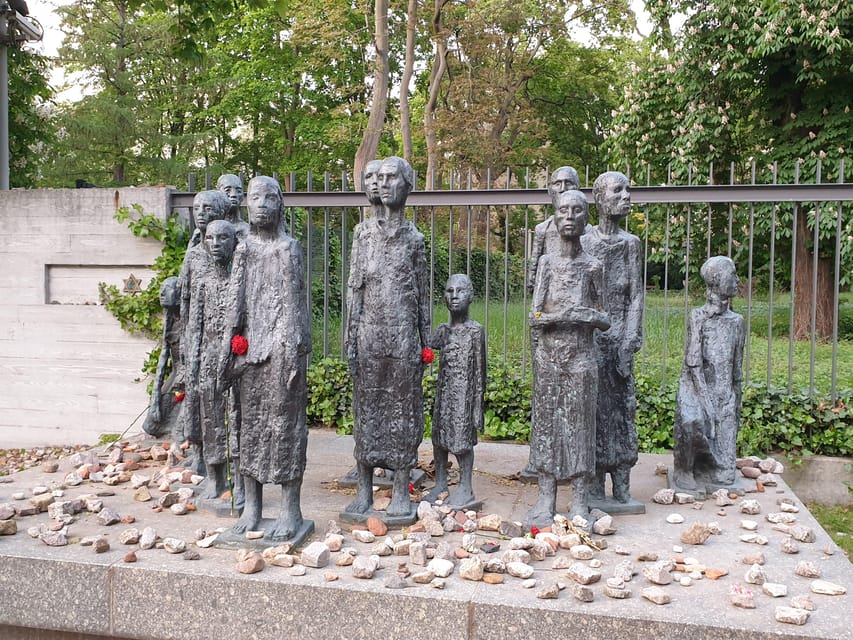
The route then moves by public transport into the former Jewish district. You will see the oldest Jewish cemetery in Berlin and the New Synagogue, whose golden dome is one of the city’s most recognizable Jewish landmarks.
The New Synagogue dates from the 19th century and is now connected with the Jewish Centre. The tour uses the building to introduce the long presence of Jewish people in Berlin before the Nazis came to power. That context matters. Jewish Berlin was not a brief prewar episode. It was a settled community with religious, cultural, and working lives that developed over many generations.
The synagogue stop lasts about 15 minutes with guiding. That is enough for a focused explanation, but not enough for a long interior visit or a detailed architectural study. If you are especially interested in the building itself, check what access is available on your chosen date and understand that this experience is primarily a city history tour.
The cemetery and synagogue also make the later discussion of deportation more personal. You can picture a functioning community before learning about the systems that broke it apart. The guide explains forced labor and the deportation of Berlin’s Jews during World War II, linking the local streets to the wider Nazi program.
This section may be the emotional center of the tour. You are not only hearing about destruction. You are also seeing evidence of continuity, faith, and community life that existed long before persecution.
Varian Fry and lesser-known memorials
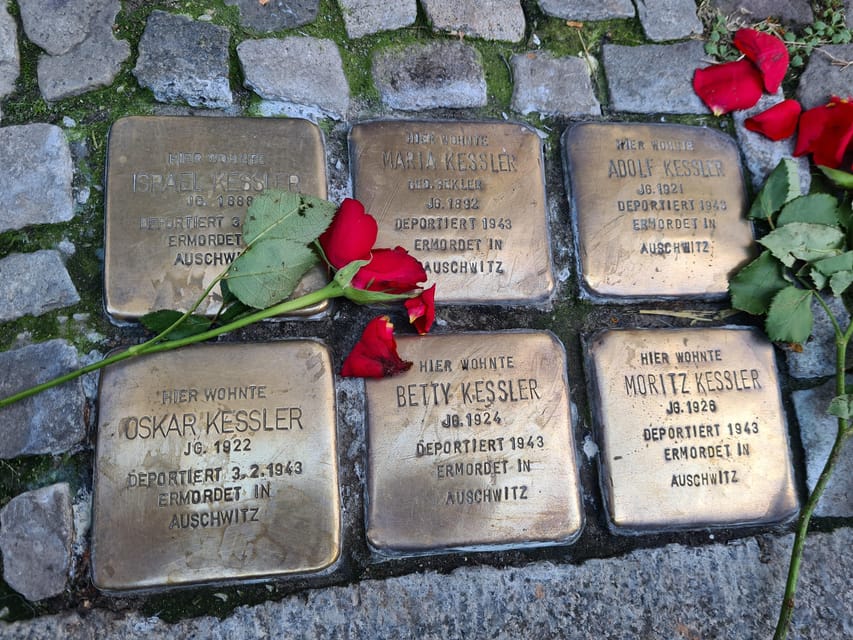
The memorial to Varian Fry adds a useful change of scale. Large museums often focus on governments, armies, and major events. Fry’s story shows what one determined person could do in a dangerous situation.
Fry organized escapes for more than 3,000 persecuted Jewish people from Nazi-occupied Europe. The names associated with his work include Chagall, Arendt, and Heinrich Mann, but the larger point is the network behind these escapes. Helping people leave required planning, contacts, documents, and courage.
This stop is easy to miss if you explore Berlin on your own. It is not one of the city’s biggest tourist sights, yet it gives you a clearer sense of how rescue efforts worked. I appreciate that the tour includes it alongside better-known sites. The result is a less predictable account of the period.
The experience also introduces the idea of moral choice. Some people helped, some complied, and others took part in persecution. The tour does not present Berlin’s past as a clean story of national guilt or isolated heroism. Instead, it shows a society in which choices had serious consequences.
Still Berlin, at a slower pace:
- Berlin: Reichstag, Dome and Government District Guided Tour
★ 4.7 · 18,288 reviews - Berlin: 1-Hour City Tour by Boat with Guaranteed Seating
★ 4.3 · 16,993 reviews - Berlin: Boat Tour Along the River Spree
★ 4.4 · 11,252 reviews - Discover Berlin Half-Day Walking Tour
★ 5.0 · 9,624 reviews
The Otto Weidt workshop and one rescue story
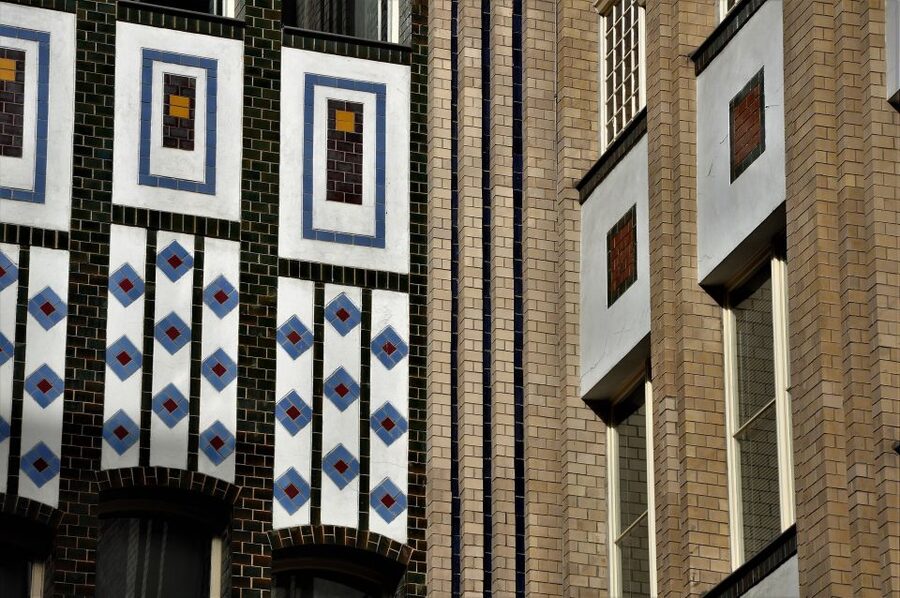
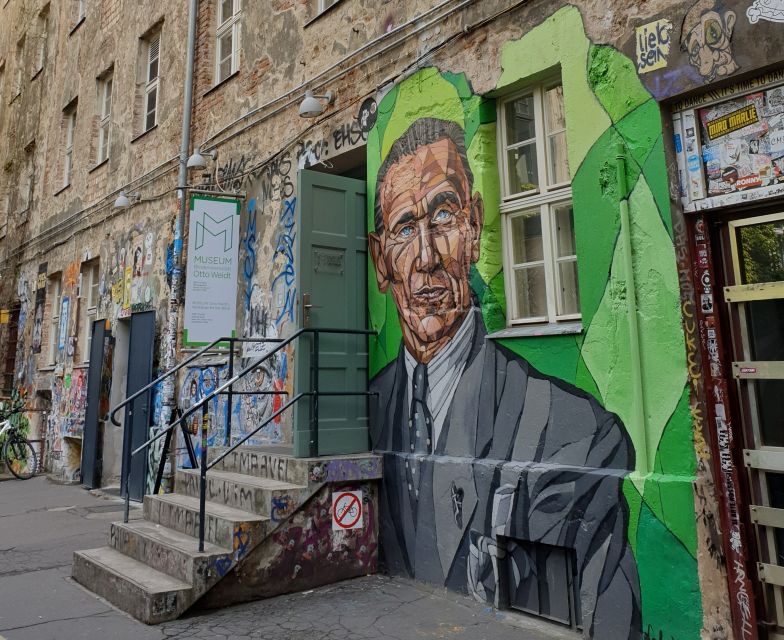
The final museum visit is the Museum Blindenwerkstatt Otto Weidt, also called the Otto Weidt Workshop for the Blind. This is where the tour ends, and it gives the day a close, human focus.
Otto Weidt was recognized as a Righteous Among the Nations for protecting Jewish workers from persecution and deportation. As the danger increased, he found hiding places for some of them. One hiding place was on the premises of what is now the museum.
The museum’s subject is powerful because it connects work, disability, Jewish persecution, and personal courage. Weidt’s workshop employed blind people, and his efforts to protect Jewish workers show how a workplace could become a place of concealment and resistance.
You receive about 15 minutes of guided time at the museum. That is not a long visit, so you should expect an introduction rather than the chance to study every display in detail. Still, the ending works well. After hearing about state violence and mass deportation, you finish with a specific person who tried to protect people under his care.
If you prefer tours that end with a memorable personal story, this final stop is a major strength. It does not erase the larger tragedy, but it gives the subject a human scale.
The pace, transport, and practical demands
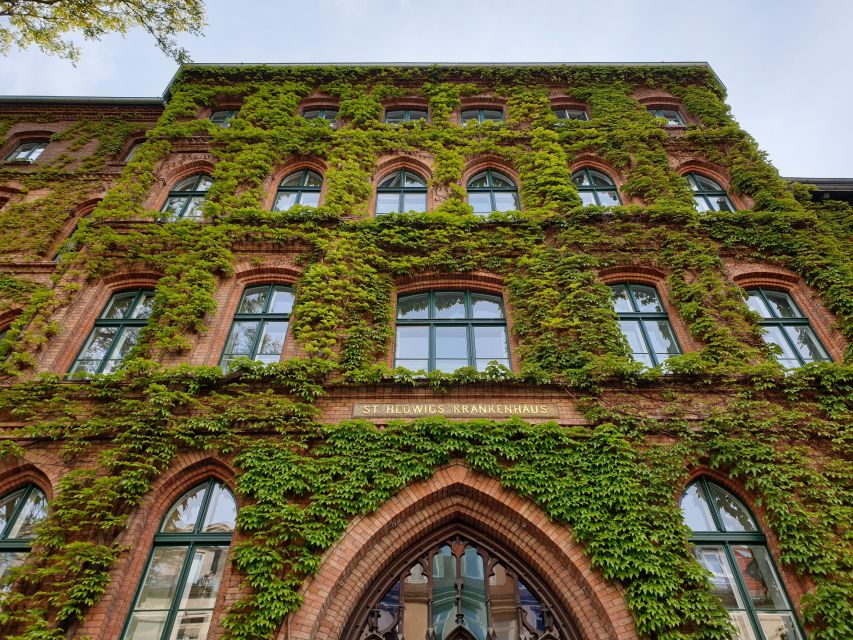
The tour lasts three hours and combines walking with bus and train travel. The route includes a guided segment of about 20 minutes, a 20-minute visit at the German Resistance Memorial, a 10-minute bus or coach ride, a 10-minute stop at Anhalter Bahnhof, a 10-minute train ride, a 15-minute New Synagogue visit, another 20-minute guided segment, and a 15-minute visit at the Otto Weidt workshop.
Those timings tell you what kind of experience this is. You will cover several districts and see more than you could on a single short walk, but most stops are concise. The guide needs to keep the group moving, so this is not ideal if you want long stretches for photography or close museum study.
You need an AB public transport ticket. That is an extra cost, but it also keeps the tour linked to the way Berlin actually works. Buy the correct ticket before the tour begins, and leave yourself time to reach the meeting point, which can vary depending on the option you choose.
Wear comfortable shoes. Even with the public transport connections, you will be walking between sites and standing during explanations. The route is listed as wheelchair accessible, though the exact meeting point and transport arrangements are worth confirming when you book.
The tour ends back at the meeting point. Starting times depend on availability, so check the selected option carefully rather than assuming every departure follows the same schedule.
Language, guide quality, and group experience
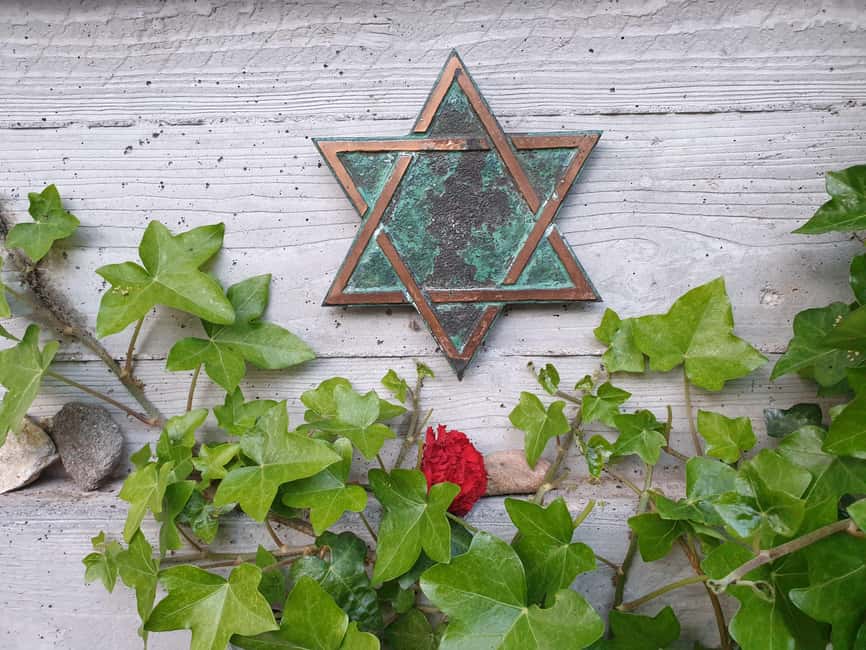
The live guiding is offered in French or Italian. That makes this a useful choice for French-speaking and Italian-speaking visitors who want a serious explanation without relying on translated text.
One particularly positive detail is the praise for Lorenzo, described as professional, well prepared, and engaging. That combination matters on a subject this heavy. A guide can know the facts and still deliver them in a flat way. The best version of this tour depends on a guide who can explain the political setting, answer questions, and keep the group attentive without turning suffering into spectacle.
The tour has a 4.8 rating from 55 ratings, which supports the impression that the guiding is a major part of its appeal. Still, your experience will depend partly on the guide assigned that day and on your comfort with a brisk route.
Because the tour is delivered in French or Italian, confirm the language before booking. If you need English, this is not the right option based on the information available here.
Is $27 a fair price?
At $27 per person, the price is reasonable for three hours of guided touring across several Berlin districts. You are getting a guide, historical interpretation, transport planning, and entry or access to a small museum experience at the end.
The value comes from the connections. You could visit the New Synagogue, German Resistance Memorial, and Otto Weidt workshop separately, but you would need to plan the route yourself and supply the historical links. This tour does that work for you.
Remember to add the cost of an AB public transport ticket. The extra ticket does not ruin the value, but it means the advertised price is not the full out-of-pocket cost.
The tour is less valuable if you want a broad introduction to all of Berlin. It concentrates on Nazi rule, Jewish Berlin, resistance, forced labor, deportation, and rescue. That narrow focus is its strength, but it may feel intense if you have only one short day in the city and want to see a wider mix of sights.
Who should book this Berlin history tour?
I would recommend it to you if you want a serious, guided account of Berlin’s Nazi past and Jewish community, especially in French or Italian. It suits visitors who prefer smaller memorials and connected storytelling to a quick march between famous landmarks.
It is also a good choice if you want to understand German resistance rather than hear only about Nazi leaders and military defeat. The German Resistance Memorial and Otto Weidt workshop add important human and political balance.
You may want another option if you dislike public transport during organized tours, need long periods at each museum, or prefer an English-language guide. The short stops require attention, and the subject can be emotionally demanding.
The tour is also a sound choice for returning visitors. You may already know the major Berlin sights, but the Varian Fry memorial, Operation T4 site, old Jewish cemetery, and Otto Weidt workshop can add less familiar layers to your understanding of the city.
Should you book it?
Book this tour if you want three focused hours that connect Nazi power, Jewish Berlin, German resistance, and individual rescue. The $27 price is good for the amount of guiding and ground covered, even after adding the AB transport ticket.
Before you commit, confirm the language, meeting point, and starting time. Bring comfortable shoes and prepare for a sober experience. If Lorenzo is guiding, you can expect a professional and engaging presentation based on the strongest available feedback, but the route itself remains the main reason to go.
FAQ
How long does the Nazi Berlin and Jewish Community Tour last?
The tour lasts three hours. Starting times depend on availability and the option you select.
What languages are available?
The live tour guide speaks French or Italian. Confirm your preferred language when booking.
Is public transportation included?
No. You need to purchase an AB public transport ticket separately. The route includes bus or coach travel and a train ride.
Which major sites are included?
The tour includes the German Resistance Memorial, Anhalter Bahnhof, the New Synagogue and Jewish Centre, the old Jewish cemetery area, and the Otto Weidt Workshop for the Blind.
Is the tour wheelchair accessible?
Yes, the activity is listed as wheelchair accessible. You should still check the meeting point and transport details for your selected option.
Can I cancel the tour?
You can cancel up to 24 hours in advance for a full refund. You can also reserve now and pay later, keeping your plans flexible.
Just added around Berlin
- Private Walking Tour in Berlin: Hitler’s Germany & WWII★ 5.0 · 7 reviews
- The History of Berlin: WWII PRIVATE Walking Tour With Locals★ 5.0 · 209 reviews
- Berlin: Private Bike Tour of the Berlin Wall and Third Reich★ 5.0 · 23 reviews
- Private Berlin WWII and Cold War History Tour with Local Expert Guide★ 5.0 · 28 reviews
- Private Walking Tour Berlin 3 hours: Brandenburg, Historic Center★ 5.0 · 7 reviews
- Berlin: Guided Private Bike Tour to Explore the Highlights★ 5.0 · 12 reviews
- Berlin Photography Masterclass – Private Photography Lesson★ 4.5 · 23 reviews
- Group Driving Tour 1 to 6 people. Berlin Shore Excursion incl pick-up at Port★ 5.0 · 8 reviews