
Reviewed · MUSEUMS
Dortmund: German Football Museum
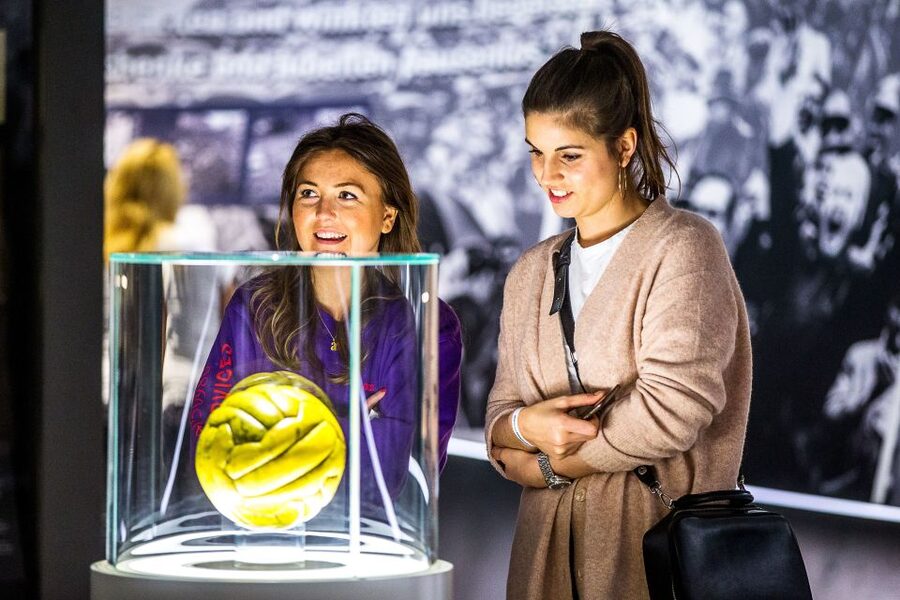
Football is Germany’s favorite story told in one place. At the German Football Museum in Dortmund, I like the powerful journey from the Miracle of Bern to the 2014 world champions, and I like that the displays do more than sit behind glass. You can step into a Sky reporter’s cabin, watch the 2014 team in 3D, and test your football skills on a small playing field.
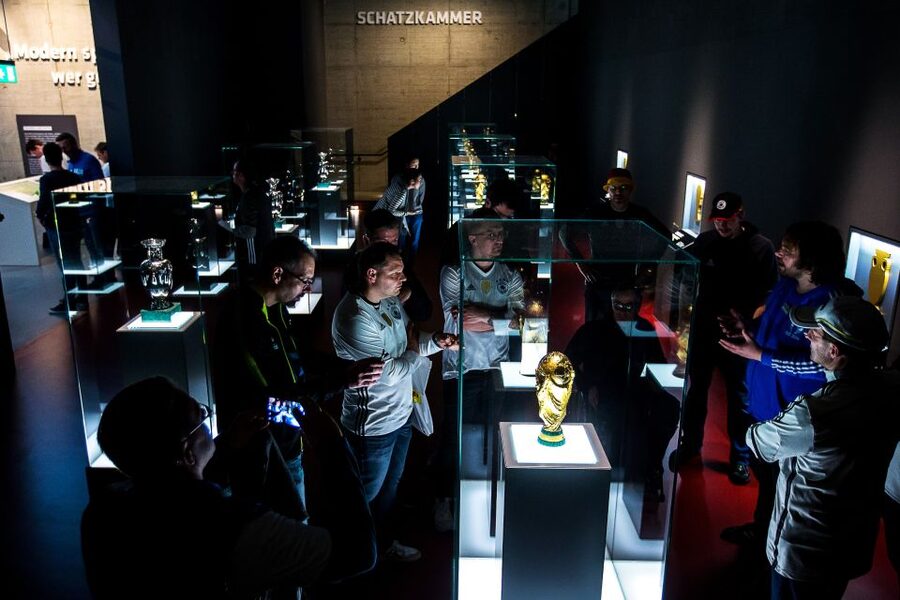
The museum’s 1,600 exhibits cover fans, referees, men’s and women’s football, amateurs, and professionals. That broad approach gives the visit real scope, but it also means non-football fans may find parts of the experience less gripping. There is no guide included, and food and drinks cost extra, so you should plan to explore at your own pace.
In This Review
- Key points for planning your visit
- Starting at Platz der Deutschen Einheit 1 in Dortmund
- The Miracle of Bern and the emotional beginning
- Meeting the 2014 world champions in 3D
- Taking the microphone in the Sky reporter cabin
- The small playing field for young football fans
- A football story with more than famous men
- Why the interactive design matters
- Allowing enough time without rushing
- The $23 ticket and who gets good value
- Practical tips for a smoother museum visit
- Should you book the German Football Museum?
- FAQ
- Where is the German Football Museum located?
- How much does admission cost?
- How long is the ticket valid?
- Is a guide included?
- Are food and drinks included?
- Can I cancel my booking?
Key points for planning your visit
- The Miracle of Bern: Travel back to the 1954 World Cup moment that helped shape modern German football.
- A 3D look at the 2014 champions: Meet the world champions through a cinematic presentation rather than a simple display case.
- Sky reporter cabin: Try live-style football commentary and see how you sound behind the microphone.
- Small playing field: Children can kick a ball and take part in the museum’s hands-on side.
- Broad football story: The displays include referees, fans, professionals, amateurs, and both women’s and men’s football.
- Central Dortmund location: The museum is at Platz der Deutschen Einheit 1, 44137 Dortmund.
Starting at Platz der Deutschen Einheit 1 in Dortmund
The German Football Museum is at Platz der Deutschen Einheit 1, in the center of Dortmund. That location makes it a practical stop for a city visit, especially if football is one of your main reasons for coming to Dortmund.
Your ticket gives you access to the museum for one day. The stated price is about $23 per person. That is not a bargain basement museum ticket, but the value improves if you take your time with the interactive sections, films, and historical displays instead of treating the museum as a quick photo stop.
You should check the available starting times before booking. The ticket is valid for one day, and skip-the-ticket-line access can save you some waiting at the entrance. The experience is not guided, so you are free to set your own pace. That works well if one person in your group wants to read every panel while another prefers the hands-on activities.
The museum also allows cancellation up to 24 hours in advance for a full refund. A reserve-now, pay-later option is available, which can help if your Dortmund plans are still shifting.
More Museums in Germany:
- Berlin: Jewish Museum Berlin Entrance Ticket
★ 4.5 · 8,393 reviews - Berlin: DDR Museum Tickets
★ 4.3 · 3,443 reviews - Berlin: Natural History Museum Entrance Ticket
★ 4.6 · 3,382 reviews
The Miracle of Bern and the emotional beginning
The museum’s look back at the Miracle of Bern is one of its key historical stops. This refers to West Germany’s unexpected victory in the 1954 World Cup final, a match that became far more than a sporting result.
The display gives you a way to understand football as part of national memory. You are not simply looking at old equipment or reading a score. You are seeing how one match became tied to confidence, identity, and the country’s postwar story.
I would give this section extra time, even if you arrive mainly for the modern interactive features. The historical material provides the backbone for the museum. Without it, the later displays about television, commentary, and famous players would feel like separate attractions.
The limitation is simple: the emotional weight of the Miracle of Bern works best if you already know a little about German football. If you do not, take time with the explanatory material rather than rushing ahead to the games and films.
Meeting the 2014 world champions in 3D

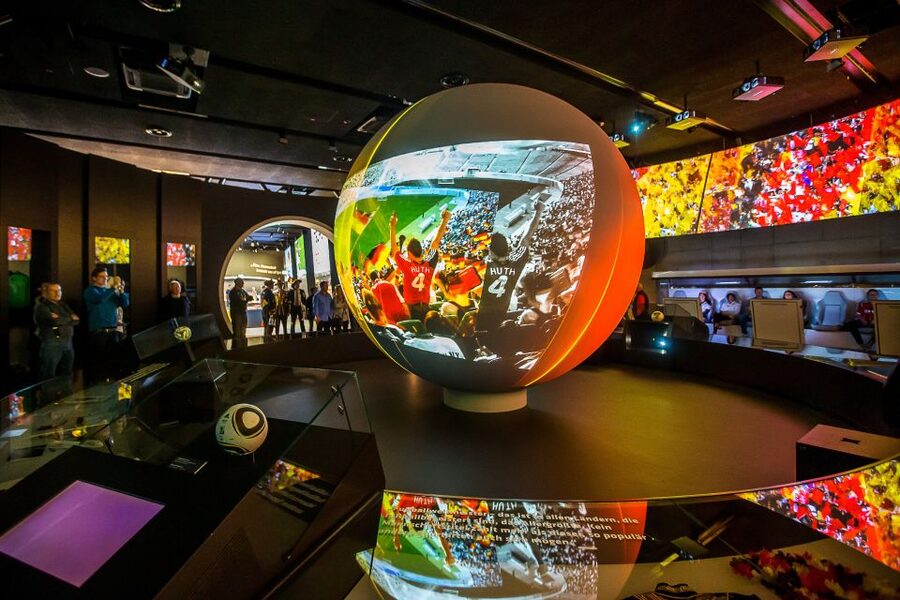
The 2014 World Cup is presented in a 3D cinema. This is a smart choice for a team that remains a major part of Germany’s recent football story.
A traditional exhibit might show shirts, photographs, or a trophy. The cinema instead gives you a more visual encounter with the world champions. It helps turn a major tournament into a shared moment, particularly for fans who remember Germany’s win.
This section should appeal to casual football followers as well as devoted supporters. You do not need to study every tournament result to understand the excitement of seeing a national team presented as a group of champions.
Still, a cinematic presentation is a scheduled or timed experience in spirit, even if the exact running details are not provided. I would avoid planning your entire visit around seeing it at one precise moment unless the museum confirms the schedule. Treat it as one important part of a larger visit.
Taking the microphone in the Sky reporter cabin
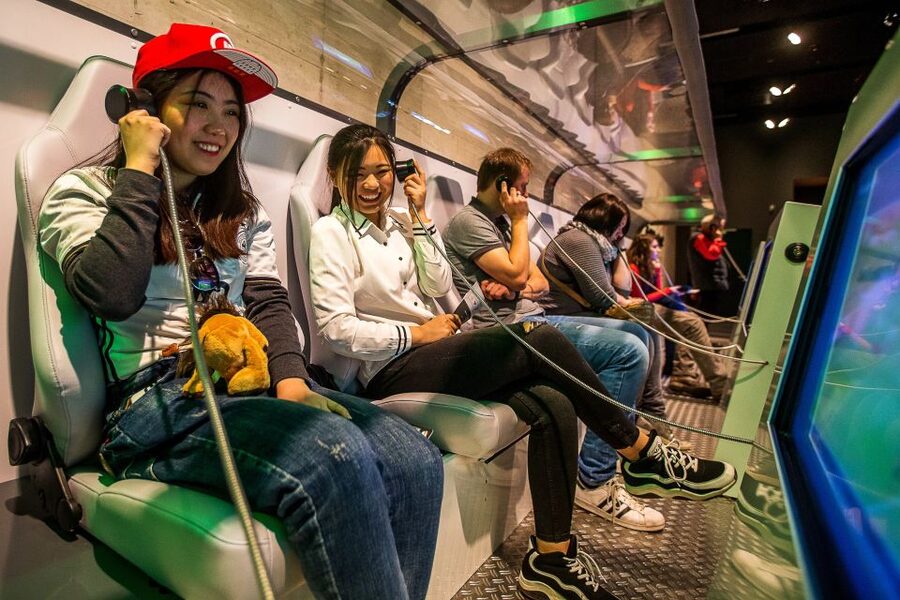
The Sky reporter room is one of the museum’s most useful interactive features. Here, you can become the commentator rather than simply listening to one.
This activity changes the mood. After historical displays and major tournament moments, you get to make your own small contribution. You can test your voice, timing, and football vocabulary in a reporter’s setting.
It is especially good for families and groups. Children can enjoy pretending to call a match, while adults may discover that describing a fast football moment is harder than it looks. The activity also explains why commentary matters. A good commentator must react quickly, create tension, and make the action clear to people who cannot see the whole field.
There is a possible drawback for shy visitors. Interactive media can feel less comfortable when other people are nearby, and the museum does not include a personal guide to coach you through it. If you prefer quiet displays, you can simply watch others use the reporter cabin and move on.
A few more Germany trips worth comparing
- BVB Signal Iduna Park: Stadium Access and Self-Guided Tour
★ 4.4 · 2,332 reviews - Dortmund: Borusseum Borussia Dortmund Museum Entry Ticket
★ 4.6 · 315 reviews - Dortmund: Phoenix des Lumières Ticket – Monet
★ 4.2 · 194 reviews - Dortmund: 24-Hour Hop-On Hop-Off Sightseeing Bus Ticket
★ 4.1 · 161 reviews
The small playing field for young football fans
The multifunctional arena includes a small playing field where children can kick a ball and show what they can do. This is the part most likely to keep younger visitors interested after the historical sections begin to feel serious.
The playing area gives the museum a useful change of pace. You can move from reading and watching to doing. For children, that physical break matters. It makes the visit feel like a football experience, not only a museum lesson.
I would see this as a family feature rather than a full football training session. The information describes a small field and the chance to prove your skills, but it does not promise coaching, organized matches, or a particular skill test. You should think of it as a playful museum activity.
For adults without children, the field may be less important. Still, it helps explain the museum’s broad aim: football is not only about elite players and famous finals. It is also about the ordinary act of kicking a ball around.
A football story with more than famous men
One of the museum’s strongest ideas is its wide view of the sport. The exhibition brings together fans and referees, amateurs and professionals, and women’s and men’s football.
That range matters because a national football story can easily become a parade of famous male players and major trophies. Here, the wider football world gets space too. Referees shape matches. Fans create atmosphere. Amateur players keep the sport alive outside the professional game. Women’s football belongs in the main story rather than in a side note.
The museum’s scenography is designed to connect these different parts. In practical terms, that means you should expect a visit with several moods and viewpoints. One display may focus on a historic national team, while another puts attention on the people who make football work around the match itself.
The tradeoff is that a large subject can never give every period or figure equal attention. With around 1,600 exhibits, you may find some parts more detailed than others. That is normal for a museum trying to explain football in all its forms.
Why the interactive design matters
The museum describes its presentation as a modern exhibition, and the format is important. Football is already a visual and physical sport. A museum that only asks you to read long panels would miss part of the point.
Here, the 3D cinema, reporter’s cabin, and playing field give you several ways to connect with the subject. You can watch, listen, speak, and move. That makes the museum easier to enjoy with a mixed group, especially when serious fans and less committed companions are visiting together.
I also like the balance between spectacle and context. The interactive elements draw you in, but the historical sections give them meaning. The Miracle of Bern explains an older national memory. The 2014 presentation brings the story closer to the present. The reporter cabin shows how football reaches the public through media.
Do not expect every exhibit to be an activity. The museum still depends on objects, displays, and explanation. Its best moments come when the physical and historical parts support each other.
Allowing enough time without rushing
The ticket is valid for one day, but the available information does not set a fixed visit length. That is useful because your ideal time will depend on your interest and your group.
If you are a serious football fan, you may want to read widely, watch the film, and spend time with the historical displays. Families may move more quickly through the text and spend longer at the reporter cabin or playing field. A casual visitor can focus on the major moments and interactive highlights.
I would avoid scheduling the museum as a rushed stop between several fixed appointments. The point is not simply to enter, take a few pictures, and leave. The exhibits work best when you give yourself room to follow the story from early national triumphs through modern football culture.
A half-time break is easy to plan because the museum has a variety of dining options. Food and drinks are not included in the ticket, so budget separately. The dining choices also make the museum more workable for families, though the supplied information does not identify particular restaurants or menus.
The $23 ticket and who gets good value
At about $23 per person, this is a mid-priced cultural attraction rather than a cheap add-on. I think it offers fair value if you care about football, visit with children, or enjoy museums that mix history with hands-on activities.
The price covers access to the German Football Museum. It does not include food, drinks, or a guide. Since there is no guided commentary, the ticket’s value comes from the exhibition design and the range of displays rather than from personal storytelling.
For a devoted football fan, the price is easier to justify. You get historic material, national-team highlights, the 2014 champions in 3D, and several interactive features in one place. For a family, the playing field and reporter cabin may help keep the visit engaging for different ages.
For someone with little interest in football, I would think twice. The museum does try to include social history, media, fans, referees, and both women’s and men’s football, but football remains the central subject. If you are visiting only because someone else in your group loves the sport, ask yourself if the interactive features are enough to make the ticket worthwhile.
The strong 4.6 rating from 484 ratings supports the museum’s appeal. The most consistent praise centers on the experience being interesting and informative, along with friendly and helpful staff. That combination is important: the museum has enough content for serious fans, but it is not presented as a dry archive.
Practical tips for a smoother museum visit
Check the starting-time availability before you reserve. The ticket is valid for one day, but your wider Dortmund schedule may depend on the entry time you choose.
If you are visiting with children, plan around the playing field and reporter cabin. These hands-on activities are likely to be the most memorable parts for younger visitors, so do not spend all your early time reading every historical panel.
Football fans should begin with the historical sections before focusing on the modern attractions. The context of the Miracle of Bern makes the later national-team displays more meaningful.
Allow money for food and drinks. Dining options are available for a half-time break, but they are not part of the admission price.
Because no guide is included, decide how much background you want before arriving. Even a basic understanding of the World Cup and the 1954 and 2014 German teams can make the key sections easier to appreciate.
Should you book the German Football Museum?
I would book it if football is a real interest, if you are visiting Dortmund with children, or if you want an indoor attraction with more variety than a standard display of jerseys and trophies.
The strongest reasons are the clear historical arc, the 3D presentation of the 2014 champions, the Sky reporter cabin, and the chance for children to play on the small field. I also value the effort to include fans, referees, amateurs, professionals, and women’s football.
I would skip it if your Dortmund schedule is tight and you have no interest in football. The lack of a guide may also matter if you prefer a narrated tour with a personal expert. For most football-minded visitors, though, the $23 ticket offers a lively and informative day indoors, with enough variety to satisfy both serious supporters and curious families.
FAQ
Where is the German Football Museum located?
It is at Platz der Deutschen Einheit 1, 44137 Dortmund, Germany.
How much does admission cost?
The listed price is $23 per person. It includes access to the German Football Museum.
How long is the ticket valid?
The ticket is valid for one day. You should check availability for the available starting times.
Is a guide included?
No. The admission includes museum access, but a guide is not included.
Are food and drinks included?
No. Food and drinks are not included. The museum has a variety of dining options for a half-time break.
Can I cancel my booking?
Yes. You can cancel up to 24 hours in advance for a full refund. A reserve-now, pay-later option is also available.
Just added around Germany
- Private Walking Tour in Berlin: Hitler’s Germany & WWII★ 5.0 · 7 reviews
- The History of Berlin: WWII PRIVATE Walking Tour With Locals★ 5.0 · 209 reviews
- Private Walking Tour Berlin 3 hours: Brandenburg, Historic Center★ 5.0 · 7 reviews
- Berlin: Private Bike Tour of the Berlin Wall and Third Reich★ 5.0 · 23 reviews
- Private Berlin WWII and Cold War History Tour with Local Expert Guide★ 5.0 · 28 reviews
- Berlin: Guided Private Bike Tour to Explore the Highlights★ 5.0 · 12 reviews
- Berlin Photography Masterclass – Private Photography Lesson★ 4.5 · 23 reviews
- Group Driving Tour 1 to 6 people. Berlin Shore Excursion incl pick-up at Port★ 5.0 · 8 reviews
Museums, compared.



Skip-the-Line: Berlin Wall Museum at Checkpoint Charlie
Read our review →
Browse the lists this tour appears in