
Reviewed · MUSEUMS
Heusenstamm:tour of the Depot of the museum of communication
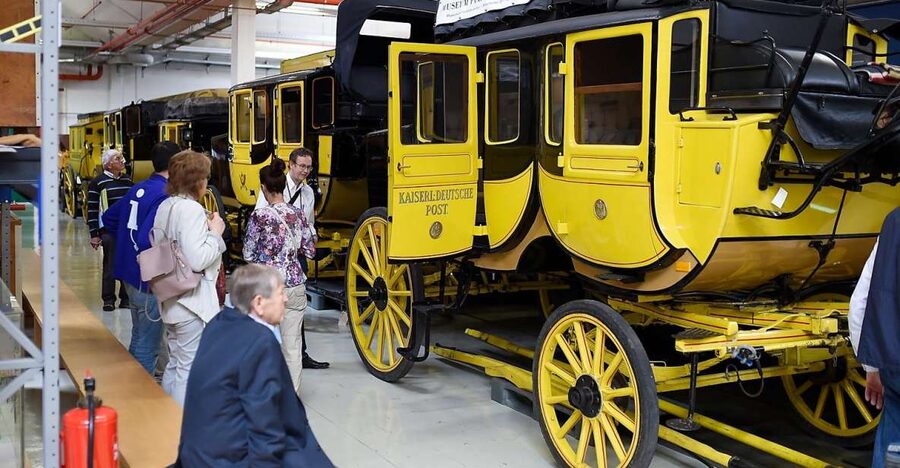
Early messages come with wheels and wires. This 1.5-hour tour in Heusenstamm gives you access to the Museum of Communication’s working collection, where you can see rare 1930s televisions, radio design classics, telephone boxes, buses, and sleighs. I especially like the chance to see objects too large or unusual for a normal gallery and the included ticket to the Museum of Communication Frankfurt. The main consideration is simple: the guide speaks German, and the collection is so large that the tour can only show a fraction of it.
I also like the strong value at $16 per person, especially since admission to the depot and the Frankfurt museum are included. The tour has earned a 4.8 rating from 54 bookings, with high praise for the guide’s background information and the sheer scale of the collection. Plan extra time to reach the site, particularly on Friday afternoon, when road traffic can be heavy and the entrance may be partly hidden by a nearby agricultural sales stand.
In This Review
- Key points to know before you go
- Why this Heusenstamm tour is different
- The first steps into early messaging
- Telephones from simple instruments to global networks
- From tube receivers to internet radio
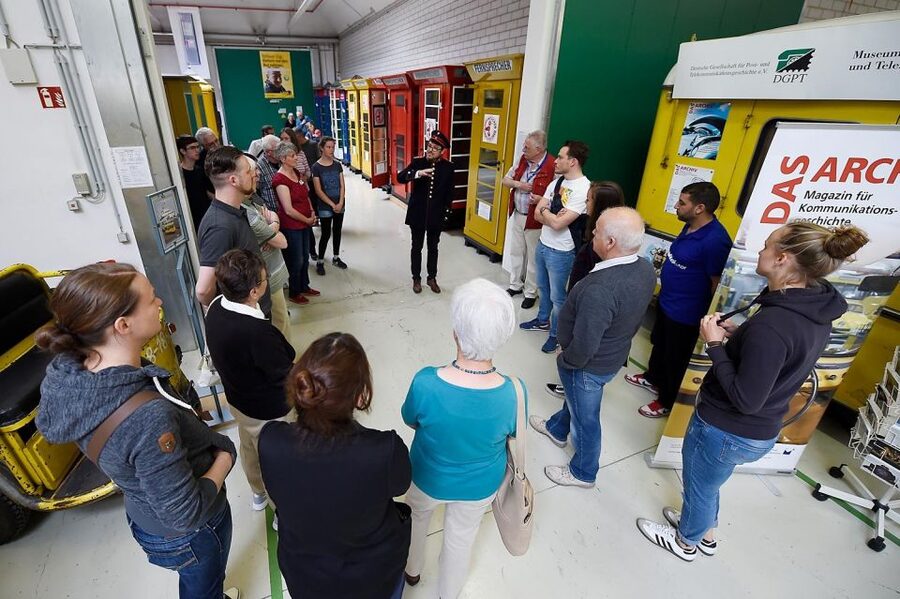
- The unusual pleasure of buses, sleighs, and telephone boxes
- A surprising art collection inside a communication museum
- What the 1.5-hour schedule really means
- The included Frankfurt museum ticket adds real value
- Getting to Heusenstamm without a rushed start
- Who will enjoy this tour most
- Booking flexibility and practical details
- Should you book the Heusenstamm depot tour?
- FAQ
- How long does the Heusenstamm depot tour last?
- What language is the tour conducted in?
- What is included in the $16 price?
- Are food and drinks included?
- Can I cancel the booking for a refund?
- Does the tour cover the entire collection?
Key points to know before you go
- Rare 1930s television sets: See early television technology from an era when home viewing was still new.
- The world’s largest telephone collection: Follow the change from early communication tools to modern networked devices.
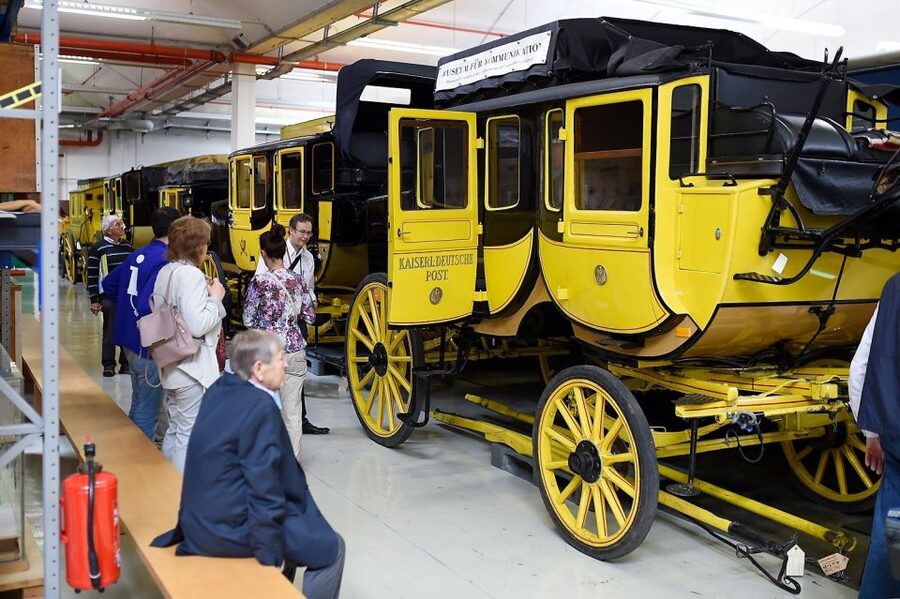
- Large historic vehicles: Photograph yourself beside buses, sleighs, and telephone boxes that would not fit easily into a standard museum room.
- 375,000 objects in one collection: The tour offers a useful sample of a much larger store of communication history.
- German guide only: The 1.5-hour walking tour is conducted in German, so language ability matters.
- Frankfurt museum admission included: Use the additional ticket to see the public museum’s displays after visiting the Heusenstamm depot.
Why this Heusenstamm tour is different
The Museum of Communication Frankfurt has a public museum in Frankfurt and a depot in nearby Heusenstamm. The depot is the place to see the scale of the institution’s holdings. Instead of focusing only on a small selection arranged for a polished exhibition, this visit brings you closer to the broader collection of 375,000 objects.
That number changes how you approach the tour. You are not coming to see every object or leave with a complete history of communication. You are coming to get a sharp, guided look at the items that show how people sent messages, shared information, and built networks over time.
I find that idea especially appealing because communication museums can sometimes become too focused on familiar items such as telephones and radios. Here, the mix is much wider. You might move from a small piece of early equipment to a full-size bus, then to a television set or a work of art. The changing scale keeps the visit from feeling like a row of similar cases.
The depot also helps explain why the Frankfurt museum displays only a small part of the full collection. The public museum can present a clear story, but Heusenstamm gives you a sense of what sits behind that story: the surplus, the specialist material, the oversized objects, and the items that help fill gaps in the record of communication.
More Museums in Germany:
- Berlin: Jewish Museum Berlin Entrance Ticket
★ 4.5 · 8,393 reviews - Berlin: DDR Museum Tickets
★ 4.3 · 3,443 reviews - Berlin: Natural History Museum Entrance Ticket
★ 4.6 · 3,382 reviews
The first steps into early messaging
The tour begins with the basic human problem behind every object in the collection: how do you send a message farther and faster than your voice can carry?
The displays trace that problem through changing tools and systems. The phrase early messaging covers more than old telephones. It points to the methods people developed to pass information across distance, then to the machines that made communication faster, more private, and more widely available.
A guide adds useful context as you go. That matters here because many objects may be unfamiliar, especially if you do not speak German or study technology. A device that looks like a plain box can represent a major change in how people worked, traveled, or kept in touch.
The tour is guided in German, so you should have enough German to follow explanations if you want the full benefit. The objects remain interesting on their own, but the background information helps connect them. You get more from the visit when you understand not only what an item is, but what problem it was designed to solve.
Telephones from simple instruments to global networks
One of the main attractions is the telephone collection, described as the largest in the world. That claim gives the tour real weight, but the value is not just in seeing a great number of phones lined up together.
The collection shows how telephone design changed. You may notice shifts in shape, materials, controls, and the way phones fit into homes, workplaces, public spaces, and transport systems. A telephone can tell you about technology, but it can also show changing habits and expectations.
The story then moves toward global networking. Communication is no longer limited to a direct call between two fixed points. The collection shows the inventiveness that allowed people and institutions to connect across larger distances and through more complex systems.
I like this part because it gives you a way to read technology as social history without needing a technical background. You can ask simple questions as you walk: Who used this device? Where did it sit? Did it make communication cheaper, quicker, or more private? A good guide can make those questions useful, and the strong praise for the guide’s background information suggests that the explanations are a major part of the experience.
From tube receivers to internet radio
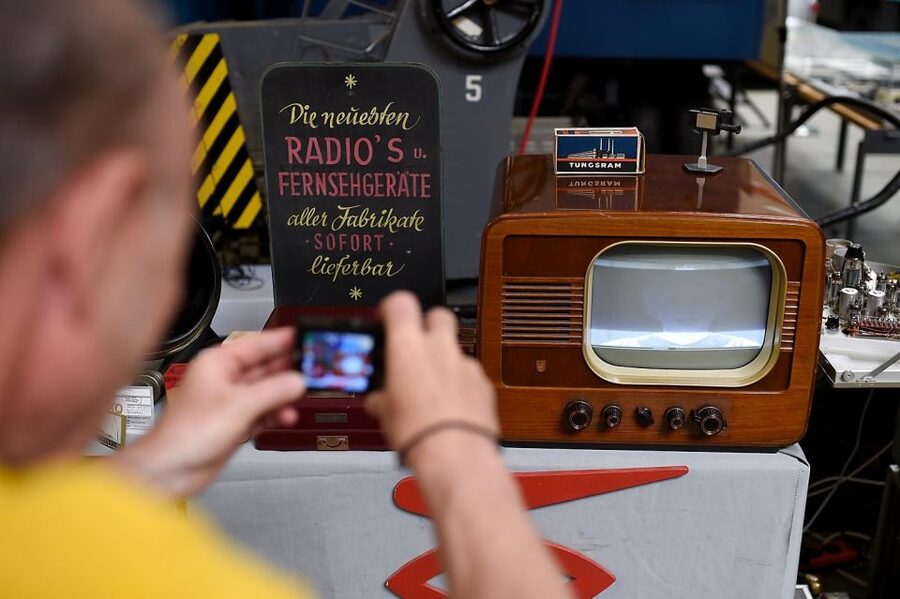
The audio section covers a particularly clear line of change, from tube receivers to internet radio. This is one of the easiest parts of the tour to understand because you can picture the shift from bulky early equipment to devices that draw on worldwide digital networks.
The phrase tube receiver points to an earlier age of radio technology, when sets were larger and their inner workings depended on vacuum tubes. Internet radio belongs to a different stage, where the signal can arrive through modern data networks rather than a traditional broadcast alone.
Seeing the two ends of that story together helps you measure the speed of change. Radios moved from substantial household machines to smaller, more flexible forms of listening, while the reach of audio expanded across borders.
The display also includes design icons from radio history. That is useful for anyone interested in industrial design, not just electronics. Shape, materials, and ease of use all matter. A radio can be technically important and visually memorable at the same time.
Still Germany, at a slower pace:
- Berlin: Reichstag, Dome and Government District Guided Tour
★ 4.7 · 18,288 reviews - Berlin: 1-Hour City Tour by Boat with Guaranteed Seating
★ 4.3 · 16,993 reviews - Hamburg: Sex and Crime in St. Pauli Tour for Ages 18+
★ 4.7 · 15,447 reviews - Hamburg: 1.5-Hour Harbor and Speicherstadt Day Cruise
★ 4.6 · 14,200 reviews
The unusual pleasure of buses, sleighs, and telephone boxes
The large objects may be the most memorable part of the depot. Buses, sleighs, and telephone boxes give the collection a physical scale that smaller devices cannot match.
These objects also show that communication has always depended on transport and public space. Messages need systems, routes, buildings, and places where people can meet or connect. A telephone box is not just a phone in a booth. It reflects a time when public communication required a fixed place and shared infrastructure.
A bus or sleigh brings another question: how did people, mail, equipment, or messages move through different settings? The information provided does not promise a ride or an interactive demonstration, so expect to look, listen, and photograph rather than operate the vehicles.
Photography is one of the highlights. You can take pictures of yourself with rare historic vehicles, making the visit more personal than a standard walk past display cases. If you enjoy unusual travel photos, these large objects give you a better backdrop than another old handset.
Still, space and time matter. Large objects take up room, while the depot holds far more than any 1.5-hour visit can show. The tour gives you an introduction, not a complete examination of every vehicle or transport item.
A surprising art collection inside a communication museum
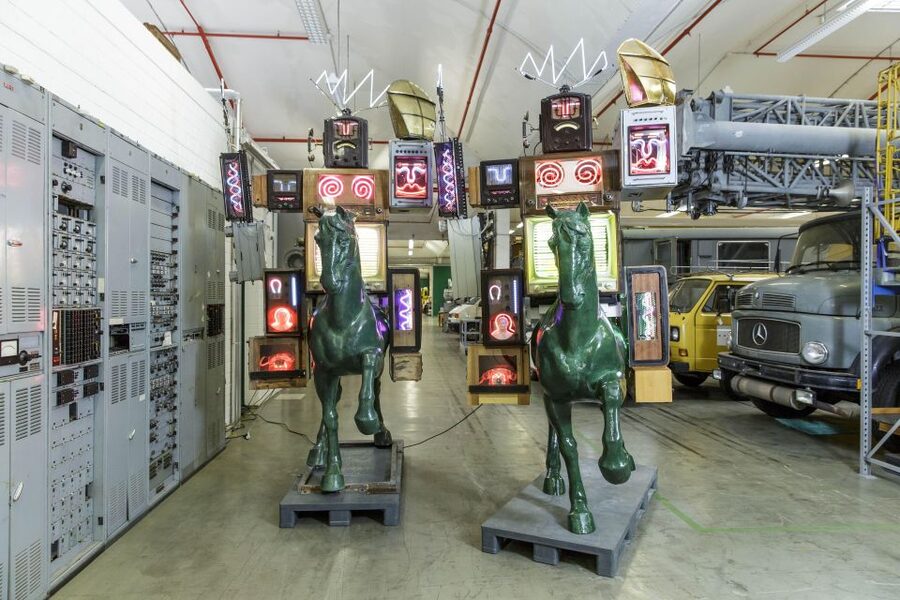
The collection includes more than 300 paintings, ranging from the 17th century to contemporary works. This may surprise you if you expect only machines, wires, and transport equipment.
The paintings broaden the meaning of communication. Art can record people, places, events, symbols, and ideas in ways that technical objects cannot. A painting from the 17th century and a modern communication device may seem unrelated at first, but both can show how people represented their world and shared meaning.
The time span also gives the tour a long cultural reach. You are not looking only at the last 150 years of telephones and broadcasting. The art collection reaches back much further, then continues into contemporary work.
Do not expect the art collection to receive the same amount of time as the telephones, radios, and vehicles. The tour lasts only 1.5 hours, and the guide has a very large collection to cover. If art is your main reason for visiting, the depot may feel like an introduction rather than a full art museum visit.
What the 1.5-hour schedule really means
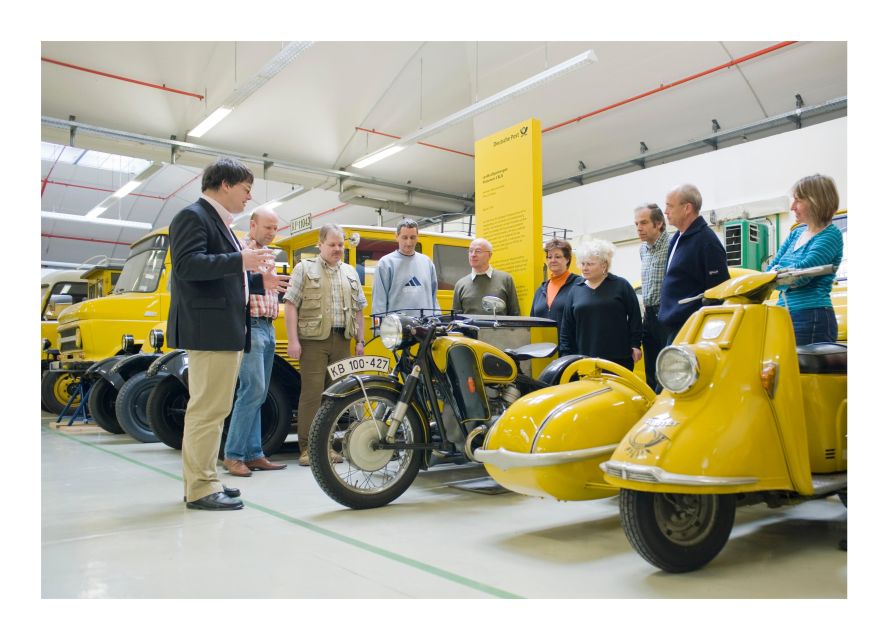
Ninety minutes is enough to build a clear picture of the collection, but it is not enough to study every section in detail. One visitor noted that there is far more to see than can fit into the scheduled time, which is the key point to remember before booking.
I would treat the tour as a guided orientation. You will see important examples, hear the larger story, and learn which parts deserve more time if you return. The fast pace is not necessarily a flaw. With 375,000 objects, a slower tour would still leave most of the collection unseen.
The best approach is to accept that you will leave curious. You might want to return for another look, especially if one subject catches your attention. The size of the collection is both its greatest strength and its main limitation.
If you prefer a small museum where every label can be read and every room can be studied slowly, this may feel rushed. If you like seeing a wide spread of objects and getting expert direction through a huge collection, the short format works well.
The included Frankfurt museum ticket adds real value
The $16 price becomes more attractive because it includes entry to the Museum of Communication Frankfurt as well as the Heusenstamm depot tour.
The two sites serve different purposes. Heusenstamm gives you the scale and the less familiar objects. Frankfurt offers the public museum setting, where selected pieces can be arranged into a more focused presentation. Visiting both helps you understand the difference between a working collection and a visitor-friendly exhibition.
I would not view the Frankfurt ticket as a minor extra. It gives you a second way to approach the subject. At the depot, you see how broad the holdings are. In Frankfurt, you can follow a more organized presentation of communication and technology.
The value depends on your plans. If you already intend to visit the Frankfurt museum, the $16 tour is especially appealing because the entry is included. If you only have time for the guided visit and cannot use the second ticket, the price still buys a rare look at objects that are not all presented in the main museum, but the added value is smaller.
Food and drinks are not included. That is easy to manage, but plan accordingly rather than expecting refreshments as part of the experience.
Getting to Heusenstamm without a rushed start
Allow extra time for the journey to Heusenstamm. A practical warning from the most recent visit information is that Friday afternoon roads can be full, and the entrance was partly obscured by an agricultural sales stand.
This is the sort of detail that can make a difference. A late arrival cuts into a tour that is already short, and a partly hidden entrance can cause needless confusion. Check your route before setting out and avoid building your arrival around the exact start time.
The available information does not specify a transport method, parking arrangement, or group size, so I would not assume that the site works like a central city museum. Give yourself a buffer and look carefully for the entrance when you arrive.
Who will enjoy this tour most
I would recommend the tour to anyone interested in telephones, broadcasting, industrial design, transport, or the everyday objects that changed how people communicate.
It also suits repeat visitors to Frankfurt who want something beyond the city’s better-known museum route. The Heusenstamm depot adds a different experience, especially if you enjoy seeing the size of a collection rather than only its final display.
Families with an interest in machines may find the large vehicles and historic equipment more engaging than a traditional art gallery. Photography fans also have a clear reason to come, since the buses, sleighs, and telephone boxes offer distinctive pictures.
The main audience limitation is language. The live tour guide speaks German, and no other tour language is listed. If you do not understand German, you may still appreciate the visual material, but you will miss much of the explanation that gives the objects their meaning.
Booking flexibility and practical details
You can cancel up to 24 hours before the activity for a full refund. You can also reserve now and pay later, which helps if you are still arranging a trip around Frankfurt and Hessen.
The price is $16 per person. For that amount, you receive entry to the Heusenstamm depot, the 1.5-hour guided walking tour, and admission to the Museum of Communication Frankfurt.
The tour has a 4.8 rating from 54 bookings, with particular praise for the guide’s background information and the clear overview of the collection. That matches the experience’s strongest feature: the guide helps turn an enormous number of objects into a story you can follow.
Should you book the Heusenstamm depot tour?
Book it if you want a broad, unusual look at communication technology and you can follow a German-language tour. The combination of rare television sets, radio design, the world’s largest telephone collection, oversized vehicles, paintings, and the Frankfurt museum ticket gives you a lot for $16.
Think twice if you need a slow, fully translated visit or if your schedule cannot handle extra time for the journey. The 1.5-hour tour will not cover everything, and that is not a promise it tries to make.
For most people who enjoy museums with a strong sense of scale, I think the short visit works best as a first look. You get the story, see objects that are hard to display elsewhere, and leave with good reasons to return.
FAQ
How long does the Heusenstamm depot tour last?
The guided walking tour lasts 1.5 hours.
What language is the tour conducted in?
The live tour guide speaks German, and German is the listed tour language.
What is included in the $16 price?
The price includes entry to the Museum Depot in Heusenstamm, the 1.5-hour guided walking tour, and an entry ticket to the Museum of Communication Frankfurt.
Are food and drinks included?
No. Food and drinks are not included in the activity.
Can I cancel the booking for a refund?
Yes. You can cancel up to 24 hours in advance for a full refund.
Does the tour cover the entire collection?
No. The collection contains 375,000 objects, so the 1.5-hour tour presents only a selection. The size of the collection means there is more to see than fits into one visit.
Just added around Germany
- Private Walking Tour in Berlin: Hitler’s Germany & WWII★ 5.0 · 7 reviews
- The History of Berlin: WWII PRIVATE Walking Tour With Locals★ 5.0 · 209 reviews
- Private Berlin WWII and Cold War History Tour with Local Expert Guide★ 5.0 · 28 reviews
- Private Walking Tour Berlin 3 hours: Brandenburg, Historic Center★ 5.0 · 7 reviews
- Berlin: Private Bike Tour of the Berlin Wall and Third Reich★ 5.0 · 23 reviews
- Berlin: Guided Private Bike Tour to Explore the Highlights★ 5.0 · 12 reviews
- Berlin Photography Masterclass – Private Photography Lesson★ 4.5 · 23 reviews
- Group Driving Tour 1 to 6 people. Berlin Shore Excursion incl pick-up at Port★ 5.0 · 8 reviews
Museums, compared.




Skip-the-Line: Berlin Wall Museum at Checkpoint Charlie
Read our review →
Browse the lists this tour appears in