
Reviewed · MUSEUMS
August Horch Museum Entrance Ticket
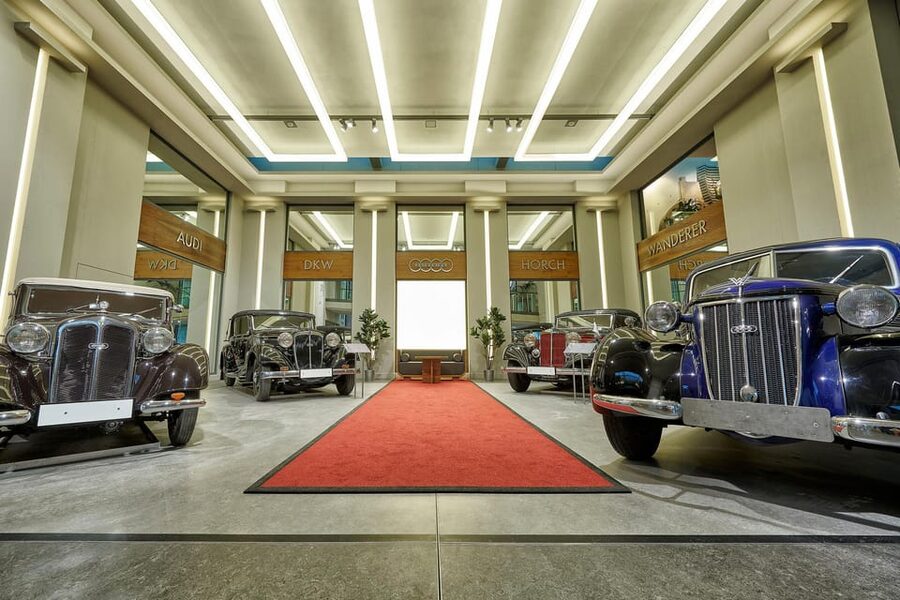
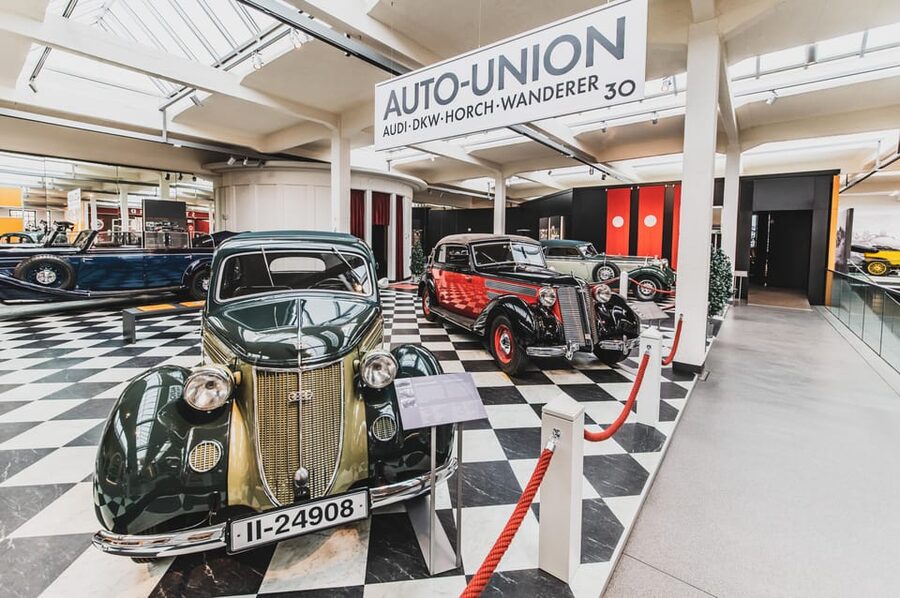
Cars tell Zwickau’s story. The August Horch Museum occupies the site of the first Audi factory, where more than a century of car making unfolded under names including Horch, Audi, DKW, Trabant, and Volkswagen. I like the museum’s unusually broad timeline, and I like that it explains factory production rather than simply lining up polished cars. The Trabant body production display is a special treat.
The main consideration is time. This is not a quick look around a small car collection. With about 6,500 square metres and roughly 160 large exhibits, you could easily spend two hours or more here. A guided tour is not included, so you need to read the displays at your own pace.
In This Review
- Key points to know before you go
- Entering the birthplace of Audi in Zwickau
- From 1904 Horch and Audi cars to 1920s luxury
- Racing cars, films, and the human side of the collection
- The Trabant and its Duroplast production line
- Following the story from DKW to modern Volkswagen
- How much time should you allow?
- Is the $17 ticket good value?
- Accessibility, family fit, and practical limits
- Who should book this museum ticket?
- Should you book the August Horch Museum?
- FAQ
- Where is the August Horch Museum located?
- How long is the ticket valid?
- How many exhibits are in the museum?
- What years of automotive history does the museum cover?
- Does the ticket include a guided tour?
- Is the museum wheelchair accessible?
- Are pets allowed inside?
- Does the ticket include food or drinks?
- Can I cancel the booking?
Key points to know before you go
- The museum stands on the first Audi factory site: You are seeing automotive history in the same place where production began.
- More than 160 large exhibits span 1911 to today: The collection moves from early Audi and Horch cars to luxury models, racing cars, Trabants, and modern vehicles.
- The Trabant story gets proper attention: A production line for Duroplast, the patented material used for Trabant bodies, is shown exclusively here.
- Plan for at least two hours: The large exhibition space rewards a slow visit, especially if you watch the films and read the historical displays.
- The visit costs about $17 per person: That is a strong price for the amount of material on display, particularly for anyone interested in German industry and design.
- The exhibition is mostly wheelchair accessible: The August Horch Mansion is the exception, so check your route if full access is important.
Entering the birthplace of Audi in Zwickau
The setting gives this museum much of its power. You are not simply looking at old cars in a detached gallery. The August Horch Museum is on the ground of the first Audi factory, linking the vehicles to the place where they were built.
Zwickau became an important center of German car production over more than 115 years. The museum follows that story through changing companies, political systems, technologies, and tastes. Horch represents early luxury and engineering ambition. Audi carries the story forward. DKW adds another major chapter, and Trabant shows what car production looked like in East Germany.
I like this approach because it gives you more than a parade of attractive machines. A car becomes a piece of social and industrial history. You can consider who bought it, how it was built, what materials were available, and how the factory adapted over time.
The museum’s location also helps explain why Volkswagen remains present in Zwickau today. The final part of the exhibition brings the story into the present, showing that car production here did not end with the old brands.
A few more Germany trips worth comparing
- Dresden: Semperoper Tickets and Guided Tour
★ 4.7 · 12,102 reviews - Berlin: Jewish Museum Berlin Entrance Ticket
★ 4.5 · 8,393 reviews - Berlin: Berlin Story Bunker Entry Ticket
★ 4.6 · 6,759 reviews
From 1904 Horch and Audi cars to 1920s luxury
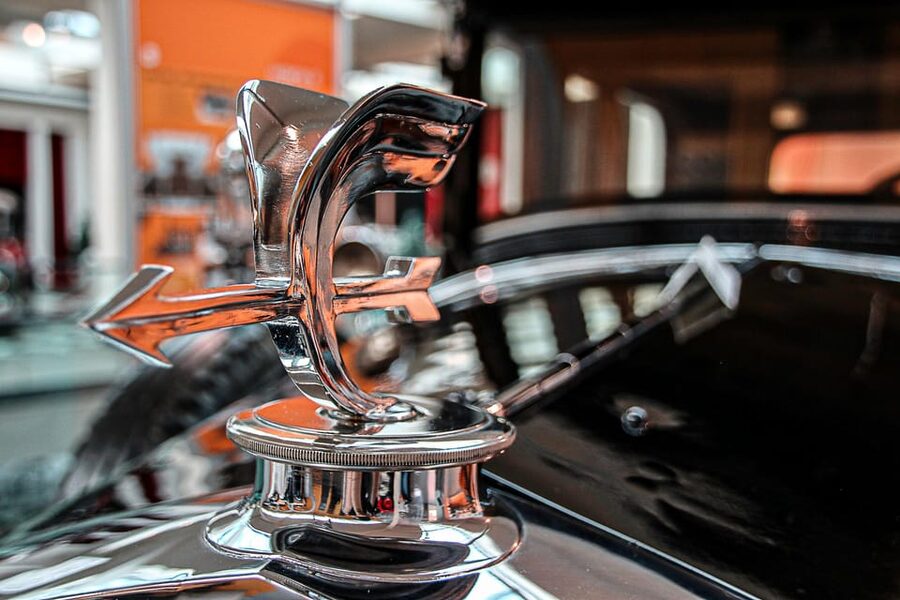
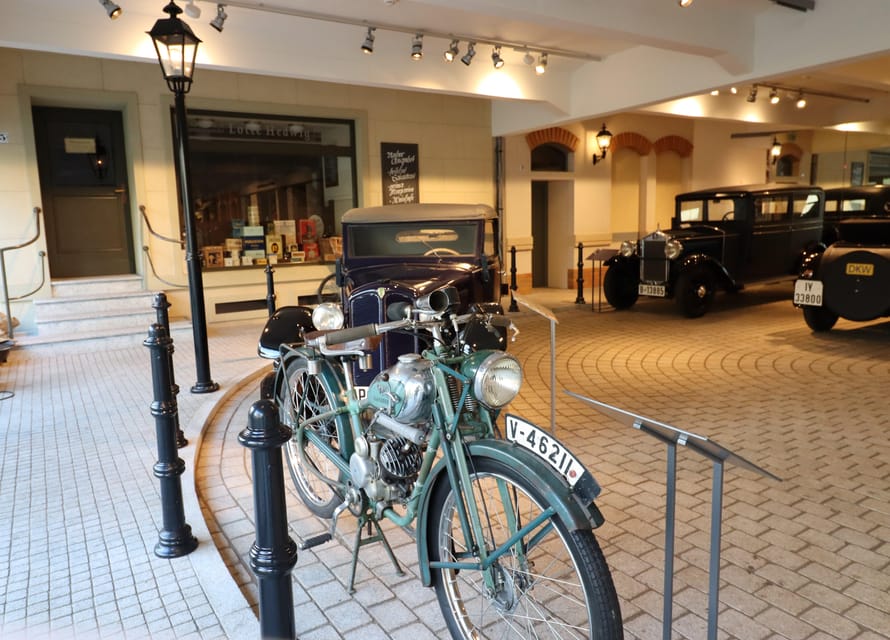
The collection begins with very early vehicles, including an Audi and a Horch from 1904. These cars are valuable not only because of their age. They show how quickly early manufacturers were experimenting with design, engineering, and the basic shape of the motorcar.
You may find this first section slower going if you are mainly interested in modern sports cars. The earliest vehicles can look similar to an untrained eye, and the technical details may require attention. Give them time. Their importance comes from the choices they represent at a point when the automobile was still finding its form.
The museum then moves into luxurious cars from the 1920s. This is where the exhibition’s variety becomes clear. You see how car makers moved beyond simple transport and began selling comfort, prestige, and style.
For me, this section is useful because it sets up the contrast with the later Trabant. German car history did not follow one straight line toward faster or more luxurious vehicles. It also reflects shortages, government systems, mass production, and practical needs.
Racing cars, films, and the human side of the collection
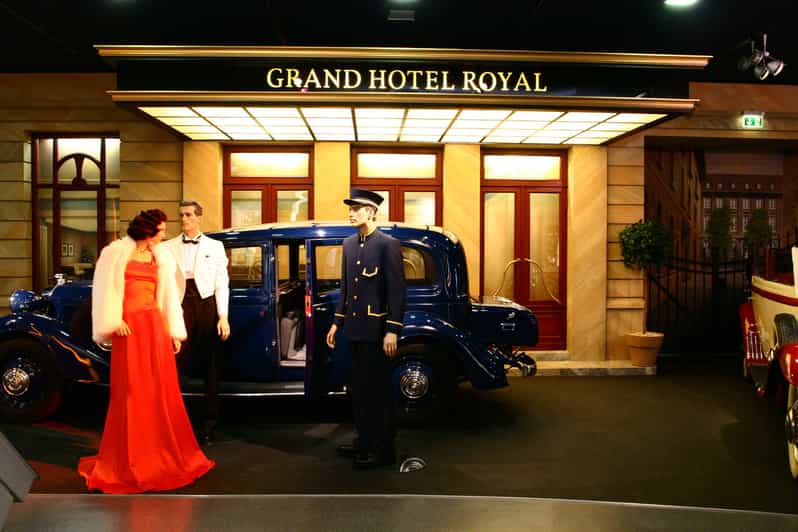
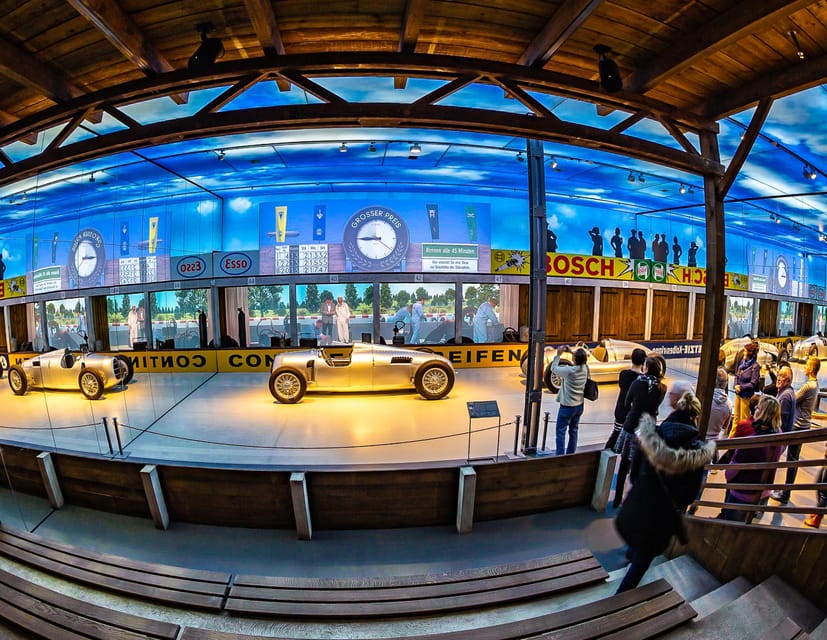
The racing-car displays add energy to the historical material. They show the competitive side of automotive development, where speed and mechanical reliability mattered in a very public way.
Films are part of the experience, including material about the history of racing cars. That matters because a stationary vehicle can only tell you so much. Film gives you a better sense of movement, noise, and the public excitement surrounding motor racing.
I would not rush through this section. If you read every label and stop for the films, your visit will stretch well beyond a quick one-hour walk. One useful expectation is to allow more than two hours if you want the museum to feel complete rather than skimmed.
There is no guided tour included with this admission. That keeps the ticket simple and lets you move at your own speed, but it also means you are responsible for making sense of the sequence. If you prefer a guide to explain the political and industrial context, you would need to arrange that separately.
The Trabant and its Duroplast production line
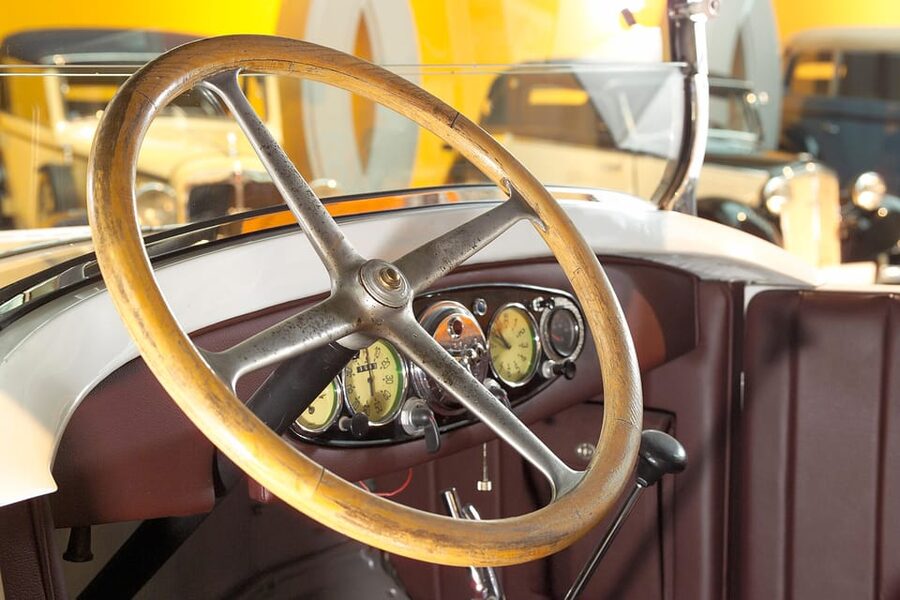
The Trabant section is likely to be the most distinctive part of your visit. The car is closely tied to East German life, and its story gives the museum a strong social angle.
The museum shows a production line for Duroplast, the patented material used for the Trabant’s body. This is not just another car on display. You get to see how an unusual material shaped the manufacturing process and the final product.
Duroplast helped produce a lightweight body, but the material also reflected the limits and priorities of its time. The Trabant was not built as a luxury object. It was a practical mass-market car within a very different economic system.
This display is especially useful if you know little about East German industry. Instead of treating the Trabant as a joke or a curiosity, the museum places it in context. You can see why the car mattered to the people who owned one and why it remains such a strong symbol of the period.
I would make a point of saving enough time for this part. The production-line exhibit is one of the features you cannot easily replace with a look at a standard car collection. It explains how the factory worked, not only what the finished vehicle looked like.
More Museums in Germany:
- Berlin: DDR Museum Tickets
★ 4.3 · 3,443 reviews - Berlin: Natural History Museum Entrance Ticket
★ 4.6 · 3,382 reviews - Berlin: Neues Museum Entry Ticket
★ 4.6 · 3,261 reviews - Cologne: Chocolate Museum Entrance Ticket
★ 4.4 · 2,790 reviews
Following the story from DKW to modern Volkswagen
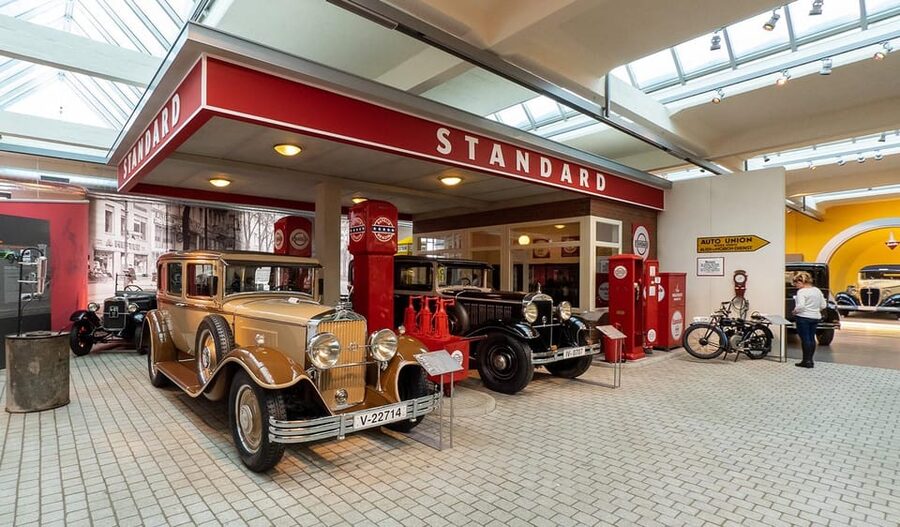
DKW is another important part of the Zwickau story. The name may be less familiar to you than Audi or Volkswagen, but its place in the museum helps show how brands and factories changed over time.
The wider lesson is that automotive history is rarely a clean sequence of one company replacing another. Factories survive through mergers, reorganizations, new political conditions, and new owners. The exhibition uses Zwickau to make that process visible.
By the time you reach the present-day section, Volkswagen is still part of the local production story. This ending gives the museum a useful sense of continuity. The old cars are not isolated objects from a finished era. They are part of a working tradition that continues in the city.
That final link is one of the museum’s strengths. You can start with the earliest Horch and Audi cars, pass through luxury models, racing machines, DKW, and Trabant, then reach modern production without leaving the same broad historical setting.
How much time should you allow?
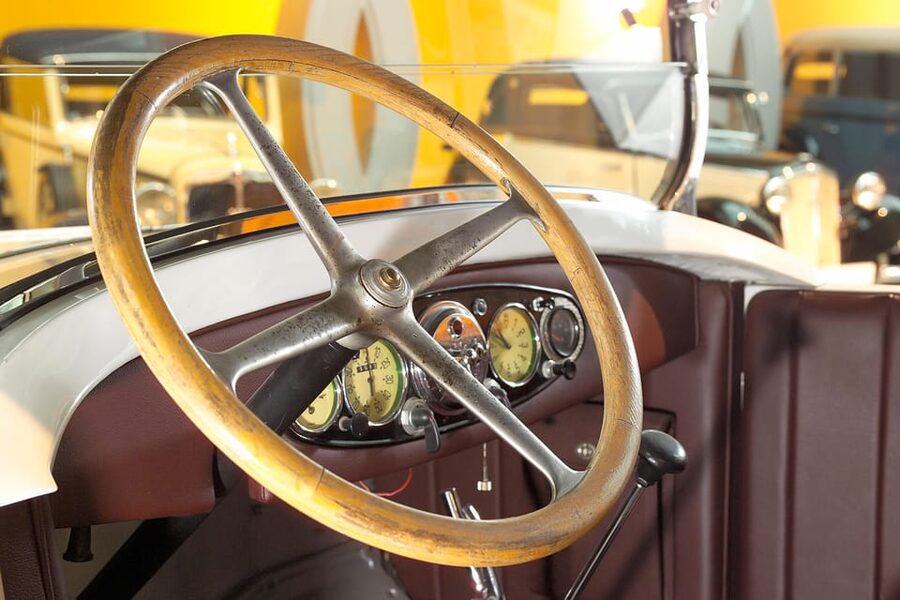
Your ticket is valid for one day, so you have flexibility around the visit date and the available starting time. The information for the experience asks you to check availability for starting times, so confirm the current option when you book.
I would allow two hours as a minimum if you want more than a quick look. The large exhibition area, films, technical displays, and historical sequence can hold your attention for longer. A detailed visit may take much of an afternoon, especially if you read carefully.
The museum is listed as a small-group experience limited to 10 participants. That suggests a more controlled booking arrangement, though the basic ticket does not include a guide. Do not expect a scheduled tour to lead you from room to room unless you book one separately.
You need a printed voucher. That is an easy detail to miss in a world of phone tickets, so print it before arriving rather than assuming a digital copy will be accepted.
Is the $17 ticket good value?
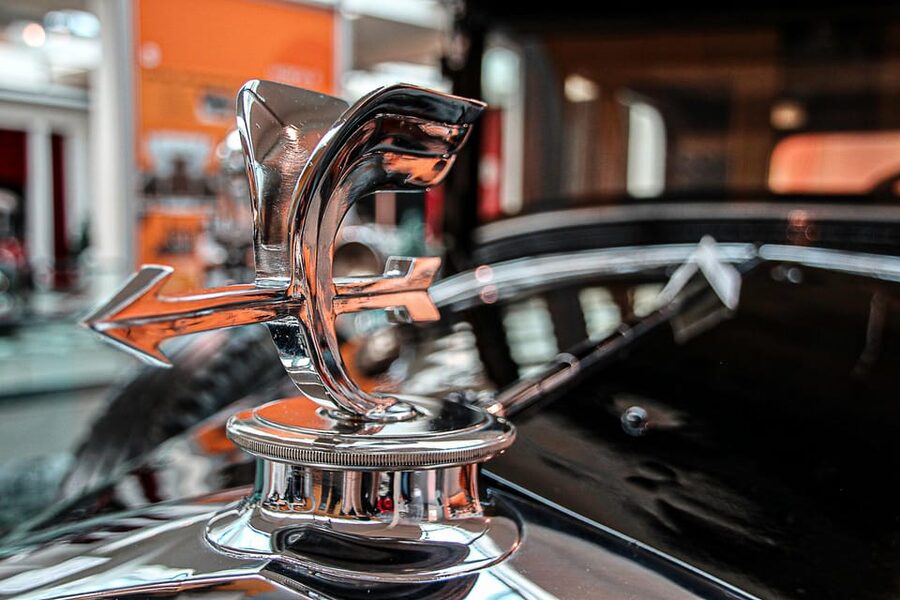
At about $17 per person, this is good value for a focused museum visit. You are paying for a substantial exhibition with more than 160 large displays, numerous smaller objects, films, and a special production-line exhibit.
The value is strongest if you care about at least one of these subjects:
- German car design
- Audi, Horch, or DKW
- East German history
- Factory production
- Racing cars
- Industrial design
- The story of Volkswagen in Saxony
Even if you are not a serious car enthusiast, the museum has enough social and political context to make the visit worthwhile. The Trabant section, in particular, gives non-specialists a way into the subject.
The price is less compelling if you only want to see rare luxury cars and do not enjoy reading displays. This is a museum about production and changing eras as much as it is about beautiful vehicles. Its strongest material asks you to think about how cars were made and what they meant to the people who used them.
Food and drinks are not included, and transportation to and from the museum is also not included. Those costs depend on your plans in Zwickau, so include them in your day’s budget.
Accessibility, family fit, and practical limits
Most of the exhibition is wheelchair accessible. The August Horch Mansion is the stated exception, so visitors who need full step-free access should check the accessible route before arrival.
Pets are not allowed, although assistance dogs are permitted. That rule is worth noting if you are planning a day out with a pet.
The museum should suit adults, older children, and teenagers who like machines or history. The large vehicles provide an immediate visual draw, while the films and factory displays add more for anyone willing to spend time with the subject.
Younger children may enjoy the size and shape of the cars, but the museum’s full value depends on reading and following a long timeline. If you are visiting with children, you may want to focus on the racing cars, unusual Trabant production method, and the oldest vehicles rather than trying to cover every label.
The lack of a guide can be either a benefit or a drawback. I like the freedom to pause at the cars that interest me, but first-time visitors to German automotive history may find the company changes and political background harder to follow alone.
Who should book this museum ticket?
I would recommend it most strongly to car enthusiasts, industrial-history fans, and anyone already planning time in Zwickau. It is also a good choice for visitors who want a museum with a clear local connection rather than a general collection assembled from many places.
You should book if the idea of seeing an actual Trabant body-production line appeals to you. That is the museum’s most unusual feature, and it gives the visit a practical edge that many car museums lack.
I would also recommend it if you enjoy long, chronological exhibitions. You can trace more than 120 years of production, from early Horch and Audi cars to current Volkswagen involvement in Zwickau.
Think twice if you have only a short stop in the city or want a guided experience with every detail explained. You will get the most from this ticket when you can spare two or more hours and are happy to explore independently.
Should you book the August Horch Museum?
Yes, if you want a substantial and affordable look at Zwickau’s role in German automotive history. The combination of more than 160 exhibits, early Audi and Horch cars, racing material, DKW, Trabant, Duroplast production, and modern Volkswagen gives the museum a broad reach.
The main choice is not about price. It is about interest and time. At roughly $17, the ticket offers strong value, but you should plan for a serious museum visit rather than a quick photo stop. Bring the printed voucher, allow at least two hours, and give the Trabant production display the attention it deserves.
FAQ
Where is the August Horch Museum located?
The museum is in Zwickau, Saxony, Germany, on the site of the first Audi factory.
How long is the ticket valid?
The entrance ticket is valid for one day.
How many exhibits are in the museum?
The museum presents about 160 large exhibits along with numerous smaller objects.
What years of automotive history does the museum cover?
The exhibition covers more than 120 years of automotive history, with vehicles and material dating from 1911 to the present day. It also includes an Audi and a Horch from 1904.
Does the ticket include a guided tour?
No. A guided tour is not included with the entrance ticket.
Is the museum wheelchair accessible?
The exhibition is wheelchair accessible except for the August Horch Mansion.
Are pets allowed inside?
Pets are not allowed. Assistance dogs are permitted.
Does the ticket include food or drinks?
No. Food and drinks are not included.
Can I cancel the booking?
You can cancel up to 24 hours in advance for a full refund. The reserve-now, pay-later option lets you hold your plans without paying immediately.
Just added around Germany
- Private Walking Tour in Berlin: Hitler’s Germany & WWII★ 5.0 · 7 reviews
- The History of Berlin: WWII PRIVATE Walking Tour With Locals★ 5.0 · 209 reviews
- Private Berlin WWII and Cold War History Tour with Local Expert Guide★ 5.0 · 28 reviews
- Private Walking Tour Berlin 3 hours: Brandenburg, Historic Center★ 5.0 · 7 reviews
- Berlin: Private Bike Tour of the Berlin Wall and Third Reich★ 5.0 · 23 reviews
- Berlin: Guided Private Bike Tour to Explore the Highlights★ 5.0 · 12 reviews
- Berlin Photography Masterclass – Private Photography Lesson★ 4.5 · 23 reviews
- Group Driving Tour 1 to 6 people. Berlin Shore Excursion incl pick-up at Port★ 5.0 · 8 reviews
Museums, compared.


Skip-the-Line: Berlin Wall Museum at Checkpoint Charlie
Read our review →
Browse the lists this tour appears in