
Reviewed · MUSEUMS
Berlin: Museum Europäischer Kulturen Entry Ticket
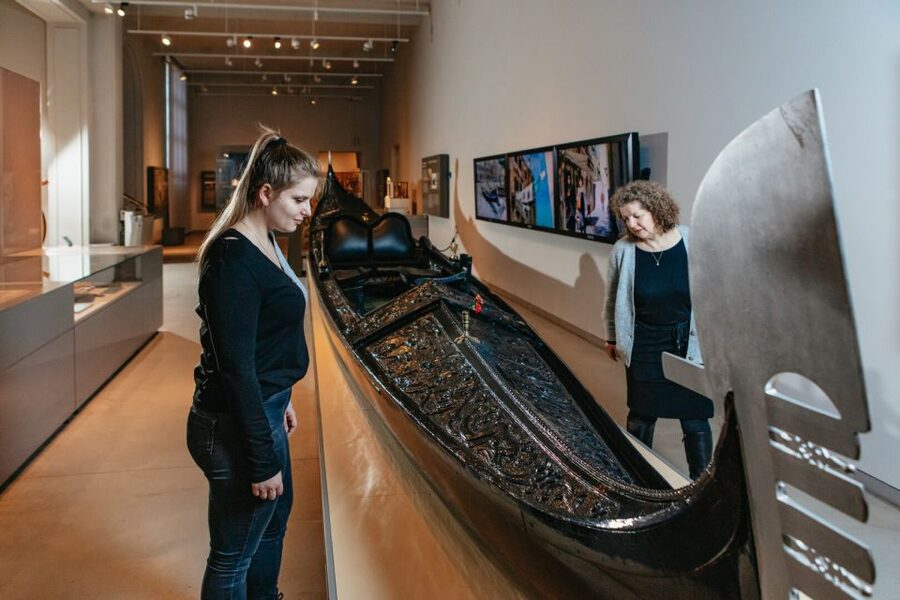
Europe’s everyday life makes the best museum story. At Berlin’s Museum Europäischer Kulturen, you’ll see how people across the continent have lived, worked, celebrated, dressed, eaten, and expressed themselves from the 18th century to today. I especially like the focus on ordinary cultural objects rather than only famous art, and I like how the museum connects older collections with current European issues. The main drawback is practical: backpacks are not allowed, and the museum is not suitable for wheelchair users.
The entry ticket costs $11 per person and is valid for one day. That is a fair price if you want a thoughtful indoor stop with both permanent and temporary exhibitions, though the museum may appeal more to people who enjoy ideas, social history, and careful observation than to anyone seeking a grand collection of famous masterpieces.
In This Review
- Key Points to Know Before You Go
- A Museum About How Europeans Live
- Starting With Cultural Contacts: Living in Europe
- From Arts and Crafts to Music and Food
- Historical Collections Meet Contemporary Questions
- Temporary Exhibitions Add a Fresh Reason to Visit
- How Long to Spend Inside
- Is $11 a Fair Price?
- Practical Limits: Bags, Masks, and Mobility
- Who Will Enjoy This Museum Most?
- Should You Book the Museum Europäischer Kulturen?
- FAQ
- What does the Museum Europäischer Kulturen ticket include?
- How long is the ticket valid?
- How much does admission cost?
- What time does the museum close?
- Are backpacks allowed inside?
- Is the museum suitable for wheelchair users?
Key Points to Know Before You Go
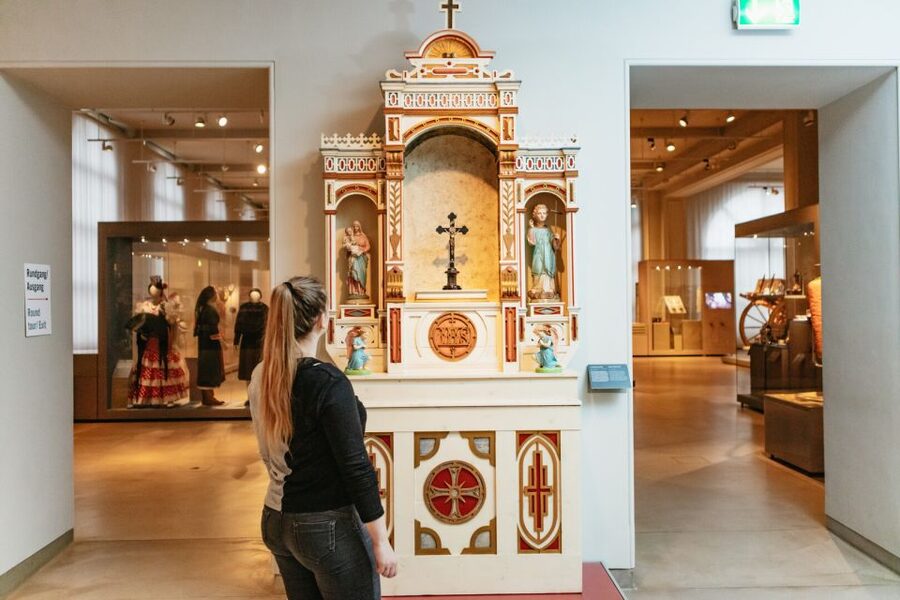
- Everyday Europe is the subject: Expect objects linked to arts and crafts, music, food, clothing, customs, and daily life.
- The permanent exhibition connects past and present: Cultural Contacts: Living in Europe examines how people and traditions meet across borders.
- Temporary exhibitions add variety: A previous show on fast and slow fashion received particular praise for its engaging subject.
- The ticket is simple and flexible: Your admission is valid for one day and includes the permanent exhibitions.
- Plan around closing time: The museum closes at 5:00 PM Tuesday through Friday and at 6:00 PM Saturday and Sunday.
- Pack lightly: Backpacks are not allowed, and the museum is not suitable for wheelchair users.
A Museum About How Europeans Live
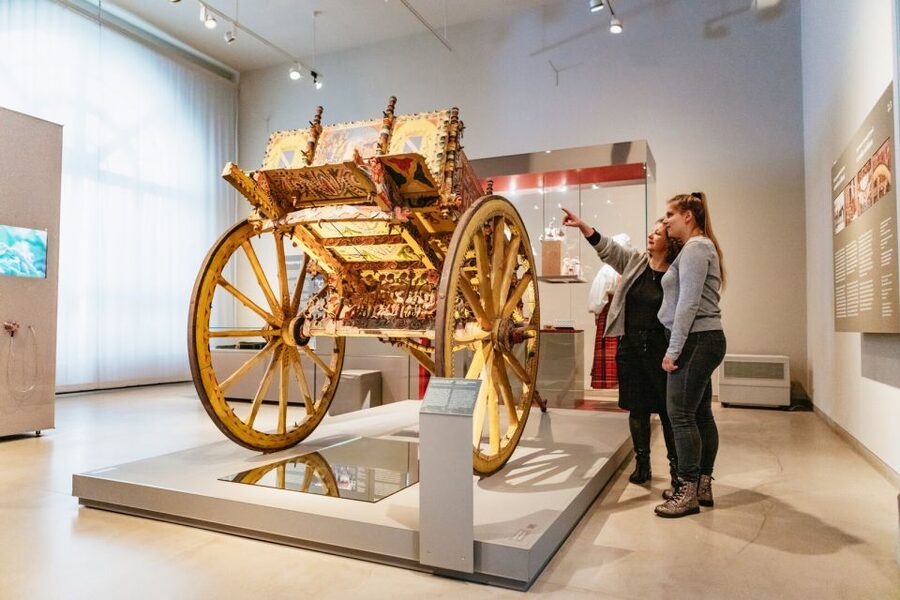
The Museum Europäischer Kulturen takes a broad view of European culture. Instead of presenting Europe as a set of isolated nations, it looks at the ways people and customs cross borders. That makes the visit useful if you want more than a country-by-country display of costumes and souvenirs.
You’ll encounter artifacts from the 18th century through the present day. Some may relate to household life, craft traditions, music, food, or personal dress. These subjects can sound modest on paper, but they often tell you more about real life than a formal portrait or royal object.
I like this approach because it gives you room to compare. One object may show a local tradition, while another points to a shared European habit. A group of items can reveal how materials, techniques, recipes, or styles moved between communities.
The museum also asks you to think about who decides what represents a culture. That question matters here. Europe is not one single tradition, and the collection reflects many different ways of living, making, celebrating, and remembering.
A few more Germany trips worth comparing
- Dresden: Semperoper Tickets and Guided Tour
★ 4.7 · 12,102 reviews - Berlin: Jewish Museum Berlin Entrance Ticket
★ 4.5 · 8,393 reviews - Berlin: Berlin Story Bunker Entry Ticket
★ 4.6 · 6,759 reviews
Starting With Cultural Contacts: Living in Europe
The permanent exhibition, Cultural Contacts: Living in Europe, is the main reason to visit. It presents selected material from the museum’s collections and research, with a focus on contact between people and cultures.
You can expect a mix of historical objects and material from contemporary life. The shift between the two is important. An older object may explain where a custom came from, while a modern object shows how that custom has changed or taken on a new meaning.
The exhibition’s title gives you a useful way to view the displays. Rather than asking only where an object originated, you are encouraged to consider how it traveled, who used it, and how contact with another community may have altered it.
That makes this more than a display of beautiful things. The items are evidence of exchange. They can show migration, trade, changing tastes, shared religious or seasonal customs, and the everyday ways people adapt to one another.
You should allow yourself time to read and compare. This is not the kind of museum where you rush from one famous object to the next. Its interest builds as you notice connections between pieces.
From Arts and Crafts to Music and Food
The collection reaches into several parts of daily life. Arts and crafts are central, but they are not the whole story. Music and culinary traditions also help explain how European communities express identity.
Craft objects can show local skill and practical need at the same time. A handmade item may have been created for use, ceremony, decoration, or a combination of all three. Looking closely at materials and design can help you understand what a community valued and what resources were available.
Music adds another layer. Musical traditions often cross national borders, changing as they move from one place to another. Even if you are not a specialist, you can appreciate the idea that sound, performance, and instruments help carry culture from one generation to the next.
Food is equally revealing. Recipes and eating habits are shaped by geography, trade, religion, family customs, and migration. The museum’s attention to culinary culture reminds you that European identity is often found in ordinary routines, not only in grand public events.
I appreciate the way these subjects bring the museum down to earth. You do not need a background in art history to find a familiar point of entry. Clothing, meals, music, and household objects are things you already understand from your own life.
Historical Collections Meet Contemporary Questions
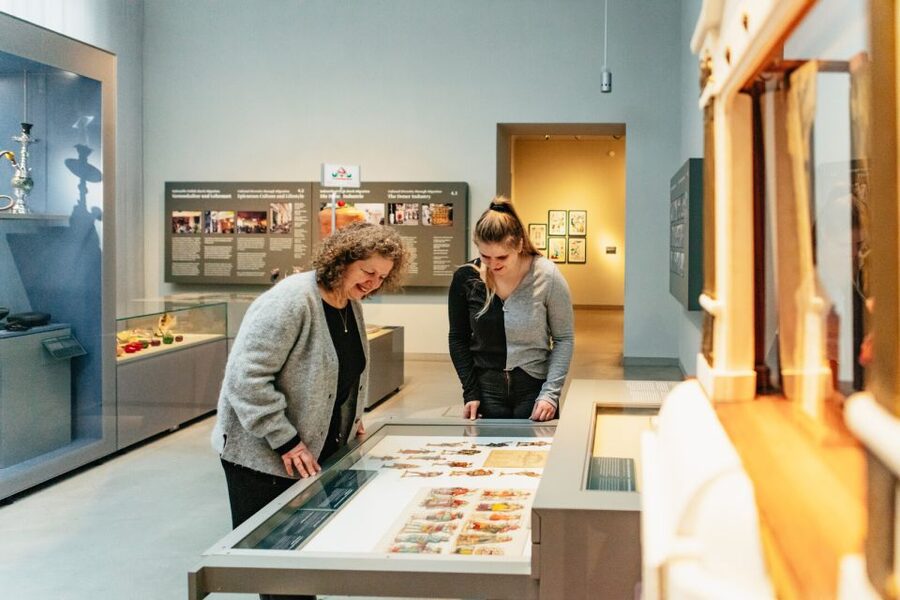
The museum begins with historic material, but it does not leave Europe in the past. Contemporary objects and current issues are part of the experience, giving the displays a modern point of reference.
This balance is one of the museum’s strongest features. Historical collections can feel distant if they are presented without a connection to life today. Here, the movement toward present-day material asks you to consider what has changed and what has stayed familiar.
The Contemporary Showcase, a public study connected with the museum’s research, contributes to this focus. It presents a look at current European life and helps explain how the museum studies culture as something living and changing.
That public element is valuable because it suggests that culture is not fixed inside a display case. New objects can become important records of their time. A modern item may say something about movement across borders, changes in fashion, social habits, or the way people see their own identity.
You may find the contemporary sections more challenging than the historical ones. They do not always offer a simple answer. Instead, they ask you to think about cultural contact as an ongoing process.
More Museums in Germany:
- Berlin: DDR Museum Tickets
★ 4.3 · 3,443 reviews - Berlin: Natural History Museum Entrance Ticket
★ 4.6 · 3,382 reviews - Berlin: Neues Museum Entry Ticket
★ 4.6 · 3,261 reviews - Cologne: Chocolate Museum Entrance Ticket
★ 4.4 · 2,790 reviews
Temporary Exhibitions Add a Fresh Reason to Visit
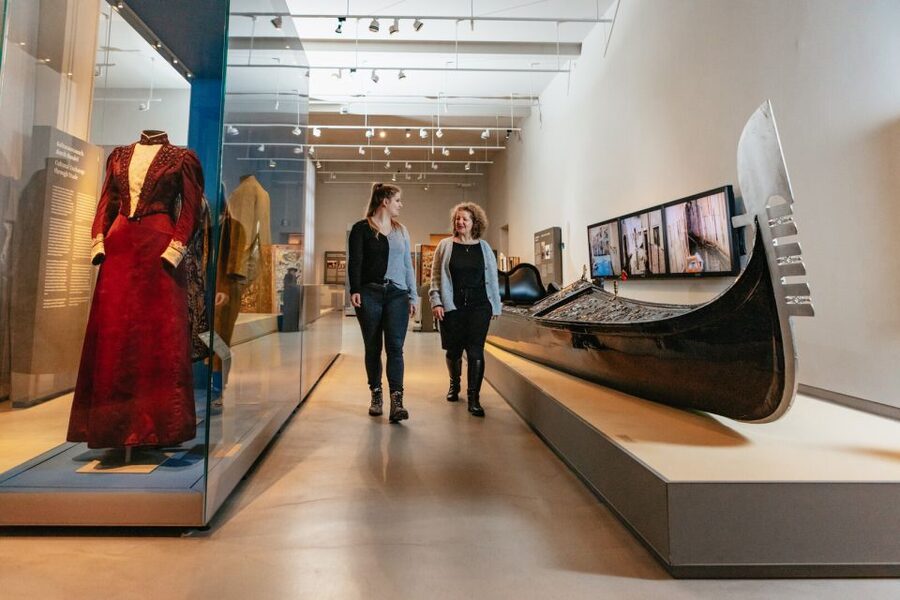
Your ticket includes the permanent exhibitions, while temporary exhibitions provide an additional reason to check what is on display during your visit. Their subjects can shift, so the experience will not be identical every time.
One particularly well-received temporary exhibition examined fast fashion and slow fashion. That subject fits the museum’s wider interest in everyday culture. Clothing is personal, social, economic, and environmental all at once, making it a useful way to discuss modern European life.
A fashion exhibition can also help you connect the past with the present. Older clothing traditions may be linked to local identity and skilled production, while modern fashion raises questions about speed, consumption, labor, and changing taste.
If a temporary exhibition is running when you visit, give it proper time instead of treating it as a quick extra. The museum’s current exhibitions may be where the most immediate questions about European culture appear.
The main caution is that temporary shows change. You should not book the museum expecting the fast versus slow fashion exhibition specifically. Treat it as an example of the type of focused subject the museum may present.
How Long to Spend Inside
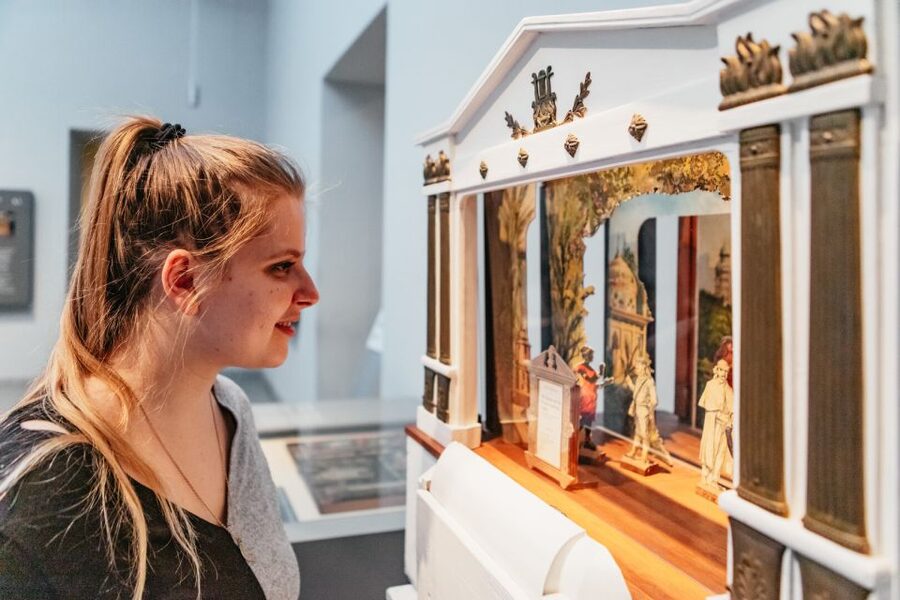
The ticket is valid for one day, but the supplied information does not set a required visit length or a fixed schedule of stops. You can shape the visit around your own pace.
For a short visit, concentrate on Cultural Contacts: Living in Europe and then look at the temporary exhibition. That gives you the museum’s central idea plus a current topic.
If you enjoy reading labels and comparing objects, plan for a slower visit. The material covers several centuries and many forms of cultural expression, so a quick walk-through may leave you with only a general impression.
The museum closes at 5:00 PM from Tuesday through Friday and at 6:00 PM on Saturday and Sunday. Those hours make an early or midday arrival the sensible choice. On a weekend, the extra hour gives you a little more breathing room, but I would still avoid arriving near closing time.
The ticket does not appear to offer an evening option. Check the available starting times before you book, especially if you are fitting the museum between other Berlin plans.
Is $11 a Fair Price?
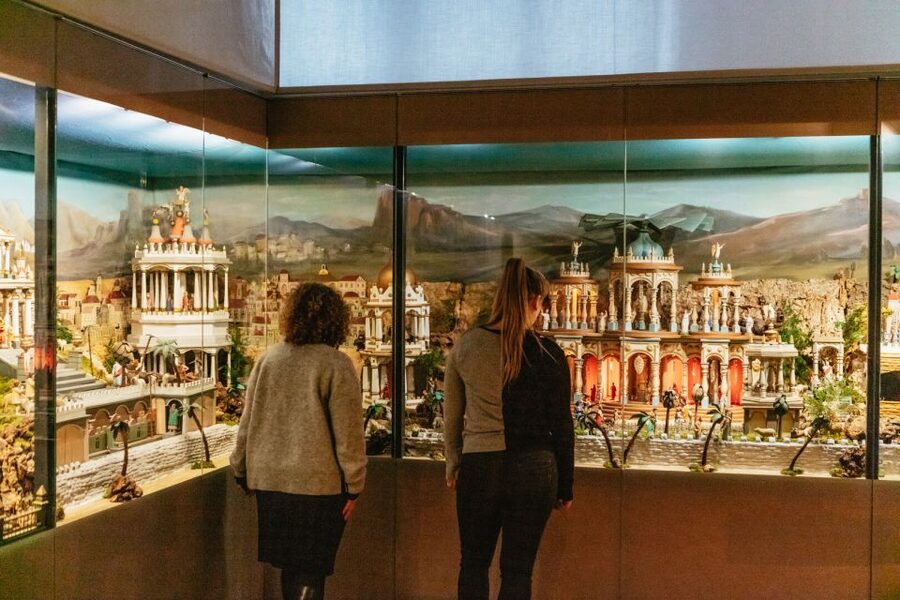
At $11 per person, the ticket offers solid value for a full day of access to the museum and its permanent exhibitions. You are paying for a focused cultural collection, not a large collection of famous paintings, so the value depends on what you want from Berlin.
I would call it a good buy if you enjoy social history, design, craft, music, food, and questions about identity. It is also a useful choice on a rainy day, when a museum that rewards careful looking can fill a few hours without rushing you.
The price is less attractive if you only want headline attractions or a quick parade of recognizable works. This museum asks you to bring curiosity. Its strongest objects may be ordinary rather than instantly dramatic.
A particularly good feature is the freedom of a one-day ticket. You are not tied to a short time slot inside the museum. You can take the visit at a calm pace and spend more time on the displays that speak to you.
Practical Limits: Bags, Masks, and Mobility
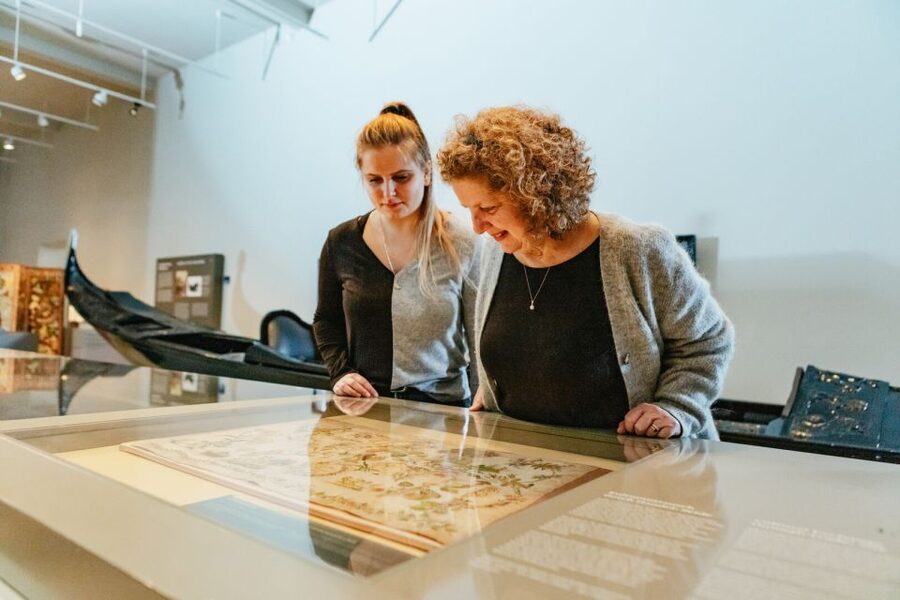
You cannot bring a backpack into the museum, so keep that in mind before setting out. The information provided does not explain storage arrangements, so avoid relying on a large bag and check the current rules before your visit.
Wearing a medical or FFP2 mask is recommended, but it is not mandatory. That gives you a choice while still encouraging an extra health precaution.
The museum is not suitable for wheelchair users. This is an important limitation, and anyone who requires wheelchair access should contact the provider or museum directly before purchasing.
The ticket is non-refundable, so make your plans carefully. Check the opening hours and starting-time availability before committing to the booking.
Who Will Enjoy This Museum Most?
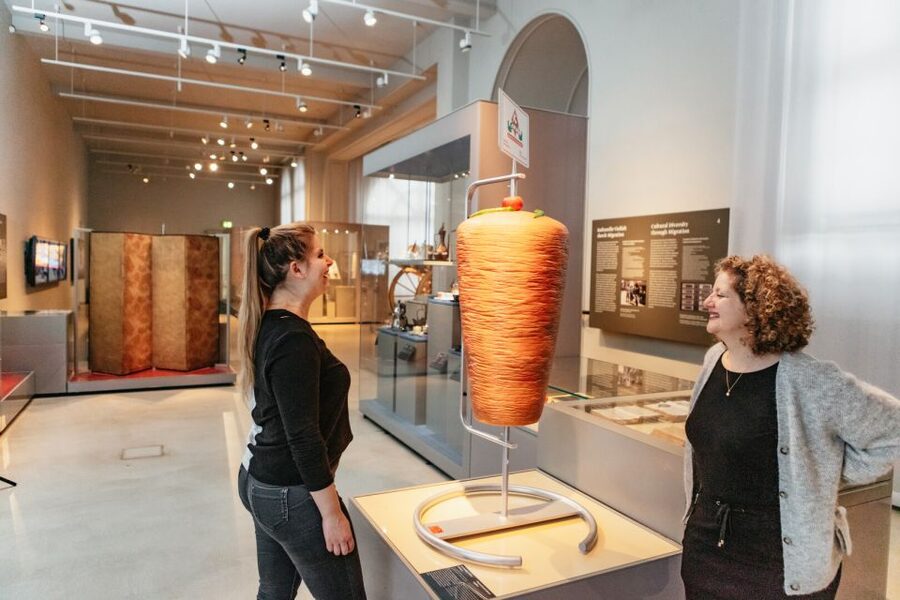
I would recommend this museum to you if you like seeing how culture works in daily life. It suits people who enjoy objects with social meaning, changing traditions, and the links between historic collections and present-day questions.
It is also a good choice for anyone who has already seen Berlin’s major art museums and wants a different angle on Europe. You will not simply be looking at elite art. You will be thinking about habits, materials, communities, and the movement of ideas.
Families may find familiar subjects in the displays, especially food, clothing, music, and household life, though the supplied information does not provide a specific children’s program. If you are visiting with children, expect to guide their attention toward the objects and explain the connections in your own words.
The museum may be less satisfying if you want a short, highly visual attraction with little reading. Its rewards come from comparison and context. Give it time, and the ordinary details begin to matter.
Should You Book the Museum Europäischer Kulturen?
Book it if you want a thoughtful look at European life from the 18th century to today, especially through everyday objects, craft, music, food, and clothing. The permanent exhibition, Cultural Contacts: Living in Europe, gives the visit a clear focus, while temporary exhibitions can add a timely subject such as fashion and consumption.
At $11, it is a sensible cultural stop for a half-day or longer visit. Just arrive early enough to enjoy the displays before closing, leave your backpack behind, and confirm that the accessibility arrangements work for you.
FAQ
What does the Museum Europäischer Kulturen ticket include?
The ticket includes entrance to the museum and its permanent exhibitions.
How long is the ticket valid?
The ticket is valid for one day.
How much does admission cost?
Admission costs $11 per person.
What time does the museum close?
The museum closes at 5:00 PM Tuesday through Friday, and at 6:00 PM Saturday and Sunday.
Are backpacks allowed inside?
No. Backpacks are not allowed.
Is the museum suitable for wheelchair users?
No. The experience is listed as not suitable for wheelchair users.
Just added around Germany
- Private Walking Tour in Berlin: Hitler’s Germany & WWII★ 5.0 · 7 reviews
- The History of Berlin: WWII PRIVATE Walking Tour With Locals★ 5.0 · 209 reviews
- Berlin: Private Bike Tour of the Berlin Wall and Third Reich★ 5.0 · 23 reviews
- Private Berlin WWII and Cold War History Tour with Local Expert Guide★ 5.0 · 28 reviews
- Private Walking Tour Berlin 3 hours: Brandenburg, Historic Center★ 5.0 · 7 reviews
- Berlin: Guided Private Bike Tour to Explore the Highlights★ 5.0 · 12 reviews
- Berlin Photography Masterclass – Private Photography Lesson★ 4.5 · 23 reviews
- Group Driving Tour 1 to 6 people. Berlin Shore Excursion incl pick-up at Port★ 5.0 · 8 reviews
Museums, compared.


Skip-the-Line: Berlin Wall Museum at Checkpoint Charlie
Read our review →
Browse the lists this tour appears in