
Reviewed · MUSEUMS
Berlin Museum of Photography Entry Ticket
Photography rewards patient looking. Berlin’s Museum of Photography brings together images from the 19th century to today, with a useful mix of historical material, artistic work, postcards, and personal archives. I like that the museum gives you more than a wall of famous pictures. It shows how photography changed, and how people used it.
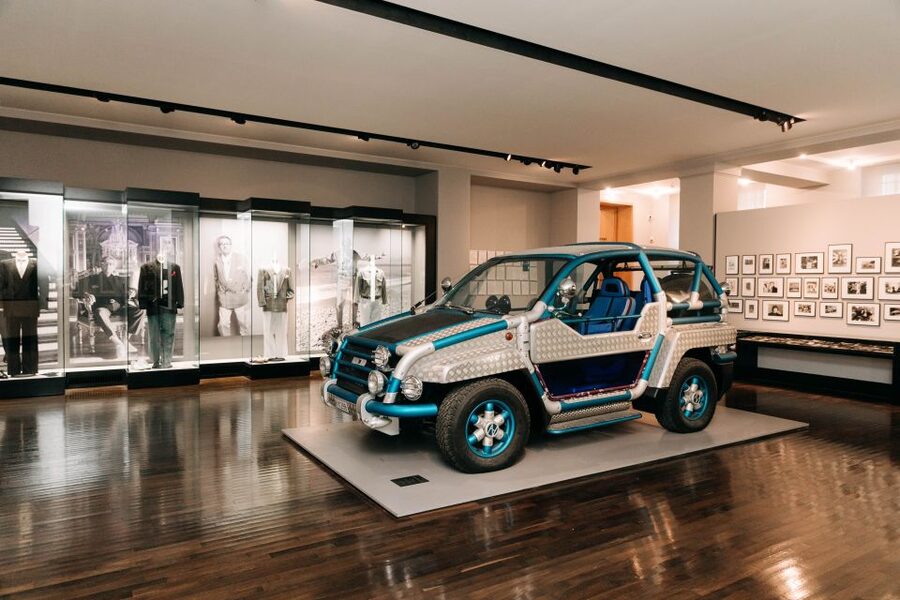
I especially like the five-part collection, which includes early photographs, artistic photography, photogrammetric holdings, and historical postcards. The permanent Helmut Newton exhibition is another strong reason to come, with his cameras, art collection, Newton-mobile, and personal artifacts. The main drawback is that this is a museum visit rather than a guided experience, so you need to make your own route and pace. The ticket is also non-refundable, and temporary exhibitions can change.
In This Review
- Key points to know before you go
- What the $14 ticket gives you
- Entering the museum and finding your own pace
- From early photography to modern images
- Five collection areas with five different purposes
- Helmut Newton’s Berlin connection
- Temporary exhibitions such as Body Performance
- Practical rules that affect your visit
- How long should you spend inside?
- Who will enjoy this museum most?
- Should you book the Berlin Museum of Photography?
- FAQ
- Where is the Museum of Photography experience located?
- How much does admission cost?
- How long is the ticket valid?
- Is a guided tour included?
- What does the ticket include?
- Is the museum wheelchair accessible?
- Can I bring a backpack?
- Can I bring food or drinks?
- Can I bring a large suitcase or oversize luggage?
- Are masks required?
- Can I wear a heavy coat inside the exhibitions?
- What happens if I need to cancel?
Key points to know before you go
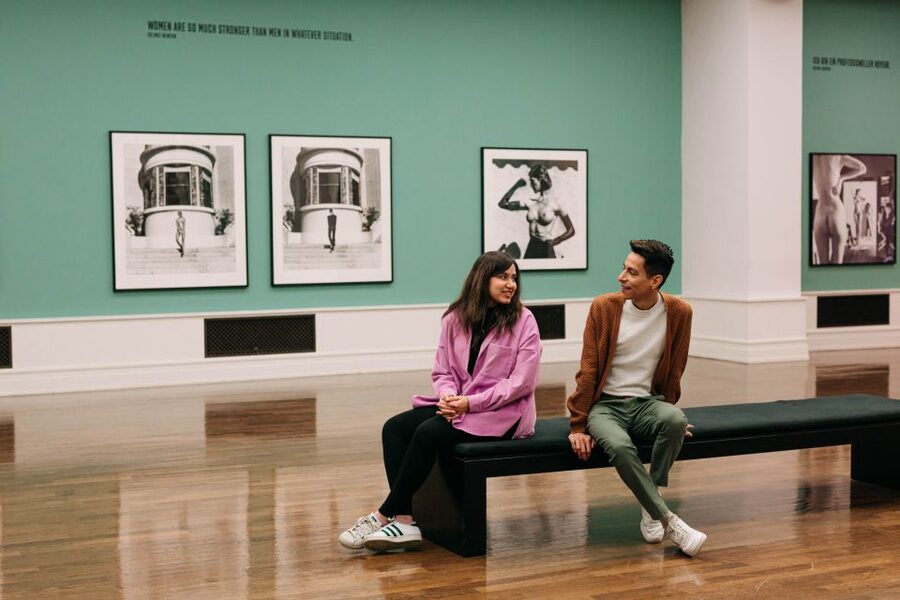
- Five sections cover photography from the 19th century to today, giving you a broad look at both the medium and its uses.
- Helmut Newton’s permanent exhibition includes his cameras, art collection, Newton-mobile, and other objects from his life.
- Temporary exhibitions add a changing reason to return, with Body Performance and Post-War Modern Photography among the listed displays.
- The $14 ticket is valid for one day, so you can take your time instead of rushing through every room.
- Go directly to the museum entrance, with no separate meeting point or transport arrangement.
- Plan for a light visit, since backpacks, oversize luggage, food, drinks, heavy coats, and wet clothing are not allowed in the exhibition areas.
What the $14 ticket gives you
The entry price is $14 per person, including the booking fee. That is a reasonable cost if you enjoy photography and expect to spend enough time with the material. You are paying for access to several parts of the museum rather than one small display.
The ticket is valid for one day. The available start times depend on the date you choose, so check the time options before booking. Since the activity ends back at the museum entrance, you can plan the rest of your day around it without arranging a return transfer.
I see the best value here for visitors who want choice. You can focus on Helmut Newton, spend longer with early photography, or give the temporary exhibitions most of your attention. If you only want a quick look at one famous photographer, the price may feel less worthwhile unless Newton is a major interest.
The 4.5 rating from 88 reviews suggests that the museum works well for many people, but the score is not a promise of instant delight. One short 1-star response said the experience was different from what the visitor expected. That is useful warning: this is a serious museum collection, not a theatrical attraction or a fast-moving sightseeing stop.
A few more Germany trips worth comparing
- Dresden: Semperoper Tickets and Guided Tour
★ 4.7 · 12,102 reviews - Berlin: Jewish Museum Berlin Entrance Ticket
★ 4.5 · 8,393 reviews - Berlin: Berlin Story Bunker Entry Ticket
★ 4.6 · 6,759 reviews
Entering the museum and finding your own pace
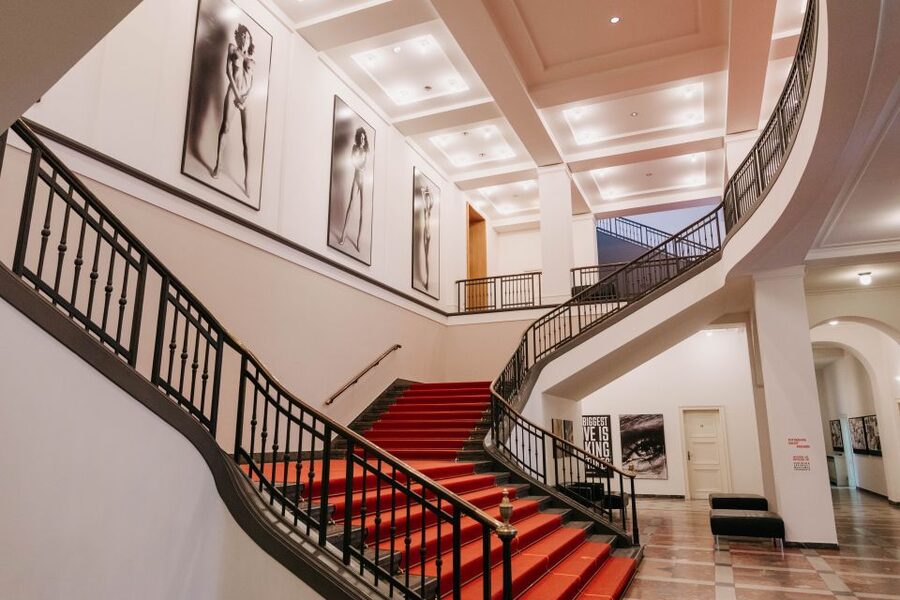
You go directly to the museum entrance. There is no guide, group meeting, or included tour to organize, which keeps the visit simple. Show your ticket at the entrance and then set your own rhythm inside.
That freedom matters in a photography museum. Some pictures deserve only a quick glance, while others need time. You might pass rapidly through familiar historical material and then stop for several minutes with a single portrait, fashion image, or documentary photograph.
The museum opened in 2004 and is arranged around five main parts of its holdings. The organization gives your visit a clear framework, even though the experience is self-guided. You are not simply moving through a random stack of photographs. You are seeing different ways photography has been collected, stored, used, and valued.
Allow yourself room to change plans. If a temporary display catches your attention, you can spend more time there and shorten the historical sections. If you are visiting with someone who prefers different subjects, the one-day ticket lets you avoid the pressure to keep moving together.
From early photography to modern images
The historical material reaches from the 19th century to the present day. That long span is one of the museum’s strongest features because it lets you compare early photographic work with images shaped by modern culture and current events.
The earliest photographs can feel unfamiliar in their look and purpose. They show a period when photography was still finding its place, both as a technical process and as a way to record people, places, and events. Later works show photography becoming more personal, artistic, commercial, and public.
I like this broad time range because it prevents the visit from becoming only a lesson in famous names. You can look at changes in style, subject, and use. A photograph may be valued for its artistic qualities, its record of a moment, or the story of how it was made and preserved.
The collection also includes images that reflect current events. That gives the museum a link to the present rather than treating photography as an old-fashioned art form. You can see the medium as both an archive of the past and a way of responding to the world now.
Do not expect every section to offer the same kind of visual pleasure. Historical photographs may feel more formal, while modern work can be more open to interpretation. That variety is part of the point, but it can also make the visit feel uneven if you prefer only one style.
Five collection areas with five different purposes
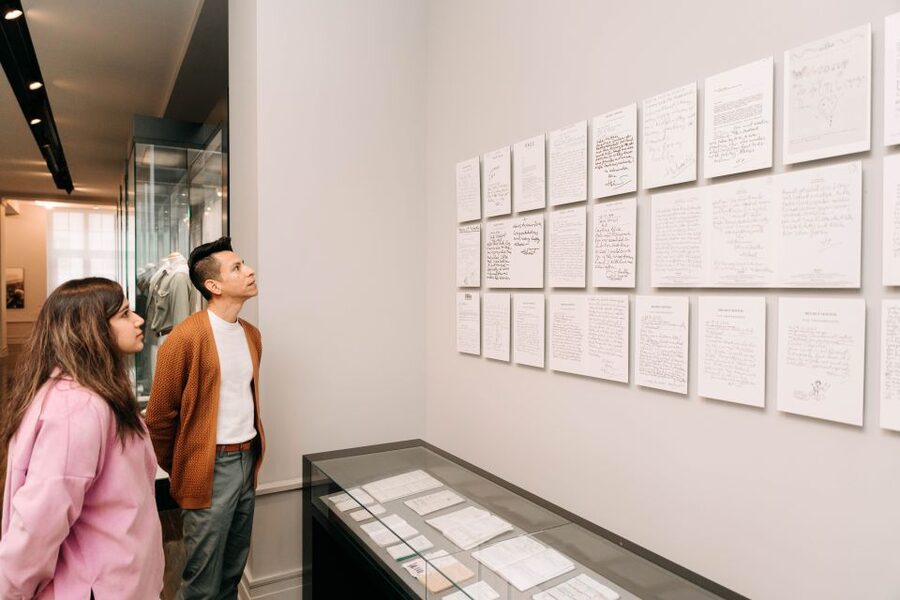
The museum’s photographic archive is likely to appeal to anyone interested in how images are gathered and preserved. It places photographs within a larger record rather than presenting each one as an isolated object.
The collection of artistic photography offers a different focus. Here, you can give more attention to composition, style, subject, and the photographer’s creative choices. This is the area to linger if you enjoy photography as art rather than mainly as historical evidence.
The personal archive adds another layer. Personal papers, objects, and working material can help you think about the person behind the camera. Photography is not only the final print. It also includes the working life, habits, equipment, and decisions that shaped the image.
The photogrammetric holdings sound more technical and may interest you most if you want to understand photography’s measuring and recording functions. The museum’s five-part structure is useful because it shows that photographs can serve art, memory, documentation, science, and everyday communication.
Historical postcards provide a more familiar and accessible entry point. Postcards connect photography with ordinary correspondence and public images. They can be especially appealing if you enjoy small details of daily life, places, and visual culture.
You will not necessarily love every section equally. That is normal. The strength of the museum is the range, not a single uniform mood.
More Museums in Germany:
- Berlin: DDR Museum Tickets
★ 4.3 · 3,443 reviews - Berlin: Natural History Museum Entrance Ticket
★ 4.6 · 3,382 reviews - Berlin: Neues Museum Entry Ticket
★ 4.6 · 3,261 reviews - Cologne: Chocolate Museum Entrance Ticket
★ 4.4 · 2,790 reviews
Helmut Newton’s Berlin connection
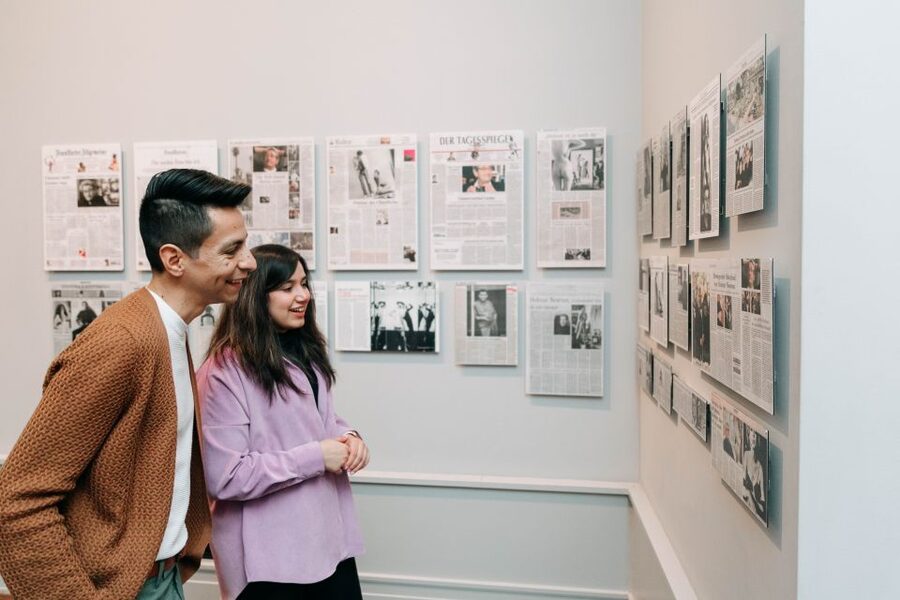
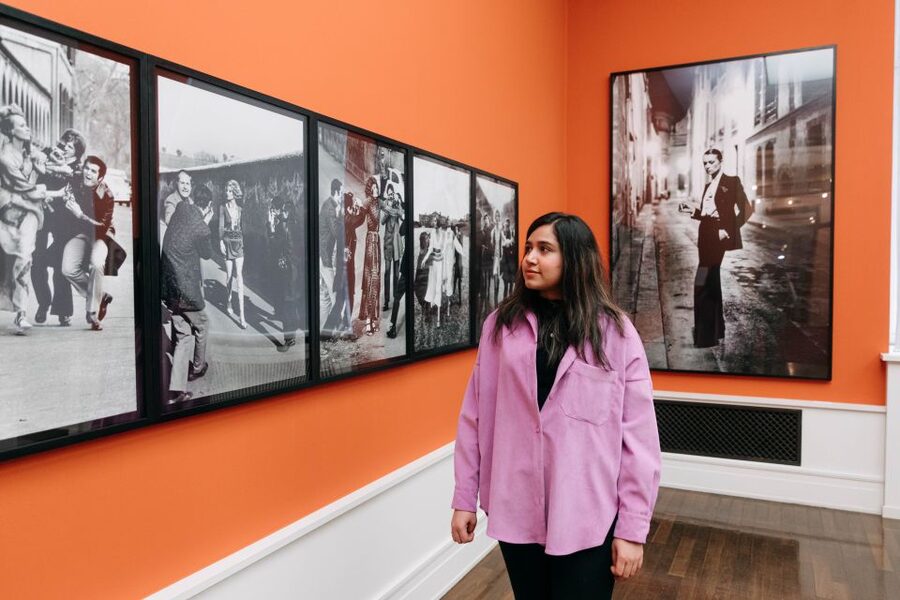
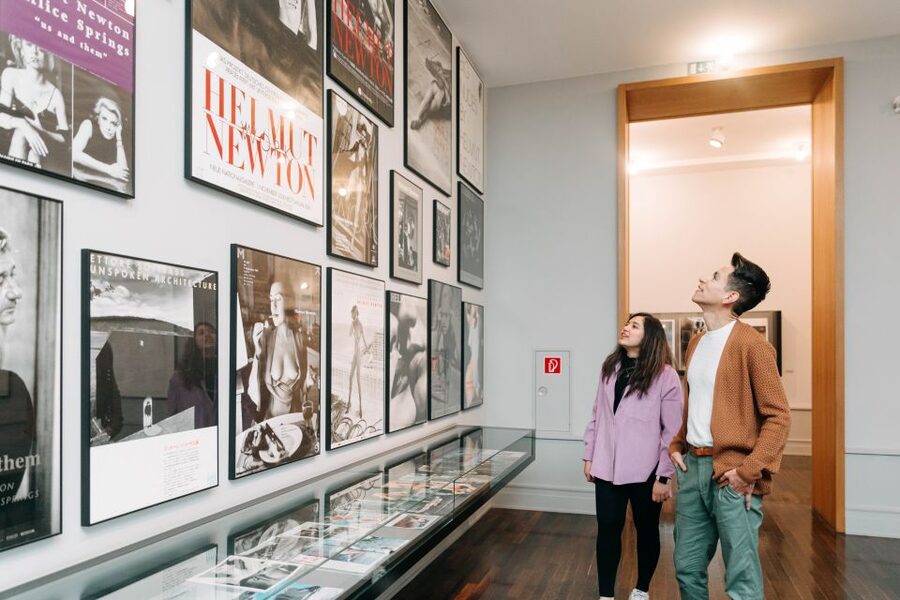
The permanent Helmut Newton exhibition is the clearest draw for many visitors. Newton was born in Berlin and became an iconic fashion photographer, known for provocative images that often challenged polite ideas about glamour, power, and the human body.
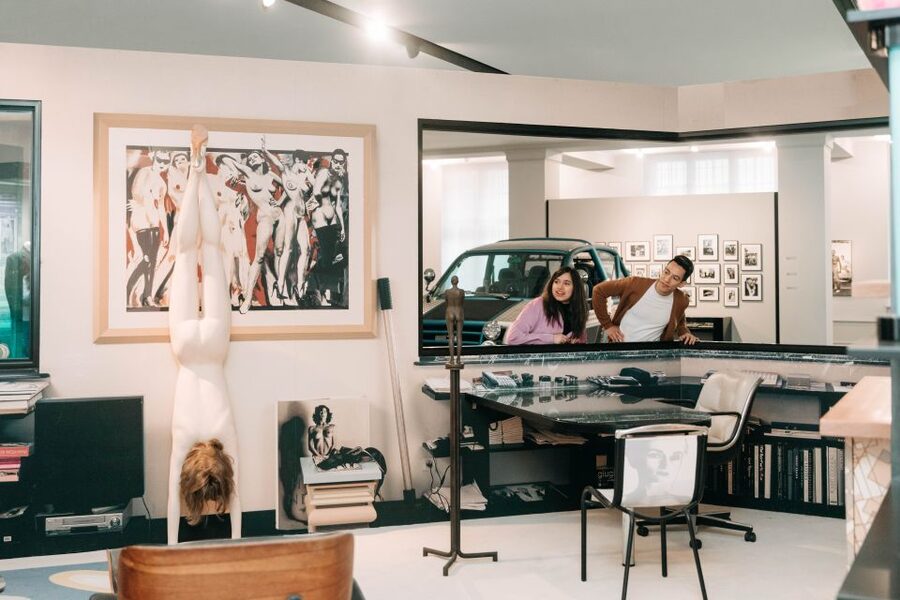
The display includes his cameras, his art collection, the famous Newton-mobile, and other artifacts from his life. These objects change the way you look at the photographs. Instead of seeing only finished fashion images, you also get reminders of the tools, tastes, and working world behind them.
I like the presence of the equipment and personal objects because photography can seem almost magical when you see only the final print. A camera makes the process more tangible. An art collection can also suggest the visual influences and interests that shaped a photographer’s eye.
Newton’s work will not suit everyone. His fashion photography can be provocative, and some images may feel confrontational or dated depending on your taste. That is worth knowing before you enter. You are not visiting a gentle display of neutral portraits.
For fans of fashion photography, the Newton section may justify the ticket on its own. For others, it works best as one part of a larger museum visit. You can see how his work differs from the historical archive, the artistic photography collection, and the temporary displays.
Temporary exhibitions such as Body Performance
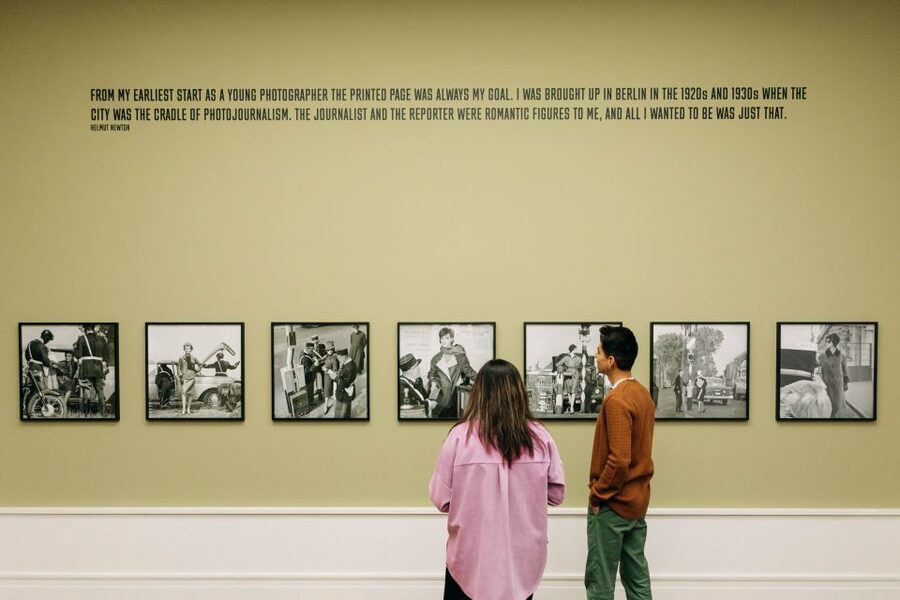
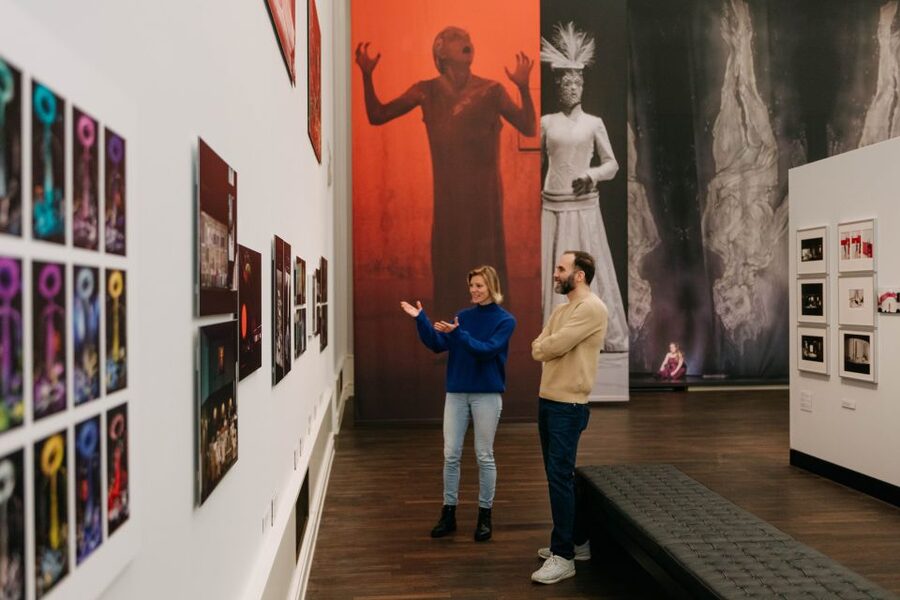
Temporary exhibitions give the museum a changing side. Body Performance and Post-War Modern Photography are listed among the current displays, though exhibition schedules can change, so check what is showing for your chosen date.
Body Performance suggests a focus on the body as a subject, image, and form of expression. That can create a useful link with Newton’s fashion work, while also moving beyond fashion into broader questions about movement, identity, and presentation. The exact experience depends on the works on display.
Post-War Modern Photography offers a look at photography after the Second World War, a period when artists and photographers explored new styles and ideas. It gives you another way to connect the museum’s historical collections with modern photographic practice.
Temporary shows are one reason to return to a museum you have already visited. They also help first-time visitors avoid seeing the institution as only a Helmut Newton stop. If you are mainly interested in one named exhibition, confirm that it is available when you book.
The changing program is also the biggest source of uncertainty. The permanent material provides a dependable reason to visit, while the temporary material may vary. Keep your expectations flexible and treat the named exhibitions as part of the current program rather than a permanent promise.
Practical rules that affect your visit
The museum is wheelchair accessible, which is important for visitors who need an accessible cultural stop in Berlin. You should still follow the museum staff’s instructions throughout the visit.
Backpacks are not allowed, and oversize luggage cannot enter. Food and drinks are also prohibited in the exhibitions. Pack light and avoid arriving with a large bag if you want a smooth entry.
Heavy jackets and coats, as well as wet clothing, may not be taken into the exhibition areas for conservation reasons. This matters in cold or rainy weather. You may need to allow extra time to deal with outerwear before you start looking at the displays.
A medical or FFP2 mask is recommended but not mandatory. Museum rules can change, so follow the instructions provided by staff on the day.
These restrictions may feel inconvenient, especially if you are carrying luggage between trains or hotels. The practical answer is simple: visit with only what you need for the museum. This is not the place to arrive with a suitcase, a large daypack, and a takeaway coffee.
How long should you spend inside?
The ticket is valid for one day, but no fixed visit length is provided. That gives you freedom, though it also means you need to judge your own attention span.
A short visit could focus on Helmut Newton and a temporary exhibition. A longer visit would let you compare all five collection areas and return to photographs that first caught your eye. Photography rewards a slower pace, but not every visitor wants to spend a full day indoors with images.
I would avoid scheduling this as a rushed stop between several major sights. The museum contains material from two centuries, plus modern work and personal artifacts. You will get more from it if you give yourself unhurried time.
At the same time, you do not need to force yourself through every section. If your interest is fashion, concentrate on Newton and the relevant temporary display. If you prefer social history, early photographs, postcards, and images connected to current events may hold your attention longer.
Who will enjoy this museum most?
I recommend the museum to:
- People who enjoy photography as art and historical evidence
- Helmut Newton and fashion photography fans
- Visitors interested in Berlin-born artists
- Anyone who likes museums with both permanent and changing displays
- Independent visitors who prefer choosing their own pace
- Visitors looking for a wheelchair-accessible museum activity
Families and mixed-interest groups may also find enough variety here, but the self-guided format means everyone needs to find their own points of interest. Younger children may enjoy the visual material, though the ticket information does not promise child-focused activities or interpretation.
You may want to skip it if you prefer interactive exhibits, a guide explaining each room, or a quick attraction with a fixed route. The museum asks you to look carefully and make your own connections.
Should you book the Berlin Museum of Photography?
Book it if you want a serious, flexible look at photography from the 19th century to today, especially if Helmut Newton interests you. The $14 price is fair for access to several collection areas, a permanent Newton display, and changing exhibitions, provided you give the museum enough time.
I would be cautious if your schedule is tight, you are carrying luggage, or you expect only a famous-photographer showcase. The museum is broader and more varied than that. Check the temporary exhibition schedule, travel light, and plan for a self-guided visit with no refunds if your plans change.
FAQ
Where is the Museum of Photography experience located?
The experience is in Berlin, Germany. You should go directly to the entrance of the museum.
How much does admission cost?
The ticket costs $14 per person. The booking fee is included.
How long is the ticket valid?
The ticket is valid for one day. Check availability for the starting times offered on your chosen date.
Is a guided tour included?
No guided tour is specified. The activity provides entrance to the museum, so you explore the displays independently.
What does the ticket include?
The ticket includes the entrance fee and booking fee.
Is the museum wheelchair accessible?
Yes, the activity is wheelchair accessible.
Can I bring a backpack?
No. Backpacks are not allowed inside the exhibition areas.
Can I bring food or drinks?
No. Food and drinks are not allowed in the museum exhibitions.
Can I bring a large suitcase or oversize luggage?
No. Oversize luggage is not allowed.
Are masks required?
No. Wearing a medical or FFP2 mask is recommended, but it is not mandatory.
Can I wear a heavy coat inside the exhibitions?
Heavy jackets and coats, along with wet clothing, may not be taken into the exhibition areas for conservation reasons.
What happens if I need to cancel?
The activity is non-refundable, so check your plans carefully before booking.
More Photo Walks in Germany
- Hamburg: Private Couples’ Photoshoot and Walking Tour
★ 4.9 · 212 reviews - Berlin: Fotografiska Photography Exhibition Ticket
★ 4.6 · 168 reviews - Munich: Magic Bavaria – Museum of Fun, Photos and Illusions
★ 4.3 · 133 reviews - 5hours: Guide, Chauffeur & Photographer in Berlin private Tour
★ 5.0 · 66 reviews
Just added around Germany
- Private Walking Tour in Berlin: Hitler’s Germany & WWII★ 5.0 · 7 reviews
- The History of Berlin: WWII PRIVATE Walking Tour With Locals★ 5.0 · 209 reviews
- Private Berlin WWII and Cold War History Tour with Local Expert Guide★ 5.0 · 28 reviews
- Private Walking Tour Berlin 3 hours: Brandenburg, Historic Center★ 5.0 · 7 reviews
- Berlin: Private Bike Tour of the Berlin Wall and Third Reich★ 5.0 · 23 reviews
- Berlin: Guided Private Bike Tour to Explore the Highlights★ 5.0 · 12 reviews
- Berlin Photography Masterclass – Private Photography Lesson★ 4.5 · 23 reviews
- Group Driving Tour 1 to 6 people. Berlin Shore Excursion incl pick-up at Port★ 5.0 · 8 reviews
Museums, compared.
Skip-the-Line: Berlin Wall Museum at Checkpoint Charlie
Read our review →
Browse the lists this tour appears in