
Reviewed · COLD WAR TOURS
Berlin: The Wall and Cold War – a Private Walking Tour
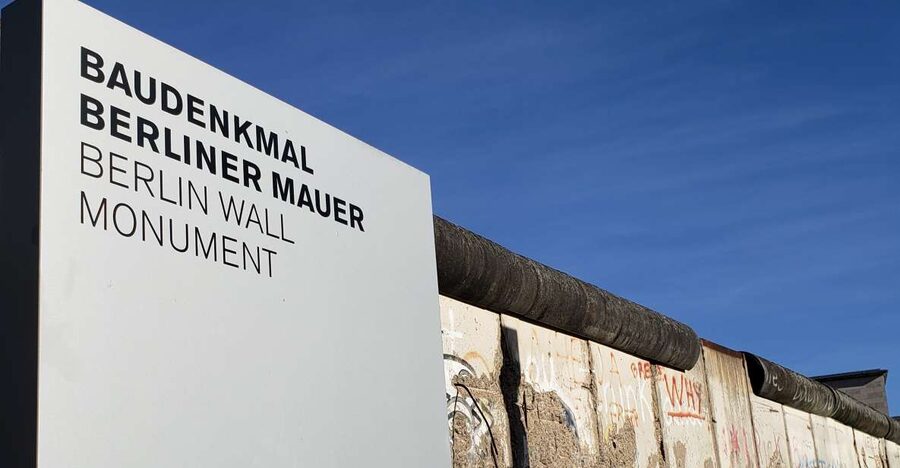
Berlin’s divided past is still under your feet. This two-hour private walk follows the former border from Bernauer Strasse into central Berlin, turning scattered Wall remains into a clear story about fear, escape, and everyday life. I especially like the small private format and the way the route links physical sites with personal accounts.
I also like that the tour does more than stop at famous photo points. You visit the Palace of Tears, hear about escape attempts, and may view the former death strip from above if the platform is open. Guides Stephanie and Stefan have earned particular praise for warm, engaging storytelling, though a two-hour tour can only introduce the subject rather than cover every corner of Berlin’s Cold War past.
In This Review
- Key points at a glance
- Why this two-hour route works
- Starting at Bernauer Strasse
- Following the former border into central Berlin
- The Palace of Tears and the human cost of crossing
- Seeing the former death strip from above
- Finishing at Checkpoint Charlie
- What the $22 price really gives you
- Who will get the most from this walk
- Simple tips for a better experience
- Should you book the Berlin Wall and Cold War tour?
- FAQ
- Where does the tour begin?
- Where does the tour finish?
- How long does the walking tour last?
- What is included in the price?
- Is this a private group experience?
- Which languages are available?
- Will I visit the Berlin Wall?
- Is the Palace of Tears included?
- Can I see the former death strip?
- Is the tour wheelchair accessible?
- Can I cancel the booking?
- Do I have to pay when I reserve?
Key points at a glance
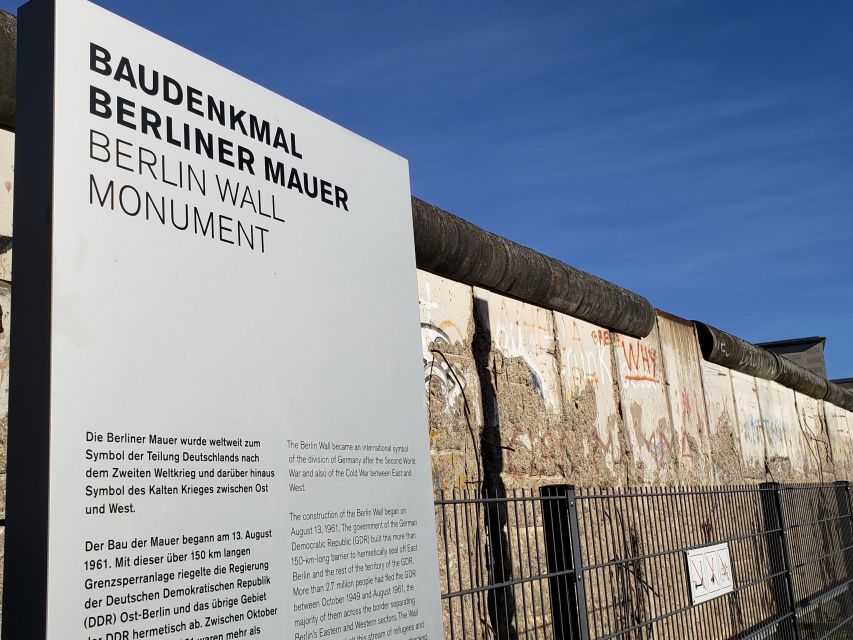
- Starts at Bernauer Strasse: Begin beside one of Berlin’s strongest surviving sections of Wall-related memorials and documentation.
- Follows the former border: The route connects northern Wall sites with the central city instead of treating each stop as an isolated monument.
- Private guide, private group: You can ask questions and set the pace more easily than on a large group walk.
- Palace of Tears included: Enter a former border crossing where departures between East and West carried a painful personal cost.
- Death strip viewing platform: If open, the platform gives you a useful view of the barrier system and the space between its defenses.
- Ends at Checkpoint Charlie: Finish at Berlin’s best-known former crossing point, a convenient central location for continuing your day.
Why this two-hour route works
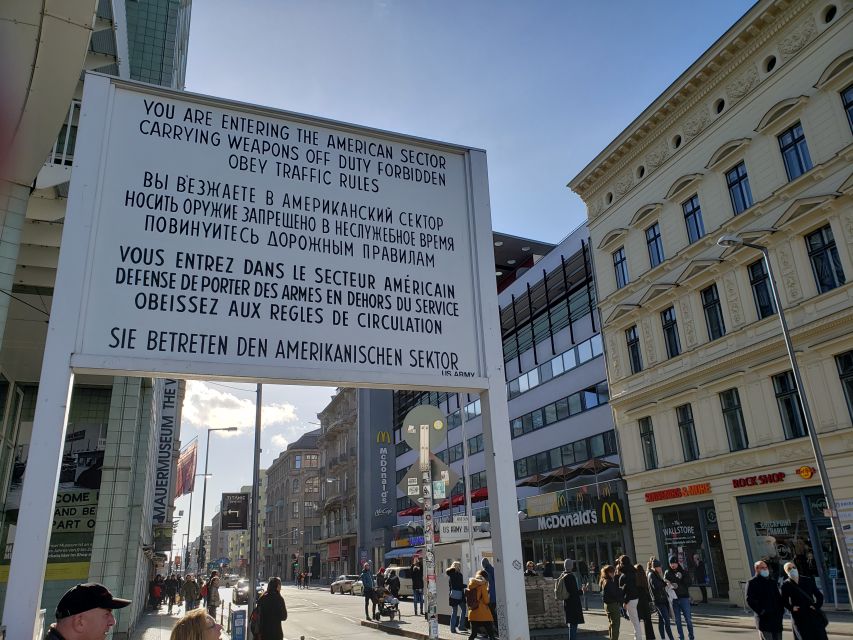
Berlin’s Cold War story can feel scattered. A piece of Wall appears beside an apartment block, a watchtower stands near a busy road, and a famous border crossing sits among modern shops and restaurants. Without context, these places can seem like disconnected sights.
This walking tour gives them a sequence. You begin at Bernauer Strasse, where the Wall’s construction caused especially sharp disruption to homes and families, then follow the former border toward central Berlin. Along the way, your guide explains how the Wall was built, how the divided city functioned, and how people tried to escape.
I like this approach because the Wall was never just a concrete barrier. It cut through streets, separated neighbors, disrupted transport, and turned ordinary decisions into political ones. A guide can point out what changed and explain why a particular stretch mattered.
The private format adds real value. At $22 per person, the price is modest for a two-hour guided experience, especially if you are splitting the cost with others in your own group. You are not simply paying for a walk between monuments. You are paying for interpretation, questions, and a route that would be harder to understand on your own.
The tradeoff is time. Two hours is enough for a focused introduction, but not enough for a full study of Berlin’s postwar division, the Soviet occupation zone, the East German state, the airlift, the Wall’s fall, and reunification. Think of this as a strong first lesson, not the final word.
More Walking Tours in Berlin
- Discover Berlin Half-Day Walking Tour
★ 5.0 · 9,624 reviews - Berlin: Third Reich and Cold War 2 Hour Walking Tour
★ 4.9 · 6,830 reviews - Berlin: Discover Berlin Walking Tour
★ 4.9 · 5,998 reviews
Starting at Bernauer Strasse
Meet your guide upstairs at the U Bernauer Straße underground station, at the exit marked Bernauer Strasse. Look for a sign with your name. This detail matters because the station has more than one possible exit, and meeting at the correct one saves time on a short tour.
Bernauer Strasse is a fitting starting point. The street became one of the clearest examples of how the Wall tore through an existing neighborhood. The border did not simply appear at the edge of the city. It affected buildings, doorways, sidewalks, and the daily movements of people who lived there.
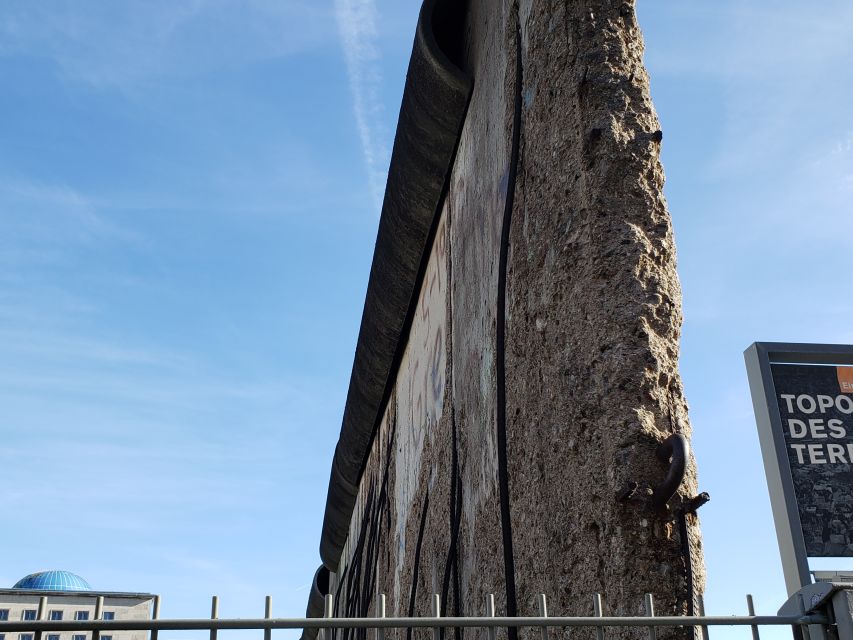
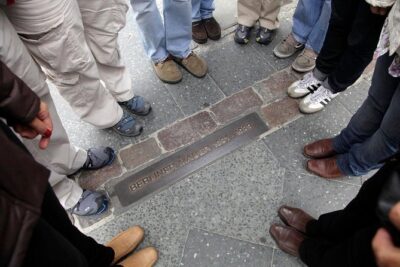
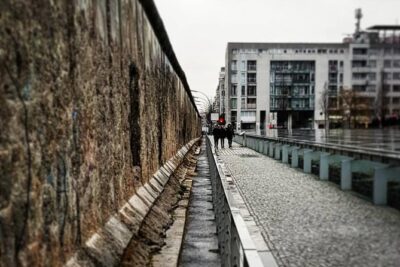
Today, the area functions as an open-air documentation museum. You can expect your guide to use the surviving structures and memorial displays to explain the Wall’s construction and the former border zone. The setting helps you picture the difference between a normal street and a heavily controlled frontier.
This is also where the tour begins to feel personal. Stories about Berlin residents make the political history easier to grasp. Instead of hearing only about governments and official decisions, you hear how divided life affected families, neighbors, workers, and people who wanted to cross.
Allow a little extra time to reach the meeting point. The tour has a fixed two-hour window, and arriving late could mean missing the introduction or having to contact the local partner by phone. The voucher provides a number for that situation.
Following the former border into central Berlin
After Bernauer Strasse, the walk follows the old borderline through Berlin. That route is one of the best features of the experience because it gives you a sense of distance and direction.
You are not just moving from one attraction to another. You are tracing where the border once ran and seeing how the city has changed around it. The guide can connect surviving Wall sections with the broader route, helping you understand how the barrier divided districts and interrupted normal city life.
The most useful part may be the discussion of daily routines. Berliners in the divided city faced restrictions that affected work, family visits, shopping, transport, and social contact. A short walking route cannot cover every detail, but personal stories give the subject a human scale.
The guides appear to be strongest when telling these stories. Stephanie has been praised for authentic storytelling and a friendly manner, while Stefan has been praised for guiding a group through both the Cold War and its meaning for divided Berlin. Those comments suggest that the experience depends heavily on who leads it, as any private walking tour does.
The language choice is German or English. One especially useful feature is the possibility of switching between both languages for a mixed group. A German-speaking guide was able to explain the subject in English for Canadian friends and German for children, which could make this tour a practical choice for families or groups with different language needs.
The Palace of Tears and the human cost of crossing
The tour includes a guided visit to the Tränenpalast, or Palace of Tears. This former border crossing station is one of the most emotionally direct places on the route.
The name refers to the farewells that took place there. For people leaving East Berlin or East Germany, a border crossing could mean saying goodbye to family and friends without knowing when another meeting would be possible. The building gives the political division a setting tied to real departures and strained reunions.
I value this stop because it shows that border control was not only about walls, guards, and escape attempts. It also shaped private life. A crossing station could be a place where people faced paperwork, inspection, uncertainty, and painful goodbyes.
As a guided stop, the Palace of Tears also breaks up the outdoor walking. You get a chance to focus on one particular border station rather than taking in another view from a pavement. The tour data does not specify how long you spend inside or which displays are included, so you should think of it as a focused guided visit rather than a full museum afternoon.
If you have limited time in Berlin, this stop is particularly useful. It gives you an indoor historical site with a clear theme, while Bernauer Strasse provides the open-air setting and Checkpoint Charlie provides the famous central endpoint.
More Cold War tours in Berlin:
- Berlin’s Best: 2 Hour Walking Tour Third Reich and the Cold War
★ 5.0 · 5,486 reviews - Cold War, Berlin Wall, Spies and the East Side Gallery
★ 5.0 · 1,024 reviews - Berlin: Cold War Walking Tour on Berlin Wall Route
★ 4.8 · 437 reviews - Berlin: Cold War Era History Guided Bike Tour
★ 4.8 · 413 reviews
Seeing the former death strip from above
If the viewing platform is open, you can look across the former death strip from above. This is an important qualification: access is not guaranteed, so do not book the tour solely for the platform.
The phrase death strip refers to the controlled space between sections of the border defenses, designed to make escape difficult and visible. From a viewing point, the layout can be easier to understand than it is from street level. You may see how open ground, barriers, walls, and observation positions worked together as part of the border system.
The value here is visual clarity. Photographs and written descriptions can explain the Wall, but an elevated view helps you understand the physical arrangement. You can see the area as a system rather than a single slab of concrete.
At the same time, this is not presented as a guaranteed feature. Opening times or temporary closures may affect access. The tour still includes Bernauer Strasse, the former border route, the Palace of Tears, and Checkpoint Charlie, so the experience does not depend entirely on this platform.
Wear comfortable shoes. The route is a walking tour lasting two hours, and the value comes from moving through the city rather than sitting in one place. Bring a layer suited to the weather, since part of the experience takes place outdoors.
Finishing at Checkpoint Charlie
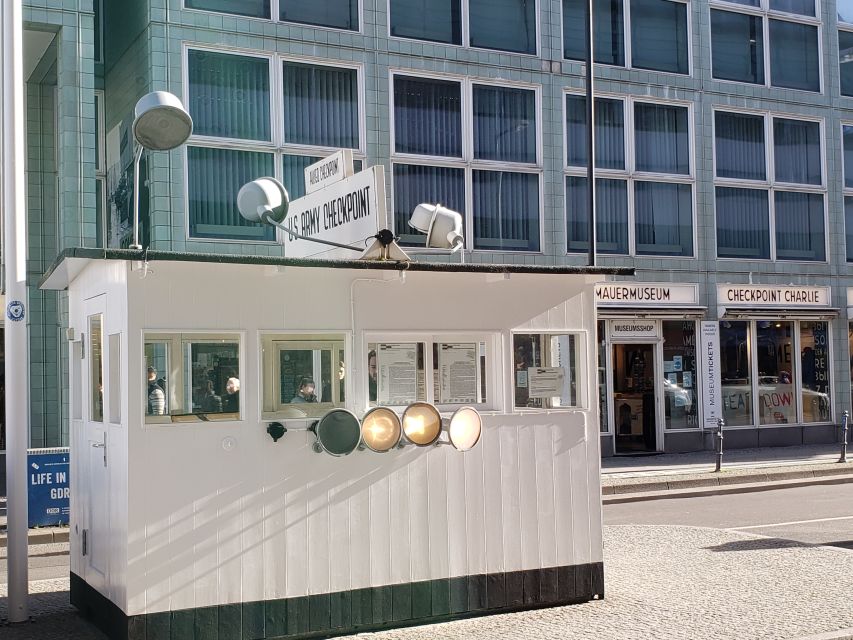
Checkpoint Charlie is the final stop. It was one of the former crossing points between East and West Berlin and is now one of the city’s most recognizable Cold War locations.
The site has strong name recognition, but it can be easy to misunderstand if you see it without guidance. The famous sign and guardhouse-style setting can draw attention away from the larger story. Your guide helps place the crossing in the context of movement between the two sides of the city and the tensions that made this location important.
Ending here makes practical sense. Checkpoint Charlie is in central Berlin, so you can continue to other sights, find food, or return to your accommodation after the walk. It also gives the tour a clear finish, moving from the more detailed Wall remains and documentation at Bernauer Strasse to a widely known symbol of the divided city.
Do not expect the endpoint alone to provide the full history. Checkpoint Charlie is a busy urban attraction, and the present-day surroundings are not the same as the Cold War setting. The guide’s explanation is what turns it from a quick photograph into a meaningful final chapter.
What the $22 price really gives you
At $22 per person, this tour offers good value if you want a guided introduction and prefer a private group. The cost is low compared with many private city tours, while the route covers several major Cold War locations.
The strongest value comes from the guide. You receive a local guide, a private walking tour, historical explanation, and help connecting sites that you could visit separately. If your group includes children, first-time visitors, or people who prefer conversation to reading signs, that guidance can save time and reduce confusion.
The price is less attractive if you only want to photograph the Wall. You can see parts of Berlin’s Wall memorials and famous border sites independently, but doing so will not give you the same organized story or the chance to ask questions along the way.
Group size is also important. A private group means the experience is not built around a large crowd. You can ask for clarification, raise a family question, or spend a little more time on a subject that interests you. The exact pace will still depend on the route and the guide, but private touring generally makes a short schedule more flexible.
The booking terms add practical flexibility. You can reserve now and pay later, and cancellation is free up to 24 hours in advance for a full refund. That is useful if your Berlin schedule is still changing.
Who will get the most from this walk
I would recommend this experience to first-time visitors who want a clear introduction to Berlin’s Cold War story without committing to a full-day museum program. It also suits families, since the route combines movement, memorable locations, and stories that can make difficult history easier to follow.
It is a good fit for mixed-language groups because the guide service is offered in German and English. The experience with Stephanie shows that a guide may be able to switch languages within one group, though you should confirm your language needs when booking.
History-minded visitors will appreciate the range of subjects: the Wall’s construction, life in a divided city, escape attempts, former border stations, and the Wall’s fall. The tour is also useful for people who have read about Berlin but want to understand how the border ran through the actual city.
You may want something longer if you already know the main story well. Two hours will not provide an exhaustive treatment of every political, military, and social issue connected to the Cold War. In that case, use the walk as a way to orient yourself before visiting more museums or memorials independently.
The tour is wheelchair accessible, which makes it a practical option for visitors who need an accessible format. Since it is still a walking experience, you should confirm any specific mobility requirements with the provider before booking.
Simple tips for a better experience
Arrive at the U Bernauer Straße meeting point a few minutes early and go upstairs to the exit marked Bernauer Strasse. The guide will hold a sign with your name.
Keep your voucher handy. If you are late or cannot find the guide, use the local partner’s office number printed there.
Treat the viewing platform as a bonus rather than a promise. It is available only if open, and the rest of the route still offers substantial historical context.
Ask questions. The private format is most useful when you take advantage of it. If you are especially interested in escape attempts, family life, border crossings, or the Wall’s fall, say so early in the walk.
Remember that the tour ends at Checkpoint Charlie, not back at Bernauer Strasse. Plan your next stop from central Berlin rather than expecting a return transfer.
Should you book the Berlin Wall and Cold War tour?
Book it if you want a compact, private introduction to Berlin’s divided past, especially if you value real-life stories more than a simple list of dates. The route is well chosen, the $22 price is reasonable, and the combination of Bernauer Strasse, the Palace of Tears, the former death strip, and Checkpoint Charlie gives you a useful spread of sites.
I would be cautious only if you expect a long museum visit, guaranteed access to the viewing platform, or a detailed study of every part of the Cold War. For most first-time visitors, though, this is a practical way to see the Wall in context and leave Berlin with a better sense of how sharply it once divided ordinary lives.
FAQ
Where does the tour begin?
It begins at the U Bernauer Straße underground station. Meet upstairs at the exit marked Bernauer Strasse.
Where does the tour finish?
The tour finishes at Checkpoint Charlie in central Berlin.
How long does the walking tour last?
The tour lasts two hours.
What is included in the price?
The price includes a local guide and a private walking tour.
Is this a private group experience?
Yes. The tour is arranged for a private group.
Which languages are available?
The live guide service is available in German and English.
Will I visit the Berlin Wall?
Yes. The route begins at Bernauer Strasse, follows the former borderline, and includes remaining Wall-related sites.
Is the Palace of Tears included?
Yes. The tour includes a guided visit to the Palace of Tears, a former border crossing station.
Can I see the former death strip?
You can view the former death strip from a viewing platform if the platform is open. Access is not guaranteed.
Is the tour wheelchair accessible?
Yes. The activity is listed as wheelchair accessible.
Can I cancel the booking?
Yes. You can cancel up to 24 hours in advance for a full refund.
Do I have to pay when I reserve?
No. The reserve-now, pay-later option lets you book without paying immediately.
Just added around Berlin
- Private Walking Tour in Berlin: Hitler’s Germany & WWII★ 5.0 · 7 reviews
- The History of Berlin: WWII PRIVATE Walking Tour With Locals★ 5.0 · 209 reviews
- Private Berlin WWII and Cold War History Tour with Local Expert Guide★ 5.0 · 28 reviews
- Private Walking Tour Berlin 3 hours: Brandenburg, Historic Center★ 5.0 · 7 reviews
- Berlin: Private Bike Tour of the Berlin Wall and Third Reich★ 5.0 · 23 reviews
- Berlin: Guided Private Bike Tour to Explore the Highlights★ 5.0 · 12 reviews
- Berlin Photography Masterclass – Private Photography Lesson★ 4.5 · 23 reviews
- Group Driving Tour 1 to 6 people. Berlin Shore Excursion incl pick-up at Port★ 5.0 · 8 reviews
Cold War Tours, compared.
Cold War, Berlin Wall, Spies and the East Side Gallery
Read our review →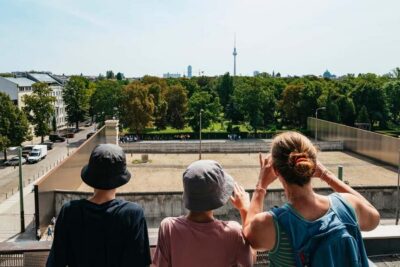

Cold War, Berlin Wall, Spies and the East Side Gallery
Read our review →
Explore The Berlin Wall: Cold War Berlin and Behind the Berlin Wall
Read our review →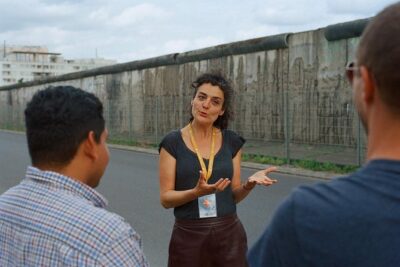
PRIVATE BEHIND THE BERLIN WALL and COLD WAR BERLIN TOUR
Read our review →Browse the lists this tour appears in