
Reviewed · BERLIN WALL TOURS
Cold War, Berlin Wall, Spies and the East Side Gallery
Berlin’s concrete past still speaks loudly. This three-hour Cold War tour links the Palace of Tears, Alexanderplatz, Karl-Marx-Allee, the former death strip, and the East Side Gallery into one clear story. I especially like the way it combines major sights with personal tales of escape, surveillance, and daily life in East Germany.
I also like the guide-led use of public transport, which lets you cover far more ground than a standard walking tour. The main drawback is that you must buy an AB day pass separately, and the pace may feel brisk if you want long, quiet visits at every stop.
In This Review
- Key points to know before you book
- Starting at the Palace of Tears
- Alexanderplatz and the public face of East Berlin
- Karl-Marx-Allee and socialist grandeur
- Friedrichshain and the changing edge of the city
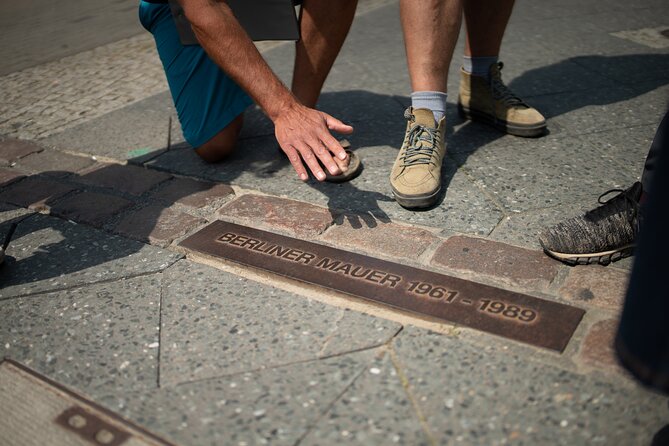
- The Wall, death strip, and escape attempts
- East Side Gallery and the Wall turned into art
- Why the public transport makes sense
- What the $18 price really gives you
- Who should take this Berlin Cold War tour?
- Should you book it?
- FAQ
- How long does the Cold War Berlin tour last?
- Where does the standard tour begin?
- Is public transportation included?
- What places does the tour visit?
- Is hotel pickup available?
- What languages are available?
- What should you bring?
Key points to know before you book
- The tour begins at the Palace of Tears: Meet outside Friedrichstrasse train station, beside the Tränenpalast, and look for a yellow umbrella and yellow name badge.
- You see several sides of divided Berlin: The route covers border controls, socialist architecture, protest sites, surviving Wall sections, and the art-filled East Side Gallery.
- Personal stories are a major strength: Guides such as Paul, Xavier, Tina, Klaus, Nikolai, and Jamie G have been praised for bringing Cold War events down to human scale.
- Public transport is part of the plan: You need an AB day pass to move between sites. Staff can help you buy one on the day.
- The East Side Gallery is the visual finale: Here, the former barrier becomes a long outdoor gallery rather than a symbol of state control.
- The tour suits history-minded visitors: You will get the most from it if you enjoy questions, context, and stories about ordinary people caught between two systems.
Starting at the Palace of Tears
The tour begins outside Friedrichstrasse train station, on the square beside the Tränenpalast, or Palace of Tears. This was a border crossing used by people moving between East and West Berlin, and its name comes from the emotional farewells that took place there.
You spend about 20 minutes here. That is enough time for your guide to explain why this modest-looking building mattered so much. Families and friends could meet, but departures were controlled, watched, and often final for an unknown length of time.
This is a good opening stop because it introduces the Cold War through separation rather than military strategy. You begin with the practical pain of a divided city: documents, checkpoints, farewells, and the fear of saying the wrong thing.
The guide is central to the experience here. Several guides have been praised for using old photographs and personal accounts to show how the border affected ordinary routines. Nikolai, Klaus, Xavier, and Paul have all been singled out for clear explanations and strong storytelling, while guides with personal connections to East Germany have added another layer to the discussion.
More Museums in Berlin
- Berlin: Natural History Museum Entrance Ticket
★ 4.6 · 3,382 reviews - Skip-the-Line: Berlin Wall Museum at Checkpoint Charlie
★ 4.1 · 2,041 reviews - Berlin: Museum Island Multiple Museum Entry Ticket
★ 4.4 · 2,007 reviews
Alexanderplatz and the public face of East Berlin
From the Palace of Tears, the group takes a short train ride, listed at about five minutes, to Alexanderplatz. You spend roughly 20 minutes exploring and listening.
Alexanderplatz gives you a useful sense of how the German Democratic Republic wanted East Berlin to look and feel. Wide open space, large public buildings, and monumental forms were meant to project order, progress, and confidence. Your guide explains how this public image differed from the reality of surveillance, restrictions, and limited freedom.
The square is also a useful place to discuss daily life. Cold War Berlin was not only checkpoints and escape tunnels. It was also work, shopping, school, housing, friendship, and the constant need to judge what could safely be said in public.
You should expect a talk rather than a long museum visit at this point. The schedule allows around 20 minutes, so keep your attention on the guide and take photographs between explanations. If Alexanderplatz is high on your personal sightseeing list, you may want to return later for a slower look.
Karl-Marx-Allee and socialist grandeur
The next major section takes you along Karl-Marx-Allee, one of the most striking urban spaces in former East Berlin. You spend around 20 minutes walking and hearing how the boulevard was designed as a model socialist city.
The scale is deliberate. The broad avenue and imposing apartment blocks were intended to show that the East German state could create a grand, modern society for workers. Your guide helps you read the architecture as political communication, not simply as a collection of large buildings.
This is one of the strongest parts of the tour for visitors who want more than a Wall photograph. The boulevard shows how ideology appeared in everyday surroundings. It also makes clear that political power was expressed through city planning, housing, parades, and public space.
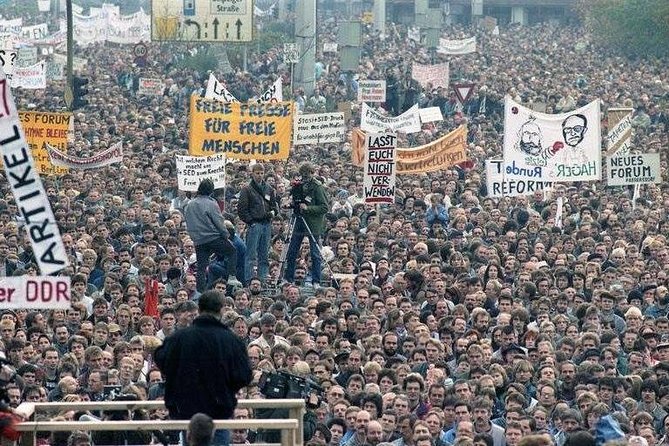
Karl-Marx-Allee is linked to the 1953 workers’ uprising, an important event in East German history. Construction workers protested against increased work demands, and the unrest spread. The Soviet-backed government used force to suppress the uprising, revealing the limits of the state’s claim to represent workers.
Your guide can connect this event to the wider Cold War without turning the walk into a lecture on dates. That balance matters. Jamie G, Jim, Eran, Tina, and others have been praised for explaining political events while keeping the focus on people and consequences.
Friedrichshain and the changing edge of the city
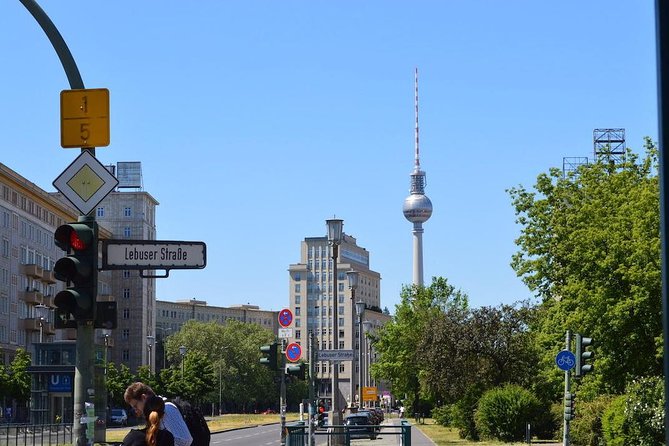
After Karl-Marx-Allee, another short train ride takes the group toward Friedrichshain. This ride is listed at about six minutes, followed by around 20 minutes of guided sightseeing.
Friedrichshain helps connect the monumental center of East Berlin with the remaining sections of the Wall. The area gives you a sense of how the former border cut through neighborhoods and how the city has changed since reunification.
This portion may feel less instantly dramatic than the Wall itself, but it provides needed context. You are not simply jumping from one famous sight to another. The guide shows how the old East was organized, how the border affected movement, and how traces of the divided city remain in modern Berlin.
The walking route includes outdoor stops, so comfortable shoes matter. The tour operates in all weather, and one guide, Xavier, was praised for keeping the group comfortable when rain arrived. Bring weather-appropriate clothing, since there may be little shelter while the guide is speaking.
More Berlin Wall Tours in Berlin:
- Cold War, Berlin Wall, Spies and the East Side Gallery
★ 5.0 · 1,024 reviews - Berlin: Guided Bike Tour of the Berlin Wall and Third Reich
★ 4.7 · 499 reviews - Berlin: Cold War Walking Tour on Berlin Wall Route
★ 4.8 · 437 reviews - Berlin: Berlin Wall & East Side Gallery Walking Tour
★ 4.9 · 264 reviews
The Wall, death strip, and escape attempts
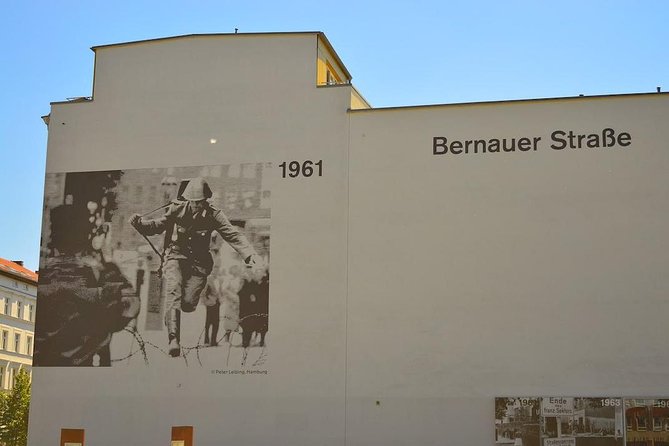
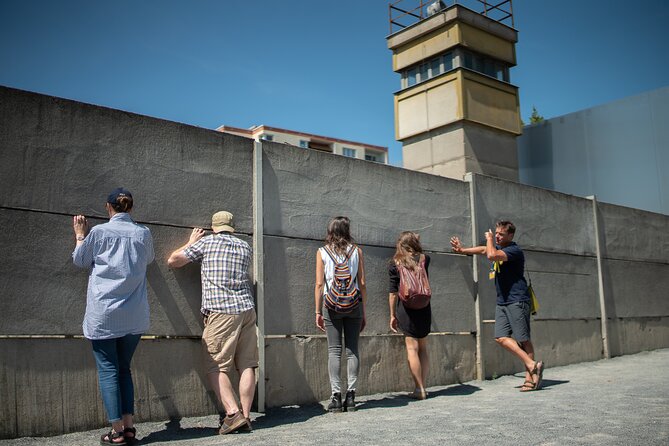
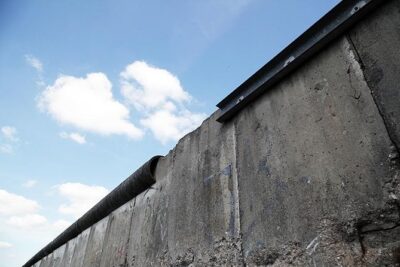
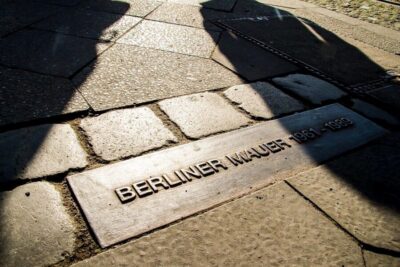
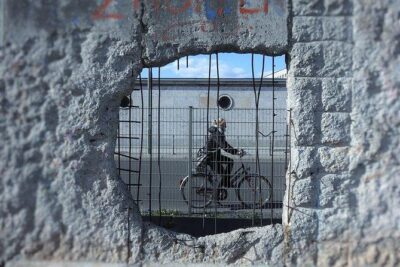
The Berlin Wall section is where the tour becomes most personal. You spend about 16 minutes with the guide examining surviving Wall remains and the former death strip area.
The phrase death strip refers to the controlled zone between sections of the border system. It was not simply one wall. The barrier could include fences, watchtowers, patrol routes, lighting, open ground, and other measures designed to stop people from crossing.
Your guide explains how escape attempts used tunnels, rooftops, vehicles, and other desperate methods. These stories are valuable because they show the Wall as a system built to stop individual choices. Every escape attempt carried serious risk, not only for the person trying to leave but sometimes for relatives and friends as well.
You should also expect discussion of the Stasi, East Germany’s secret police. Surveillance reached into workplaces, housing blocks, universities, and personal relationships. The most effective guides avoid turning this into a simple story of villains and heroes. They explain how informants, pressure, fear, and compromise shaped life under the regime.
This is where the tour’s storytelling reputation matters most. Paul has been praised for helping first-time students of the Cold War understand how and why events unfolded. Other guides, including Nikolai and Josh, have added personal accounts and everyday details that are difficult to get from a monument alone.
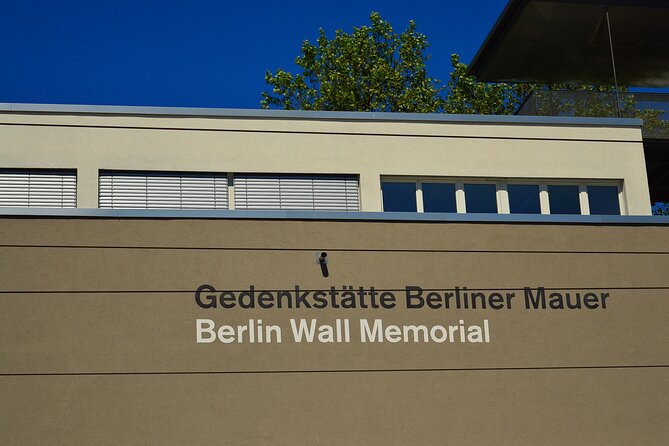
The stop is relatively short, so do not expect a full museum treatment of the Wall. Instead, you get a focused explanation at the places where the events happened. That makes the information easier to remember, but you may want to visit the Berlin Wall Memorial at Bernauer Straße separately if you want a longer look at the border structure and escape history.
East Side Gallery and the Wall turned into art
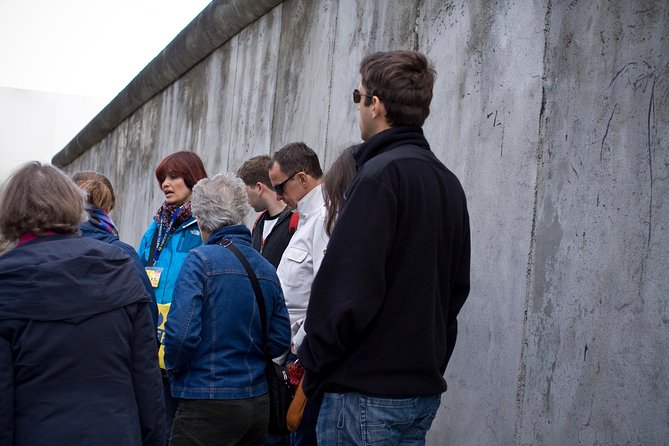
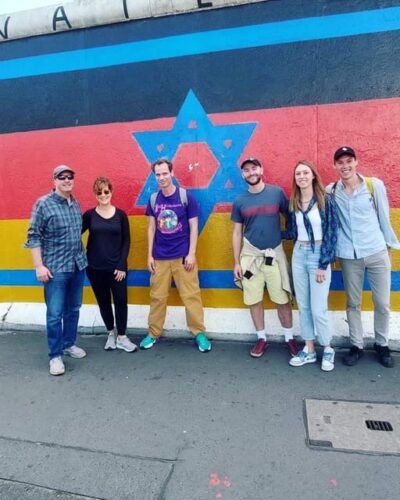
The final major stop is the East Side Gallery, where you walk along one of the longest remaining sections of the Berlin Wall. You spend about 20 minutes here with the guide.
The mood changes sharply. Earlier, the Wall appears as a tool of control. Here, it becomes a public canvas covered with murals made after the political barrier lost its original purpose. The artwork reflects hope, protest, humor, and the desire to claim the structure for the people it once divided.
Your guide places the murals in context rather than treating them as random street art. The key point is the reversal: a barrier built to restrict movement now attracts people from around the world on foot.
The East Side Gallery is also a good place for photographs, but try not to let the camera replace the explanation. The painted section is long, and the group has limited time. You can return later if you want to study individual murals or walk more of the Wall at your own pace.
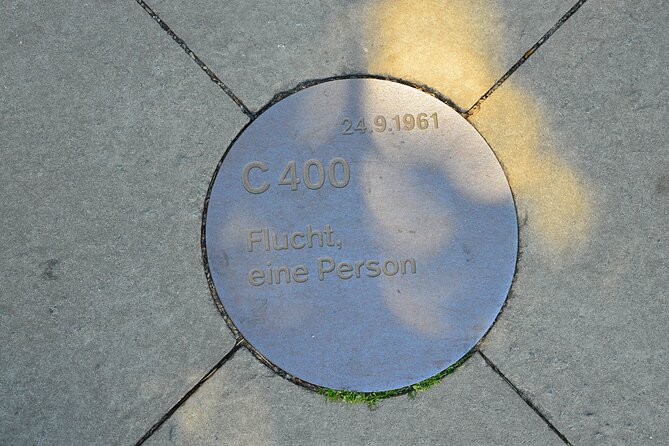
The tour ends with two possible drop-off locations, including Bernauer Straße. Check the exact option attached to your booking, since the final arrangement can vary.
Why the public transport makes sense
You need an AB public transport day pass, which is not included in the $18 tour price. Staff can help you buy the pass on the day.
At first, this extra cost may seem inconvenient. In practice, it lets the group connect central Berlin, Alexanderplatz, Karl-Marx-Allee, Friedrichshain, and the East Side Gallery without spending the whole three hours walking between them.
The train rides are short, but allow time for the guide to keep the group together and explain what comes next. You should arrive ready to use trains and walk on city streets, rather than expecting a bus that carries you from door to door.
Hotel pickup and drop-off are not part of the standard experience. An optional pickup is available for some bookings. If you choose it, you wait in your hotel lobby five minutes before the scheduled time. Afterward, the stated drop-off point is in front of the Tourist Information office at Brandenburg Gate.
What the $18 price really gives you
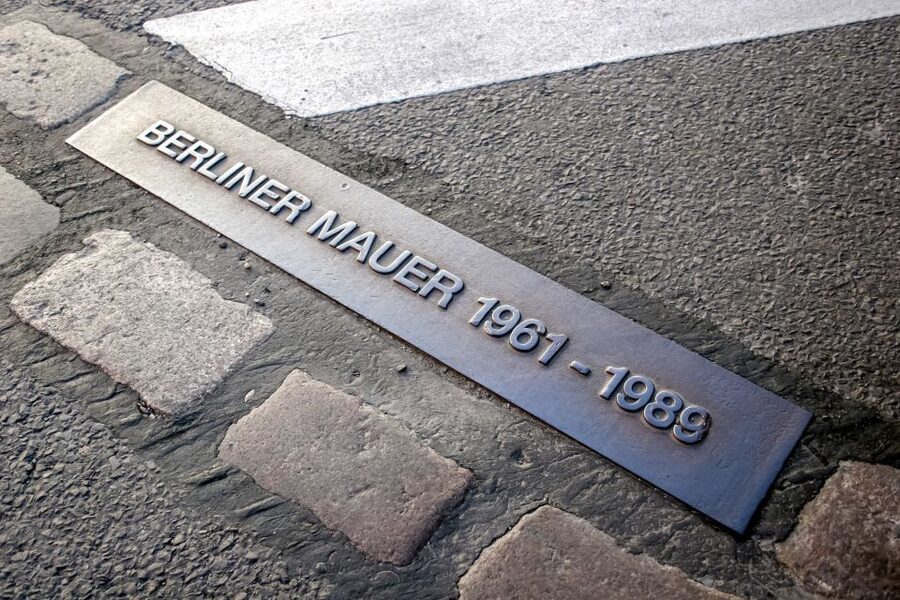
At $18 per person, this is a strong value if you want a guided introduction to Cold War Berlin. You are paying less for admission to a single attraction and more for a connected explanation of sites spread across the city.
The price does not include transport, food, drinks, or hotel service. Once you add the AB day pass, the total cost rises, but the tour still offers a practical way to cover several important locations in three hours.
The real value depends on your guide. The repeated praise for Paul, Xavier, Tina, Klaus, Nikolai, Jim, Eran, Maria, Jamie G, and others points to a consistent strength in the guiding team. Their best qualities are clear storytelling, patience with questions, personal accounts, and the ability to explain difficult events without losing the group.
There is also a small risk built into any guide-led tour: your experience can vary in pace and emphasis. One person may focus more on the Wall, another on politics, and another on personal stories. If you want a tightly academic treatment of Cold War diplomacy, this may feel too focused on Berlin’s physical remains and individual escape stories.
For most first-time visitors, though, that human focus is an advantage.
Who should take this Berlin Cold War tour?
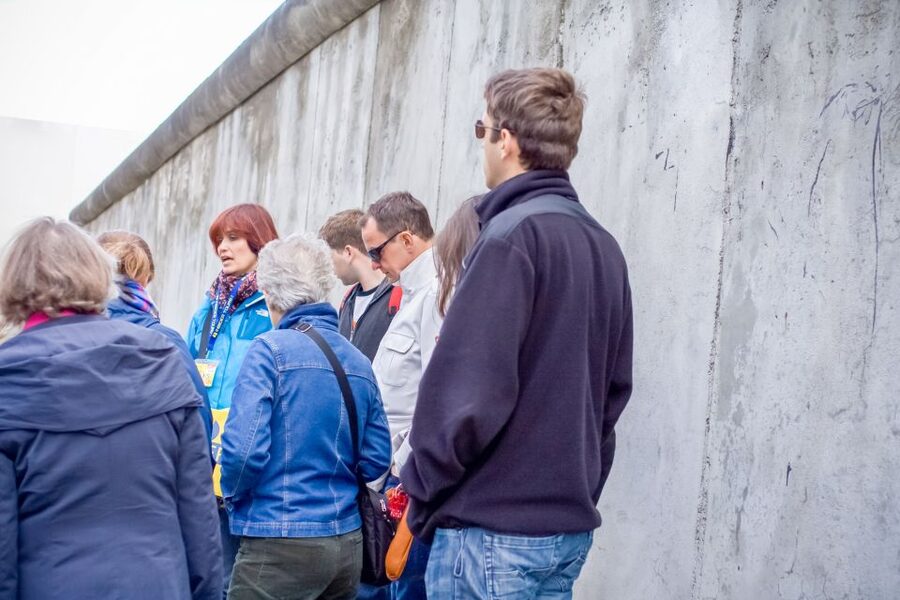
I would choose this tour if you are new to the subject, especially if the dates and political terms of the Cold War feel blurred together. Guides have helped people with limited background understand the division of Germany, the Wall’s purpose, the workers’ uprising, and the road to reunification.
It also suits families with older children and teenagers who may lose interest in a long museum visit. The route uses real places, short train journeys, visual reminders, and stories of risky escapes. One guide was praised for keeping two teenagers engaged throughout.
History fans should find plenty to enjoy, especially if you like lesser-known details and personal accounts. Several guides have been praised for answering a large number of questions and pointing out details you might miss alone.
You may want a different format if you dislike walking, public transport, outdoor touring, or a quick schedule. The activity is described as wheelchair accessible, but you should confirm the exact route and access arrangements when booking if this is important for you.
Bring comfortable shoes, a camera, and clothing suited to the forecast. The tour runs in poor weather, so rain protection and warm layers can make a real difference.
Should you book it?
Book this tour if you want the Berlin Wall explained through people and places, not just photographed. The route gives you the Palace of Tears, Alexanderplatz, Karl-Marx-Allee, Friedrichshain, the death strip, and the East Side Gallery in one compact outing.
I especially recommend it early in your Berlin visit. The guide’s explanation can give later sightseeing at Bernauer Straße, the Wall Museum, or other Cold War sites more meaning.
Skip it only if you want extended time at each stop or a tour focused mainly on military strategy and international politics. For a modest base price, strong guides, and a well-planned route across former East Berlin, this is an excellent introduction to a divided city that still carries its past in plain sight.
FAQ
How long does the Cold War Berlin tour last?
The tour lasts three hours.
Where does the standard tour begin?
Meet outside Friedrichstrasse train station, on the square beside the Palace of Tears, or Tränenpalast. Look for a guide with a yellow name badge and yellow umbrella.
Is public transportation included?
No. You need an AB public transport day pass, which can be purchased on the day with help from on-site staff.
What places does the tour visit?
The route includes the Palace of Tears, Alexanderplatz, Karl-Marx-Allee, Friedrichshain, a Berlin Wall and former death strip area, and the East Side Gallery.
Is hotel pickup available?
Pickup is optional for some bookings. If selected, wait in your accommodation lobby five minutes before the scheduled pickup time.
What languages are available?
Live guiding is available in English and German.
What should you bring?
Bring comfortable shoes, a camera, comfortable clothing, and clothing suitable for the weather. The tour operates regardless of weather conditions.
More Cold War Tours in Berlin
- Berlin: Third Reich and Cold War 2 Hour Walking Tour
★ 4.9 · 6,830 reviews - Berlin’s Best: 2 Hour Walking Tour Third Reich and the Cold War
★ 5.0 · 5,486 reviews - Berlin: Cold War Era History Guided Bike Tour
★ 4.8 · 413 reviews - Explore The Berlin Wall: Cold War Berlin and Behind the Berlin Wall
★ 5.0 · 168 reviews
Just added around Berlin
- Private Walking Tour in Berlin: Hitler’s Germany & WWII★ 5.0 · 7 reviews
- The History of Berlin: WWII PRIVATE Walking Tour With Locals★ 5.0 · 209 reviews
- Private Berlin WWII and Cold War History Tour with Local Expert Guide★ 5.0 · 28 reviews
- Private Walking Tour Berlin 3 hours: Brandenburg, Historic Center★ 5.0 · 7 reviews
- Berlin: Private Bike Tour of the Berlin Wall and Third Reich★ 5.0 · 23 reviews
- Berlin: Guided Private Bike Tour to Explore the Highlights★ 5.0 · 12 reviews
- Berlin Photography Masterclass – Private Photography Lesson★ 4.5 · 23 reviews
- Group Driving Tour 1 to 6 people. Berlin Shore Excursion incl pick-up at Port★ 5.0 · 8 reviews
Berlin Wall Tours, compared.
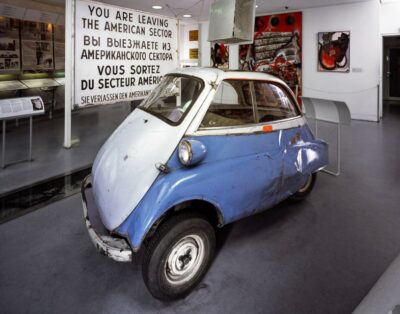
Skip-the-Line: Berlin Wall Museum at Checkpoint Charlie
Read our review →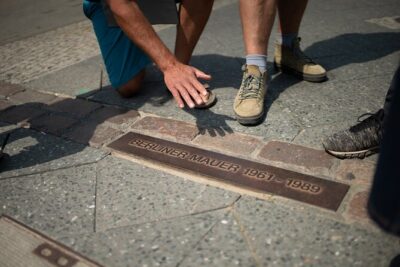
Cold War, Berlin Wall, Spies and the East Side Gallery
Read our review →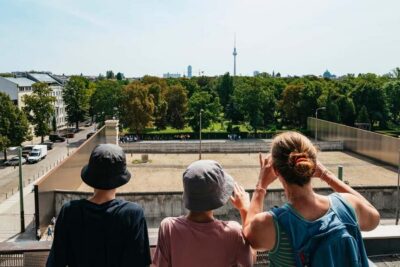
East Berlin and the Berlin Wall 2-Hour Walking Tour
Read our review →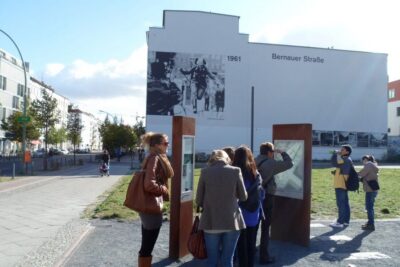
Explore The Berlin Wall: Cold War Berlin and Behind the Berlin Wall
Read our review →Browse the lists this tour appears in