
Reviewed · MUSEUMS
Hamburger Bahnhof Museum Entrance Ticket
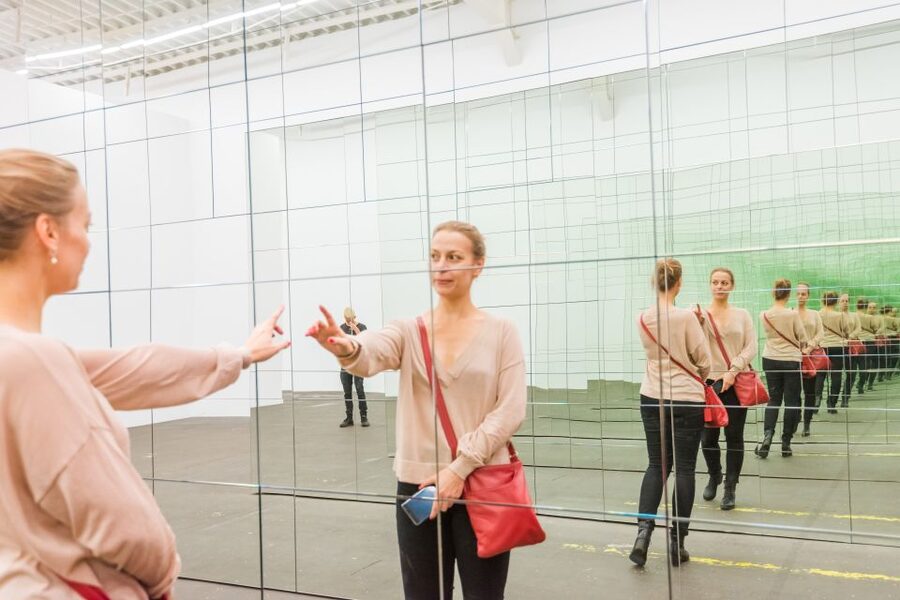
Art can make an old railway station feel wonderfully strange. Berlin’s Hamburger Bahnhof now houses the Nationalgalerie der Gegenwart, a large contemporary art museum where historic station halls meet bold modern work. I like the setting, especially the contrast between the old railway architecture, the Rieckhallen, and the garden areas. I also like the chance to see major works by Andy Warhol, Joseph Beuys, and Cy Twombly without booking a guided tour.
The main drawback is the museum’s size and changing exhibition setup. Some galleries may feel sparse or difficult to read, and the ticket does not include an audio guide. You may also need to show your ticket again when moving into another exhibition area, so keep it handy throughout your visit.
In This Review
- Key Things to Know Before You Go
- Entering the Former Hamburger Bahnhof
- The Permanent Collection, From Beuys to Warhol
- Why the Changing Exhibitions Matter
- Allow Time for the Rieckhallen and Gardens
- Tours, Workshops, Performances, and Talks
- How Much Value Do You Get for $16?
- Practical Drawbacks to Keep in Mind
- Who Will Enjoy Hamburger Bahnhof Most?
- Should You Book the Hamburger Bahnhof Ticket?
- FAQ
- How long is the Hamburger Bahnhof ticket valid?
- What does the ticket include?
- Is the ticket refundable?
- Are backpacks allowed inside the museum?
- Is the museum wheelchair-accessible?
- Can I book this ticket for a group?
Key Things to Know Before You Go
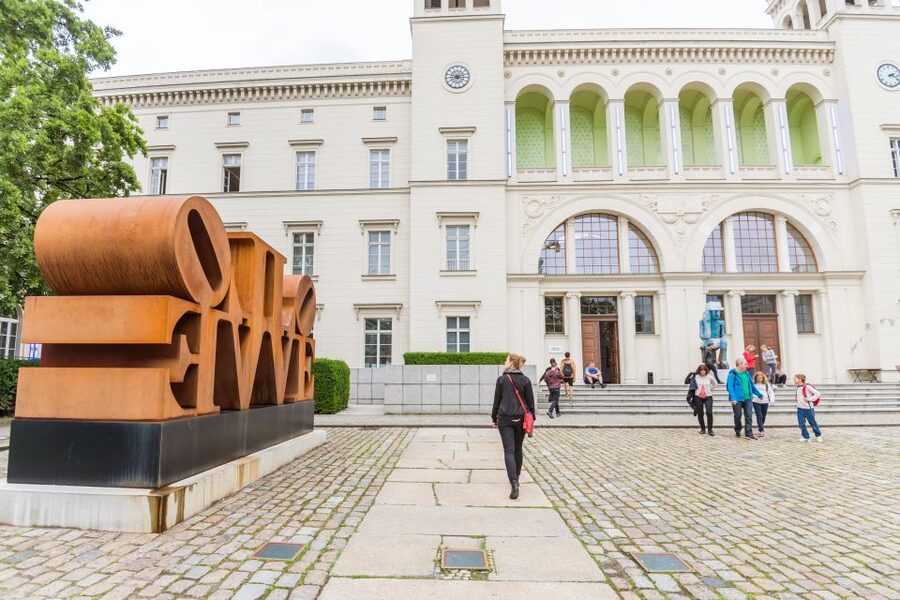
- A former railway station is now a contemporary art museum: Hamburger Bahnhof once connected Hamburg and Berlin by train and now covers more than 30,000 square meters.
- Joseph Beuys has a major presence: The collection includes more than 450 Beuys drawings, giving you plenty of material beyond his best-known installations.
- Andy Warhol is well represented: Nearly 60 works by Warhol are part of the collection, alongside pieces by Cy Twombly, Richard Long, Gerhard Merz, and Dan Flavin.
- The museum changes often: Up to 10 special exhibitions are presented each year, so the exact experience depends on your date of visit.
- Your ticket lasts one day: The admission is useful if you want time to take the museum slowly rather than rushing through it.
- Pack light: Backpacks are not allowed, and the museum is not completely wheelchair-accessible.
Entering the Former Hamburger Bahnhof
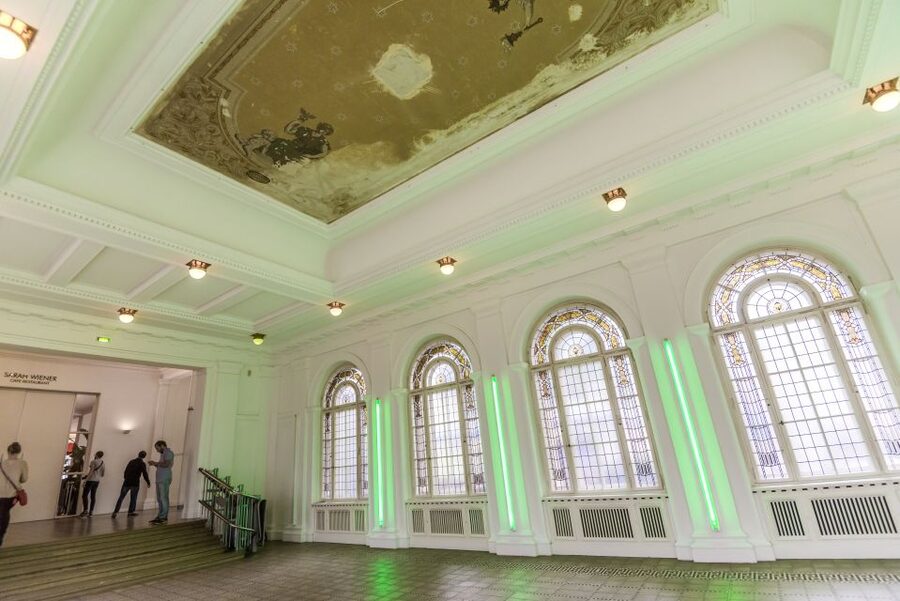
The building gives this museum its first great work of art. Hamburger Bahnhof began as a railway station linking Hamburg and Berlin, then found a new purpose as one of Berlin’s leading homes for contemporary art. The old station identity still shapes the visit, even when you are looking at large modern installations rather than railway equipment.
The museum now forms part of the Nationalgalerie der Gegenwart. Its buildings, the Rieckhallen, and the garden areas together cover more than 30,000 square meters. That is a lot of ground for one admission ticket, and it also explains why the visit can feel less like walking through a compact gallery and more like moving through several connected art spaces.
The site was declared a monument in 2023. That designation matters because the museum is not simply a neutral box for art. You are seeing contemporary work in a place with its own architectural character and past. Wide rooms, old structural details, and modern exhibition areas can create striking pairings, though they can also leave smaller works feeling a little lost.
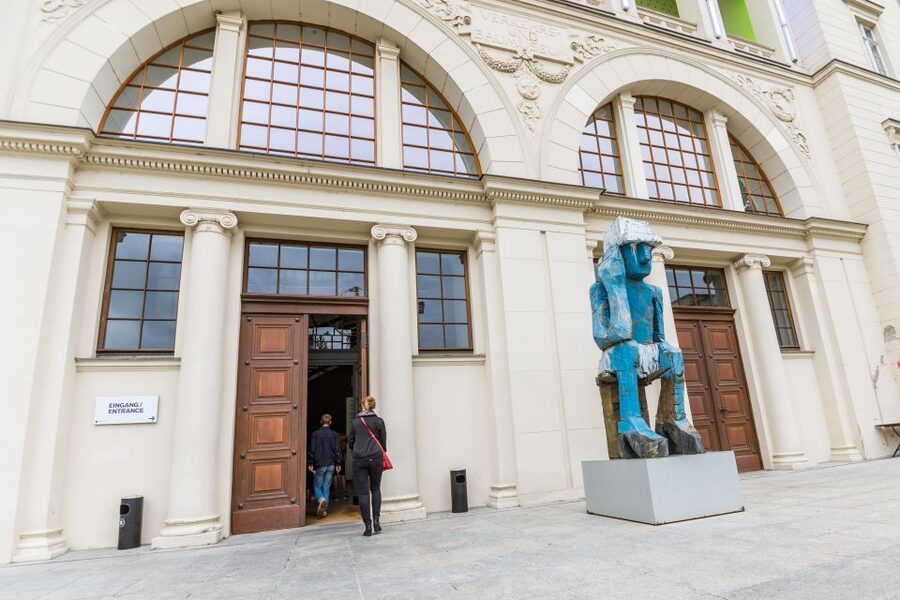
At the entrance, keep your ticket available. The meeting point can vary depending on the option you book, and access arrangements may differ between sections. Backpacks are not permitted, so a small bag is the safer choice.
A few more Germany trips worth comparing
- Dresden: Semperoper Tickets and Guided Tour
★ 4.7 · 12,102 reviews - Berlin: Jewish Museum Berlin Entrance Ticket
★ 4.5 · 8,393 reviews - Berlin: Berlin Story Bunker Entry Ticket
★ 4.6 · 6,759 reviews
The Permanent Collection, From Beuys to Warhol
The museum’s collection follows Berlin’s art scene from the city’s reunification in 1989 to the present day. That gives the visit a useful time frame. You are not simply looking at famous names in isolation. The displays connect major artists with the period in which Berlin became a major center for new artistic ideas.
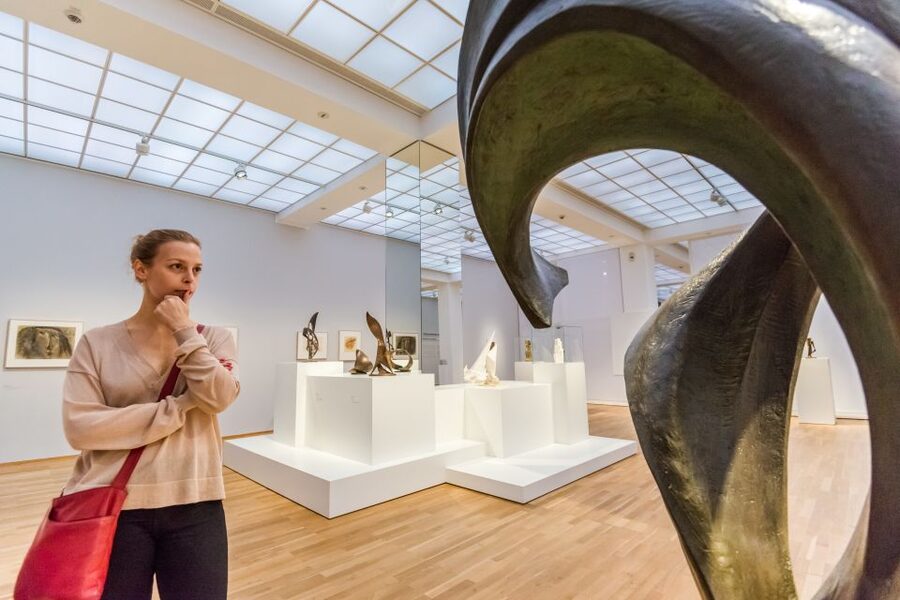
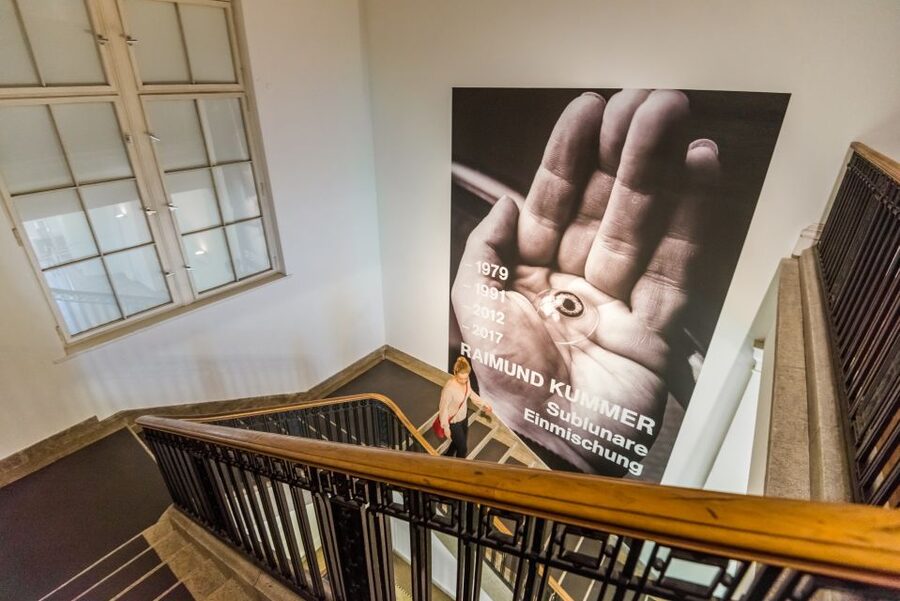
Joseph Beuys is one of the biggest reasons to visit. More than 450 drawings are held here, so you can see a much wider range of his thinking than a single famous installation would allow. His drawings reward patience. Some may look quick or rough at first glance, but they often reveal how he tested ideas through repeated marks, symbols, and altered forms.
If you prefer a museum visit built around familiar names, Andy Warhol provides a strong anchor. Nearly 60 works are included in the collection. Warhol’s art is often easy to recognize, but seeing many pieces together lets you consider the repeated images, commercial references, and changes in scale with more attention.
Cy Twombly brings a very different energy. His work asks you to slow down and look at the surface, movement, and marks rather than search for a clear scene. Richard Long, Gerhard Merz, and Dan Flavin add further variety, with works that explore materials, space, light, and the act of walking through a gallery.
That range is both a strength and a challenge. I would not plan this as a museum where every room offers an immediately familiar image. Some pieces may take time, and some may leave you cold. Contemporary art often works best when you allow yourself to respond honestly instead of trying to find the correct answer.
Why the Changing Exhibitions Matter
Hamburger Bahnhof hosts up to 10 special exhibitions each year. This makes the museum worth considering even if you have visited before, but it also means that your experience depends heavily on the date.
A strong temporary exhibition can give the large museum a clear focus. It may draw together work from one artist, a particular movement, or a current artistic question. At other times, the displays may feel less unified, especially if you prefer traditional rooms filled with paintings arranged by period.
The current program can also change the balance between famous collection pieces and newer work. One visit may emphasize Warhol and Beuys. Another may put more attention on artists you do not already know. That uncertainty is part of the museum’s character, but I recommend checking the exhibition schedule before you buy if one artist or show is your main reason for going.
The museum’s 4.3 rating from 279 bookings suggests a generally positive experience, but it is not a guaranteed hit for everyone. A recent low score described the exhibition quality as weak, the huge spaces as poorly used, and the staff as unapproachable. That criticism is useful because the building’s scale can magnify any display problem. If an installation is thin or badly placed, the empty space around it becomes hard to ignore.
On the other hand, strong current exhibitions can make the ticket feel like excellent value. Recent high ratings specifically praised the museum and the quality of the exhibitions at the time of the visit. In practical terms, the program matters more here than a simple list of permanent collection names.
Allow Time for the Rieckhallen and Gardens
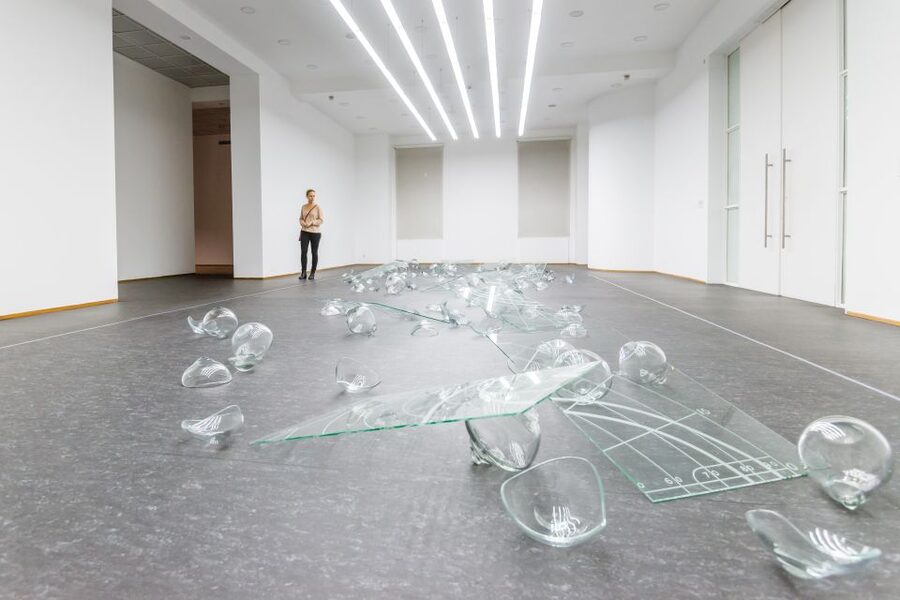
Do not assume the main station building is the entire experience. The Rieckhallen are part of the museum complex and add a different setting for contemporary work. Their inclusion helps the museum handle large installations and exhibitions that need more room than a traditional gallery.
You may find that the change from historic station spaces to the Rieckhallen resets your attention. One area may present famous objects or drawings, while another gives more room to large-scale pieces, light works, or installations. The exact arrangement changes, so use the full day validity to avoid treating the museum like a quick checklist.
The gardens offer a quieter break. Contemporary art can be mentally tiring, especially when several pieces demand interpretation rather than simply presenting a recognizable subject. A short pause outdoors can help you return to the galleries with fresh eyes.
I would plan a visit around your energy, not just the museum map. Start with the exhibitions that matter most to you, then move through the permanent displays. If you try to see every room at the same speed, the later galleries may blur together.
More Museums in Germany:
- Berlin: DDR Museum Tickets
★ 4.3 · 3,443 reviews - Berlin: Natural History Museum Entrance Ticket
★ 4.6 · 3,382 reviews - Berlin: Neues Museum Entry Ticket
★ 4.6 · 3,261 reviews - Cologne: Chocolate Museum Entrance Ticket
★ 4.4 · 2,790 reviews
Tours, Workshops, Performances, and Talks
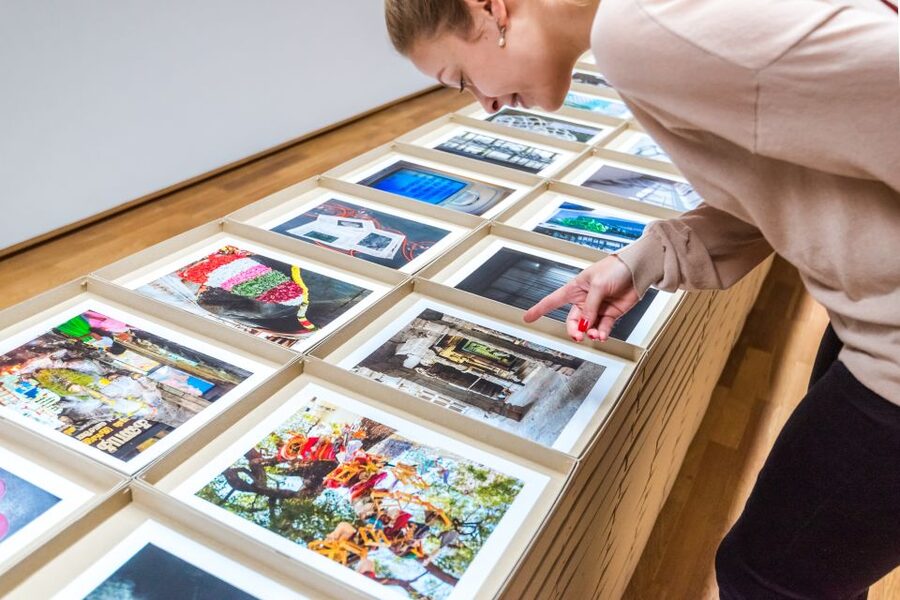
Admission includes entry to the museum, but not an audio guide. That is important if you prefer context delivered directly as you walk. You can still look for daily guided tours, interactive workshops, live performances, and talks offered as part of the museum’s wider program.
These activities can change the tone of your visit. A guided tour may help you understand why a difficult work matters. A workshop can make the museum more approachable if you are visiting with children or with someone who feels unsure about contemporary art. Performances and talks may also connect the displays to current artistic debates.
The details are not fixed in the ticket description, so check what is scheduled for your chosen day. Do not assume every program is included in the basic admission or available at every starting time. The ticket itself covers museum entrance, while the museum’s daily program may have separate arrangements.
Without an audio guide, I would take advantage of any available tour or talk if the schedule fits. If not, give yourself permission to spend time with only the works that hold your attention. You do not need to understand every room for the visit to be worthwhile.
How Much Value Do You Get for $16?
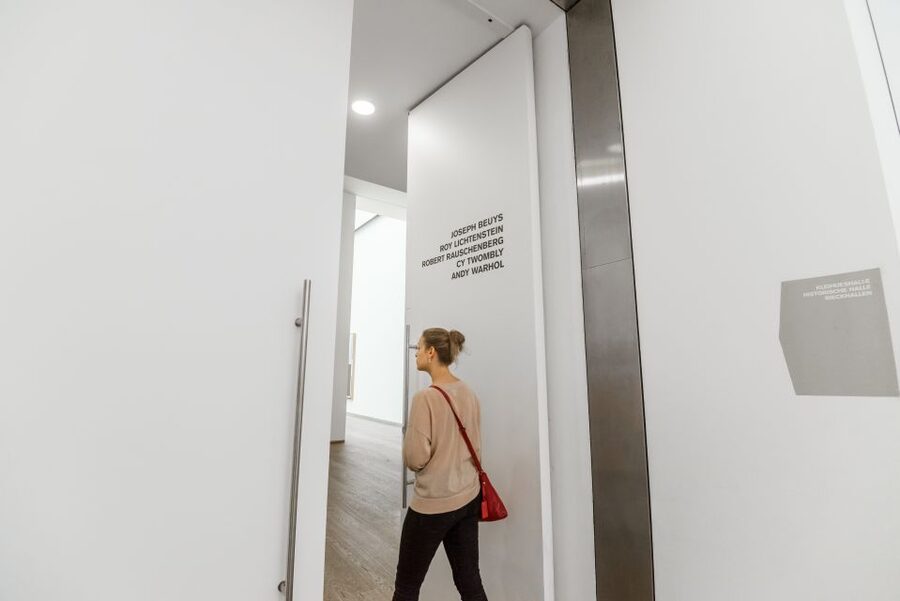
At $16 per person, this is a fair price for a full day of access to a large museum with an important modern art collection. The value is strongest if you plan to see both the main building and the Rieckhallen, take a garden break, and look at more than the headline names.
The ticket is less attractive if you only want a short visit for one famous Warhol or Beuys work. In that case, the museum’s size may feel like extra effort, particularly if the temporary exhibition does not suit your taste.
A one-day ticket gives you flexibility. You can take a slower approach, attend a scheduled program, or leave the galleries for a break and return later if the admission terms allow access during the same day. The supplied information confirms the ticket is valid for one day, but it does not promise reentry details, so ask the visitor team if that matters to your plan.
The non-refundable policy makes the timing decision more important. Check the exhibition program and opening information before booking. If you are booking for a group, contact the visitor team of Staatliche Museen zu Berlin rather than relying on a standard individual ticket.
Practical Drawbacks to Keep in Mind
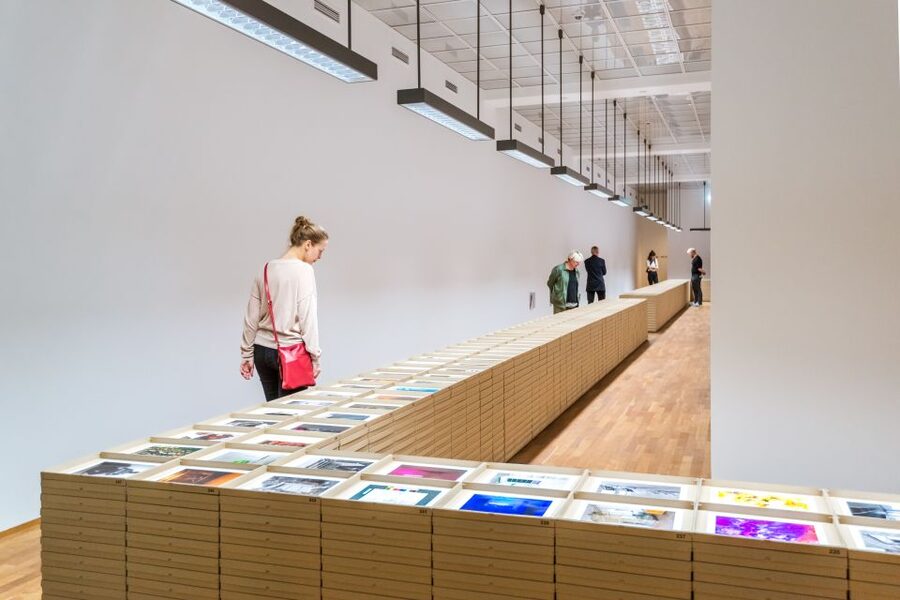
The museum is not completely wheelchair-accessible. If you need step-free access or have specific mobility requirements, contact the museum before booking and ask which parts of the complex can be reached.
Backpacks are not allowed. This is easy to overlook during a day of sightseeing, so carry a smaller bag or confirm storage arrangements before you arrive. The supplied details do not specify locker facilities, so do not assume that a large backpack will be accepted or stored.
The ticket does not include an audio guide. That is not a serious problem if you enjoy looking independently, but it may disappoint you if you expect detailed explanations with every admission.
The space itself can be tiring. More than 30,000 square meters means plenty to see, but it also requires judgment. I would rather examine 10 works carefully than hurry past 100. Large rooms can make a weak display feel especially empty, while a well-planned exhibition can use that same scale to powerful effect.
Staff interaction may vary. One poor experience described staff as unhappy and difficult to approach, while the overall rating remained positive. I would keep expectations practical: ask clear questions, keep your ticket ready, and allow extra time when moving between exhibition areas.
Who Will Enjoy Hamburger Bahnhof Most?
You are a good match for this museum if you enjoy modern and contemporary art, especially work that focuses on ideas, materials, repetition, space, and the process of making. Fans of Warhol and Beuys have clear reasons to visit, while people interested in Berlin after reunification will appreciate the museum’s focus from 1989 onward.
The museum also suits repeat visitors. With up to 10 special exhibitions each year, the program can give you a new reason to return. The gardens and daily events add variety beyond a standard gallery visit.
I would be more cautious if you prefer compact museums, clear historical timelines, or rooms filled with traditional paintings. You may still find individual works you like, but the sheer size and changing program can make the experience feel uneven.
Families and mixed-interest groups may appreciate the workshops and performances, though you should check the schedule rather than count on one being available. The museum’s broad range gives different people something to focus on, but it does not guarantee that everyone will enjoy every gallery.
Should You Book the Hamburger Bahnhof Ticket?
Book it if you want a substantial contemporary art visit in a memorable former railway station, and if the current special exhibitions appeal to you. The $16 price is reasonable for a full day, especially with access to the major collection of Beuys, Warhol, Twombly, Long, Merz, and Flavin.
I would check three things before paying: the current exhibition schedule, accessibility arrangements, and your bag size. Go with time to spare, keep your ticket available between sections, and treat the museum as a place to pick your way through rather than conquer in one hurried sweep.
If your main goal is a quick look at one famous artist, this may feel too large. If you want space, variety, changing exhibitions, and a strong mix of Berlin history and contemporary art, Hamburger Bahnhof is a sensible choice.
FAQ
How long is the Hamburger Bahnhof ticket valid?
The ticket is valid for one day. Check availability for the starting times offered with your booking option.
What does the ticket include?
The ticket includes entrance to the museum. An audio guide is not included.
Is the ticket refundable?
No. The ticket is non-refundable.
Are backpacks allowed inside the museum?
No. Backpacks are not allowed.
Is the museum wheelchair-accessible?
The museum is not completely wheelchair-accessible. Contact the museum in advance if you need specific accessibility information.
Can I book this ticket for a group?
For group bookings, contact the visitor team of Staatliche Museen zu Berlin. The meeting point may vary depending on the option booked.
Just added around Germany
- Private Walking Tour in Berlin: Hitler’s Germany & WWII★ 5.0 · 7 reviews
- The History of Berlin: WWII PRIVATE Walking Tour With Locals★ 5.0 · 209 reviews
- Private Walking Tour Berlin 3 hours: Brandenburg, Historic Center★ 5.0 · 7 reviews
- Berlin: Private Bike Tour of the Berlin Wall and Third Reich★ 5.0 · 23 reviews
- Private Berlin WWII and Cold War History Tour with Local Expert Guide★ 5.0 · 28 reviews
- Berlin: Guided Private Bike Tour to Explore the Highlights★ 5.0 · 12 reviews
- Berlin Photography Masterclass – Private Photography Lesson★ 4.5 · 23 reviews
- Group Driving Tour 1 to 6 people. Berlin Shore Excursion incl pick-up at Port★ 5.0 · 8 reviews
Museums, compared.


Skip-the-Line: Berlin Wall Museum at Checkpoint Charlie
Read our review →
Browse the lists this tour appears in