

Reviewed · COLD WAR TOURS
Berlin: Stasi Museum Private Guided Tour with Entry Ticket
Secrets were hiding in plain sight. This three-hour private tour connects Alexanderplatz with the original Stasi headquarters, where you can see spy tools, hidden cameras, and Erich Mielke’s red briefcase. I like the personal guide format and the chance to reach the museum by public transport with tickets included. The main concern is price: at $257 per person, it makes the most sense for visitors who value private attention and detailed historical explanation.
I also like that the tour tackles more than spy gadgets. It explains propaganda, informants, political control, and ordinary life in East Germany before the Berlin Wall fell. The museum is outside central Berlin, so the included transport tickets save a little hassle, but the pre-booked entry time means you must arrive promptly at the meeting point.
In This Review
- Key points to know before booking
- Why Alexanderplatz matters before the museum
- Entering the former Ministry of State Security headquarters
- Spy cameras, bugs, and the machinery of control
- Erich Mielke’s office and the red briefcase
- What the three-hour schedule really gives you
- Private guiding and the question of value
- Who will get the most from this Stasi Museum tour?
- Stasi Museum or Hohenschönhausen Memorial?
- Booking tips for a smoother visit
- Should you book this Berlin Stasi Museum tour?
- FAQ
- Where does the Stasi Museum tour meet?
- How long does the private tour last?
- Is transport to the Stasi Museum included?
- What languages are available?
- Does the tour include skip-the-line museum entry?
- Is this the same place as the Hohenschönhausen Memorial?
- Can I cancel the booking?
Key points to know before booking
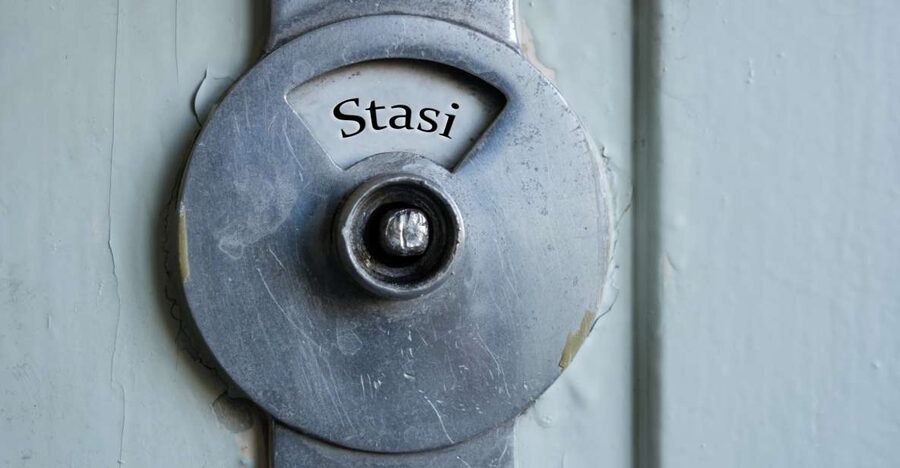
- You begin at Alexanderplatz: Meet your guide outside the DM drugstore at Alexanderplatz 1, 10178 Berlin, a major public square in the former East German capital.
- The museum occupies the real Stasi headquarters: You are not visiting a recreated set. The building once housed the Ministry of State Security.
- Original surveillance equipment is on display: Look for bugs, concealed cameras, and other tools used to watch and control citizens.
- Erich Mielke’s office is a major stop: The former minister’s office includes his famous red briefcase, used for sensitive information.
- Public transport is part of the experience: Two-way tickets are included for the trip from central Berlin to the museum.
- Private guiding is the main luxury: You receive a dedicated guide in English or German rather than joining a large group.
Why Alexanderplatz matters before the museum
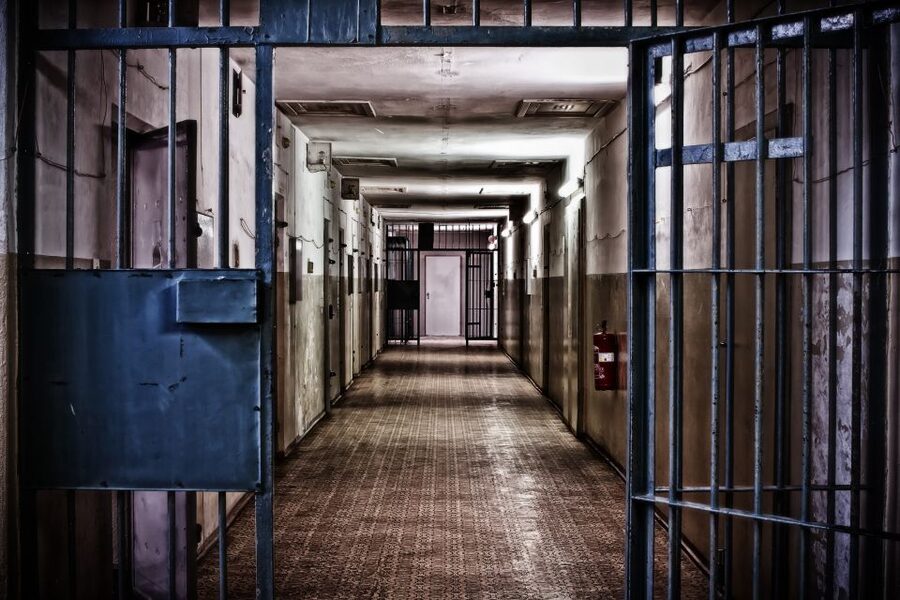
The tour starts at Alexanderplatz, in front of the DM drugstore at number 1. This is a practical meeting point in central Berlin, served by major public transport connections, but it is also a useful place to begin the story.
Alexanderplatz was one of the most important public squares in East Berlin. In 1989, it hosted the largest demonstration in the history of the German Democratic Republic. That protest became part of the growing pressure that helped bring down the Berlin Wall.
I like this opening because it gives the museum a clear political setting. You are not simply heading to a building filled with old equipment. You first hear about the public life of East Germany, then move toward the institution that monitored much of it.
Your guide handles the journey from Alexanderplatz to the Stasi Museum by public transport. The ride is included in the price, and the route helps you see the distance between the tourist center and the former security headquarters. The museum is not in the middle of the major central sights, so this arrangement is useful.
The exact start time matters. Your museum admission is tied to a pre-booked time slot, so arriving late could create a problem. I would plan to reach Alexanderplatz early enough to find the DM store without rushing. Check your email the day before, since the operator may send important meeting instructions.
More Museums in Berlin
- Berlin: Natural History Museum Entrance Ticket
★ 4.6 · 3,382 reviews - Skip-the-Line: Berlin Wall Museum at Checkpoint Charlie
★ 4.1 · 2,041 reviews - Berlin: Museum Island Multiple Museum Entry Ticket
★ 4.4 · 2,007 reviews
Entering the former Ministry of State Security headquarters
The Stasi Museum, formally called Forschungs- und Gedenkstätte Normannenstraße, occupies the former headquarters of East Germany’s Ministry of State Security. This fact gives the visit much of its power.
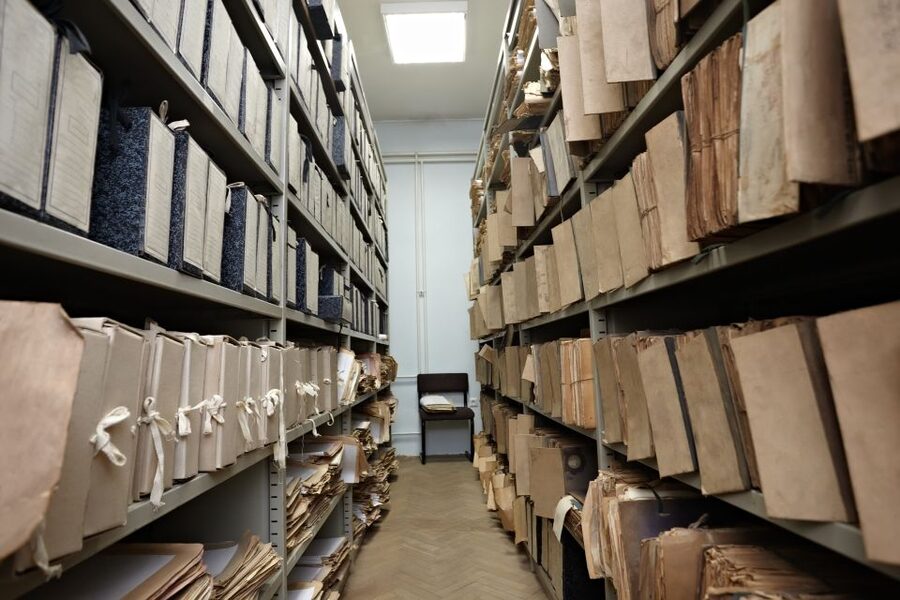
You are seeing the offices and working environment of the institution, not only a collection assembled elsewhere. The setting helps connect the bureaucracy of surveillance with the people who organized it. The Stasi was not a mysterious force operating in the shadows alone. It relied on offices, files, procedures, staff, and a huge network of informants.
A private guide can make those connections easier to follow. The subject includes political structures, communist propaganda, recruitment, surveillance, and daily life in the GDR. A display label can show you a device. A guide can explain why such a device mattered and how it fitted into a wider system of control.
The tour is designed for history enthusiasts, but you do not need a degree in Cold War politics to follow it. If you know little about East Germany, the guide can establish the basic division of Germany and explain the contrast between East and West Berlin. If you already know the broad story, you can use the private format to ask more pointed questions.
The guide language is English or German. Several past bookings praised the guides for making the visit clear and engaging. One English-language booking highlighted extra material shown during the tour. Another praised Silvia for adding personal stories, while a Danish-speaking visitor appreciated that the guide could also speak Danish despite booking an English tour. That does not mean Danish is a standard language option, but it suggests that individual guides may bring useful language skills and personal perspective.
Spy cameras, bugs, and the machinery of control

The museum’s spy technology is likely to be the most immediately eye-catching part of the visit. You can see original bugs, hidden cameras, and other surveillance equipment used by the Stasi.
These objects are interesting because they make an abstract system feel physical. Terms such as state surveillance and political repression can sound distant. A concealed camera or listening device makes the issue more direct: someone designed it, placed it, and used it to watch another person.
I would not book this tour simply to see spy gadgets, though. The equipment matters because of the people affected by it. The guide explains how citizens were monitored and how informants were recruited. That broader explanation is what separates this visit from a small technology display.
The Stasi depended heavily on information from ordinary people. The subject of informants also raises difficult questions about trust, pressure, ideology, and personal motives. The supplied tour information does not promise a detailed case study for every item, so the depth may depend on your guide and your questions. With a private tour, you have a better chance to ask for more context when a particular exhibit catches your attention.
This is one reason the three-hour length is sensible. You have enough time to look carefully and discuss what you are seeing instead of racing through a few famous objects.
Erich Mielke’s office and the red briefcase
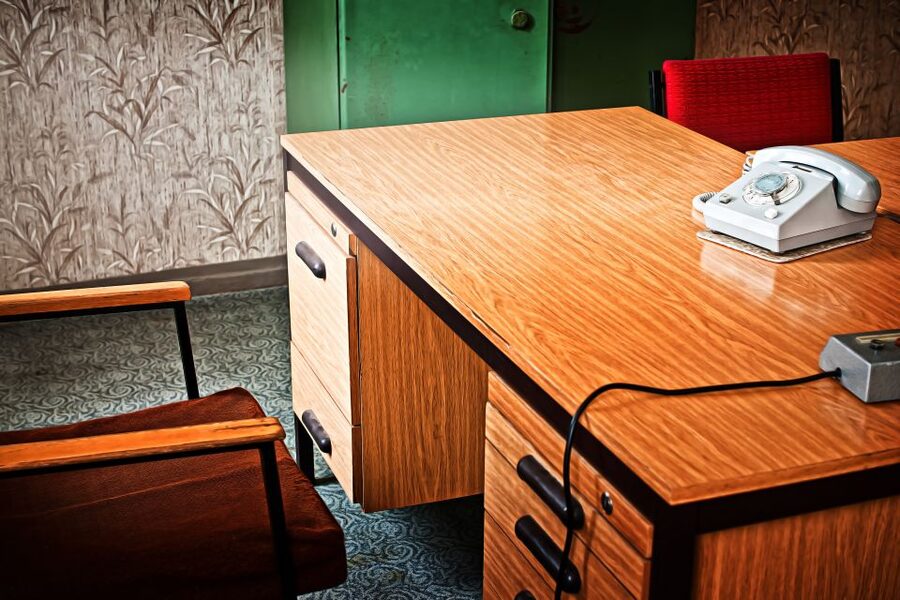
A central stop is the office of Erich Mielke, the long-serving minister who led the Stasi. The room displays his well-known red briefcase, associated with highly sensitive information.
The briefcase is a small object, but it carries a strong message. The Stasi’s reach was supported by senior officials, formal offices, and decisions made at the top. Seeing the minister’s workspace places the surveillance system inside the daily routine of government.
I find this part valuable because it moves the story away from the image of a faceless secret police force. You see the physical surroundings of the person responsible for directing it. A good guide can help you understand how the minister’s office related to the wider Ministry of State Security and the GDR government.
Personal commentary seems to be a strong feature of this experience. Several bookings praised guides for using personal stories and adding material beyond the basic museum displays. That can make a major difference in a subject that includes many institutions and unfamiliar names.
Still, the personal approach is also the part that can vary most. The guide assigned to your booking will shape the tone, detail, and amount of discussion. The overall rating is 4.8 from 13 ratings, with several strong comments about enthusiasm, punctuality, and historical explanation. One three-star review praised the guide but judged the tour too expensive for what it delivered. That is a fair warning: the quality of the guide may be high, but the private format carries a large premium.
More Cold War tours in Berlin:
- Berlin: Third Reich and Cold War 2 Hour Walking Tour
★ 4.9 · 6,830 reviews - Berlin’s Best: 2 Hour Walking Tour Third Reich and the Cold War
★ 5.0 · 5,486 reviews - Cold War, Berlin Wall, Spies and the East Side Gallery
★ 5.0 · 1,024 reviews - Berlin: Cold War Walking Tour on Berlin Wall Route
★ 4.8 · 437 reviews
What the three-hour schedule really gives you
The advertised duration is three hours, including the meeting, public transport, museum entry, and guided visit. That is long enough for a serious introduction, but it is not an all-day study of East Germany.
The schedule begins in the center, then continues to the museum outside central Berlin. Because the transport tickets are included, you do not need to work out the correct ticket before leaving Alexanderplatz. The guide leads the route, which is especially helpful if you are unfamiliar with Berlin’s public transport system.
At the museum, your reserved entry time helps you avoid waiting in the normal ticket line. In practical terms, this is not a license to arrive late. The skip-the-line benefit comes from a scheduled admission, so you need to keep pace with the group from the start.
Three hours suits visitors who want a focused history experience in Berlin. It may feel short if you want to read every museum panel at length or ask about every part of GDR society. It should feel more generous than a quick museum stop if your main goal is to understand how the Stasi worked.
You should also allow time before or after the tour for other Berlin sights. The meeting point is at Alexanderplatz, but the museum itself is elsewhere, so do not assume you can finish the visit and immediately walk to another central attraction.
Private guiding and the question of value

The listed price is $257 per person. That is a serious amount for a three-hour museum visit, even with admission and public transport included.
The strongest argument for the cost is the private guide. You can ask questions in real time, request more explanation about a confusing political point, and keep the pace suited to your interests. That is valuable for families, couples, small private groups, and visitors who want the tour in a particular language.
The weaker argument is the museum admission itself. Entry tickets and two-way public transport do not account for the full price. You are paying mainly for the guide’s time, planning, language service, and private group arrangement.
A June 2023 booking recorded a total price of $435 and judged the experience too expensive, even while praising the guide. The current quoted price of $257 per person may reflect a different booking setup, date, or group size, but the underlying warning remains useful. Check the final total carefully before paying, especially if several people are joining.
I would consider the tour good value if you place a high value on explanation and convenience. I would be less enthusiastic if you are comfortable reading museum information independently, already know the history, or are trying to keep your Berlin costs low.
The private format may be especially worthwhile for visitors who have limited time in Berlin. A clear three-hour route can prevent you from spending half a day figuring out the museum and its historical setting on your own. It is less compelling for someone who wants only a short look at surveillance devices.
Who will get the most from this Stasi Museum tour?
This tour is a strong match for people interested in the Cold War, communism, dictatorship, German reunification, and the social effects of surveillance. It also suits anyone who wants to understand East Berlin beyond the Wall and the usual Checkpoint Charlie storyline.
You will probably get the most from it if you:
- Prefer a guide to explain political history in plain language
- Want a private group rather than a shared tour
- Need an English or German-speaking guide
- Like asking questions as you go
- Want transport arranged to an out-of-center museum
- Have three hours available for a focused historical visit
It is also a useful choice for parents introducing older children or teenagers to the division of Germany, though the information supplied does not specify a minimum age or a child-focused format. You should decide based on your child’s interest in political history and the subject of state surveillance.
The tour is wheelchair accessible, which is an important practical advantage. For all other mobility needs, you should still check the day’s arrangements with the operator before booking, since the tour includes public transport.
Stasi Museum or Hohenschönhausen Memorial?
Do not confuse this tour with the Berlin-Hohenschönhausen Memorial. They are different places.
This experience visits the Stasi Museum at Forschungs- und Gedenkstätte Normannenstraße, the former headquarters of the Ministry of State Security. Hohenschönhausen is the former Stasi prison and focuses on detention and imprisonment.
That distinction matters because the two sites tell different parts of the story. If you want to see offices, administrative spaces, surveillance equipment, and the minister’s office, this tour is aimed at you. If your main interest is the experience of political prisoners in a former detention center, you need a different visit.
The supplied information does not say that this tour includes Hohenschönhausen, so do not expect both sites in three hours.
Booking tips for a smoother visit
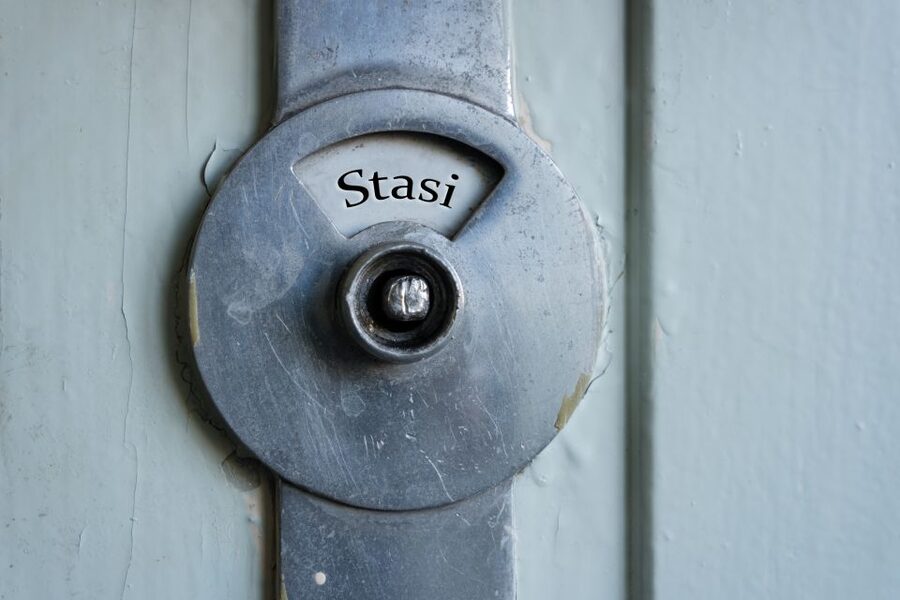
Reserve the tour only after checking that the selected language is correct. The stated guide languages are English and German, and the guide is assigned according to the language chosen at booking.
Save the meeting details and look for the operator’s email the day before. Meet outside the DM drugstore at Alexanderplatz 1, 10178 Berlin, and arrive early. The reserved museum slot makes punctuality more important than it would be on a casual museum visit.
You can cancel up to 24 hours in advance for a full refund, and the reserve-now, pay-later option keeps your plans flexible. Those policies are useful in a city break where rail plans, weather, and museum schedules can shift.
The tour is offered as a private group experience. Ask yourself how many people are joining before judging the price. A smaller private group can make the cost easier to justify, while a solo booking at $257 per person requires a strong interest in the subject.
Should you book this Berlin Stasi Museum tour?
Book it if you want the Stasi Museum explained by a private guide, value included transport, and prefer a focused three-hour visit over independent research. The former headquarters, original spy equipment, Mielke’s office, and Alexanderplatz introduction give the tour a clear structure.
Skip it if the price feels uncomfortable or if you mainly want to see a few Cold War objects without extended historical discussion. You can also choose another experience if your priority is the former Stasi prison at Hohenschönhausen.
For the right audience, this is a thoughtful and well-organized way to understand East Germany’s surveillance system. Just treat the $257 price as a payment for private historical guidance, not simply for a museum ticket.
FAQ
Where does the Stasi Museum tour meet?
Meet your guide in front of the DM drugstore at Alexanderplatz 1, 10178 Berlin.
How long does the private tour last?
The tour lasts three hours.
Is transport to the Stasi Museum included?
Yes. The tour includes two-way public transport tickets between the meeting point and the Stasi Museum.
What languages are available?
The stated tour languages are English and German. You select the language when booking.
Does the tour include skip-the-line museum entry?
Yes. The tour includes a pre-booked time slot for entry to the Stasi Museum.
Is this the same place as the Hohenschönhausen Memorial?
No. The tour visits the Stasi Museum at Forschungs- und Gedenkstätte Normannenstraße, which was the former Stasi headquarters. Hohenschönhausen is the former Stasi prison.
Can I cancel the booking?
You can cancel up to 24 hours in advance for a full refund. A reserve-now, pay-later option is also available.
Just added around Berlin
- Private Walking Tour in Berlin: Hitler’s Germany & WWII★ 5.0 · 7 reviews
- The History of Berlin: WWII PRIVATE Walking Tour With Locals★ 5.0 · 209 reviews
- Private Berlin WWII and Cold War History Tour with Local Expert Guide★ 5.0 · 28 reviews
- Private Walking Tour Berlin 3 hours: Brandenburg, Historic Center★ 5.0 · 7 reviews
- Berlin: Private Bike Tour of the Berlin Wall and Third Reich★ 5.0 · 23 reviews
- Group Driving Tour 1 to 6 people. Berlin Shore Excursion incl pick-up at Port★ 5.0 · 8 reviews
- Berlin: Guided Private Bike Tour to Explore the Highlights★ 5.0 · 12 reviews
- Berlin Photography Masterclass – Private Photography Lesson★ 4.5 · 23 reviews
Cold War Tours, compared.
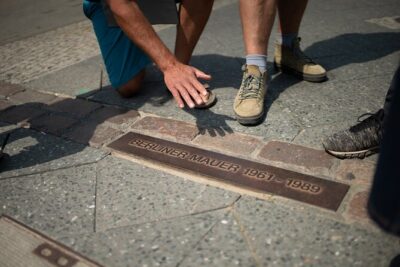
Cold War, Berlin Wall, Spies and the East Side Gallery
Read our review →

Cold War, Berlin Wall, Spies and the East Side Gallery
Read our review →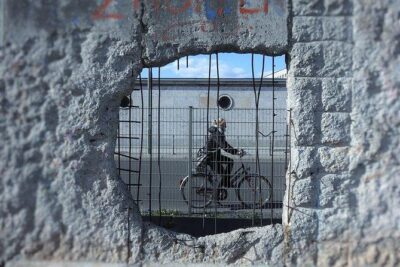
Explore The Berlin Wall: Cold War Berlin and Behind the Berlin Wall
Read our review →
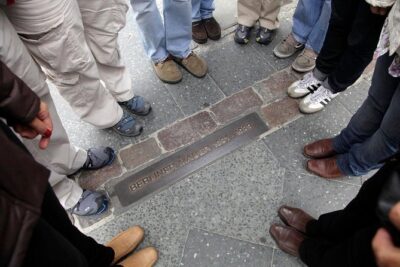
PRIVATE BEHIND THE BERLIN WALL and COLD WAR BERLIN TOUR
Read our review →Browse the lists this tour appears in